Introduction
If you have asthma or frequently struggle with breathing problems, you know how exhausting it can be. Breathing is something we take for granted-until it becomes difficult. Conditions such as asthma, bronchitis, sinus congestion, allergies, and recurring cough can make everyday activities uncomfortable. A person can feel tired and restricted.
In today’s world, increasing pollution, dust, seasonal changes, and stress can all affect respiratory health. According to Ayurvedic principles, an imbalance in the body’s doshas, especially Kapha, can lead to excess mucus and blockage in the respiratory passages. In this article, we will explore how Panchakarma helps asthma and breathing issues, Panchakarma therapies, lung detox, etc.
Can Panchakarma help Asthma and Breathing Issues?
Panchakarma Therapy for Respiratory Disorders is a traditional Ayurvedic approach that may include a combination of therapies selected according to an individual’s symptoms, health condition, and Ayurvedic assessment. These therapies are traditionally used to support respiratory health and manage concerns such as congestion and excess mucus.
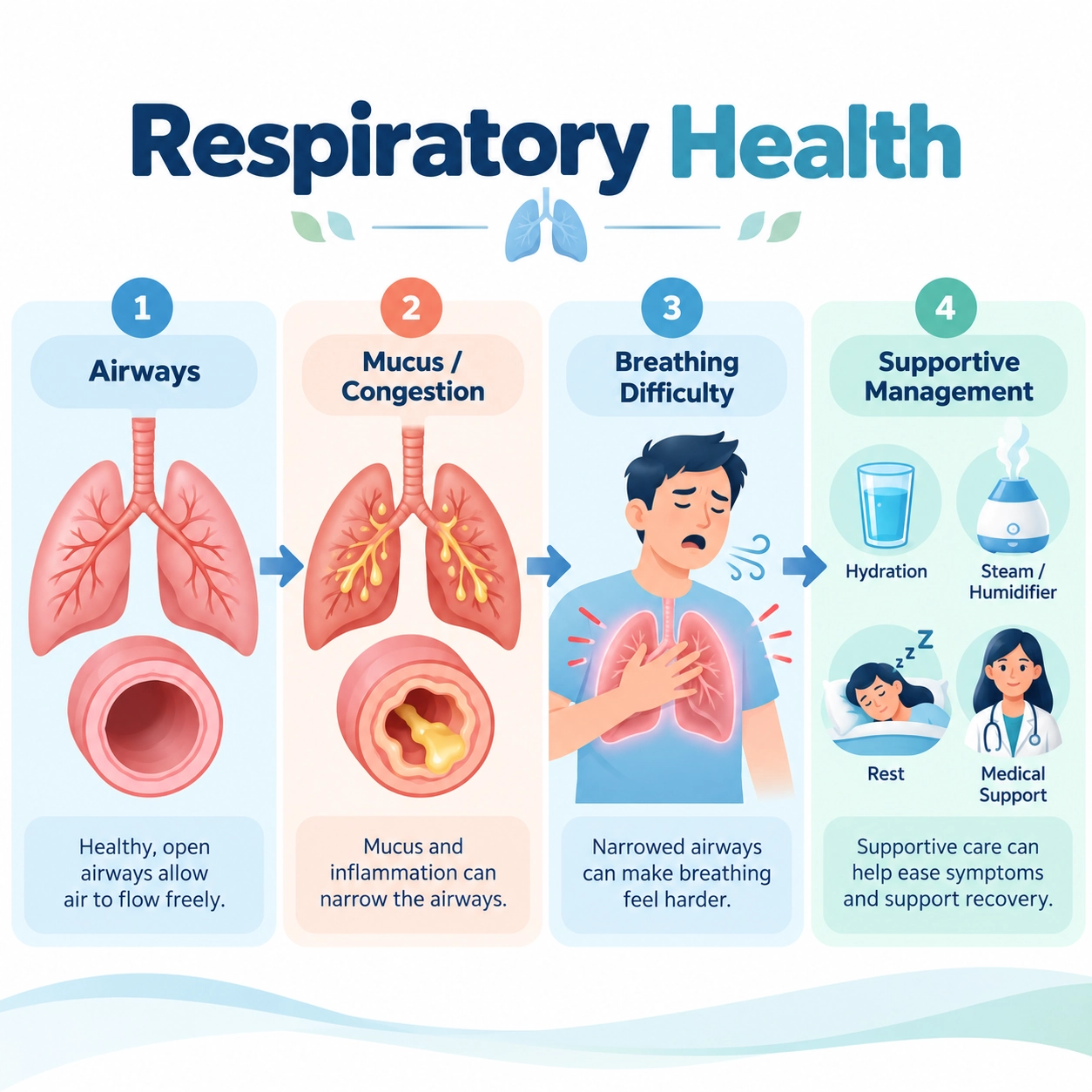
For people with asthma and respiratory issues, Panchakarma therapies may help:
- Clear excess mucus from the respiratory tract
- Support easier breathing by reducing congestion
- Improve lung function and respiratory strength
- Enhance immunity and resistance to seasonal triggers
- Reduce the frequency of recurring respiratory discomfort
It is important to understand that Panchakarma is not a replacement for emergency asthma treatment or prescribed medication. People with asthma should continue following their doctor’s advice and consult a qualified Ayurvedic practitioner before starting any therapy.
Panchakarma Therapy for Respiratory Disorders: Which Therapies Help Clear the Respiratory Pathways?
When respiratory problems become frequent, many people feel as though their chest is constantly heavy or blocked. During allergy season or when the weather changes, breathing does not feel as easy or comfortable as it should be.
Panchakarma includes several therapies traditionally used to help clear the respiratory pathways and support healthier breathing.
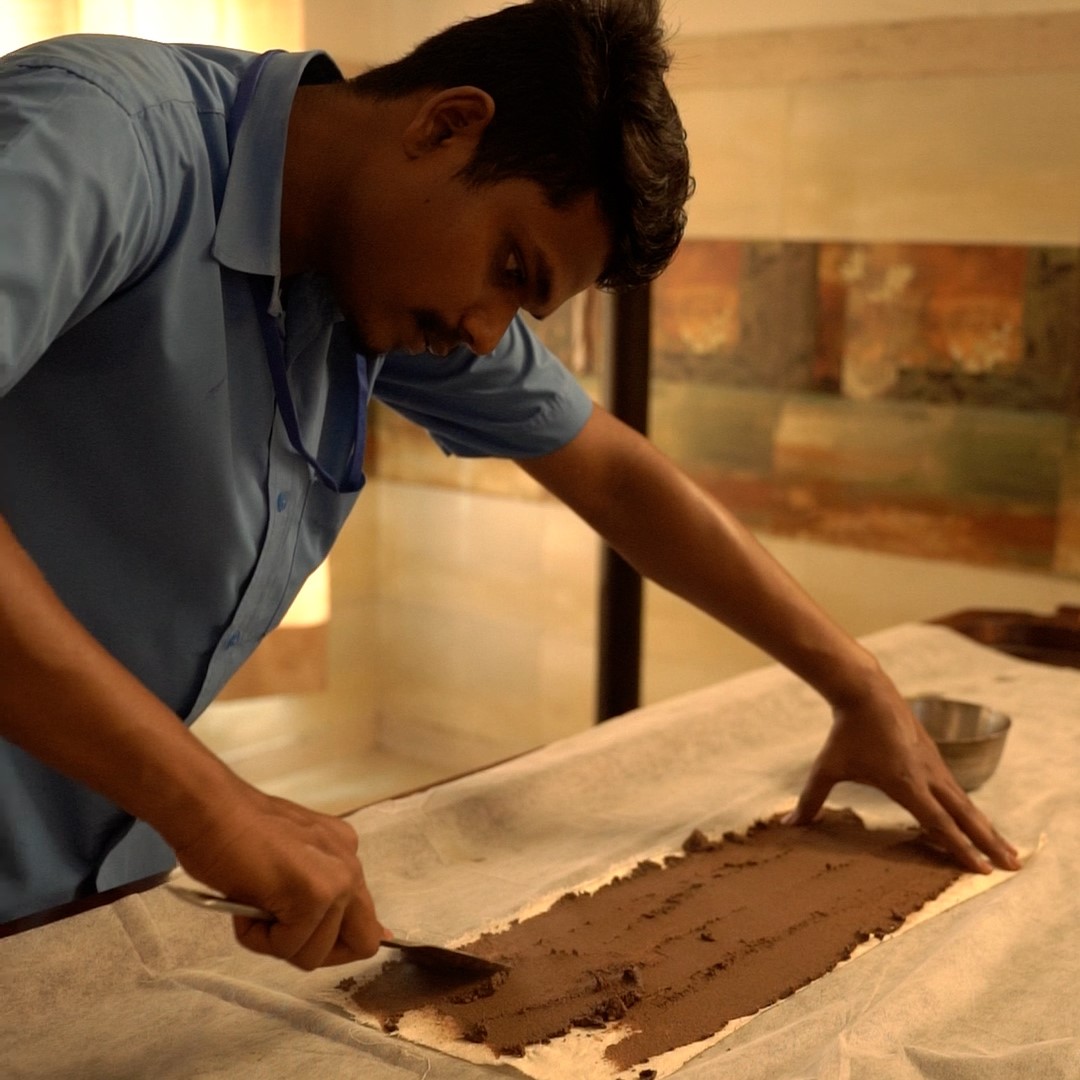
- Nasya Therapy: This therapy is one of the most commonly recommended treatments for respiratory and sinus-related concerns. In this treatment modality, medicated oils or herbs are gently inserted via the nasal passage. Herbs or essential oils such as eucalyptus can be breathed into steamy water to moisturise the respiratory system and remove phlegm.
- Vamana Therapy: This is another important Panchakarma procedure. This is recommended in certain Kapha-dominant respiratory conditions. This was performed under the supervision of an Ayurvedic physician. This therapy works on eliminating the Kapha dosha from the body to relieve mucus and chest congestion.
- Swedana (Medicated Steam Therapy): Used to loosen built-up phlegm in the chest and throat before the main therapies. The herbal strain mobilises mucus so it can be more easily expelled.
- Dhoomapana (Herbal Smoke Therapy): After the primary cleansing, people usually engage in the practice of smoking medicated herbs or herbal resins, which serve to dilate the airways and avoid any more mucus buildup.
The therapies depend on the individual’s condition, symptoms, and overall health. A qualified practitioner carefully evaluates these factors before designing a personalised plan.
Is Panchakarma safe during seasonal allergies?
Seasonal allergies may cause a runny nose, constant sneezing, itchy eyes, and discomfort every time the weather changes. Panchakarma can be safe during seasonal allergies. It is performed under the guidance of a qualified Ayurvedic physician. According to Ayurveda, seasonal changes are a crucial time for body balance.
How does lung detox work in Ayurveda?
Ayurvedic lung detox aims to balance the body’s Kapha dosha (earth and water elements) to remove excess mucus, reduce inflammation, and clear toxins (ama). This is done using herbs, breathing exercises, and targeted cleansing treatments.
To learn how Panchakarma may fit into a personalised Respiratory Disorder wellness plan, explore the Panchakarma Therapy for Respiratory Disorder page. You can also consult an Ayurvedic physician for personalised guidance.
1. Herbal Cleaning and Rejuvenation
Ayurveda relies on specific plants known for their anti-inflammatory, expectorant, and antioxidant properties to clear the airways:
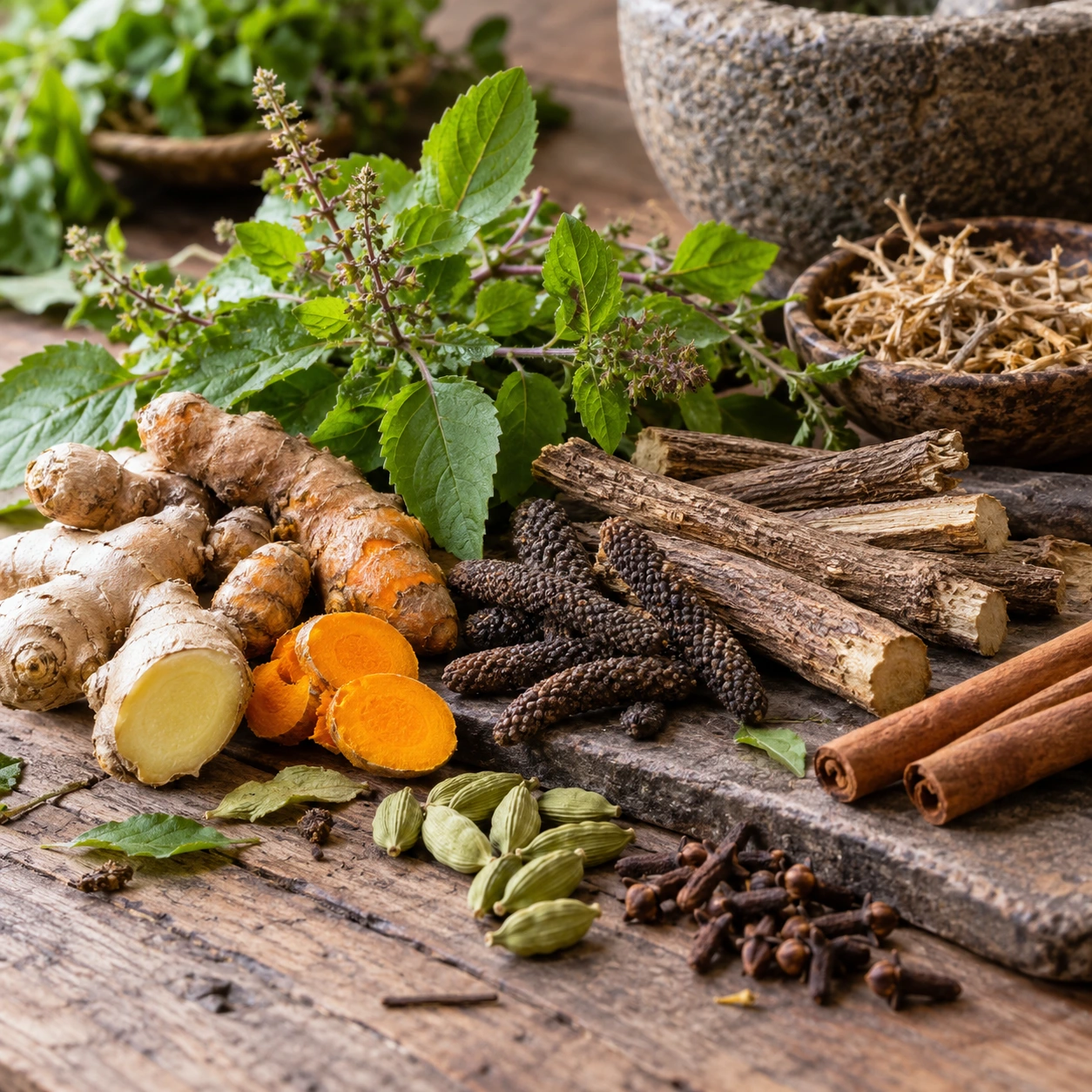
- Tulsi (Holy Basil): Clears nasal passages and strengthens respiratory immunity.
- Mulethi (Licorice Root): Soothes irritated, inflamed airways and helps with coughing.
- Pippali (Long pepper): Breaks down and clears mucus while boosting overall lung capacity.
- Vsaka (Malabar Nut): Acts as a natural bronchodilator to relax the airway during congestion.
2. Yogic Breathing (Pranayama)
Breathing techniques are foundational to Ayurvedic lung purification, as they increase oxygen intake and expel pollutants:
- Anulom Vilom – This yoga balances the nervous system and optimises oxygenation.
- Kapalbhati – This pranayama purifies the respiratory system and enlarges lung capacity.
- Bhastrika – Rapidly clears nasal passages and deep airways.3. Therapies and Lifestyle Practices
Steam Inhalation: Inhaling herbs or essential oils (such as eucalyptus) in warm water moistens the respiratory tract.
- Abhyanga: This includes chest and back massage with warm sesame or mustard oil, which promotes blood circulation and helps release toxins.
- Vamana: This is an Ayurvedic detoxification therapy. This is used to eliminate built-up toxins and pollutants from the respiratory tract.
Who should avoid respiratory Panchakarma therapies?
Panchakarma can help with some breathing problems, but it’s not right for everyone. These detox treatments need to match your health, so always check if they’re safe for you first.
People with severe breathing trouble, infections, fever, or uncontrolled asthma or COPD should avoid intense Panchakarma treatments like Vamana or Nasya—they can make symptoms worse.
Those who should strictly avoid:
- Pregnant Women: The stress put on the abdomen due to pressure and elimination in treatments such as Vamana (purging) is likely to affect the nutrition of the fetus and is, hence, very highly contraindicated.
- Active Infections or Fever: People currently battling illness, acute fevers, or infectious diseases should avoid treatment until their body recovers strength.
- Elderly Individuals: People with severe physical debility, advanced chronic illnesses, or young children often lack the stamina required for these intense cleansing methods.
- Certain Nasal Conditions: Nasya (nasal instillation) should generally be avoided by those experiencing acute sinusitis with active, heavy discharge or certain nasal polyps, as it could worsen localised symptoms.
Conclusion
Respiratory health plays a vital role in overall well-being. Conditions such as asthma, bronchitis, sinus, and allergies can significantly affect daily life. According to Ayurveda, these issues are caused by an imbalance of doshas, especially Kapha, which leads to the accumulation of mucus and blockage in the respiratory channels.
Frequently Asked Questions (FAQs)
1. Can Panchakarma cure asthma permanently?
Panchakarma does not claim to “cure” asthma permanently. It is an Ayurvedic therapy that focuses on managing symptoms, improving respiratory function, and reducing the frequency of discomfort when used alongside medical treatment.
2. Is Panchakarma safe for people with asthma?
Yes, Panchakarma can be safe for people with asthma, but only when it is personalised and conducted by an Ayurvedic practitioner. It is not suitable during acute asthma attacks or severe respiratory distress.
3. How long does Panchakarma take to show results in respiratory issues?
The results vary from person to person depending on the severity of the condition, body constitution, and lifestyle. Some people may feel relief from congestion and breathing within a few sessions, while others may require a complete therapy cycle for noticeable improvements.
4. Can Panchakarma help with seasonal allergies?
Yes, Panchakarma may help manage seasonal allergies by reducing excess Kapha, clearing mucus buildup, and improving immunity. It is often recommended during seasonal transitions for better respiratory balance.
5. What precautions should be taken before starting Panchakarma?
A full medical and Ayurvedic consultation is essential before starting Panchakarma. People with severe illness, pregnancy, fever, or acute infections should avoid these therapies unless advised otherwise by a qualified doctor.