Introduction
Have you ever spent hours lying in bed just to sleep? You wake up several times during the night and struggle to feel refreshed in the morning. If you are facing this problem, you might not be alone. In today’s world, this has become normal because of stress and a busy lifestyle.
Good sleep is mandatory for both physical and mental well-being. According to Ayurveda, sleep (Nidra) is one of the three pillars of a healthy life. When the body’s natural energies, known as Doshas, become imbalanced—especially Vata Dosha—it can disturb the mind and nervous system, making it difficult to fall asleep or enjoy deep, restful sleep.
Panchakarma, Ayurveda’s traditional detoxification and rejuvenation therapy, aims to address the root causes of sleep disturbances rather than simply managing the symptoms. At Vrindavan Ayurveda Chikitsalyam, through personalised cleansing therapies, calming treatments, herbal support, and lifestyle guidance, we restore balance to the body and mind, promoting natural, restorative sleep.
How does Panchakarma Improve Sleep Quality?
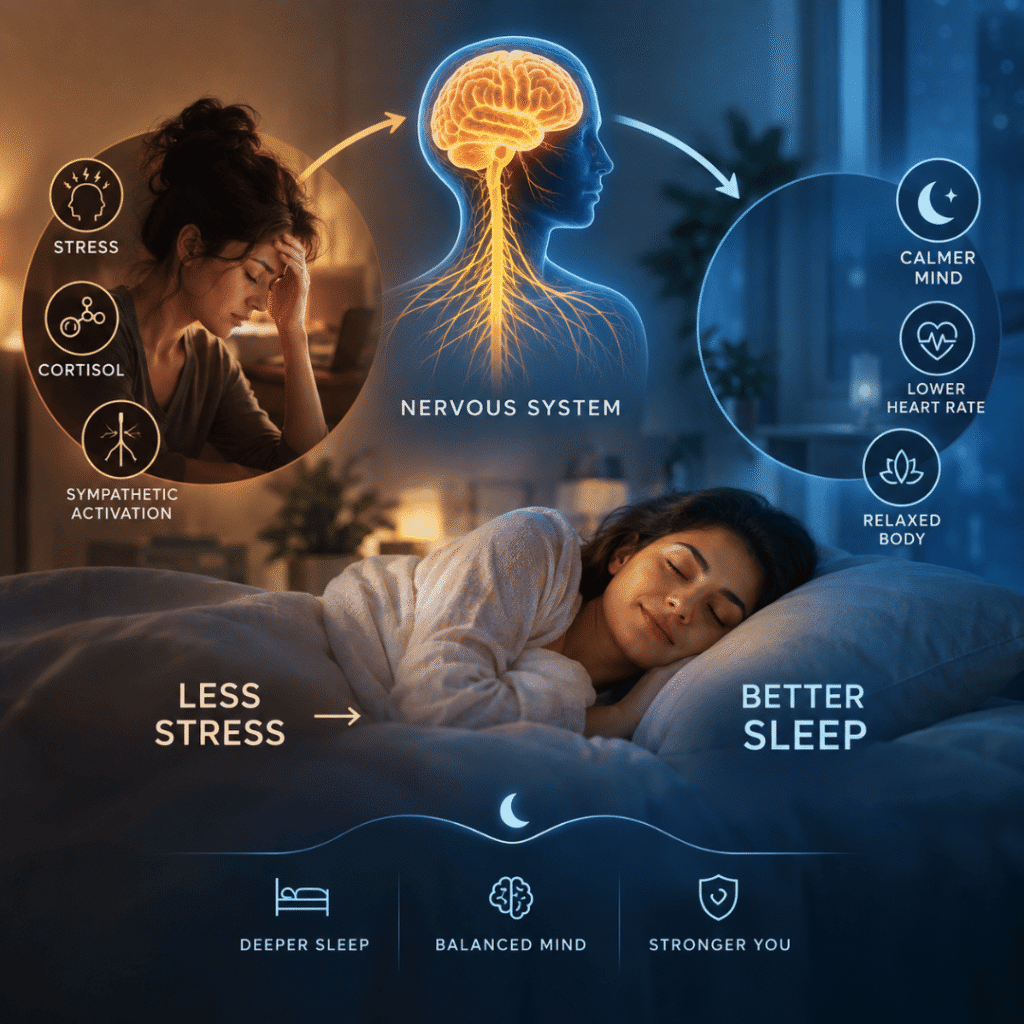
Panchakarma can improve sleep quality by addressing the causes of sleep. According to Ayurveda, insomnia and poor- quality sleep are often linked to an aggravated Vata dosha. Panchakarma works to restore balance in the body and mind, creating the condition for deep, restorative sleep.
- Deep Relaxation of the Nervous System: Panchakarma’s primary way of improving sleep is by calming the nervous system. Therapies such as Shirodhara, in this therapy, warm oil is gently poured onto the forehead, which helps reduce mental stress, anxiety, and overthinking. This treatment promotes a state of deep relaxation, allowing the mind to slow down and prepare naturally for sleep.
- Reduction of Stress and Anxiety: Chronic stress is one of the common causes of insomnia. Panchakarma therapies help to control the level by relaxing the body and mind. Therapies such as Abhyanga (Ayurvedic oil massage) soothe the muscles, improve circulation, and encourage the release of tension, helping individuals feel calmer and more relaxed throughout the day and night.
- Improve Hormonal and Biological Rhythm: Panchakarma may help reduce stress and support overall balance in the body naturally. Many people report falling asleep more easily, experiencing fewer nighttime awakenings, and waking up feeling more refreshed after completing a Panchakarma program.
Which Panchakarma Therapies are used for Insomnia
People struggling with insomnia may find it difficult to fall asleep, wake up frequently during the night, or feel tired even after sleeping.
Various therapies are provided through Panchakarma, which aid in treating the problem of insomnia by bringing balance to the body and mind. The therapies depend on an individual’s constitution (Prakriti), the severity of sleep disturbances, and the underlying dosha imbalance.
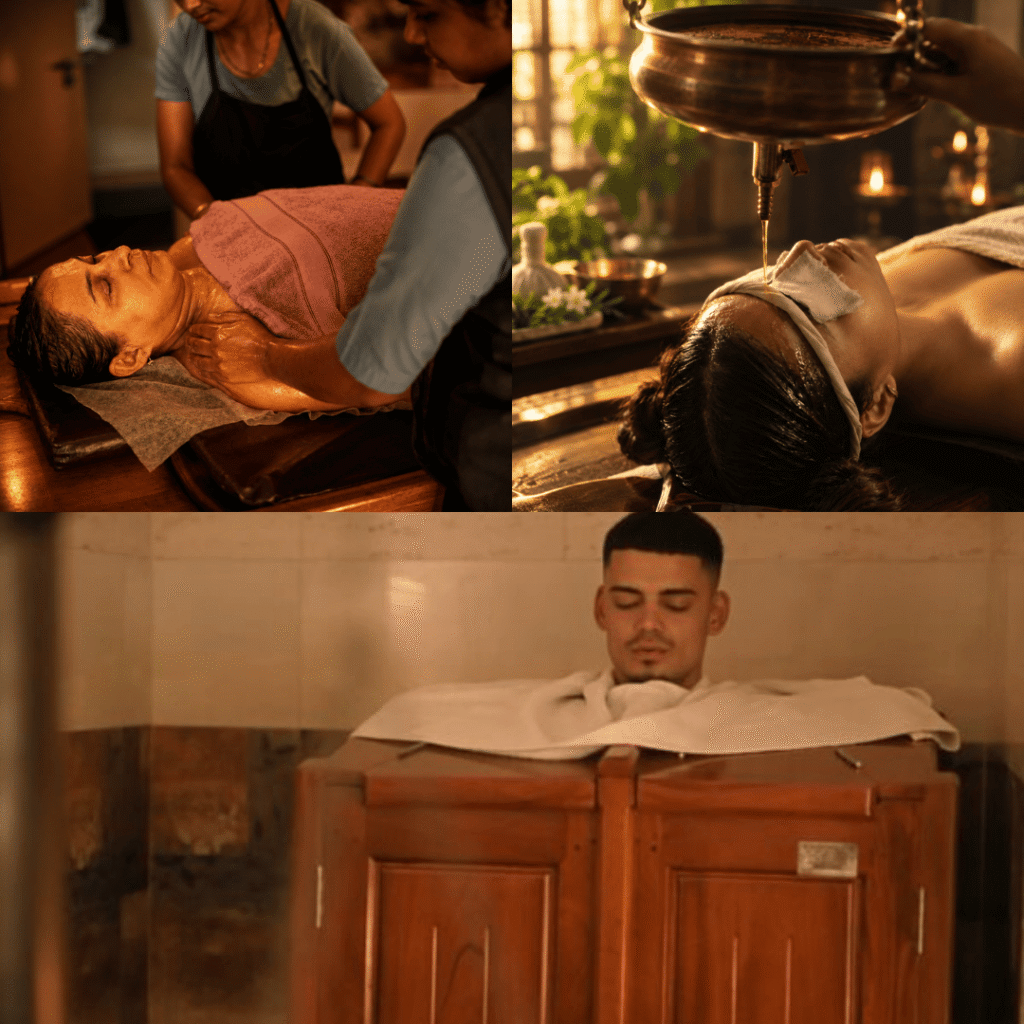
Key therapies for Insomnia:
1. Shirodhara: One of the most commonly recommended Ayurvedic therapies for insomnia is Shirodhara. In this treatment, a continuous stream of warm herbal oil is gently poured over the forehead, particularly the area associated with the “third eye”. This soothing therapy helps calm the nervous system, reduce anxiety, ease mental fatigue, and promote a deep sense of relaxation.
2. Abhyanga (Ayurvedic Oil Massage): Abhyanga is a full-body massage. Practitioners use warm medicated oils selected to address the individual’s dosha imbalance. The slow, rhythmic movements help relax muscles, improve circulation, reduce stress hormones, and calm an overstimulated mind. This treatment is particularly helpful for individuals who have insomnia due to stress and anxiety.
3. Basti (Medicated Enema Therapy): In Ayurveda, Basti is considered one of the most effective therapies for balancing Vata dosha. This is often responsible for restlessness, excessive thinking, and disturbed sleep. Herbal oils or medicated decoctions are applied to the body and rectum to nourish, rejuvenate, and detoxify. Calming Vata and good health of the nervous system will aid in better sleep quality via Basti.
4. Nasya (Nasal Therapy): This therapy involves the administration of medicated herbal oil through the nasal passages. In Ayurveda, this therapy considers the nose to be the gateway to the head and brain. This helps clear mental fog, reduce stress, support brain function, and promote relaxation.
5. Shiro Abhyanga (Head Massage): A treatment head massage with herbal oil will calm down the scalp, neck, and nervous system. This therapy can help in reducing mental stress, headaches, and achieving a relaxing feeling that will prepare the body for sleep.
6. Pada Abhyanga (Foot Massage): Ayurvedic foot massage is traditionally recommended for sleep problems. In this therapy, warm herbal oils are gently massaged into the feet, helping to relax the nervous system, reduce fatigue, and encourage deeper, more restorative sleep.
7. Swedana (Herbal Steam Therapy): This therapy is performed after Abhyanga therapy. This is a mild herbal steam that relaxes muscles, improves circulation, and relieves physical tension. When the body feels relaxed and light, it becomes easier to achieve restful sleep.
How These Therapies Work Together
Rather than treating insomnia as a single symptom, Panchakarma therapies work together to:
- Calm the nervous system
- Reduce stress and anxiety
- Balance Vata dosha
- Remove accumulated toxins (Ama)
- Relax the body and mind
- Support natural sleep cycles
How effective is Panchakarma for Stress- Related Sleep Issues?
Panchakarma can be highly effective for stress- related sleep issues. This focuses on reducing stress at its source while restoring balance to the body and mind. Panchakarma addresses the underlying factors, such as chronic stress, anxiety, mental exhaustion, and nervous system imbalance.
1. Strong Effect on Nervous System Regulation
Stress-related insomnia is often caused by a constantly active “fight-or-flight” state. Panchakarma therapies help shift the body into a “rest-and-digest” mode. Treatments like Shirodhara and Abhyanga (oil massage) are particularly effective because they:
- Calm brain activity and mental restlessness
- Reduce anxiety and emotional tension
- Promote deep relaxation before sleep
This is why many people feel more relaxed and sleep-ready even after the first few sessions.
2. Targets the Root Cause, Not Just Symptoms
Unlike short-term sleep aids, Panchakarma works on deeper causes such as:
- Chronic stress accumulation
- Mental exhaustion
- Hormonal imbalance linked to stress
- Toxin buildup (Ama) affecting the body and mind
By addressing these root factors, improvement in sleep tends to be more natural and long-lasting.
3. Helps Reduce Overthinking and Mental Fatigue
One of the biggest issues in stress-related insomnia is racing thoughts at night. Panchakarma therapies help slow down mental activity, making it easier to:
- Stop overthinking before bedtime
- Feel emotionally settled
- Transition smoothly into sleep
4. Balances Vata Dosha (Key for Sleep Stability)
In Ayurveda, Vata imbalance is the main driver of stress-related sleep issues. When Vata is aggravated, it creates:
- Restlessness
- Light, broken sleep
- Difficulty falling asleep
Therapies like Basti, Shirodhara, and Abhyanga are especially effective in grounding and stabilising Vata, directly improving sleep quality.
5. Noticeable Improvement Timeline
Effectiveness can often be experienced in phases:
- 1–3 sessions: deep relaxation, reduced anxiety
- 1 week: easier sleep onset, less restlessness
- 2–3 weeks: more stable and restorative sleep patterns
6. Overall Effectiveness
For stress-related sleep issues, Panchakarma is often considered:
- Highly effective for mild to moderate insomnia
- Supportive and transformative for chronic stress conditions
- Most effective when combined with lifestyle changes (diet, routine, screen reduction, meditation)
How soon can better sleep be experienced?
The timeline for experiencing better sleep through Panchakarma varies from person to person. It depends on factors such as the severity of insomnia, stress levels, lifestyle habits, body constitution (Prakriti), and how consistently you follow the therapies.
Immediate Effects
- 1–3 Nights: Immediate reduction in next-day grogginess, leading to better focus and fewer lapses in concentration.
- 1 Week: Noticeable mood boosts, including less irritability, reduced stress, and increased energy, as neurotransmitters like serotonin are regulated.
- 2–3 Weeks: Chronic sleep debt begins to resolve. Your immune system strengthens, and sustained improvements in Heart Rate Variability (HRV) take effect.
Factors Affecting Your Timeline
- Sleep Debt: If you have years of accumulated sleep deprivation, it may take several weeks of consistent 7 to 8-hour nights to feel fully restored
- Sleep Hygiene: The timeline accelerates when practising active habits like getting natural sunlight, limiting evening blue light from devices, and avoiding caffeine/alcohol before bed.
- Underlying Conditions: Individuals with sleep disorders (like sleep apnea) or chronic insomnia may require specialised treatment (like CPAP therapy or CBT-I) before experiencing significant relief.
Are medicines required along with therapy?
Most of the time, you don’t need medicines alongside Panchakarma treatment. If the problem is minor to moderate and is due primarily to anxiety, tension, or imbalance in lifestyle. Panchakarma is a holistic process of detoxification and revitalisation therapies, oils, diet regulation, and lifestyle modification.
Medicines Are Not Required
For many people with stress-related sleep issues, Panchakarma alone is sufficient because it:
- Calms the nervous system naturally
- Reduces mental stress and anxiety
- Balances Vata dosha (main cause of insomnia in Ayurveda)
- Improves sleep without chemical support
In such cases, therapies like Shirodhara, Abhyanga, Nasya, and Basti are often enough to bring noticeable improvement.
Medicines May Be Recommended
In some cases, Ayurvedic doctors may prescribe mild herbal medicines along with therapy, such as when:
- Insomnia is chronic or long-standing
- Anxiety or depression symptoms are strong
- The nervous system is highly disturbed
- The body needs deeper internal correction
These medicines are usually natural herbal formulations, not habit-forming drugs, and are used to support the therapy process—not replace it.
Conclusion
If sleepless nights have become a regular part of your life. Panchakarma may offer a natural and holistic path toward better rest. By addressing the root causes of imbalance rather than simply masking symptoms, Ayurveda helps support long-term sleep and overall well-being. With proper guidance and personalised care, restful nights may be closer than you think.
Through therapies such as Shirodhara, Abhyanga, Basti, Nasya, and other rejuvenating treatments. Panchakarma helps calm the nervous system, reduce stress, balance Vata dosha, and support the body’s natural sleep cycle. With personalised treatment, proper diet, and healthy lifestyle practices, many individuals experience deeper, more restorative sleep and improved overall wellness.
At Vrindavan Ayurveda Chikitsalyam, Panchakarma programs are tailored to each individual’s unique needs, helping them achieve lasting balance, relaxation, and better sleep naturally.
Frequently Asked Questions (FAQs)
1. Can Panchakarma completely cure insomnia?
Panchakarma can be very helpful in improving sleep and managing insomnia, especially when it is linked to stress, anxiety, or an imbalance of Vata Dosha. While many people experience significant relief, the results vary from person to person depending on the underlying cause and how long the sleep problem has existed.
2. How many Panchakarma sessions are needed to improve sleep?
No fixed number of sessions works for everyone. Some people feel calmer and notice better sleep after just a few treatments. Others with long-term sleep issues may need a more comprehensive treatment plan. An Ayurvedic physician can recommend the most suitable course based on your condition.
3. Which Panchakarma therapy is best for insomnia?
Shirodhara is often considered one of the most beneficial Ayurvedic therapies for sleep disorders. It helps calm the mind and relax the nervous system. Depending on your health condition and dosha imbalance, therapies such as Abhyanga, Basti, Nasya, or Pada Abhyanga may be recommended.
4. Is Panchakarma safe for people with long-term sleep problems?
Yes, Panchakarma is generally safe when performed under the supervision of qualified Ayurvedic practitioners. It focuses on restoring balance within the body and mind, making it a supportive option for individuals dealing with chronic sleep disturbances.
5. Are there any side effects of Panchakarma for sleep disorders?
Most people tolerate Panchakarma therapies very well. During the cleansing process, some individuals may experience temporary tiredness or mild detoxification symptoms as the body adjusts. These effects are usually short-lived and are often considered part of the healing process.
6. Can Panchakarma help with anxiety-related insomnia?
Absolutely. Since Panchakarma aims to calm the nervous system and reduce mental stress, it can be particularly beneficial for people whose sleep problems are linked to anxiety, emotional stress, or an overactive mind. Many individuals report feeling more relaxed, balanced, and able to sleep more peacefully after treatment.