At Vrindavan Ayurveda Chikitsalayam (VVAC), we believe that recovery after a stroke requires a holistic and personalised approach. Panchakarma therapy helps stroke recovery by supporting neural health, boosting circulation, and fortifying weak muscles.
Ayurveda supports you with Panchakarma therapy. Panchakarma is a set of treatments that brings your body back into balance, supports nerve health, and helps you heal overall. Many stroke survivors add Panchakarma to their regular rehab to help them feel better and improve their quality of life.
In this blog, we will explore how Panchakarma can aid recovery after a stroke, when to begin it, and which treatments may help with movement, strength, speech, and coordination.
Understanding Stroke in Ayurveda
In Ayurveda, it’s called Pakshaghata Vata the problem — well, not the only problem, but a big one. Vata does movement and nerves and all that. When it gets out of whack, things go wrong, like muscles and nerves and stuff. You see symptoms. Weakness on one side. Can’t move. Can’t talk right.
Does Vata really control all that? Yes, it does. The goal is to calm it down. Nourish the nerves, too. Help the body recover slowly, not fast. Ayurvedic treatment is all about that. Calming Vata, helping nerves – it’s a process.
Panchakarma Therapy for Stroke at VVAC
Vrindavan Ayurveda Chikitsalaya offers Ayurvedic Panchakarma treatments for stroke patients, which help detoxify the body and promote recovery. After a stroke, the body becomes weak, affecting mobility and nerve function.
Panchakarma treatments at VVAC aim to:
- Remove toxins from the body
- Support the nervous system
- Improve blood circulation
- Strengthen muscles
At Vrindavan Ayurveda Chikitsalayam, we concentrate on helping stroke patients during their crucial recovery phase. We do this with a thorough rehab plan that blends Panchakarma therapies, physiotherapy, and other supportive treatments to boost both speed and effectiveness in getting better.
Our approach centres on fixing digestion, boosting the body, and aiding nervous system health, which we think are key to real balance. Combining Ayurveda with modern methods lets us not only assist in healing but also decrease the chances of another stroke and generally enhance the patient’s quality of life.
With hardworking teams and tailored care, we aim to help folks become mobile and self-reliant once more, plus regain their confidence.
How does Panchkarma support recovery?
Panchkarma supports stroke recovery by addressing the root cause. Ayurveda identifies a severe imbalance of the Vata dosha. Vata dosha is an element that governs all movement, circulation, and physical symptoms. Panchakarma utilises a holistic healing process that rehabilitates the body, mind, and spirit.
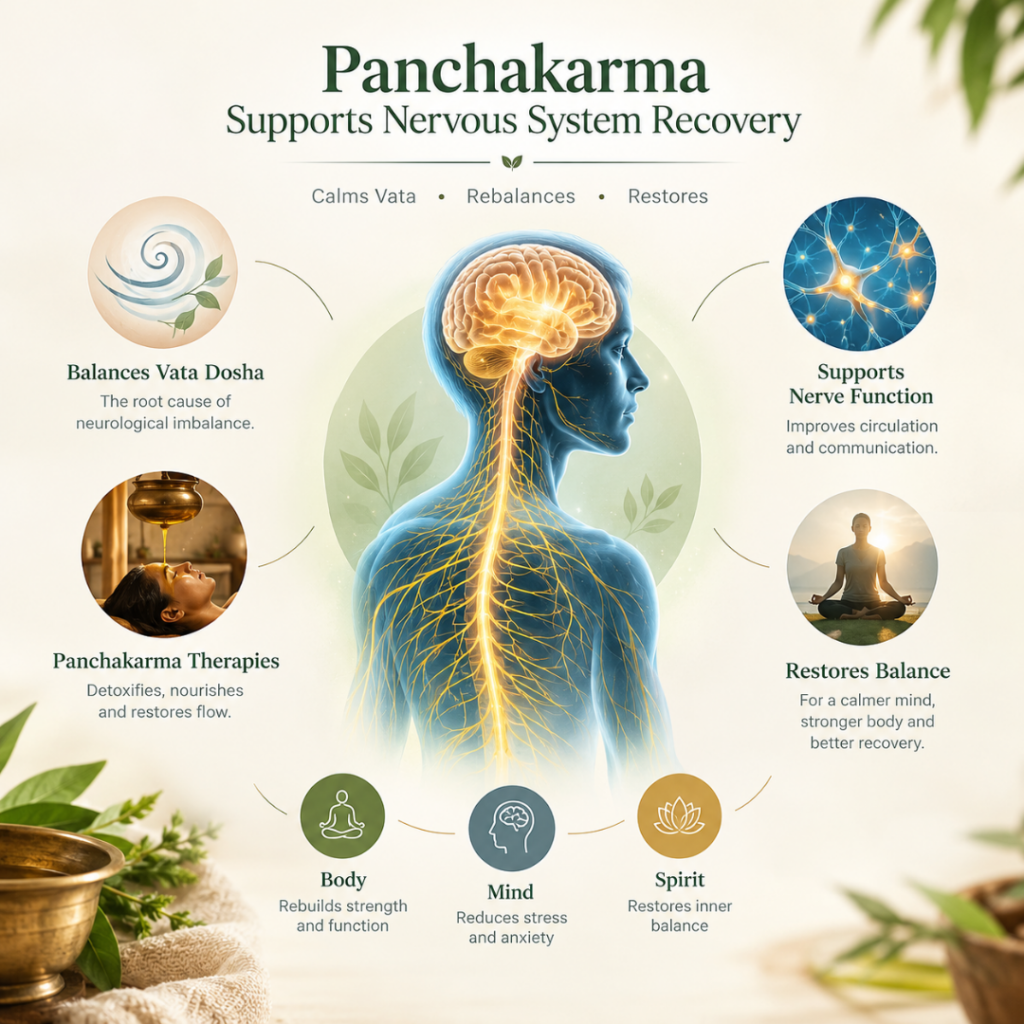
The therapy accelerates recovery through several foundational mechanisms:
Systemic Detoxification and Clearing Channels: A stroke often involves the obstruction of the body’s channels (Srotas). Panchakarma procedures are designed to remove accumulated toxins (Ama) and clear these blockages.
Foundational therapies like Snehana (oleation) and Swedana soften the body, break down morbidly adhered materials in the tissues, and liquefy vitiated doshas so they can be eliminated from the body.
Neuroregeneration and Synaptic Reactivation: Panchakarma actively works to nourish and repair depleted nervous tissue. Treatments such as Abhyanga promote synaptic reactivation and relieve muscular stiffness.
Additionally, Nasya provides direct access to the cranial vault to stimulate higher neurological centres, which is highly beneficial for sensory impairment and facial paralysis.
Direct Regulation of Vata: Basti Chikitsa is considered the most effective Panchakarma treatment for managing Vata disorders like stroke. Administering oil or decoction enemas directly regulates Vata, eliminates morbidities, deeply nourishes the nervous system, and facilitates tissue regeneration.
Enhancing Circulation and Muscle Strength: To counteract paralysis and muscle flaccidity, Panchakarma therapies restore proper blood flow to affected areas.
Procedures like a continuous warm oil bath and medicated rice bolus massage stimulate the nervous system, increase peripheral circulation, and directly nourish weakened muscles and nerve endings.
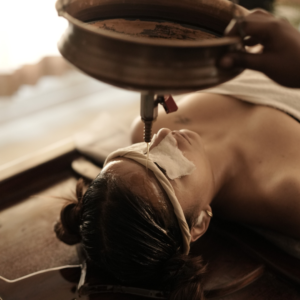
Mental Calming and Cognitive Support: Stroke recovery depends on emotional and mental well-being. Therapies such as Shirodhara (streaming medicated liquids over the forehead) calm the mind, nurture brain cells, relieve anxiety, and improve overall brain activity.
When can Panchakarma be started after a stroke?
Panchakarma should be started after the patient is medically stable and under the guidance of qualified healthcare professionals.
In general:
- During the acute phase immediately after a stroke, emergency medical treatment is the priority.
- Panchakarma is usually considered during the rehabilitation phase.
- The exact timing depends on the patient’s condition, age, strength, and the doctor’s recommendation.
An experienced Ayurvedic physician evaluates the patient before designing a personalised treatment plan.
Which Panchakarma Therapies Improve Mobility and Strength?
To improve mobility, build muscle strength, and restore coordination after a stroke. Ayurveda utilises specific external treatments, internal herbal formulations, and integrated exercises.
Here are the primary therapies used:
External Panchakarma Therapies
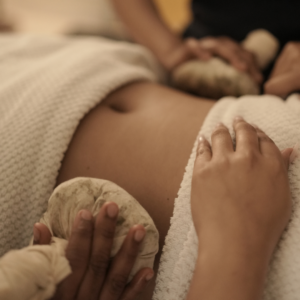
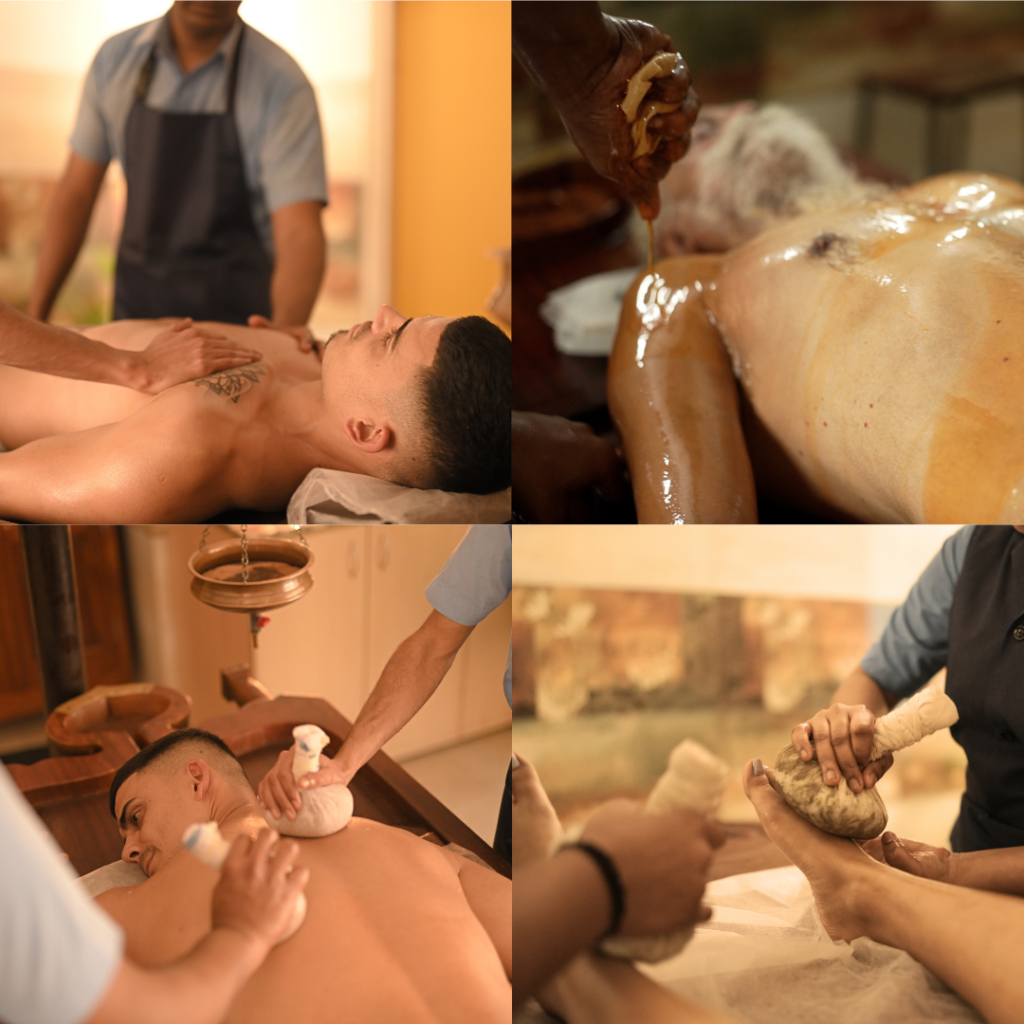
- Sashtika Pinda Sweda (Medicated Rice Bolus Massage): This therapy involves massaging the body with warm boluses of medicated rice. It provides direct nourishment to the muscles and nerve endings. Strengthens weakened muscles, improves muscle tone, and helps restore physical balance.
- Abhyanga (Therapeutic Oil Massage): A full-body massage using warm, medicated oils that eases muscular stiffness, increases joint flexibility, and directly boosts mobility.
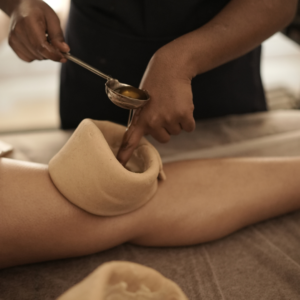
- Pizhichil (Continuous Oil Bath): This procedure involves continuously pouring warm medicated oil over the body while simultaneously massaging it.
It stimulates the neuromuscular system, increases peripheral blood circulation, and provides deep nourishment to the tissues. It is specifically indicated for neuromuscular disorders like hemiplegia and paraplegia. - Ela Kizhi (Leaf Bolus Massage): This targeted massage uses boluses of medicinal leaves to effectively reduce inflammation and increase local circulation, which specifically addresses joint stiffness and poor physical coordination.
- Anna Lepa (Rice Paste Application): The application of a lukewarm medicated rice paste all over the body provides nourishment to the muscles and nerve endings. It is beneficial for patients experiencing hemiplegia, paraplegia, and states of weakened tissue.
Internal Herbal Formulations
- Specific Ayurvedic herbs like Bala (Sida cordifolia) and Dashamoola are administered internally to tonify muscles, reduce spasticity, and facilitate the recovery of movement.
Complementary Physical Therapies
- Yoga Asanas: Specific yoga postures practised under expert guidance, such as Bhujangasana, Trikonasana, and Pawanmuktasana, enhance muscle strength, flexibility, and proprioception (body awareness).
- Physiotherapy: The sources highly recommend an integrated approach. Modern physiotherapy complements Ayurvedic treatments by retraining motor pathways, improving reflexes, and restoring postural control to help patients regain independence faster
Can Panchakarma Help Speech and Coordination?
Yes, Panchakarma, along with many other techniques used by Ayurveda, offers a treatment solution to patients who have lost their ability to speak due to a stroke (Vak Stambha – speech arrest according to Ayurveda).
Therapies for Speech Recovery:
- Nasya: Administration of oil through the nose gives direct access to the cranial vault and stimulation of higher neurological centres. This therapy is mentioned specifically as particularly effective for treating speech arrest and facial paralysis.
- Kavala: Gargling with medicated oils restores local nerve impulses and aids in restoring speech functions.
- Shirodhara: Flowing constantly from the forehead, medicated oils or liquids have a calming influence on mental activity, promote healthy growth of brain cells, and reduce anxiety.
- Internal Medication: Neuro-restorative herbs are consumed to have a direct impact. It improves speech functions and the nervous system.
Improving Coordination Therapies:
- Ela Kizhi: This specialised massage with warm boluses of medicinal leaves reduces local swelling and improves circulation in the area. It is targeted at improving poor physical coordination and stiff joints.
- Herbal Internal Treatment: Plants such as Ashwagandha are employed internally to help develop neuromuscular coordination as well as to facilitate the healing of damaged nerve cells.
- Combination Physical Treatment: To gain the maximum recovery from neuromuscular coordination, Ayurveda highly advises combining Panchakarma therapy with physiotherapy and Yoga.
Through proper Yoga asanas, the body can be improved, while physiotherapy works by restoring motor skills.
How Long Does Post-Stroke Panchakarma Treatment Take?
The period involved in post-stroke Panchakarma rehabilitation largely depends on how severe the stroke case is and what the recovery targets are.
When considering the timeline involved in these sessions, consider the following details as far as treatment duration goes:
Rehabilitation Period: For stroke rehabilitation through an integrated program, patients are advised to plan on an inpatient treatment program that may last 2 to 4 weeks
Therapy Duration: Specific treatments like Dhara (liquid streaming), Kayaseka (oil bathing), and Sashtika Pinda Sweda (rice massage) are provided at a consistent period of either 7, 14, or 21 days
Daily Session Time: For these sessions, each day’s therapy normally takes up to either 48 minutes or 1.5 hours
Conclusion
The process of stroke recovery entails a whole-body approach, both physically and psychologically. The technique of Panchakarma provides a holistic approach. It might help promote movement, muscle building, coordination, relaxation, and healing.
With medical treatments, physiotherapy, speech therapy, and other habits in life, panchakarma will make its way into being a critical component of the process of recovery after a stroke.
Frequently Asked Questions (FAQs)
1. Is Panchakarma a cure for stroke?
No. Panchakarma is not a cure for stroke. It is a supportive therapy that may help improve recovery and quality of life.
2. Can Panchakarma be taken along with modern medical treatment?
Yes. It is often used as a complementary therapy alongside conventional medical care and rehabilitation.
3. Which Panchakarma therapy is best for stroke recovery?
The choice depends on the patient’s condition. Commonly used therapies include Abhyanga, Swedana, Basti, Pizhichil, and Shirodhara.
4. How soon can Panchakarma start after a stroke?
It should only begin after the patient is medically stable and with approval from healthcare professionals.
5. Can Panchakarma improve muscle strength?
It may help improve circulation, reduce stiffness, and support muscle recovery when combined with rehabilitation exercises.
6. Can Panchakarma help with speech problems after a stroke
It may support nervous system function and overall recovery, but speech therapy remains essential for speech rehabilitation.
References
Lived Experiences of Stroke Survivors Undergoing Ayurvedic Rehabilitation Therapy in India– In 2020, research showed that patients gained more than just self-efficacy; they benefited from healthier behaviours and better emotions too. Ayurvedic treatment and the supportive atmosphere at the facility were big pluses. However, the study was based on what patients experienced and felt personally.
A prospective study on the effects of Ayurvedic massage in post-stroke patients– In 2019, a research article showed that Ayurvedic massage, alongside regular physiotherapy, helped post-stroke patients more than just physiotherapy alone. Patients got up with less help, walked better when they left the hospital, and needed fewer spasticity meds. Researchers figure that this type of massage speeds up recovery for folks dealing with post-stroke muscle weakness.