Introduction
Stress has become a common part of modern life. Long working hours, constant screen time, lack of rest, and daily responsibilities can leave both mind and body exhausted.
While temporary stress is normal, chronic stress can affect sleep, digestion, immunity, mood, and overall well-being.
According to Ayurveda, stress is often linked to an imbalance in the body’s natural energies, especially Vata Dosha, which governs the nervous system and mental activity. When Vata becomes aggravated, it can lead to anxiety, restlessness, overthinking, and difficulty relaxing.
How does Panchakarma reduce stress?
Panchakarma reduces stress by calming the nervous system, lowering cortisol levels, and eliminating physical toxins that cause fatigue. Specialised Ayurvedic treatments like warm oil massages and forehead streams trigger deep relaxation, bringing the body’s doshas—especially Vata, which governs the nervous system—back into balance.
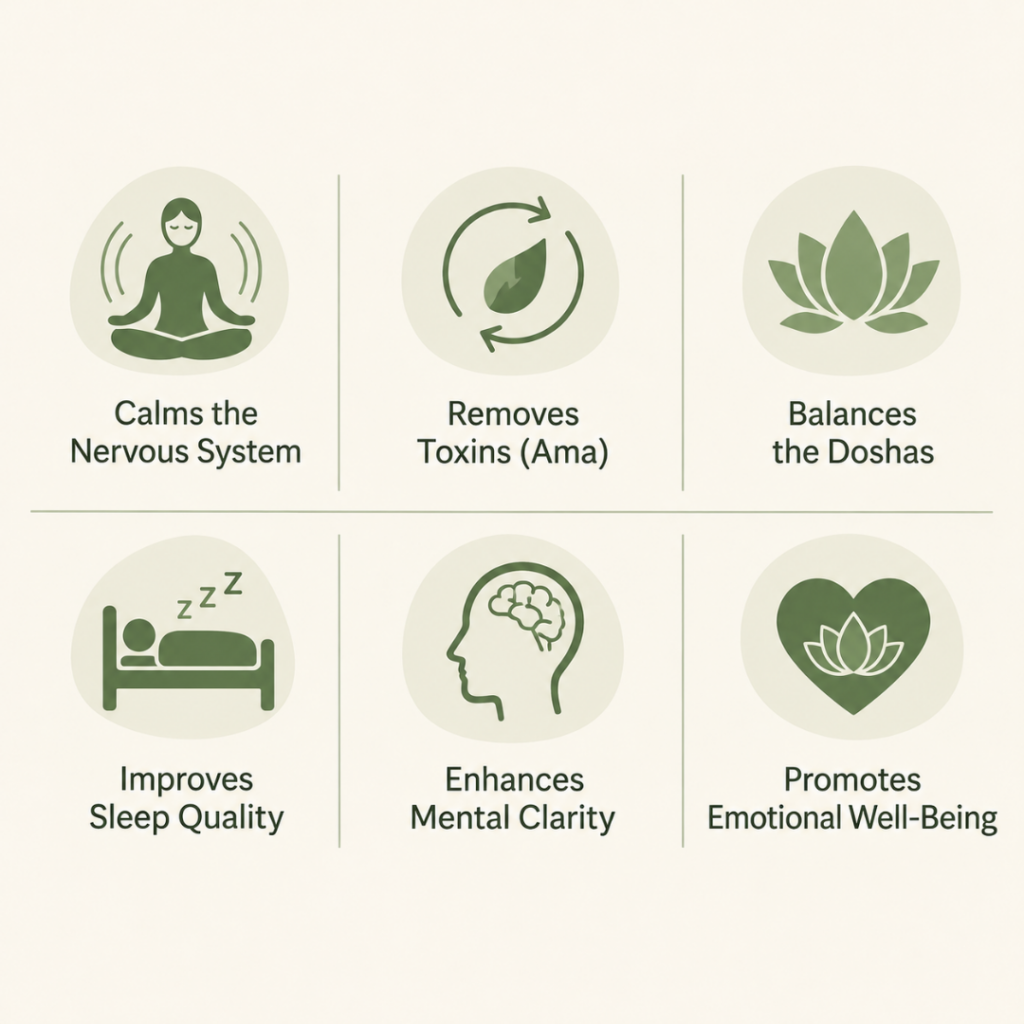
1. Calms the Nervous System
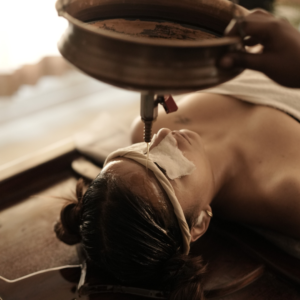
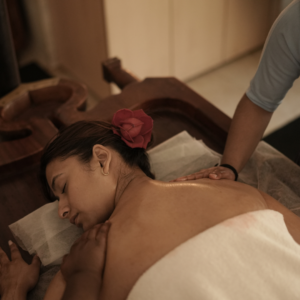
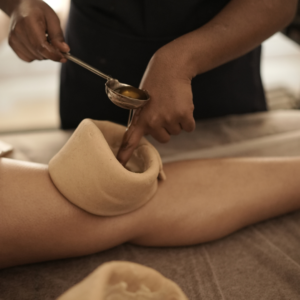
Many Panchakarma therapies involve warm herbal oils that are gently applied to the body. Treatments such as Abhyanga (Ayurvedic oil massage) and Shirodhara help relax the nervous system, reduce mental tension, and promote a deep sense of calm.
2. Removes Accumulated Toxins (Ama)
Ayurveda believes that toxins, known as Ama, can accumulate in the body due to poor digestion, unhealthy lifestyle habits, and prolonged stress.
Panchakarma helps eliminate these toxins, allowing the body’s natural healing mechanisms to function more efficiently.
3. Balances the Doshas
Stress can disturb the balance of Vata, Pitta, and Kapha doshas. Panchakarma therapies are personalized to restore this balance, helping individuals feel more emotionally stable, energetic, and mentally clear.
4. Improves Sleep Quality
Stress and poor sleep often go hand in hand. By relaxing the mind and reducing nervous system overload, Panchakarma can help improve sleep patterns, allowing the body and mind to recover naturally.
5. Enhances Mental Clarity
When the body is detoxified and the mind is relaxed, many people experience improved concentration, better decision-making, and greater emotional resilience.
This can make it easier to cope with daily challenges without feeling overwhelmed.
6. Promotes Emotional Well-Being
Panchakarma is not only a physical detoxification process but also a holistic healing approach. The therapies, herbal preparations, dietary guidance, and relaxation techniques work together to create a sense of emotional balance and inner peace.
Can Panchakarma Help Lifestyle-Related Health Issues?
Yes, Panchakarma can be beneficial for managing many lifestyle-related health concerns. Modern lifestyles often involve long hours of sitting, irregular eating habits, poor sleep, stress, and limited physical activity.
Over time, these habits can affect the body’s natural balance and contribute to various health problems.
According to Ayurveda, unhealthy lifestyle patterns can lead to the accumulation of toxins (Ama) and disturbances in the body’s doshas (Vata, Pitta, and Kapha).
Panchakarma is designed to remove these toxins, restore balance, and support the body’s natural healing processes.
How Panchakarma Supports Lifestyle-Related Health Issues
1. Reduces Stress and Mental Fatigue
Chronic stress can affect both physical and mental health. Panchakarma therapies help calm the nervous system, promote relaxation, and support emotional well-being.
2. Improves Digestive Health
Irregular meals, processed foods, and stress can weaken digestion. Panchakarma helps improve digestive function, which is considered a key foundation of health in Ayurveda.
3. Supports Better Sleep
Many people with demanding lifestyles experience sleep disturbances. Panchakarma therapies can help relax the body and mind, promoting healthier sleep patterns.
4. Enhances Energy Levels
When toxins accumulate and the body becomes imbalanced, fatigue and low energy may occur. Panchakarma aims to rejuvenate the body, helping individuals feel more refreshed and energetic.
5. Helps Maintain Healthy Weight Management
By improving digestion, metabolism, and overall balance, Panchakarma may support healthy weight management when combined with proper diet and lifestyle habits.
6. Promotes Overall Wellness
Beyond addressing specific concerns, Panchakarma encourages a healthier lifestyle through personalized dietary recommendations, daily routines, and self-care practices.
Is Panchakarma Useful for Burnout and Fatigue?
Yes, Panchakarma can be helpful for individuals experiencing burnout and persistent fatigue, especially when these issues are linked to chronic stress, mental exhaustion, poor sleep, or an imbalanced lifestyle.
Rather than providing a temporary boost in energy, Panchakarma aims to address the underlying factors that contribute to physical and emotional exhaustion.
In Ayurveda, burnout and fatigue are often associated with an imbalance of Vata Dosha, depleted energy reserves, weakened digestion, and the accumulation of toxins (Ama) in the body.
Panchakarma helps restore balance through detoxification, rejuvenation therapies, and personalised lifestyle guidance.
How Panchakarma Helps with Burnout and Fatigue
1. Reduces Stress and Mental Exhaustion
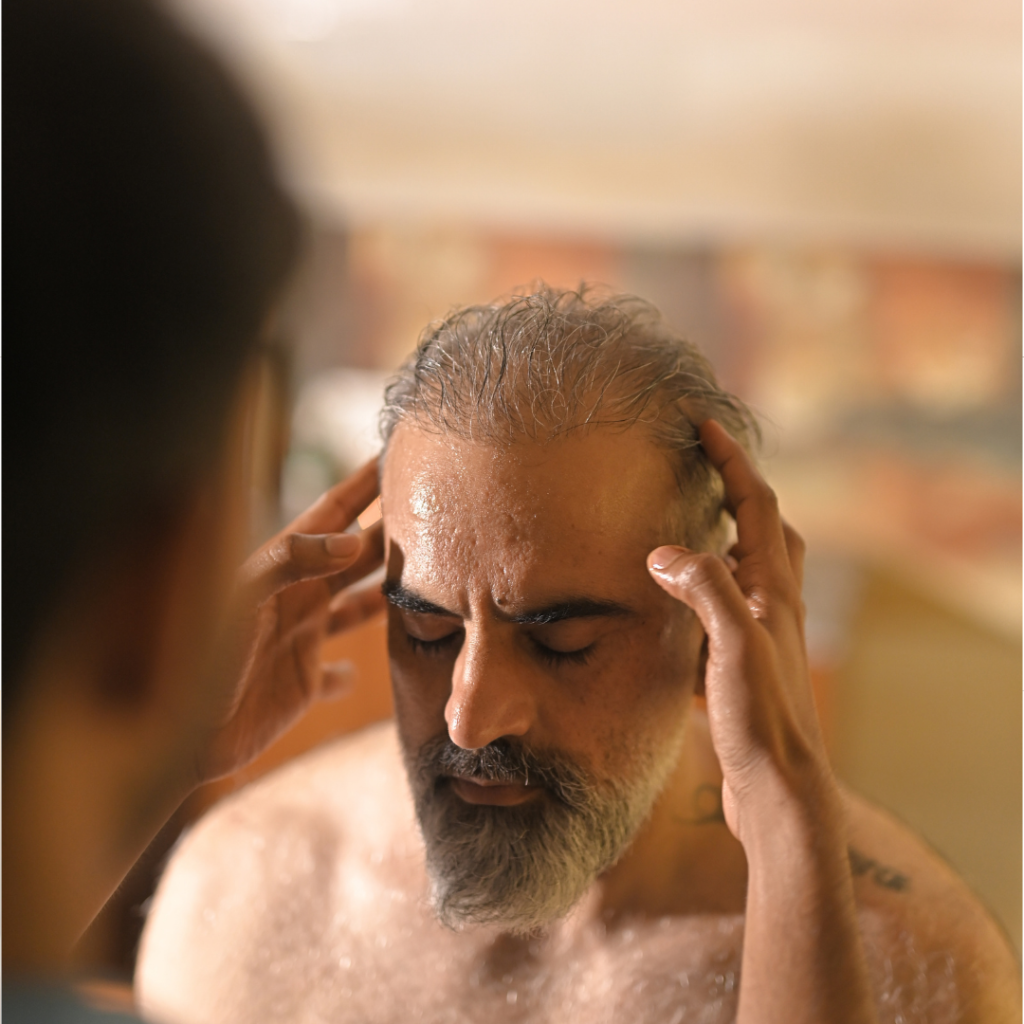
Therapies such as Abhyanga (Ayurvedic oil massage) and Shirodhara help calm the nervous system, reduce mental tension, and promote deep relaxation. This can be particularly beneficial for people who feel emotionally drained or overwhelmed.
2. Improves Sleep Quality
Burnout is often accompanied by poor sleep or insomnia. Panchakarma therapies help relax the body and mind, supporting healthier sleep patterns and allowing the body to recover more effectively.
3. Removes Accumulated Toxins (Ama)
According to Ayurveda, toxins can accumulate due to stress, poor digestion, and unhealthy lifestyle habits. Panchakarma helps eliminate these toxins, which may contribute to improved vitality and overall well-being.
4. Enhances Energy and Vitality
By improving digestion, circulation, and metabolic function, Panchakarma supports the body’s natural energy production and helps reduce feelings of sluggishness and fatigue.
5. Restores Mind-Body Balance
Burnout affects both physical and emotional health. Panchakarma takes a holistic approach by addressing imbalances in the body and mind, helping individuals regain a sense of balance, clarity, and resilience.
6. Supports Long-Term Wellness
In addition to therapies, Panchakarma often includes personalized dietary recommendations and lifestyle practices that help prevent future burnout and support sustained energy levels.
How Does Mental Detox Work in Ayurveda?
In Ayurveda, mental detox is the process of clearing accumulated stress, negative emotions, mental clutter, and emotional toxins that can disturb the mind’s natural balance.
Just as the body can accumulate physical toxins (Ama), the mind can also become burdened by excessive worry, anxiety, anger, fear, and overstimulation from daily life.
Ayurveda believes that a healthy mind is essential for overall well-being. When the mind is overloaded, it can affect sleep, concentration, emotional stability, digestion, and even physical health. Mental detox aims to restore clarity, calmness, and emotional balance.
How Ayurveda Approaches Mental Detox
1. Calming the Nervous System
Ayurvedic therapies such as Abhyanga (warm oil massage) and Shirodhara (a gentle stream of warm herbal oil poured on the forehead) help relax the nervous system and reduce mental tension. These therapies encourage deep relaxation and help quiet an overactive mind.
2. Removing Physical Toxins
Ayurveda recognises a strong connection between the body and mind. Panchakarma therapies help remove accumulated toxins (Ama) from the body, which may indirectly support mental clarity and emotional well-being.
3. Balancing the Doshas
Mental disturbances are often linked to imbalances in Vata, Pitta, or Kapha doshas. For example:
- Excess Vata may cause anxiety, fear, and restlessness.
- Excess Pitta may lead to irritability, anger, and frustration.
- Excess Kapha may contribute to mental heaviness, lack of motivation, and emotional stagnation.
Ayurvedic treatments are tailored to restore doshic balance and support emotional stability.
4. Supporting Better Sleep
Quality sleep is considered one of the most important forms of mental rejuvenation. Mental detox therapies often improve sleep patterns, allowing the brain and nervous system to recover naturally.
5. Promoting Mindfulness and Emotional Release
Ayurveda encourages practices such as meditation, pranayama (breathing exercises), yoga, and self-reflection. These practices help release emotional tension, improve self-awareness, and cultivate a calmer state of mind.
6. Nourishing the Mind Through Diet and Herbs
Ayurveda recommends a sattvic diet—fresh, wholesome foods that promote clarity and calmness. Certain Ayurvedic herbs may also be used traditionally to support relaxation, focus, and emotional balance under professional guidance.
Who Benefits Most from Stress Management Panchakarma?
Stress management Panchakarma can benefit a wide range of individuals who experience physical, mental, or emotional strain in their daily lives.
It is particularly helpful for people whose health and well-being are being affected by chronic stress, anxiety, poor sleep, or mental fatigue.
Ayurveda views stress as an imbalance that can disturb both the mind and body. Panchakarma therapies aim to restore this balance through detoxification, relaxation, and rejuvenation, making them suitable for individuals seeking a natural and holistic approach to stress management.
People Who May Benefit Most from Stress Management Panchakarma
1. Professionals with High-Stress Jobs
People working in demanding environments often face constant pressure, tight deadlines, and long working hours. Panchakarma can help reduce mental fatigue, improve relaxation, and support emotional well-being.
2. Individuals Experiencing Burnout
Those who feel physically exhausted, emotionally drained, and mentally overwhelmed may benefit from Panchakarma’s restorative and rejuvenating therapies.
3. People with Stress-Related Sleep Problems
Chronic stress often interferes with sleep quality. Panchakarma therapies help calm the nervous system, which may promote deeper and more restful sleep.
4. Individuals with Anxiety and Restlessness
People who frequently experience overthinking, nervousness, or difficulty relaxing may find Panchakarma beneficial for promoting mental calmness and emotional balance.
5. Students and Working Professionals Facing Mental Pressure
Academic demands, examinations, career challenges, and constant multitasking can lead to mental stress. Panchakarma may help improve focus, relaxation, and overall mental clarity.
6. Individuals Seeking Preventive Wellness Care
Even those without major health concerns can undergo Panchakarma as part of a wellness routine to manage stress, maintain balance, and support overall health.
7. People Recovering from Emotional Strain
Individuals dealing with prolonged emotional stress, lifestyle changes, or periods of mental exhaustion may benefit from the calming and rejuvenating effects of Panchakarma therapies.
Conclusion
In today’s fast-paced world, stress has become a common challenge that affects both physical and mental well-being. Panchakarma offers a holistic Ayurvedic approach to stress management. It helps the body eliminate toxins, restore dosha balance, and calm the nervous system.
Through personalized therapies, relaxation techniques, and lifestyle guidance, Panchakarma addresses the root causes of stress.
Panchakarma can be a valuable tool for individuals seeking a natural and sustainable way to manage stress and improve their quality of life.
Frequently Asked Questions (FAQ)
1. How does Panchakarma help reduce stress?
Panchakarma reduces stress by calming the nervous system, removing accumulated toxins (Ama), balancing the doshas, and promoting deep relaxation through specialized Ayurvedic therapies.
2. Who should consider Stress Management Panchakarma?
Individuals experiencing chronic stress, anxiety, burnout, mental fatigue, sleep disturbances, or emotional exhaustion may benefit from stress management Panchakarma.
3. Which Panchakarma therapies are commonly used for stress relief?
Therapies such as Abhyanga (Ayurvedic oil massage), Shirodhara, Nasya, and herbal steam treatments are often recommended to promote relaxation and mental well-being.
4. Can Panchakarma improve sleep quality?
Yes. By reducing stress and calming the mind, Panchakarma can help improve sleep quality and support healthier sleep patterns.
5. How long does it take to see results from Panchakarma for stress management?
The experience depends on the person. Some feel relaxed after a few sessions, while others may notice gradual improvements throughout the treatment program.
6. Is Panchakarma only for people with severe stress?
No. Panchakarma can benefit anyone seeking preventive wellness care, relaxation, and better overall balance, even without severe stress-related symptoms.