Introduction
Anxiety, stress, and low mood have become very common today. The reason is work pressure, unhealthy lifestyle habits, and improper sleep, which can affect mental and physical health.
Many people are also exploring natural and holistic approaches to support their mental health.
At Vrindavan Ayurveda Chikitsalyam, we believe that true wellness begins when the mind and body are in harmony. In Ayurveda, emotional imbalances are linked to the accumulation of toxins (Ama) and weakened mental strength.
Through personalised therapies such as Shirodhara, Abhyanga, Nasya, and Basti, Panchakarma helps reduce stress, improve sleep quality, and support emotional stability.
We explore how Panchakarma may help individuals dealing with anxiety, low mood, and mental fatigue, while understanding its role as a supportive therapy alongside modern mental healthcare.
Can Panchakarma help anxiety and low mood?
Panchakarma can help in managing anxiety and low mood. Supported by the body’s natural healing processes and promotes mental and physical balance.
In Ayurveda, emotional health is closely connected to the balance of the Vata, Pitta, and Kapha doshas, the strength of digestion (Agni), and the accumulation of toxins (Ama).
Panchakarma is an individualised procedure in Ayurveda intended to cleanse the body of toxins, achieve dosha equilibrium, and pacify the mind.
Panchakarma is not a substitute for psychiatric intervention or psychological treatment in emergency cases. It may be utilised as an adjuvant therapy in consultation with trained Ayurvedic doctors. Especially in those who are suffering from stress-induced anxiety and fatigue.
How Panchakarma Therapy for Anxiety & Depression Supports Emotional Well-being
- Helps Calm the Nervous System: Several Panchakarma therapies are designed to relax the body and reduce nervous system overactivity.
Therapies like Abhyanga (oil massage), Shirodhara, and herbal steam therapy help promote deep relaxation. These therapies can reduce restlessness, improve mental clarity, and create calmness. - Balance Vata Dosha: According to Ayurveda, anxiety, fear, overthinking, and insomnia are commonly associated with an aggravated Vata dosha.
Panchakarma involves balancing the Vata dosha using treatments that include oil therapy, herbal treatment, and detoxification. Balancing Vata increases emotional balance and better sleep for individuals. - Reduces Stress and Mental Fatigue: Chronic stress can affect both the mind and body, leading to exhaustion.
Panchakarma helps with deep physical relaxation while supporting healthy circulation and digestion. Many people report feeling lighter, more refreshed, and mentally relaxed after the Panchakarma program. - Improves Sleep Quality: Poor sleep often worsens anxiety and low mood. Panchakarma therapies help relax the body and prepare the mind for restful sleep. Better sleep can improve emotional resilience, concentration, and overall mental well-being.
Which therapies calm the nervous system?
According to Ayurveda, the nervous system is closely linked with Vata dosha, which governs movement, mental activity, and communication within the body. Panchakarma uses a combination of therapies to soothe the nervous system and restore balance.
1. Shirodhara
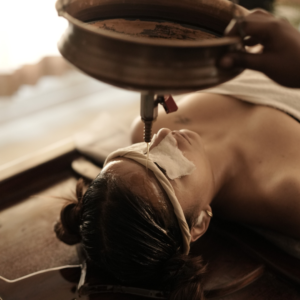
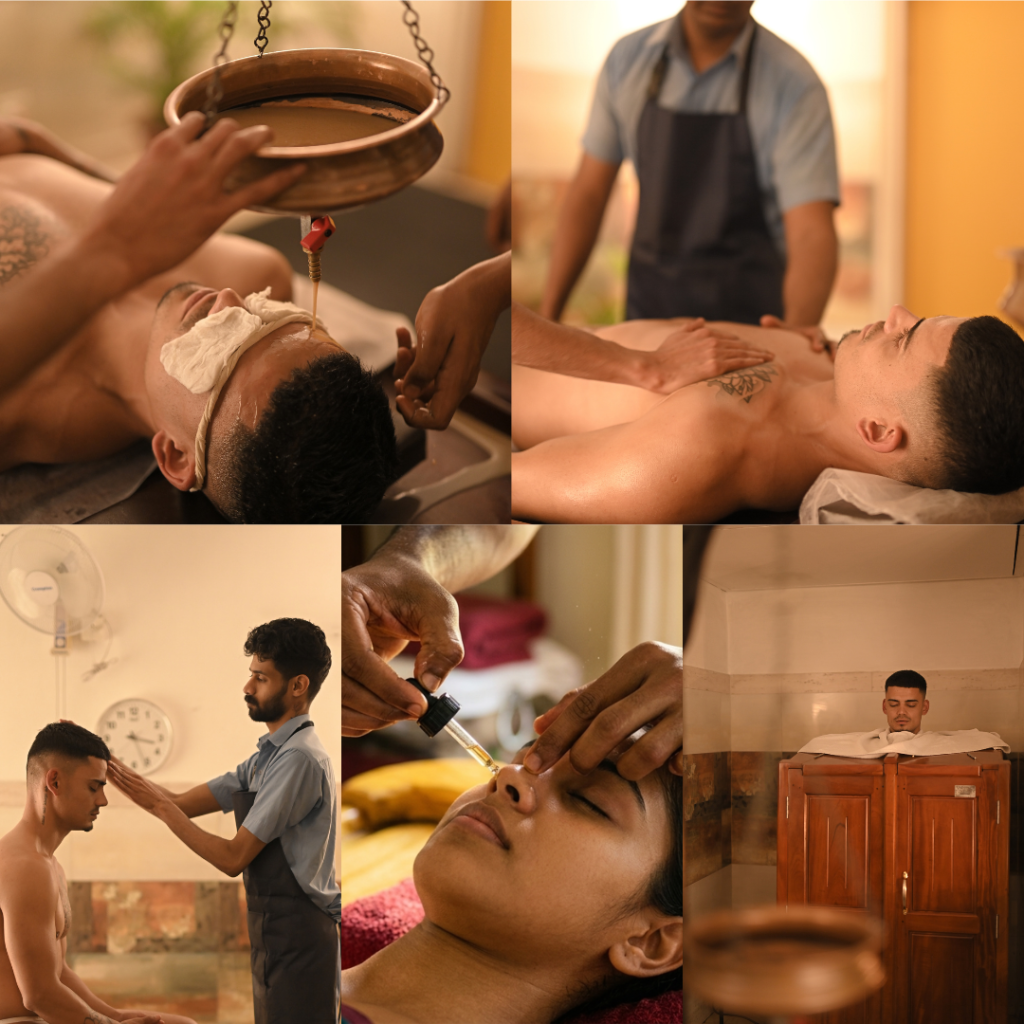
Shirodhara is one of the most well-known Ayurvedic therapies for stress and anxiety. In this therapy, a continuous stream of warm medicated oil, buttermilk, or herbal decoction is gently poured over the forehead.
This therapy helps:
- Calm an overactive mind
- Reduce stress and anxiety
- Improve sleep quality
- Promote deep mental relaxation
- Enhance emotional balance
After Shirodhara therapy, many people feel peaceful and mentally refreshed.
2. Abhyanga (Full Body Oil Massage)
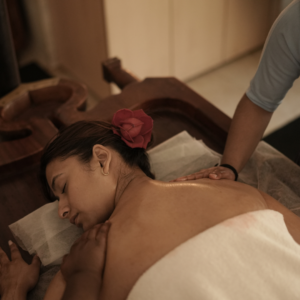
Abhyanga involves a synchronised massage using warm herbal oil selected according to an individual’s dosha.
Benefits Include:
- Relaxing muscles and the nervous system
- Improving blood circulation
- Reducing physical and mental fatigue
- Supporting better sleep
- Lowering stress level
The nourishing oils also help pacify aggravated Vata, which is often associated with anxiety and insomnia.
3. Shiro Abhyanga (Head Massage)
A therapeutic head massage using medicated oils can be especially beneficial for people experiencing mental stress.
It may help:
- Relieve mental tension
- Ease headaches caused by stress
- Improve concentration
- Reduce restlessness
- Encourage deeper sleep
4. Nasya Therapy
In this therapy, herbal oils or medicated drops are poured into the nostrils under professional supervision. In Ayurveda, the nose is considered the gateway to the
head. Nasya may:
- Clear the head and sinuses
- Improve mental clarity
- Reduce stress- related tension
- Support healthy brain function
- Promote relaxation
5. Swedana (Herbal Steam Therapy)
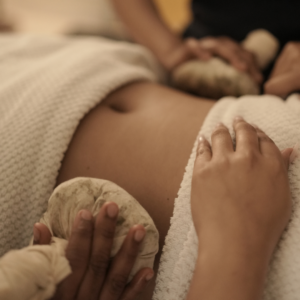
Swedana is a gentle herbal steam therapy usually performed after Abhyanga.
Its benefits include:
- Relaxing muscles
- Improving circulation
- Reducing stiffness caused by stress
- Supporting detoxification
- Creating an overall feeling of physical and mental comfort
Is Panchakarma a replacement for counselling?
Panchakarma is not a replacement for counselling or psychological therapy. It is best viewed as a complementary Ayurvedic treatment that supports overall mental and physical well-being.
Panchakarma may help reduce stress, improve sleep, and promote relaxation. Counselling addresses emotional, psychological, and behavioural challenges through evidence-based therapeutic techniques.
How Panchakarma can help
In Ayurveda, mental health is closely linked to the balance of the Vata, Pitta, and Kapha doshas, healthy digestion (Agni), and the absence of toxins (Ama).
Panchakarma aims to restore this balance through personalised detoxification and rejuvenation therapies.
Some potential benefits include:
- Reducing stress and mental fatigue
- Calming the nervous system
- Improving sleep quality
- Promoting relaxation and emotional balance
- Supporting overall physical well-being
These improvements may help individuals feel more capable of managing everyday stress and emotional challenges.
How long does mental health Panchakarma take?
The duration of Panchakarma for mental health support depends person-to-person. It depends on the individual’s dosha imbalance, overall health, symptoms, age, and treatment goals.
A qualified Ayurvedic physician will assess these factors before recommending a personalised treatment plan.
Typical Duration of Panchakarma
Most Panchakarma programs designed to support stress, anxiety, and emotional well-being generally last:
- 7-10 days: Suitable for mild stress, mental fatigue, or as a short rejuvenation program.
- 14-21 days: Commonly recommended for people with long-standing stress, anxiety, sleep disturbances, or burnout who require a more comprehensive treatment approach.
- 12-28 days or longer: May be advised for individuals with chronic health concerns or complex imbalances that require extended care and close medical supervision.
What Happens During the Treatment?
A Panchakarma program usually includes three phases:
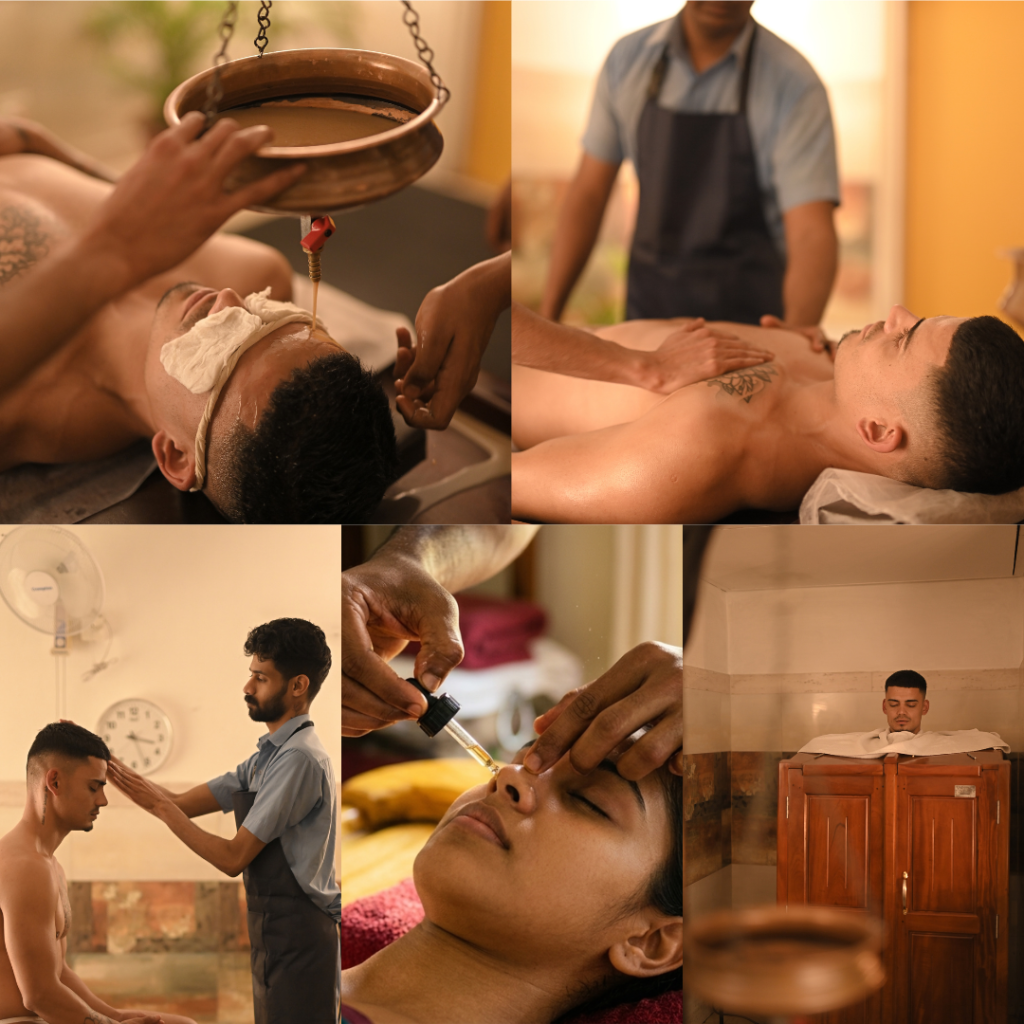
- Preparation (Purva Karma)
The body is prepared for the cleansing process through techniques such as oil massage (Abhyanga), external/external oleation, and herbal steam treatment (Swedana). This will prepare the body for the main processes. - Main Panchakarma Therapies (Pradhana Karma)
The therapies depend on the person’s condition. For mental wellness, treatments such as Shirodhara, Nasya, Basti, and therapeutic oil massages are commonly included to promote relaxation and balance. - Recovery and Rejuvenation (Paschat Karma)
After detoxification, attention shifts to rebuilding strength through a balanced diet, herbal medicines, lifestyle guidance, yoga, meditation, and adequate rest. This phase helps maintain the benefits of treatment.
Can Panchakarma be combined with modern treatment?
Panchakarma can be combined with modern treatment, but it should always be done under the experienced and qualified Ayurvedic physician and your primary healthcare provider.
Panchakarma therapy is designed to restore balance in the body, cleansing, rejuvenation, proper nutrition, and changes one’s way of life. However, despite its positive influence on digestion, stress relief, sleep improvement, and overall health state, it can be considered as complementary, but not a substitute for medical treatment.
In case of anxiety, depression, diabetes, arthritis, or autoimmune diseases, Panchakarma can serve as a complementary therapy if prescribed by specialists.
Benefit of an Integrated Approach
When appropriately supervised, combining Panchakarma with modern treatment may help:
- Support stress management and relaxation
- Improve sleep quality
- Promote healthy digestion and metabolism
- Enhance overall physical and emotional well-being
- Encourage healthier lifestyle habits through diet and daily routine
These supportive benefits may complement conventional care, but they should not be expected to replace evidence-based medical treatment.
Prescribed Medications
If you are taking prescription medicines, do not stop or reduce them on your own before starting Panchakarma. Some therapies, dietary changes, or herbal medicines may need to be adjusted based on your medical condition and current medications.
Your Ayurvedic physician should be informed about:
- All prescription and over-the-counter medications
- Herbal supplements
- Existing medical conditions
- Recent surgeries or hospitalisations
- Any allergies or ongoing treatments
Conclusion
Mental well-being is just as important as physical health, and addressing emotional challenges requires a comprehensive approach.
Panchakarma offers a natural and holistic way to support mental wellness by helping the body eliminate toxins, balance the doshas, calm the nervous system, and encourage deep relaxation.
Many individuals experience improvements in sleep, stress levels, mental clarity, and overall emotional balance through personalised Ayurvedic care.
At Vrindavan Ayurveda Chikitsalyam, we understand that every individual is unique. Our approach focuses on identifying the root cause of imbalance and creating customised Panchakarma programs that support long-term wellness.
While Panchakarma can be a valuable complementary therapy for anxiety and low mood, it should not replace professional counselling or medical treatment when needed.
With expert guidance, Panchakarma Therapy for Anxiety & Depression may become part of a complementary approach to better mental and emotional health.
When combined with a healthy lifestyle, proper nutrition, yoga, meditation, and expert guidance, Panchakarma can become an important part of a journey toward better mental and emotional health.
Frequently Asked Questions (FAQs)
1. Can Panchakarma help with anxiety and low mood?
Panchakarma may help reduce stress, improve sleep quality, and promote emotional balance by calming the nervous system and restoring dosha balance. However, results vary from person to person.
2. Which Panchakarma therapies are commonly used for mental wellness?
Therapies such as Shirodhara, Abhyanga, Nasya, Basti, and herbal steam therapy are often recommended to support relaxation, mental clarity, and emotional well-being.
3. Is Panchakarma a replacement for counselling or therapy?
No. Panchakarma should be considered a supportive therapy and not a substitute for counselling, psychotherapy, or psychiatric treatment. It can often be used alongside professional mental health care.
4. How long does Panchakarma treatment for anxiety usually take?
The duration depends on the individual’s condition and treatment goals. Programs may range from 7 to 28 days or longer, depending on the severity of symptoms and the physician’s recommendations.
5. Can I continue my medications during Panchakarma?
Yes, in most cases. However, you should always inform your Ayurvedic physician about any medications you are taking and continue them unless your healthcare provider advises otherwise.
6. Does Panchakarma help improve sleep?
Many Panchakarma therapies focus on calming the nervous system and reducing stress, which may contribute to better sleep quality and improved relaxation.