Introduction
Migraines are more than just headaches. For many people, they can disrupt daily life with symptoms such as intense head pain, nausea, sensitivity to light and sound, and difficulty concentrating.
Frequent migraine attacks can affect work, relationships, sleep, and overall well-being.
According to Ayurveda, migraines are often linked to imbalances in the body’s doshas. Particularly Vata and Pitta, along with accumulated toxins (Ama), stress, poor digestion, and unhealthy lifestyle habits.
At Vrindavan Ayurveda Chikitsalyam, Panchakarma therapies are tailored to each person’s health and migraine pattern. Detoxification procedures, stress-relieving therapies, dietary guidance, and lifestyle changes help reduce migraine triggers and improve overall well-being.
Can Panchakarma reduce migraine frequency?
Panchakarma can help in reducing the occurrence and severity of migraines, as it addresses some of the contributing causes of migraines.
According to the principles of Ayurveda, the causes of migraines include an imbalance of doshas, especially Vata and Pitta, and the presence of toxins in the body.
How Panchakarma May Help with Migraines
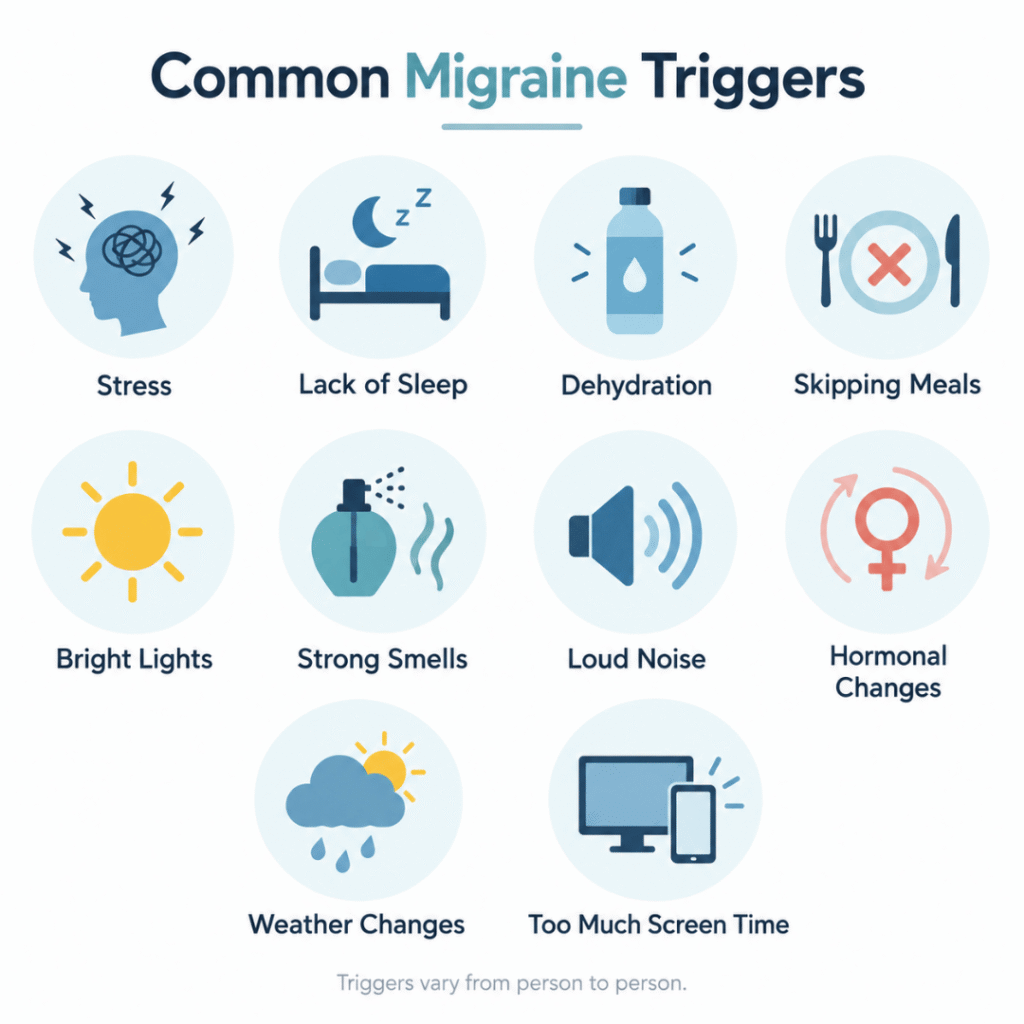
- Balances Vata and Pitta Doshas: Many of the migraine symptoms have connections with increased levels of Vata and Pitta doshas.
An increased level of Pitta is responsible for causing head pain, along with symptoms of heat, irritation, and sensitivity to light. Imbalances of Vata cause pain and nervous system problems. - Reduces Stress and Mental Tension: Stress is one of the most common causes of migraine. Therapies like Sirodhara, Abhyanga, and relaxation can help with mental calmness and reduce stress-related migraine problems.
- Improve Sleep Quality: Poor sleep is linked with migraine frequently. Panchakarma helps with therapies and supports deeper, more restful sleep, which can also reduce migraine triggers.
Ayurveda Therapy for Migraine & Chronic Headaches
Ayurveda offers many Panchakarma therapies that may help manage different types of headaches. Panchakarma is a series of detoxification and rejuvenation processes that remove toxins and balance doshas, thereby treating chronic migraines.
To learn how Panchakarma may fit into a personalised migraine & chronic headache wellness plan, explore the Panchakarma Therapy for Migraine & Chronic Headache page. You can also consult an Ayurvedic physician for personalised guidance.
Key therapies in Panchakarma for Headaches:
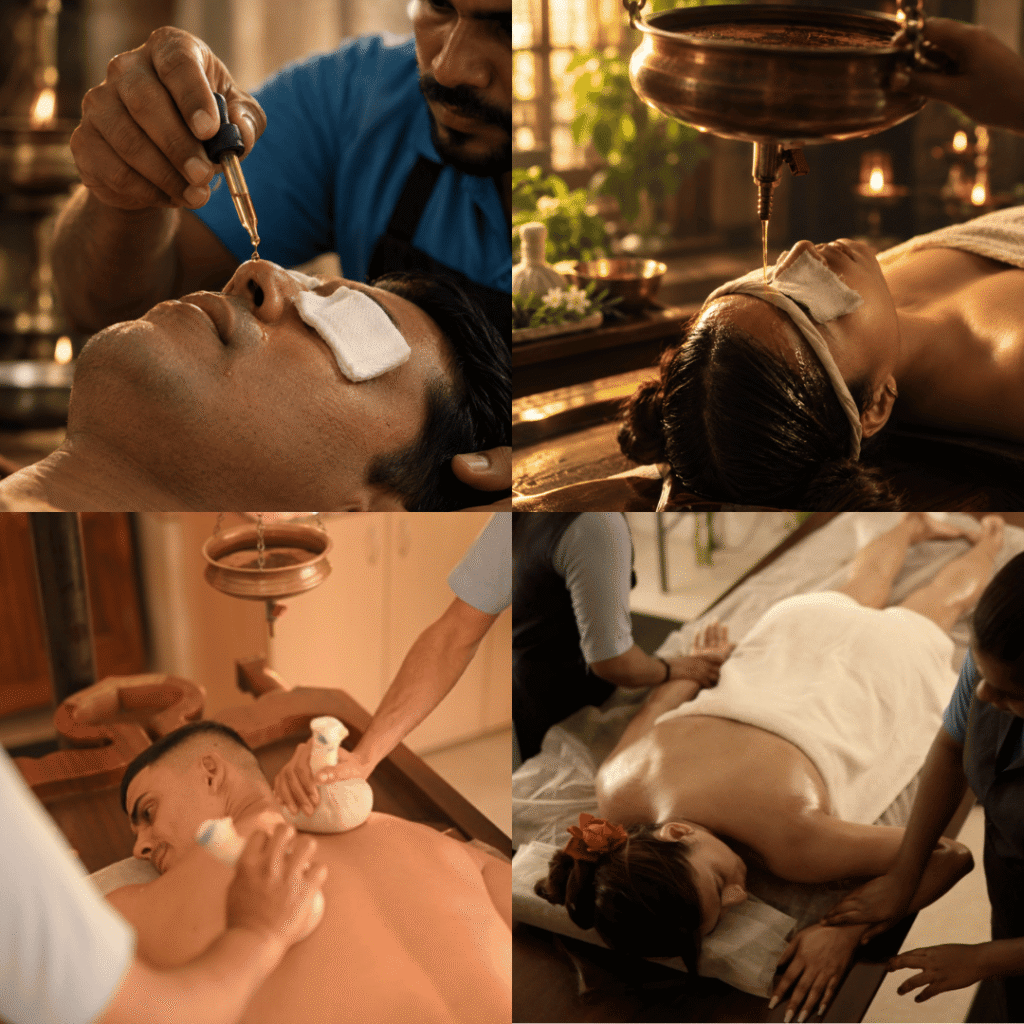
1. Nasya Therapy: In this therapy, herbal oil is put into the nostrils to open the sinuses and help the Prana (the life sky energy) flow. Ayurveda considers the nose the gateway to the head, making nasal therapy useful for head- and sinus-related disorders.
Benefits:
- May reduce headaches
- Improve clarity and mental well-being
- Supports respiratory health
2. Shirodhara: In this therapy, oil is applied to the forehead. This is one of the common therapies for stress-related headaches and migraines. This relaxes the mind and eliminates stress.
Benefits:
- Calms the nervous system
- Reduces stress and anxiety
- Promote mental relaxation
- Decrease migraine attacks
3. Virechana (Therapeutic Purgation): This is a cleaning process, and it primarily eliminates the excess Pitta dosha, which may manifest as burning sensations, irritability, or head-related migraines.
Benefits:
- Helps eliminate excess Pitta
- Supports detoxification
- Improves digestive health
- May help reduce recurring migraine episodes
4. Abhyanga (Ayurvedic Oil Massage): Abhyanga is a full-body massage performed with warm herbal oils chosen according to an individual’s dosha constitution.
Benefits:
- Relaxes tense muscles
- Improves blood circulation
- Reduces stress and fatigue
- Supports overall nervous system health
Is Panchakarma safe for chronic migraine sufferers?
Panchakarma is generally safe for many people with chronic migraines. But this needs to be performed under the supervision of a qualified Ayurvedic practitioner.
Chronic migraines can have different triggers and causes. Ayurvedic treatment is usually personalised according to the individual’s health condition, symptoms, and dosha imbalance.
Safety Considerations
- Individual Assessment Is Essential
Before starting Panchakarma, an Ayurvedic physician typically evaluates:
- Overall health condition
- Digestive strength (Agni)
- Dosha imbalances
- Existing medications and medical conditions
- Migraine history and severity
This assessment helps determine which therapies are most appropriate and safe.
2. Therapies are customised
However, not all the Panchakarma treatments are right for all migraine sufferers. Therapies recommended include Shirodhara, Nasya, Abhyanga, or Virechana, depending on the specific problem and condition of the individual.
3. Gradual and Supervised Detoxification
Panchakarma therapies are designed to be performed in a structured manner. Proper preparation, treatment, and post-therapy care help ensure the body adapts safely to the detoxification process.
How long does head detox therapy take?
The duration of head detox therapies depends on the specific treatment being performed, the severity of symptoms, and the person’s overall health condition.
Some therapies are completed within a single session, while others may be recommended as part of a treatment program lasting several days or weeks.
1. Shirodhara
Shirodhara involves the continuous pouring of warm medicated oil over the forehead.
- Typical session: 30–60 minutes
- Treatment course: 7–21 days, depending on the condition
- Commonly used for migraines, stress, anxiety, and sleep disorders
2. Nasya Therapy
Nasya involves the herbal oils or medicines through the nasal passages.
- Typical session: 15–30 minutes
- Treatment course: 7–14 days or as advised by the physician
- Often recommended for sinus headaches, migraines, and nasal congestion
3. Shiro Abhyanga (Head Massage)
A therapeutic head massage using herbal oils.
- Typical session: 20–45 minutes
- Can be performed regularly as part of a wellness routine
- Helps relieve tension and improve relaxation
4. Complete Panchakarma Program
If headaches or migraines are linked to deeper dosha imbalances, a full Panchakarma program may be recommended.
- Duration: 7–21 days, sometimes longer
- Includes preparation, detoxification therapies, and recovery phases
- Personalised according to the individual’s condition
Conclusion
Suffering from frequent migraines can be physically exhausting and emotionally challenging. Temporary relief available can be conventional treatment.
Panchakarma offers a traditional Ayurvedic approach that focuses on detoxification, stress management, dosha balance, and overall well-being.
At Vrindavan Ayurveda Chikitsalyam, Panchakarma therapies are personalised to each individual’s needs, helping support better health through a combination of therapeutic procedures, dietary guidance, and lifestyle modifications.
Although results vary from person to person, Panchakarma may help reduce migraine frequency, improve quality of life, and support long-term wellness when practised under proper Ayurvedic supervision.
Frequently Asked Questions (FAQs)
1. Can Panchakarma reduce migraine frequency?
Yes, Panchakarma may help reduce the frequency and intensity of migraines by addressing factors such as stress, toxin accumulation, poor digestion, and dosha imbalances that may contribute to recurring headaches.
2. Which Panchakarma therapies are commonly used for migraines?
Therapies such as Shirodhara, Nasya, Abhyanga, and Virechana are commonly recommended depending on the individual’s symptoms, constitution, and the underlying cause of the migraines.
3. Is Panchakarma safe for chronic migraine sufferers?
Panchakarma is generally considered safe when performed under the guidance of a qualified Ayurvedic practitioner. A detailed assessment is usually conducted before starting treatment to ensure the therapies are appropriate for the individual.
4. How long does migraine treatment with Panchakarma take?
The duration varies depending on the severity and history of the condition. Some therapies may last a few days, while a complete Panchakarma program can extend from one to three weeks or longer.
5. Can Panchakarma prevent migraine recurrence?
While Panchakarma cannot guarantee that migraines will never return, it may help reduce the likelihood of attacks by addressing potential triggers and promoting long-term balance in the body.
6. Are lifestyle changes important during Panchakarma treatment?
Yes. Dietary modifications, proper sleep, stress management, hydration, and healthy daily routines are often recommended alongside Panchakarma therapies to support better outcomes.