Introduction
Do you feel tired after a full night’s sleep?
Are you facing mood changes, weight gain or weight loss, hair fall, or constant fatigue?
These problems may seem normal, but sometimes they may indicate a hidden problem with one’s thyroid gland. Thyroid disorders become more common due to stress, poor eating habits, hormonal changes, and a sedentary lifestyle.
Many people are searching for solutions that go beyond symptom management.
In this article, we will explain how panchakarma helps with thyroid imbalance, whether panchakarma is useful for hypothyroidism, and which therapies support hormonal balance.
Can Panchakarma Help Thyroid Imbalance?
Panchakarma can help with thyroid imbalance. In Ayurveda, thyroid disorders are not described as a single disease.
Panchakarma helps to remove these toxins from the body, restore dosha balance, improve digestion, and support the body’s natural healing process.
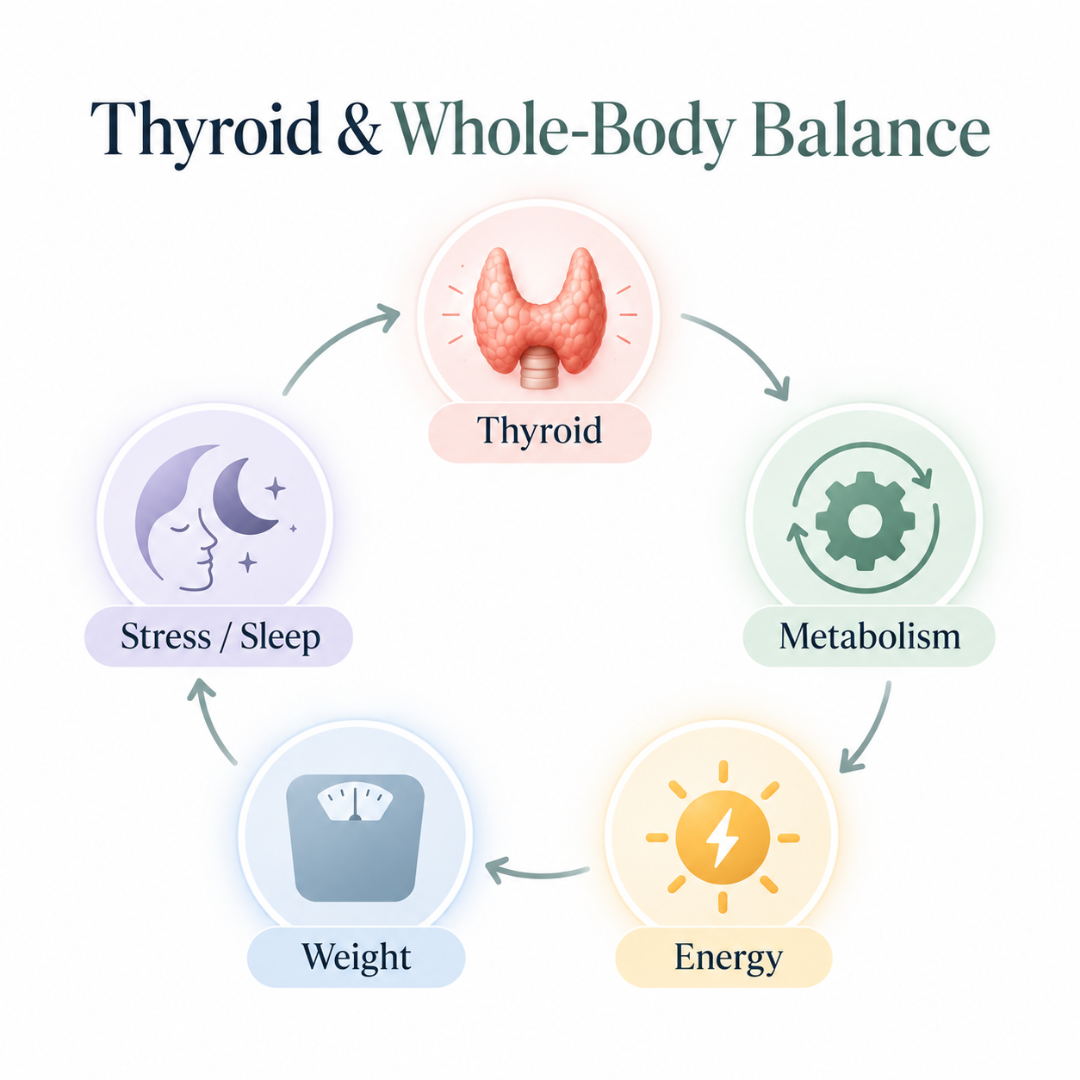
How does Panchakarma support thyroid health?
1. Removes Ama (Metabolic Toxins)
In Ayurveda, poor digestion is linked to poor Ama formation, which can block the body’s natural channels and disrupt normal tissue function.
Panchakarma therapies help eliminate accumulated toxins, improve digestion and restore metabolic balance.
2. Balances the Doshas
Different thyroid conditions may involve different dosha imbalances:
- Hypothyroidism: This is often associated with increased Kapha and Vata, leading to sluggish metabolism, fatigue, weight gain, and swelling.
- Hyperthyroidism: This is commonly linked with aggravated Pitta and Vata, resulting in excessive metabolism, anxiety, weight loss, and heat intolerance.
Panchakarma therapies are selected according to the individual’s dosha imbalance, helping restore overall physiological balance.
3. Supports Healthy Metabolism
One of the basic goals of Panchakarma is to strengthen Agni, the digestive and metabolic fire. Improved metabolic function supports better energy production. It also support digestion and tissue nourishment, which are essential for maintaining hormonal balance.
4. Reduces Stress
Chronic stress can affect hormonal regulation through the body’s stress-response system. Panchakarma therapies such as Shirodhara, Abhyanga (Ayurvedic oil massage), and relaxation techniques help calm the nervous system, reduce stress, improve sleep quality, and promote emotional well-being.
These benefits may indirectly support thyroid function.
Is Panchakarma useful for hypothyroidism?
Hypothyroidism is a condition in which the thyroid gland does not produce enough thyroid hormones to meet the body’s needs. From the perspective of Ayurveda, hypothyroidism is not viewed as a single disease.
Panchakarma can be beneficial as a supportive therapy for people with hypothyroidism. Panchakarma is not a replacement for thyroid hormone medication.
It complements conventional treatment by promoting overall health and addressing factors that may contribute to poor metabolic function.
1. Reduces Stress: Chronic stress may further exacerbate the imbalances in the hormones and cause fatigue. Some therapies that help induce a state of deep relaxation include Abhyanga and Shirodhara.
2. Helps manage weight naturally: People with hypothyroidism experience difficulty losing weight. Panchakarma is not a weight-loss treatment. It helps with improving metabolism, digestion, and lifestyle habits over time.
3. Balances Kapha and Vata Doshas: Hypothyroidism is mostly linked with aggravated Kapha. This contributes to heaviness, sluggishness, fluid retention, and weight gain. Vata imbalance may also cause fatigue, dry skin, constipation, and mental fog.
Can I continue thyroid medication during therapy?
The medications prescribed for thyroid include levothyroxine to treat hypothyroidism; this helps in providing the thyroid hormones that the body is unable to make enough of.
Without medical advice, stopping thyroid medicine can cause hormone levels to become unstable and may lead to symptoms such as:
- Extreme fatigue
- Weight gain or difficulty managing weight
- Constipation
- Depression
- Mood changes
- Slow heart rate
For this reason, patients should continue taking their prescribed medication unless their healthcare provider specifically recommends a change.
Panchakarma Therapy for Thyroid Imbalance: Which Therapies May Support Thyroid Health?
Panchakarma for thyroid problems uses specific detoxification and balancing therapies based on the individual condition.
To learn how Panchakarma may fit into a personalised Thyroid Imbalance wellness plan, explore the Panchakarma Therapy for Thyroid Imbalance page. You can also consult an Ayurvedic physician for personalised guidance.
Therapies That Support Hormonal Balance in Ayurveda:
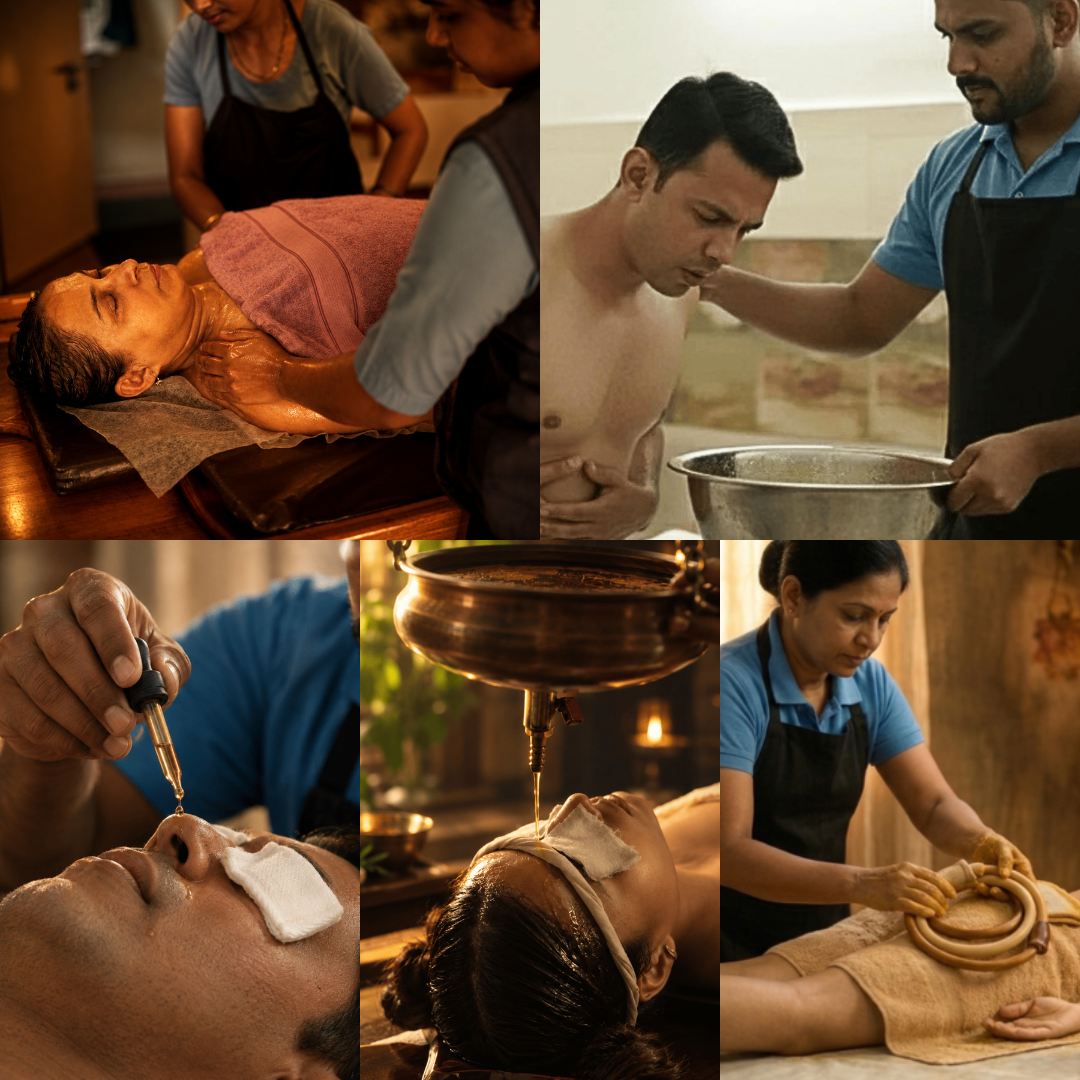
1. Abhyanga (Ayurvedic Oil Massage): This is a herbal oil massage that improves circulation, relaxes the body, and lowers stress-inducing cortisol. It helps:
- Improve blood circulation
- Calm the nervous system
- Reduce stress and anxiety
- Support lymphatic drainage
- Improve sleep quality
Abhyanga indirectly supports hormonal balance by calming the mind and body.
2. Shirodhara (Oil therapy): In this therapy, warm herbal oil is poured over the forehead. It is beneficial for:
- Reducing mental stress and anxiety
- Improving sleep disorders
- Calming overactive thinking
- Balancing Vata dosha
Shirodhara helps regulate stress hormones and supports emotional stability.
3. Basti (Medicated Enema Therapy): One of the most important therapies in Panchakarma. It balances Vata doshas, which are closely related to hormonal regulation. It helps:
- Improve gut health and digestion
- Support reproductive health
- Reduce dryness and fatigue
- Balance nervous system function
Basti is an important therapy for hormonal disorders like PCOS and thyroid imbalance.
4. Virechana (Therapeutic Purgation): Virechana is a cleansing therapy that removes excess Pitta dosha from the body.
- Improving liver function and metabolism
- Reducing inflammation
- Supporting skin and hormonal disorders
- Balancing heat-related hormonal issues
By cleansing metabolic pathways, Virechana supports overall endocrine function.
5. Nasya (Nasal Therapy): Nasal administration of herbal oils that stimulate the hypothalamus and pituitary glands to regulate hormonal activity. It helps:
- Improve brain and hormonal coordination
- Reduce stress and mental fog
- Support thyroid and pituitary function
- Improve clarity and emotional balance
It is especially beneficial for disorders linked to the head and nervous system.
How long does thyroid management take in Ayurveda?
In Ayurveda, thyroid management is not a quick, fixed-duration treatment. It is a gradual, individualised healing process that focuses on restoring balance in the body rather than only controlling hormone levels.
Timeline of Ayurvedic Thyroid Management
The duration depends on the person, but an Ayurvedic approach may look like this:
1. Initial Phase (First 1-5 Days)
- Digestive adjustment
- Mild detox response
- Preparation for deeper therapy
2. Detox Phase (Virechana period)
- Toxin elimination
- Feeling of lightness and clarity
- Improved digestion
3. Post-Therapy Rejuvenation (4-8 Weeks)
After detoxification, the body needs rebuilding support:
- Herbal medicines for thyroid support
- Nutritional correction
- Strengthening Agni and metabolism
- Lifestyle restructuring (sleep, diet, stress control)
4. Long-term Management (3-6 months or more)
This is the most important phase for thyroid conditions:
- Continued herbal support (as prescribed)
- Regular follow-up and blood tests (TSH, T3, T4)
- Diet and lifestyle discipline
Conclusion
Thyroid imbalance is not just a gland-related issue. It reflects a deeper disturbance in metabolism, digestion, lifestyle, and emotional well-being.
Panchakarma plays an important role in this process by cleansing the system, improving metabolic function, reducing stress, and enhancing overall vitality.
However, it is important to understand that Panchakarma is not a standalone cure for thyroid disorders. It works best as part of a personalised Ayurvedic treatment plan. It includes proper diet, lifestyle changes, herbal medicines, and regular medical monitoring.
When used responsibly under expert guidance, it can improve quality of life and support long-term thyroid health in a natural, balanced way.
FAQs
1. Can Panchakarma completely cure thyroid problems?
Panchakarma does not directly “cure” thyroid disorders. It helps in managing symptoms, improves metabolism, and supports overall hormonal balance. Thyroid conditions usually require long-term management.
2. Is Panchakarma safe for thyroid patients?
Yes, Panchakarma is generally safe when performed under the supervision of a qualified Ayurvedic physician. The treatment is customised based on the patient’s condition and medical history.
3. How soon can I see results after Panchakarma for thyroid issues?
Some people notice improvements in energy, digestion, and sleep within a few weeks. However, hormonal balance and long-term results usually take several months of consistent care.
4. Can I continue thyroid medication during Panchakarma?
5. Which Panchakarma therapy is best for hypothyroidism?
There is no single best therapy. A combination of therapies such as Abhyanga, Basti, Swedana, and Nasya is often used, depending on individual dosha imbalance and health condition.
6. Does Panchakarma help with weight gain in hypothyroidism?
Panchakarma is not a direct weight-loss treatment, but by improving digestion, metabolism, and lifestyle habits, it may help support healthy weight management over time.
7. Is Panchakarma a replacement for modern thyroid treatment?
8. How long does a Panchakarma course for thyroid imbalance take?
The duration varies, but a full program may take 7 to 21 days, followed by longer Ayurvedic support for several weeks or months depending on the patient’s condition.