Introduction
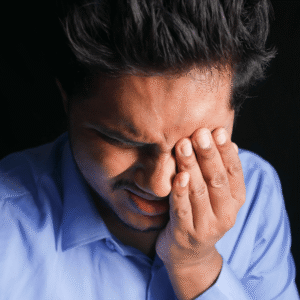
Living with chronic pain can make even the simplest daily activities feel challenging. For many people, painkillers become a regular part of life because they offer quick relief. While these medications can help manage symptoms. They may not always address the underlying factors contributing to long-term pain.
This is where Ayurveda takes a different approach, rather than only focusing on relieving pain. It aims to understand why the pain has developed and support the body’s natural ability to heal.
At Vrindavan Ayurveda Chikitsalayam (VVAC), Panchakarma programs are carefully personalized to each individual’s health condition. Through authentic Ayurvedic therapies. With experienced medical guidance and a holistic treatment approach. We strive to help patients improve mobility and reduce discomfort. We support long-term well-being alongside appropriate conventional medical care.
Can Panchakarma manage long- term pain?
Panchakarma can help manage long-term pain by using a combination of detoxification, herbal therapies, and colon cleansing.
Chronic pain lasts more than three months. It occurs after the original injury or illness has healed. It may be continuous or occur repeatedly. Panchakarma uses cleansing therapies, herbal medicines, diet, and lifestyle guidance to reduce pain naturally.
- Remove Ama
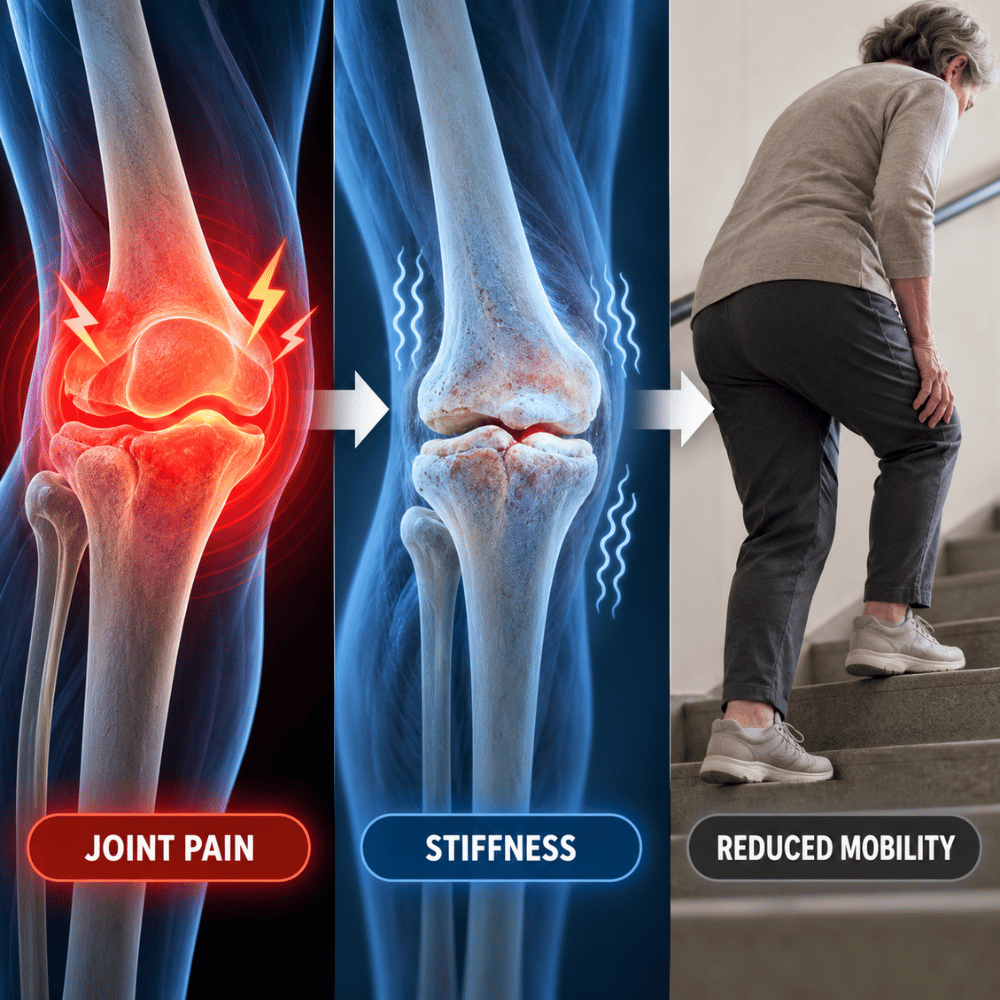
The basic goal of Panchakarma is to eliminate Ama from the body. According to Ayurveda, reducing Ama helps improve circulation and supports healthier tissue function. This may reduce pain and stiffness. - Balances Vata Dosha
Many Panchakarma therapies are specifically designed to calm aggravated Vata. When Vata is balanced, patients may experience:
- Better joint movement
- Less muscle tightness
- Reduced stiffness
- Improved flexibility
- Greater physical comfort
3. Relaxes Muscles and Nerves
Warm herbal oils used during therapies help relax tight muscles and calm the nervous system.
This can be particularly beneficial for:
- Back pain
- Neck pain
- Sciatica
- Muscle spasms
- Shoulder stiffness
Which therapies reduce inflammation naturally?
Inflammation is the body’s natural defence mechanism against injury, infection or stress. In Ayurveda, chronic inflammation is often associated with an imbalance of Pitta dosha, Vata dosha, and the accumulation of Ama.
To learn how Panchakarma may fit into a personalised diabetes wellness plan, explore the Panchakarma Therapy for Chronic Pain Management page. You can also consult an Ayurvedic physician for personalised guidance.

- Virechana
Virechana is a controlled therapeutic purgation using medicines. According to Ayurveda, it helps eliminate Pitta and accumulated toxins from the gastrointestinal tract.
It may be recommended for:
- Chronic acidity
- Liver disorders
- Psoriasis
- Certain inflammatory joint conditions
- Inflammatory skin disorders
Potential benefits:
- Supports detoxification
- Helps balance excess Pitta
- May reduce inflammatory symptoms
- Improves digestive function
2. Basti (Medicated Enema Therapy)
Basti is considered one of the most important Panchakarma therapies for balancing Vata. Although primarily used for Vata disorders, it may also help reduce inflammation. It is associated with chronic pain and degenerative conditions by nourishing tissues and improving bowel health.
It may be recommended for:
- Osteoarthritis
- Rheumatoid arthritis (during appropriate phases)
- Sciatica
- Chronic back pain
Potential benefits:
- Calms aggravated Vata
- Reduces stiffness
- Improves mobility
- Supports tissue nourishment
3. Abhyanga (Warm Herbal Oil Massage)
Abhyanga is a synchronised massage performed with warm medicated oils selected according to the individual’s condition. Massage helps improve circulation, and herbal oils are traditionally used. Ayurveda may provide soothing and anti-inflammatory effects.
Potential benefits:
- Relaxes muscles
- Improves circulation
- Reduces stiffness
- Supports joint flexibility
- Helps calm the nervous system
4. Swedana (Herbal Steam Therapy)
Swedana is usually performed after Abhyanga. The application of herbal steam encourages sweating, improves circulation, and helps relax muscles and joints.
It may help with:
- Muscle stiffness
- Joint pain
- Chronic inflammatory conditions
- Reduced mobility
Potential benefits:
- Relaxes muscles
- Supports toxin elimination through sweating
- Improves flexibility
- May ease pain and stiffness
5. Pizhichil (Oil Bath Therapy)
Pizhichil involves the continuous pouring of warm medicated oil over the body while a gentle massage is performed. This therapy is commonly used for inflammatory and degenerative musculoskeletal disorders.
Potential benefits:
- Deep muscle relaxation
- Joint nourishment
- Improved circulation
- Reduced stiffness
- Enhanced mobility
6. Lepanam (Herbal Paste Application)
Lepam involves applying freshly prepared herbal pastes to inflamed or painful areas. Depending on the herbs used, it may help soothe localised inflammation and discomfort.
It is commonly used for:
- Joint swelling
- Muscle pain
- Sports injuries
Is Panchakarma suitable for chronic conditions?
In Ayurveda, Panchakarma therapies are used for many chronic health conditions. Panchakarma supports the body’s natural healing processes. It is commonly recommended for chronic conditions. These include arthritis. Chronic back pain is one example. Sciatica is another. Panchakarma is also used for psoriasis. It helps with digestive disorders. It is recommended for allergies. Stress-related disorders are included.
Things to consider
- Professional Supervision is Essential: Panchakarma should always be performed under the guidance of a qualified Ayurvedic physician.
- Treatment Duration Varies: For chronic conditions, Panchakarma requires a structured treatment program that may last 7 to 28 days, depending on the condition and treatment goal.
- Strict Routine: The success of Panchakarma not only depends on the therapies but also on following the prescribed diet, getting adequate rest, avoiding excessive physical or mental stress, and adhering to the physician’s recommendation during and after the treatment.
How long does chronic pain management therapy take?
The duration of Ayurvedic pain management therapy, including Panchakarma, depends on several factors. These include the type and severity of pain. How long the condition has been present, the patient’s age, overall health, and response to treatment.
Treatment Timeline
- Acute Pain (3-7 Days): For recent muscle strains, minor sprains, or temporary joint pain, therapies such as Abhyanga (herbal oil massage) and swedana (herbal steam therapy) may provide relief within a few sessions.
- Moderate Chronic Pain (7- 14 days): Conditions like chronic neck pain, early osteoarthritis, or recurring back pain often benefit from a 1–2-week Panchakarma program. During this period, therapies such as Basti, Kati Basti, Janu Basti, Abhyanga, and Swedana are selected based on the individual’s condition.
- Severe or Long-Standing Pain (14–28 Days): For chronic conditions such as osteoarthritis, rheumatoid arthritis, sciatica, cervical or lumbar spondylosis, and long-term joint disorders, a comprehensive Panchakarma program may last 2–4 weeks. These programs often include detoxification, pain-relieving therapies, dietary modifications, and Ayurvedic medications to achieve better long-term results.
Can Panchakarma reduce dependency on painkillers?
Panchakarma may help reduce dependency on painkillers for some individuals. Particularly true for those with chronic pain conditions such as osteoarthritis, chronic back pain, sciatica, or muscle stiffness. However, it should not replace prescribed medications. Patients should never stop or reduce painkillers without consulting their treating physician.
How Can Panchakarma Help?
1. Addresses the Root Cause
Panchakarma focuses on reducing the Ayurvedic factors believed to contribute to chronic pain, rather than only masking symptoms. This holistic approach may lead to more sustained improvements in pain and mobility.
2. Helps Reduce Inflammation
Therapies such as Abhyanga (herbal oil massage), Swedana (herbal steam therapy), and Basti (medicated enema) are used. They also use traditional Ayurvedic herbs. These therapies may help reduce inflammation. They may reduce muscle stiffness. This makes pain easier to manage.
3. Improves Joint and Muscle Function
By improving circulation, relaxing muscles, and nourishing joints, Panchakarma may increase flexibility and reduce discomfort, which can lessen the need for frequent pain relief in some individuals.
Conclusion
Panchakarma offers a holistic approach to chronic pain management by addressing the Ayurvedic factors. These factors may contribute to long-term discomfort rather than focusing only on symptom relief. Through therapies that help balance the Doshas, reduce Ama (metabolic toxins), improve circulation, and nourish muscles and joints, many individuals experience improvements in pain, flexibility, and daily functioning.
At Vrindavan Ayurveda Chikitsalyam, we carefully customise every pain management program. We do this after a thorough consultation with our experienced Ayurvedic physicians. Our goal is to help patients achieve sustainable pain relief and improve overall well-being. Where medically appropriate, we gradually reduce dependence on painkillers under the guidance of their treating healthcare providers. Integrating authentic Panchakarma therapies with personalised diet and lifestyle guidance, plus ongoing follow-up. VVAC is committed to helping patients move toward healthier, more active lives.
Frequently Asked Questions (FAQs)
1. Can Panchakarma completely replace painkillers?
No. Panchakarma is a complementary therapy and should not replace prescribed medications without medical advice. As symptoms improve, some patients may be able to reduce their dependence on painkillers under the supervision of their treating physician.
2. Which chronic pain conditions can Panchakarma help manage?
Panchakarma may support the management of conditions such as osteoarthritis, chronic back pain, sciatica, cervical spondylosis, frozen shoulder, muscle stiffness, and certain inflammatory joint disorders. The treatment plan is always personalised based on the patient’s condition.
3. How long does it take to see results?
Some individuals notice improvements within a few therapy sessions, while chronic or long-standing conditions may require a structured Panchakarma program lasting 7 to 28 days, along with follow-up care and lifestyle changes.
4. Is Panchakarma safe for long-term pain management?
When performed under the supervision of qualified Ayurvedic physicians, Panchakarma is generally considered safe for appropriately selected patients. A detailed medical evaluation is conducted before beginning treatment to determine the most suitable therapies.
5. How does VVAC personalise pain management treatment?
At Vrindavan Ayurveda Chikitsalayam (VVAC), every patient undergoes a comprehensive Ayurvedic consultation to assess their body constitution (Prakriti), Dosha imbalance, medical history, and specific health concerns. Based on this evaluation, our physicians design an individualised Panchakarma program that may include therapies such as Abhyanga, Swedana, Basti, Kati Basti, or Janu Basti, along with personalised dietary recommendations and lifestyle guidance for long-term pain management.