Introduction
In today’s fast-paced world, autoimmune disorders are becoming more common. Conditions like rheumatoid arthritis, psoriasis, Hashimoto’s thyroiditis, multiple sclerosis, and ankylosing spondylitis can affect a person’s quality of life. These disorders happen when the body’s immune system attacks its own healthy tissues. This leads to chronic inflammation, pain, fatigue, and other long-term health challenges.
Ayurveda Treatment for Autoimmune Imbalance takes a holistic approach by identifying and addressing the body’s root causes of imbalance. Modern medicine focuses primarily on managing symptoms.
At Vrindavan Ayurveda Chikitsalyam, we believe true healing starts by restoring balance from within. Panchakarma is Ayurveda’s famous detox and rejuvenation therapy. It cleanses the body. It supports digestive health. It improves circulation. It reduces stress. It promotes overall wellness. With personalised treatment plans, dietary guidance, and traditional Ayurvedic therapies, Panchakarma may help people manage autoimmune imbalances more effectively. It can improve their overall quality of life.
In this blog, we explore how Panchakarma supports autoimmune balance, its role during flare-ups, and the autoimmune conditions that may benefit from Ayurvedic care.
How does Panchakarma support autoimmune balance?
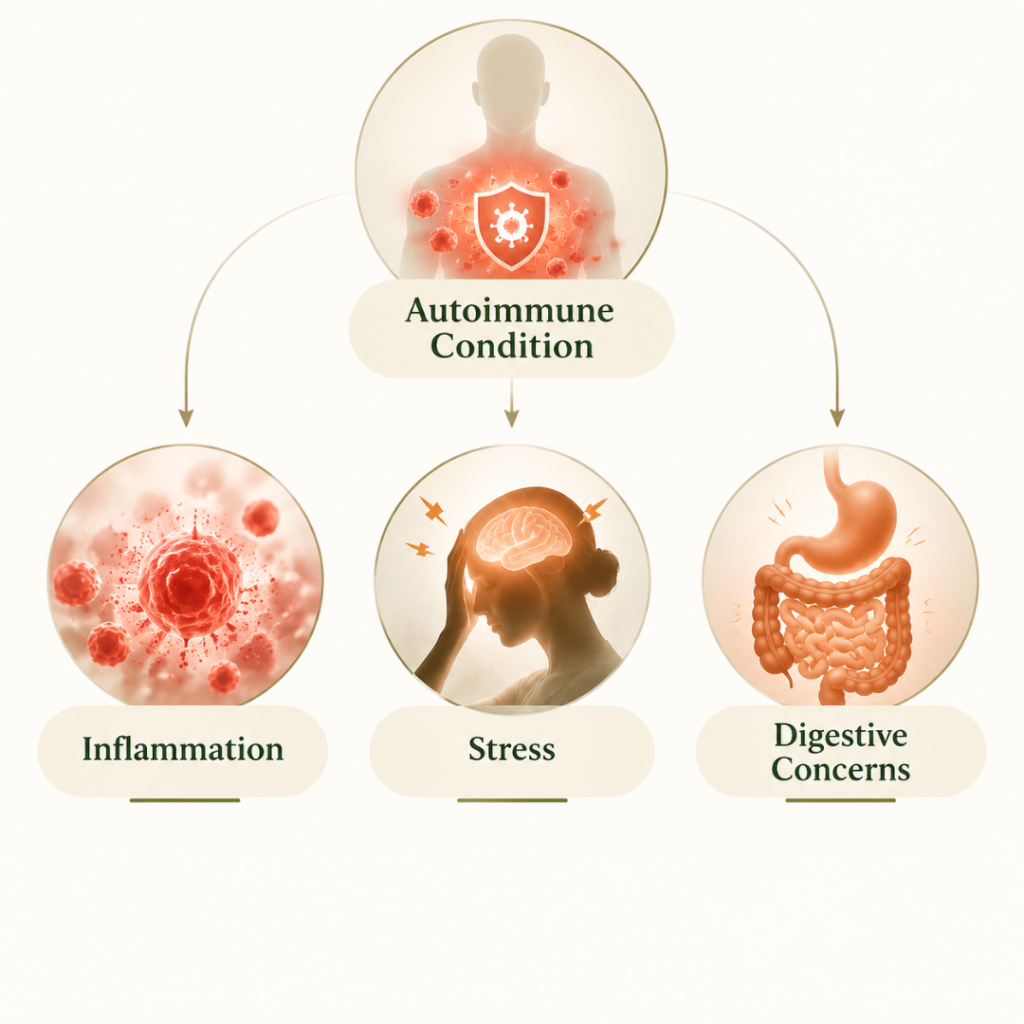
Autoimmune disorders are caused by the immune system attacking the body’s own cells. Modern medicine has classified more than 80 autoimmune disorders. Most share the same symptoms. These include inflammation. Arthritis is common. Gastrointestinal disturbances occur. Hormonal imbalances are present. Neuropsychological manifestations also appear.
In Ayurveda, most autoimmune disorders have been attributed to prolonged imbalance of the doshas, accumulation of ama and an abnormal immune reaction owing to poor digestion (Agni) and mental distress.
Key elements of how Panchakarma supports Autoimmune Balance:
1. Helps Remove Accumulated Toxins
According to Ayurveda, the accumulation of Ama toxins in the body causes malfunctions in the body’s processes, leading to inflammation. The purpose of Panchakarma treatments is to aid in cleansing the body of these toxins, improving the functioning of the body’s immune system.
2. Supports Healthy Digestion and Metabolism
An efficient digestive system is considered very important for achieving good health in Ayurveda. With panchakarma, Agni increases; thus, the body can digest nutrients more effectively, resulting in fewer toxins being formed.
3. Promote Stress Reduction
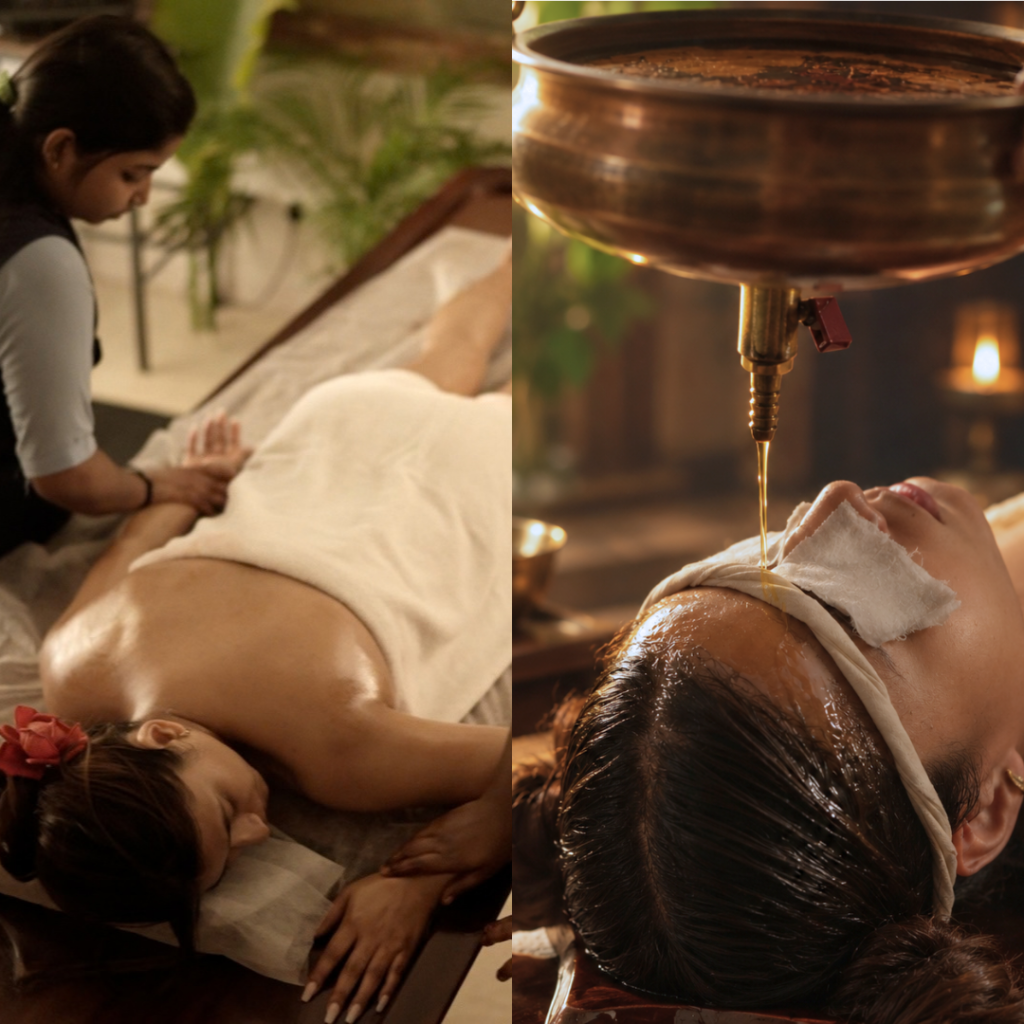
Chronic stress can affect the immune system function and may worsen autoimmune symptoms. Panchakarma includes relaxing therapies such as Abhyanga and Shirodhara. These two therapies can calm the nervous system, promote relaxation, and support emotional well-being.
4. Encourage Better Circulation
The therapies used in Panchakarma may help improve circulation and support the delivery of nutrients throughout the body.
Can Panchakarma be done during flare-ups?
The answer depends on the severity of the flare-up and the individual’s overall health. A flare -up is a period when the symptoms of a chronic or autoimmune condition suddenly become more intense. During a flare-up, a person may experience increased pain, inflammation, fatigue, swelling, digestive issues, skin irritation, or other symptoms depending on the condition.
Panchakarma is generally considered most effective when the body is stable enough to undergo detoxification and cleansing therapies.
To learn how Panchakarma may fit into a personalised Autoimmune imbalance wellness plan, explore the Panchakarma Therapy for Autoimmune Imbalance page. You can also consult an Ayurvedic physician for personalised guidance.
1. Understanding Flare-ups in Ayurveda
According to Ayurveda, flare-ups often indicate that the body’s doshas are significantly aggravated and that inflammation or toxins (Ama) may be affecting normal bodily function.
2. Mid Flare-Ups May Allow Modified Therapies
If symptoms are mild, an Ayurvedic practitioner may recommend gentle therapies rather than a full Panchakarma program.
Such supportive treatments may include:
- Gentle Abhyanga (Ayurvedic oil massage)
- Shirodhara for relaxation and stress management
- Mild herbal therapies
- Dietary modifications
- Lifestyle recommendations
The exact approach depends on the individual’s condition and constitution.
3. Severe Flare-Ups Often Require Stabilisation First
When symptoms are severe, such as intense inflammation, high levels of pain, extreme weakness, fever, or significant disease activity, Ayurvedic practitioners often focus first on calming and stabilising the body. Once the acute phase improves, a more comprehensive Panchakarma program may be considered. This approach helps ensure that the body is prepared to benefit from detoxification therapies safely and effectively.
Ayurveda Treatment for Autoimmune Imbalances: Which Conditions May Benefit from Ayurvedic Support?
An autoimmune disorder is an ailment wherein the immune system turns against the body’s tissues. This leads to inflammatory conditions that bring several symptoms. However, while Ayurveda does not have a treatment for autoimmune diseases, it can help a person maintain good health and help them manage their condition.
Here are some autoimmune conditions that may benefit from Ayurvedic support:
- Rheumatoid Arthritis: Rheumatoid arthritis is an autoimmune condition. It can affect the joints, causing pain, swelling, stiffness, and reduced mobility. Ayurvedic therapies may focus on improving digestion, inflammation, and supporting joint health.
- Psoriasis: Psoriasis is a chronic autoimmune skin condition characterised by red, scaly, and itchy patches on the skin. Ayurveda views many skin disorders as being linked to an imbalance in Pitta and Kapha doshas.
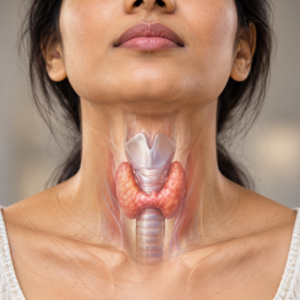
- Hashimoto’s Thyroiditis: This is an autoimmune disorder in which the immune system attacks the thyroid gland, often leading to hypothyroidism. Ayurveda management typically focuses on improving metabolism, supporting digestion, reducing stress, and promoting overall hormonal balance.
- Multiple Sclerosis (MS): Multiple Sclerosis affects the central nervous system and can lead to muscle weakness, fatigue, and coordination difficulties. Ayurvedic therapies may be used to support nervous system health, manage stress, and promote overall well-being alongside conventional treatment.
- Ankylosing Spondylitis: Ankylosing Spondylitis primarily affects the spine and can cause chronic pain and stiffness. Ayurveda may help support mobility, reduce discomfort, and improve daily functioning through personalised therapies and lifestyle guidance.
Is Panchakarma safe for long-term immune issues?
For many people who are suffering from long-term immune-related conditions, Panchakarma is generally considered safe for them. But it needs to be performed under the supervision of a qualified Ayurvedic practitioner. However, its safety and effectiveness depend on several factors, including the individual’s health condition, age, strength, medical history, and the severity of the disease.
Why Panchakarma May Be Helpful for Long-Term Immune Issues:
- Supports Detoxification: The theory that Ayurveda suggests is that toxins are responsible for causing long-term illnesses. Panchakarma therapy focuses on detoxification and the functioning of the body.
- Help Reduce Chronic Inflammation: Many chronic disorders of immunity lead to inflammation. Specific Panchakarma procedures, dietary tips, and Ayurvedic remedies can soothe the inflammatory response and increase physical well-being.
- Improves Digestive Health: Ayurveda considers strong digestion (Agni) essential for maintaining health. Panchakarma helps to strengthen digestive function, improve nutrient absorption, and reduce the formation of Ama, which may support long-term wellness.
What precautions are needed during treatment?
Panchakarma is a powerful Ayurvedic detoxification and rejuvenation therapy that requires proper preparation, supervision, and aftercare to achieve the best results. Following the recommended precautions can help ensure the treatment is safe, effective, and comfortable.
- Consulting a Qualified Ayurvedic Practitioner
It’s important to understand through assessment by an experienced Ayurvedic doctor before starting Panchakarma. They will create a personalised treatment plan, body condition, dosha imbalance, and digestive strength.
2. Inform Your Doctor About Existing Health Conditions
Always share complete information about:
- Autoimmune disorders
- Diabetes
- Heart disease
- High blood pressure
- Thyroid disorders
- Recent surgeries
- Pregnancy or breastfeeding
- Current medications and supplements
This helps the practitioner determine whether Panchakarma is suitable and which therapies are safest for you.
3. Follow Dietary Guidelines Strictly
Diet plays a crucial role during Panchakarma. Patients are usually advised to:
- Eat light, freshly prepared meals
- Avoid processed and junk foods
- Reduce spicy, oily, and heavy foods
- Drink adequate warm water
- Follow the specific diet recommended by the practitioner
4. Avoid Intense Physical Activity
Heavy exercise, strenuous workouts, and physically demanding activities are generally discouraged during treatment. Gentle walking, stretching, or yoga may be recommended depending on your condition.
5. Avoid Alcohol, Smoking, and Other Toxins
Alcohol, tobacco, and recreational substances can interfere with the cleansing process and reduce the benefits of treatment. They are generally avoided throughout the Panchakarma program.
6. Follow the Complete Treatment Schedule
Panchakarma is a step-by-step process that includes preparation, cleansing, and recovery phases. Skipping sessions or ending treatment early may reduce its effectiveness. It is important to complete the program as advised.
Conclusion
Managing autoimmune disorders requires a comprehensive approach. It supports both physical and emotional well-being. Panchakarma offers a natural, holistic Ayurvedic approach. It focuses on detoxification, digestive health, and stress reduction. It is not a replacement for conventional medical treatment. It can serve as a valuable complementary therapy when administered under professional supervision.
At Vrindavan Ayurveda Chikitsalyam, our experienced Ayurvedic practitioners carefully assess each individual’s condition. They do so before recommending a personalised Panchakarma program. Whether you are dealing with chronic inflammation, autoimmune challenges, or recurring health imbalances. Ayurveda approach may help you move toward better health and improved quality of life. With the right guidance, Panchakarma can become an important part of your journey. Toward achieving balance, vitality, and holistic well-being.
Frequently Asked Questions (FAQs)
1. Can Panchakarma cure autoimmune diseases?
Panchakarma is not considered a cure for autoimmune diseases. However, it may help manage symptoms, improve overall health, reduce inflammation, and support immune balance when combined with appropriate medical care.
2. How does Panchakarma help people with autoimmune disorders?
Panchakarma aims to remove accumulated toxins (Ama), improve digestion, reduce stress, support circulation, and restore doshic balance, all of which may contribute to better overall well-being.
3. Can Panchakarma be performed during an autoimmune flare-up?
It depends on the severity of the flare-up. Mild symptoms may allow modified therapies, while severe flare-ups often require stabilisation before intensive Panchakarma procedures are recommended.
4. Which autoimmune conditions may benefit from Ayurvedic support?
Conditions such as rheumatoid arthritis, psoriasis, Hashimoto’s thyroiditis, multiple sclerosis, and ankylosing spondylitis may benefit from personalised Ayurvedic care and lifestyle recommendations.
5. Is Panchakarma safe for long-term immune-related conditions?
When performed under the supervision of qualified Ayurvedic practitioners, Panchakarma is generally considered safe for many individuals with chronic immune-related conditions. Treatment plans should always be customised according to the individual’s health status.
6. How long does a Panchakarma program usually last?
The duration varies depending on the individual’s condition, treatment goals, and practitioner recommendations. Programs may range from a few days to several weeks.