Introduction
Do you usually feel bloated, heavy, or uncomfortable after meals?
Many people experience digestive issues despite eating a healthy diet over time. These problems can affect energy levels, immunity, and overall well-being.
Ayurveda Therapy for Digestive Detox & Gut Health supports healthy digestion through personalised Ayurvedic therapies, dietary guidance, lifestyle changes, and, when appropriate, Panchakarma procedures. In Ayurveda, maintaining balanced Agni (digestive fire) supports proper digestion and overall well-being.
At Vrindavan Ayurveda Chikitsalayam (VVAC), we believe that Panchakarma is not a quick detox trend but a personalised therapeutic process designed to restore digestive balance.
Our experienced Ayurvedic physicians carefully assess each individual’s body constitution (Prakriti), Dosha imbalance, digestive strength, and overall health before recommending any cleansing therapy.
In this blog, we’ll explore how often gut detox should be performed, who may benefit from it, and why individualised care is the cornerstone of successful Panchakarma treatment.
What is digestive detox in Panchakarma?
In Panchakarma, digestive detox is an Ayurvedic process. This process aims to improve digestion by removing Ama (metabolic toxins or undigested waste) from the body and restoring the balance of the digestive fire, known as Agni.
In Ayurveda, good digestion is considered the foundation of health because proper digestion helps the body absorb nutrients efficiently and eliminate waste effectively.
Digestive detox is important because, over time, Ama may contribute to symptoms such as:
- Frequent bloating
- Gas and acidity
- Constipation
- Indigestion
- Loss of appetite
- Feeling heavy after meals
- Coated tongue
- Bad breath
- Fatigue after eating
- Irregular bowel movement
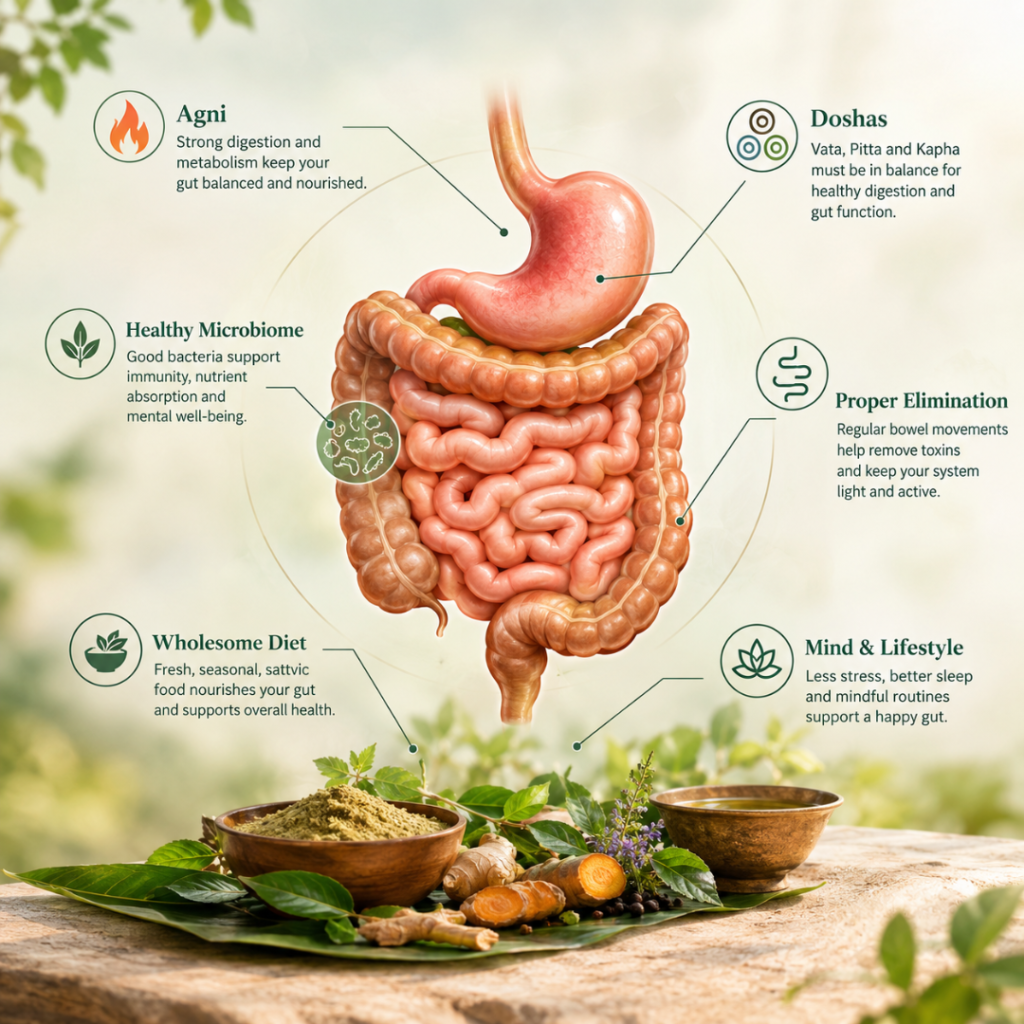
Ayurveda Therapy for Digestive Detox & Gut Health: How Does Panchakarma Support Digestion?
Gut health plays a vital role in digestion, immunity, metabolism, and overall well-being. If your gut is not functioning properly, you may experience symptoms such as bloating, constipation, acidity, irregular bowel movements, fatigue, or poor nutrient absorption.
To learn how Panchakarma may fit into a personalised Digestive Detox & Gut Health wellness plan, explore thePanchakarma Therapy for Digestive Detox & Gut Health page. You can also consult an Ayurvedic physician for personalised guidance.
Here are some key points:
1. Strengthens Digestive Fire (Agni)
In Ayurveda, Agni digests food, absorbs nutrients, and eliminates waste. When Agni weakens, digestion slows. This leads to problems such as indigestion and bloating. It also causes Ama to form.
Panchakarma therapies can help with this issue. These therapies, combined with diet advice, help restore Agni and balance digestion. As a result, the body processes food efficiently and makes better use of nutrients, following the principles of Ayurvedic medicine and the concept of Agni.
2. Helps Remove Ama (Metabolic Waste)
Ayurveda describes Ama as the waste that our body makes when it does not digest food properly. This waste can. Cause trouble. It is like a blockage that stops our body from working.
Through preparatory procedures like Snehana (oleation) and Swedana (herbal steam therapy), followed by cleansing therapies such as Virechana or Basti, Panchakarma aims to eliminate Ama and support healthier digestion.
3. Supports Healthy Bowel Movement
Digestive disorders may involve constipation, irregular bowel habits, or incomplete evacuation. Certain Panchakarma therapies, particularly Basti (medicated enema), are traditionally used to balance Vata Dosha.
Which governs intestinal movement. Bati may improve bowel regularity and reduce abdominal discomfort in appropriate individuals.
4. Helps reduce stress that affects the gut
The gut and brain are closely connected through the gut-brain axis. Chronic stress can be the reason for bloating, abdominal discomfort, and altered bowel habits. Panchakarma therapies such as Abhyanga and Shirodhara may help reduce stress and promote relaxation.
5. Promotes Healthy Lifestyle Habits
Panchakarma is not only about cleansing therapies. It also emphasises sustainable lifestyle changes, including:
- Eating freshly prepared, easily digestible meals
- Maintaining regular meal timings
- Avoiding overeating
- Staying physically active
- Sleeping adequately
- Managing stress through yoga and meditation
These habits are well-recognised contributors to long-term digestive wellness.
Who should undergo digestive cleansing?
In Panchakarma, digestive cleansing is not a routine procedure for everyone. According to Ayurveda, it is recommended after a qualified Ayurvedic physician’s assessment.
The doctor evaluates your Prakriti (body constitution), Dosha imbalance, digestive strength (Agni), overall health, and the presence of Ama (metabolic waste) before recommending any cleansing therapy.
Who may benefit from Digestive cleansing
1. People with chronic constipation: Continuously, if you are feeling heaviness after meals, slow digestion, or discomfort after eating. Panchakarma aims to restore digestive balance and improve the body’s ability to process food efficiently.
2. Frequent bloating and gas: Bloating, gas formation, or feeling too full in the stomach can be due to poor digestion or Vata imbalance. Panchakarma treatment is considered to aid proper digestion.
3. Loss of Appetite: A poor appetite may be a sign of weakened digestive fire (Mandagni). Panchakarma, along with personalised dietary guidance, aims to stimulate healthy digestion and improve appetite according to Ayurvedic principles.
Digestive cleansing may not be suitable for everyone. It is generally postponed or avoided in people who are:
- Pregnant and breastfeeding
- Experiencing a high fever or an acute infection
- Recovery from major surgery
- Severely weak, dehydrated
- Living with a certain serious medical condition
Panchakarma should never be self-administered at home without professional guidance.
Is digestive detox safe for weak digestion?
In Ayurveda, weak digestion is referred to as Mandagni. This is a condition in which the digestive fire is not strong enough to digest food.
Panchakarma can be safe for people with weak digestion. Always remember it needs to be performed under the supervision of a qualified Ayurvedic physician.
When carefully planned, Panchakarma may help by:
Strengthening Agni: Ayurveda aims to restore balanced digestive fire so that food is digested better.
Reducing Ama: Incomplete digestion leads to the formation of Ama (metabolic waste), which may contribute to digestive discomfort.
Improving Bowel Function: Individuals who are facing constipation or irregular bowel movements due to Vata imbalance can be recommended to try Basti therapy.
Supporting Healthy Eating Habits: A structured post- treatment diet plan (Samsarjana Karma) helps rebuild the digestive system through light, digestible food before going back to a normal diet plan.
Tips for People with Weak Digestion
Along with professional guidance, Ayurveda recommends:
- Eating freshly prepared, warm meals
- Avoiding overeating
- Eating at regular times
- Limiting highly processed and very oily foods
- Drinking adequate fluids
- Managing stress through relaxation techniques
- Getting sufficient sleep
These habits can help support healthy digestion regardless of whether Panchakarma is undertaken.
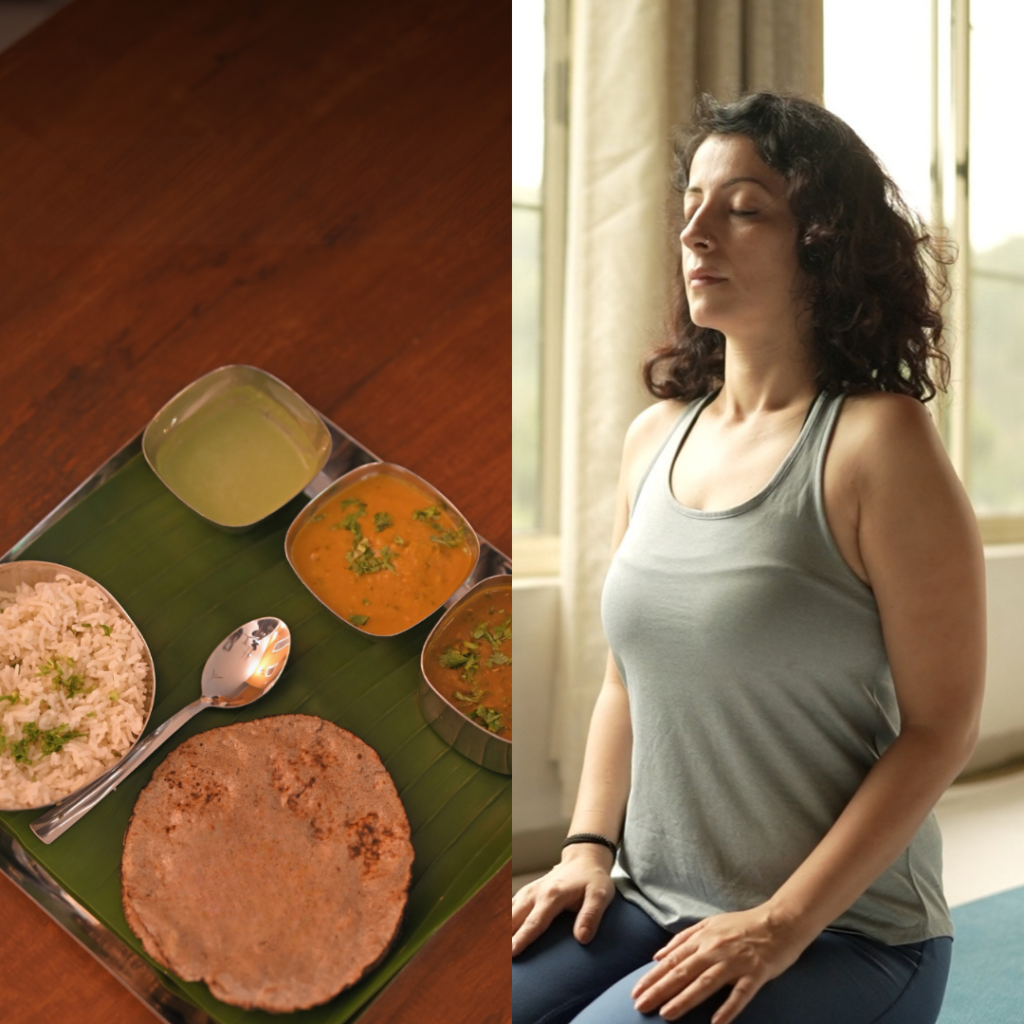
How often should a gut detox be done?
In Panchakarma, there is no fixed schedule for gut detox. It depends on your body condition, Dosha imbalance, digestive health, age, lifestyle, and overall medical condition.
Panchakarma is generally recommended:
1. For Preventive Wellness
Healthy individuals may undergo Panchakarma once or twice a year.
2. For Chronic Digestive problems
People who are facing conditions such as indigestion, bloating, constipation, or recurrent digestive discomfort may require a treatment plan designed specially for their needs. Repeated detox sessions should only be performed after reassessment rather than on a fixed schedule.
3. After Previous Panchakarma
Following a Panchakarma program, Ayurveda emphasises maintaining the benefits through:
- A balanced diet
- Healthy daily routines (Dinacharya)
- Seasonal practices (Ritucharya)
- Regular exercise
- Adequate sleep
- Stress management
If these habits are maintained, frequent detoxification is usually unnecessary.
Conclusion
Gut detox through Panchakarma is not about frequent cleansing—it is about restoring balance and supporting the body’s natural digestive functions. Ayurveda recognises that every individual has unique health needs.
For some, seasonal Panchakarma may be sufficient, while others with chronic digestive concerns may require a personalised treatment plan under professional supervision.
At Vrindavan Ayurveda Chikitsalayam (VVAC), with detailed Ayurvedic assessment, individualised Panchakarma therapies, therapeutic diets, and lifestyle guidance, we aim to help patients build stronger digestion and long-term wellness.
If you are experiencing persistent digestive discomfort or are considering Panchakarma for preventive health, consult our qualified Ayurvedic physicians to determine the most appropriate approach for your unique needs.
Frequently Asked Questions (FAQs)
1. How often should I undergo Panchakarma for gut detox?
For most healthy individuals, Panchakarma may be recommended once or twice a year, especially during seasonal transitions. However, the ideal frequency depends on your body constitution, digestive health, and the advice of your Ayurvedic physician.
2. Can I do a gut detox every month?
No. Panchakarma is a therapeutic medical procedure, not a monthly detox program. Frequent cleansing without proper assessment may weaken digestion according to Ayurvedic principles.
3. Who should consider gut detox through Panchakarma?
People with chronic indigestion, bloating, constipation, poor appetite, recurrent digestive discomfort, or those seeking preventive wellness may benefit from a proper Ayurvedic evaluation.
4. How long does a Panchakarma gut detox program take?
The duration varies depending on the individual’s health condition and treatment plan. A complete Panchakarma program lasts 7 to 21 days, although shorter or longer programs may be recommended based on clinical assessment.
6. Can Panchakarma improve gut health naturally?
According to Ayurveda, Panchakarma supports gut health by strengthening Agni, balancing the Doshas, promoting healthy bowel function, and encouraging sustainable dietary and lifestyle habits. View it as part of a comprehensive wellness approach, not a substitute for conventional medical treatment.