Introduction
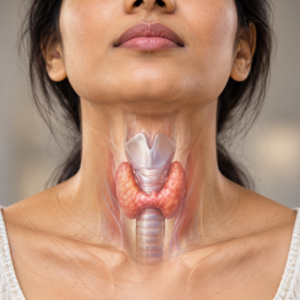
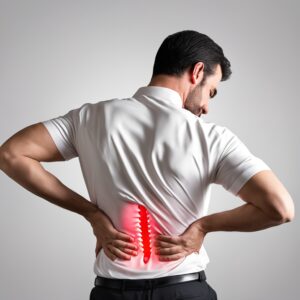
After a long working day, do you also feel neck stiffness? Do you also feel difficulty turning your head or back pain?
Nowadays, this is a very common problem for many people. People think it is normal and don’t focus on it because of their busy lifestyles. Painkillers and temporary treatments may provide short-term relief. They often don’t address the underlying cause.
Ayurveda takes a different approach. It restores balance in the body. It supports the body’s natural healing process. Panchakarma is a detoxification and rejuvenation therapy of Ayurveda. It is widely used to manage cervical and lumbar spondylosis. Panchakarma combines therapeutic oil massages, herbal steam therapies, and medicated treatments. It also includes personalised lifestyle guidance. Panchakarma aims to reduce pain. It improves flexibility and promotes long-term spine health.
In this blog, we’ll explore how Panchakarma helps manage spondylosis, the therapies commonly used, whether it is suitable for office workers, and how often treatment may be recommended for lasting results.
How does Panchakarma help spondylosis?
Spondylosis develops from age-related wear and tear of the spine. This can affect the neck (cervical spondylosis), middle back (thoracic spondylosis), or lower back (lumbar spondylosis). As the spine loses elasticity and cushioning, symptoms can include constant pain, stiffness, tightness, and decreased range of motion. In some cases, nerves become pinched, causing numbness.
In Ayurveda, spondylosis is associated with the Vata Dosha. It governs movement, joints, bones, and the nervous system. When Vata is imbalanced, it can lead to dryness, pain, and stiffness in the spine.
At Vrindavan Ayurveda Chikitsalyam, the treatment plan is designed after understanding the patient’s condition.
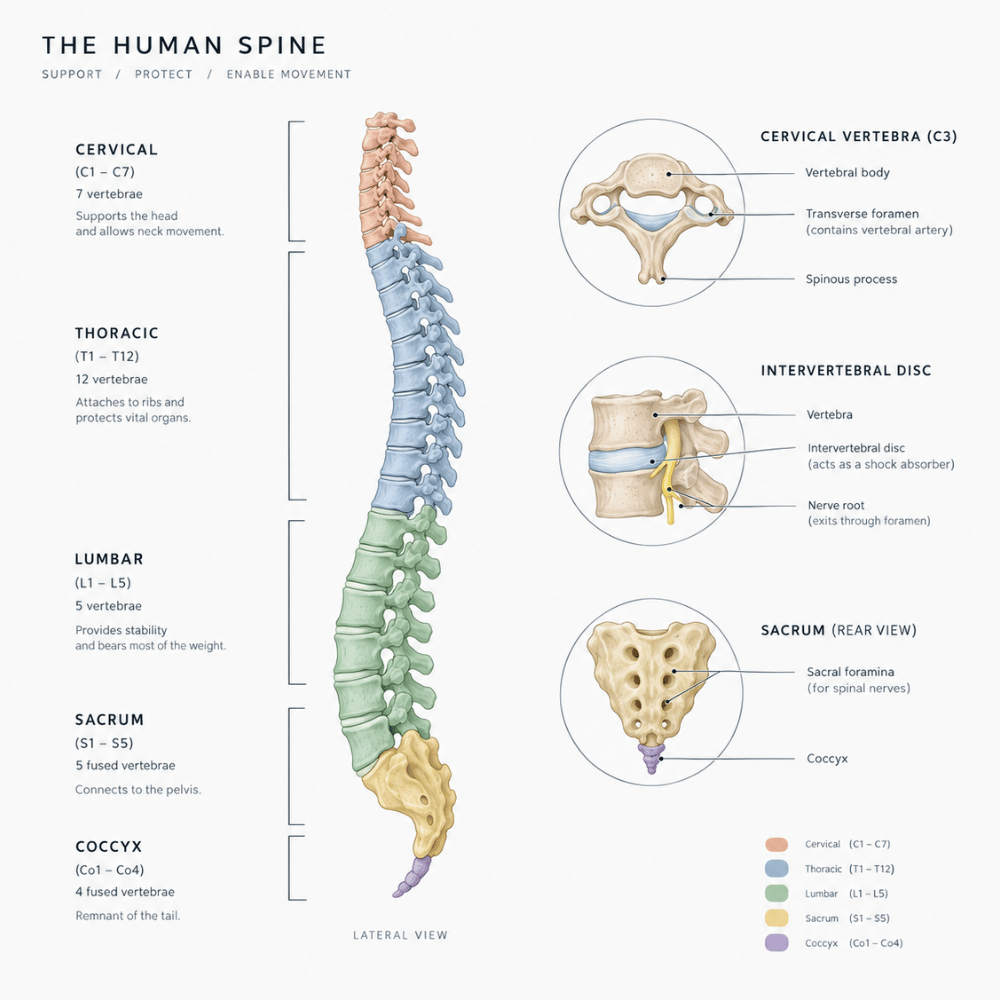
Here is how Panchakarma may help:
1. Helps Balance Aggravated Vata
Panchakarma’s first objective is to pacify Vata, as Ayurveda considers it the primary cause of degenerative spinal problems. Warm oil therapies nourish the joints and muscles and reduce their dryness.
2. Reduces Pain and Muscle Tightness
Therapies like Abhyanga (medicated oil massage) and Swedana (herbal steam therapy) help relax muscles, improve circulation, and reduce stiffness. Many people notice better comfort and easier movement after a course of treatment.
3. Improve Spinal Flexibility
Regular Panchakarma therapies help loosen tight muscles and improve joint mobility. As inflammation and stiffness decrease, patients often find it easier to perform daily activities with less discomfort.
4. Removes Ama (Metabolic Toxins)
In Ayurveda, Ama buildup can clog the body’s pathways and aggravate inflammation and pain. Panchakarma treatment helps cleanse the body of Ama, improving blood flow and supporting healing.
Can neck and lower back pain be managed naturally?
Neck and lower back pain can be managed naturally if the pain is caused by poor posture, muscle strain, or age-related wear and tear.
Natural ways to manage Neck and lower back pain
1. Ayurvedic Therapies: Panchakarma therapy is one of the most effective natural approaches. Panchakarma aims to reduce the root cause of pain by balancing doshas, improving circulation, and nourishing the affected muscles and joints.
2. Correct Posture: Nowadays, people spend hours sitting at desks or looking down at their mobile phones, which can be a cause of constant stress on the neck and lower back.
Simple habits that can help include:
- Sitting with proper back support.
- Keeping computer screens at eye level.
- Avoiding prolonged sitting without movement.
- Taking short stretching breaks every 30–60 minutes.
- Using supportive pillows and mattresses.
Good posture reduces unnecessary pressure on the spine and helps prevent recurring pain.
3. Regular Stretching and Gentle Exercise
A weak core and tight muscles often contribute to neck and lower back pain. Gentle exercises help strengthen the muscles that support the spine while improving flexibility.
Activities such as:
- Walking
- Yoga
- Gentle spinal stretches
- Core-strengthening exercises
Improve posture, reduce stiffness, and lower the risk of future pain episodes.
Which therapies reduce stiffness?
If you have stiffness in your neck, back, joints, or muscles, it can make everyday activities uncomfortable. Stiffness can result from prolonged sitting, poor posture, muscle strains, arthritis, old age, and inflammation. According to Ayurvedic principles, stiffness occurs due to imbalances in Vata Dosha and Kapha Dosha.
Panchakarma offers therapies that naturally reduce stiffness by improving circulation, relaxing muscles, nourishing joints, and restoring balance in the body. At Vrindavan Ayurveda Chikitsalayam, these therapies are carefully selected based on the patient’s condition, body constitution, and symptom severity.
To learn how Panchakarma may fit into a personalised Cervical & Lumbar Spondylosis wellness plan, explore the Panchakarma Therapy for Cervical & Lumbar Spondylosis page. You can also consult an Ayurvedic physician for personalised guidance.
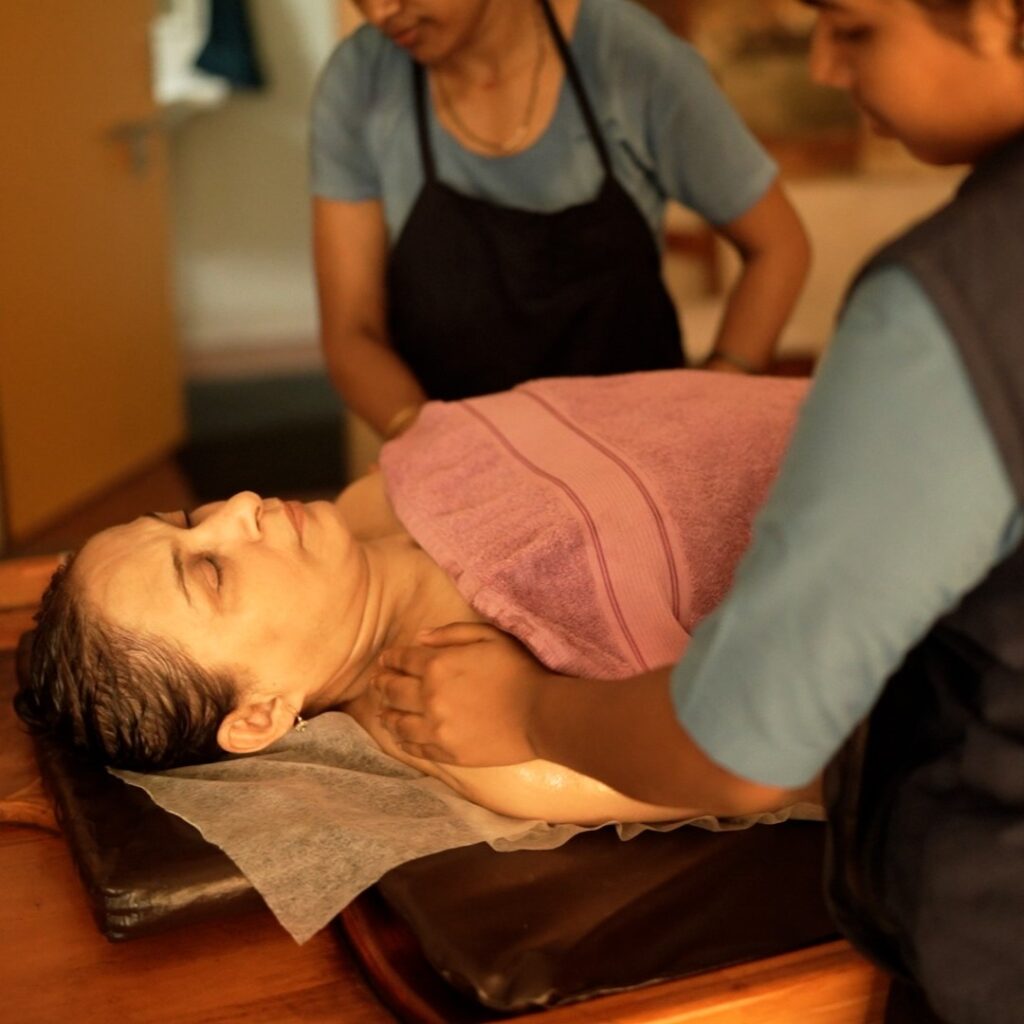
1. Abhyanga (Full-Body Medicated Oil Massage)
Abhyanga is one of the most common therapies that is recommended for stiffness. Warm herbal oils are gently massaged over the body using rhythmic strokes.
How it helps:
- Relaxes tight muscles and soft tissues.
- Improves blood circulation.
- Lubricates joints and reduces dryness.
- Helps ease body stiffness and improve flexibility.
- Promotes overall relaxation and better mobility.
Many people feel lighter and more comfortable after regular Abhyanga sessions.
2. Swedana (Herbal Steam Therapy)
Swedana is usually performed after Abhyanga. The body is exposed to medicated herbal steam, allowing warmth to penetrate deep into the muscles and joints.
How it helps:
- Loosens stiff muscles.
- Reduces joint tightness.
- Improves flexibility and movement.
- Encourages sweating, which supports the elimination of metabolic waste (Ama).
- Enhances the effects of oil massage.
This therapy is especially beneficial for people who wake up with stiffness or experience restricted movement after sitting for long periods.
3. Patra Pinda Sweda (Herbal Leaf Poultice Therapy)
In this therapy, warm herbal leaves are tied into cloth boluses and gently massaged over the affected areas.
How it helps:
- Relieves muscle tightness.
- Reduces inflammation and pain.
- Improves blood circulation.
- Enhances joint mobility.
- Helps restore flexibility in chronic musculoskeletal conditions.
It is often recommended for stiffness caused by cervical spondylosis, lumbar spondylosis, arthritis, and sports-related muscle pain.
4. Kati Basti (Lower Back Oil Therapy)
For people with lower back stiffness, Kati Basti provides focused care. Warm medicated oil is retained over the lower back for a specific duration using a dough ring.
How it helps:
- Deeply nourishes the spinal muscles and tissues.
- Relieves lower back stiffness.
- Improves flexibility.
- Reduces discomfort caused by prolonged sitting or degenerative spine conditions.
5. Greeva Basti (Neck Oil Therapy)
When stiffness affects the neck, Greeva Basti is often recommended.
How it helps:
- Relaxes tense neck muscles.
- Improves neck mobility.
- Reduces cervical stiffness.
- Supports healthy movement of the cervical spine.
It is commonly used by people with cervical spondylosis and chronic neck strain.
6. Basti (Medicated Enema Therapy)
In Ayurveda, Basti is considered one of the most effective treatments for balancing Vata Dosha, the primary dosha involved in stiffness and degenerative disorders.
How it helps:
- Addresses stiffness from its root cause by balancing Vata.
- Nourishes deeper tissues and joints.
- Supports long-term flexibility.
- Helps manage chronic musculoskeletal conditions.
Basti is typically recommended as part of a personalized Panchakarma program rather than as a standalone therapy.
7. Pizhichil (Warm Oil Therapy)
Pizhichil involves the continuous pouring of warm medicated oil over the body while a gentle massage is performed simultaneously.
How it helps:
- Deeply relaxes muscles.
- Reduces stiffness throughout the body.
- Improves circulation.
- Nourishes joints and soft tissues.
- Promotes overall relaxation and mobility.
It is particularly helpful for people with widespread body stiffness, arthritis, or age-related joint discomfort.
Is Panchakarma suitable for office workers?
Panchakarma benefits many office workers. Office workers sit at desks for hours. They use computers. They face high mental stress. Sitting too long can cause neck and back pain. Poor posture and repetitive movements can also cause pain. Irregular habits cause stiff shoulders and fatigue. These habits can also cause digestive issues, poor sleep, and stress. Panchakarma helps by restoring body harmony.
In Ayurveda, sitting for long periods, too much screen time, stress, and irregular meals can upset Vata Dosha. Vata governs movement, the nervous system, and joints. Over time, this may lead to joint stiffness, muscle strain, poor blood flow, and low energy. Panchakarma treatments aim to restore Vata balance while rejuvenating the body.
How Panchakarma Can Help Office Workers
- Relieves Neck and Back Pain: Sitting for prolonged periods with bad posture may lead to strains on the neck and back muscles and joints. Various treatments like Abhyanga, Greeva Basti, and Kati Basti are for the relaxation of stiff muscles.
- Reduces Muscle Stiffness: Sitting in one position for a long time often leads to stiffness in the neck, shoulders, and lower back. Treatments such as Swedana and Patra Pinda Sweda help relax stiff muscles and regain flexibility.
- Supports Better Posture and Mobility: Panchakarma can make it easier to maintain a healthier posture and move more comfortably during daily activities.
- Promote Long-term Wellness: Panchakarma is not a quick fix. It focuses on long-term wellness through detoxification and deep rejuvenation while encouraging a balanced way of living.
How often should therapy be repeated?
The frequency of Panchakarma therapy depends on your health condition, age, lifestyle, treatment goals, and your body’s response to therapy. One schedule does not fit all. Some individuals might need only one treatment session to get the desired results. Other individuals with chronic disorders may need repeated sessions.
Factors That Determine How often Panchakarma is Needed
1. Chronic health condition
Individuals suffering from persistent musculoskeletal issues often need several treatment cycles. These issues include cervical and lumbar spondylosis, arthritis, sciatica, or recurring muscular discomfort. Multiple cycles help achieve comprehensive healing.
2. Preventive Wellness
Panchakarma is not only used for treating illness but also for maintaining overall health. Many people choose to undergo Panchakarma once or twice a year.
Following Ayurvedic Recommendations
The benefits of Panchakarma often last longer when combined with:
- A balanced Ayurvedic diet.
- Regular physical activity or yoga.
- Good posture and ergonomic habits.
- Adequate sleep.
- Stress management techniques.
- Prescribed Ayurvedic medicines, when recommended.
Conclusion
Spondylosis can affect your comfort. It can also affect your mobility and quality of life. Panchakarma offers a holistic approach. It addresses the root causes of pain and stiffness. It does not simply mask the symptoms. Panchakarma balances Vata Dosha. It improves circulation and relaxes muscles. It nourishes the spine and joints. This supports natural healing and long-term well-being.
At Vrindavan Ayurveda Chikitsalayam, every treatment plan is carefully tailored to each individual. The plan considers the person’s condition, body constitution, and health goals. Patients receive Panchakarma therapies. They also get personalized guidance on diet, lifestyle, yoga, and Ayurvedic medicines. This supports sustainable recovery. If you have chronic neck pain, back pain, or stiffness from spondylosis, consult an experienced Ayurvedic physician. They can help you find a safe and personalized treatment plan. The plan will focus on improving your overall quality of life.
Frequently Asked Questions (FAQs)
1. Can Panchakarma cure spondylosis completely?
Panchakarma helps manage the symptoms of spondylosis by reducing pain, stiffness, and inflammation while improving mobility. However, it cannot reverse advanced structural changes in the spine. The goal is to improve function and quality of life naturally.
2. How long does it take to see results from Panchakarma?
Many people notice improvements in pain and flexibility within a few days or weeks, but the results depend on the severity of the condition, overall health, and consistency with the treatment plan.
3. Is Panchakarma painful?
No. Most Panchakarma therapies are gentle and relaxing. Treatments such as Abhyanga, Swedana, and Basti are designed to support healing while keeping the patient comfortable.
4. Can office workers benefit from Panchakarma?
Yes. Office workers who spend long hours sitting or working on computers often experience neck pain, lower back pain, and muscle stiffness. Panchakarma may help relieve these symptoms while improving posture and flexibility.
5. How often should Panchakarma be repeated?
The frequency depends on your health condition, lifestyle, age, and treatment goals. Some people undergo Panchakarma once or twice a year for preventive care, while others with chronic conditions may require follow-up sessions as advised by their Ayurvedic physician.
6. Can Panchakarma be combined with modern medical treatment?
In many cases, Panchakarma can complement conventional treatment. However, it should always be performed under the guidance of a qualified Ayurvedic physician, and you should inform both your Ayurvedic and allopathic doctors about any ongoing treatments.
7. Who should avoid Panchakarma?
Panchakarma may not be suitable during pregnancy, acute infections, severe illness, or certain medical emergencies. An Ayurvedic consultation is essential to determine whether the treatment is appropriate for your condition.