Inrocuction
The preference for Ayurvedic healthcare is growing amongst many CGHS patients. Ayurveda aims to heal disease from its roots, not just deal with the symptoms. Many individuals affected by various ailments, including arthritis, diabetes, indigestion, stress, and joint pains, are opting for the Ayurvedic treatment process.
Choosing the best CGHS empanelled Ayurvedic hospital for your treatment is imperative. The effectiveness and success of your treatment process depend on the hospital you choose. Each facility is different and has its own strengths and weaknesses.
What is a CGHS Ayurvedic Hospital?
A CGHS-empanelled Ayurvedic hospital is a healthcare facility approved by the Central Government Health Scheme (CGHS) to provide Ayurvedic treatment to eligible beneficiaries.
There are some specific criteria that hospitals must follow :
- Qualified Ayurvedic doctors: The hospital must have experienced and registered Ayurvedic specialists.
- Effective infrastructure: The hospitals should have sufficient inpatient beds, consultation rooms, and treatment areas.
- Panchakarma Facilities: For panchakarma treatment, the hospital should have properly equipped therapy rooms and trained therapists.

Why Choosing the Right Ayurvedic Hospital Matters
Many people feel that all hospitals are the same when it comes to their treatments and medical facilities. However, this is not the case. A correct choice of hospital can provide the following advantages:
- Improved diagnosis
- Experience of Ayurvedic practitioners
- Individual treatment
- Good medicine quality
- Safe therapies
- Effective patient support
- Quick recovery
Conversely, a lack of prior research can lead to disappointment and dissatisfaction.
Verifying a CGHS Empanelled Hospital
You can do this by referring to the official document by the central government. This lists the hospitals empanelled under the Central Government Health Scheme. You can check the list by clicking this link: https://cghs.mohfw.gov.in/AHIMSG5/hissso/empanelledLogin

Evaluate the Hospital’s Reputation
When evaluating reputation, look for:
- Patient reviews
- Testimonials
- Recommendations
- Healthcare ratings
- Years of service
A good reputation for a hospital usually implies reliability. The experiences of others could assist you in making a decision.
Assess the Experience of Ayurvedic Doctors
Before selecting a hospital, gather information about:
- Qualifications of doctors
- Years of experience
- Specialisation areas
- Clinical expertise
- Success in treating specific diseases
Check Available Ayurvedic Specialities
Every hospital might concentrate on a specific field. Some hospitals have gained fame in dealing with joint ailments. Other hospitals might specialize in digestive, skin, respiratory, or lifestyle diseases. It is advisable to pick a suitable hospital for your treatment needs.
Common Ayurvedic specialties include:
Joint and Bone Disorders
These include:
- Arthritis
- Osteoarthritis
- Rheumatoid arthritis
- Back pain
- Cervical pain
Lifestyle Diseases
These include:
- Diabetes management
- Obesity
- Hypertension support
- Metabolic disorders
Skin Conditions
These include:
- Psoriasis
- Eczema
- Acne
- Allergies
Women’s Health
These include:
- PCOS
- Menstrual disorders
- Hormonal imbalance
Digestive Disorders
These include:
- Acidity
- Indigestion
- Constipation
- IBS
Choosing a hospital with expertise in your specific condition can improve treatment effectiveness.
Look at the Treatment Facilities
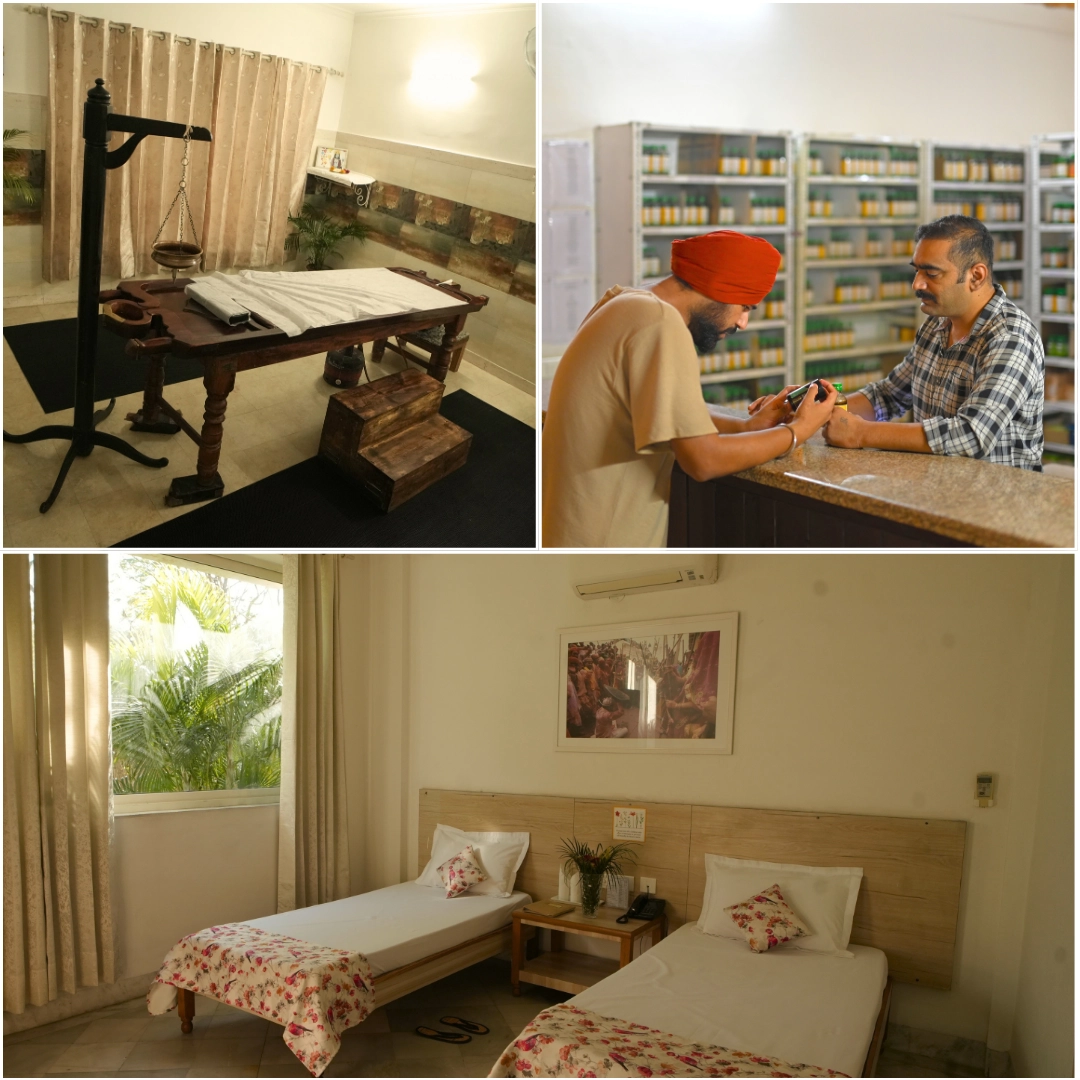
A good Ayurvedic hospital should provide complete treatment support. The facility should be clean, organised, and patient-friendly.
Check whether the hospital offers:
- Consultation rooms
- Panchakarma units
- Therapy rooms
- Pharmacy services
- Diagnostic support
- Inpatient facilities
Modern infrastructure can enhance the treatment experience. Patients feel more comfortable when facilities are well-maintained.
Availability of Panchakarma Therapies
Panchakarma is one of the most essential Ayurveda treatment methods. Many patients come to Ayurveda hospitals only for Panchakarma treatments. The best Ayurveda hospital provides well-managed Panchakarma treatments.
Popular therapies include:
- Abhyanga
- Shirodhara
- Virechana
- Basti
- Nasya
- Swedana
These therapies should be administered by trained professionals under medical supervision. Always ask about therapist qualifications and treatment protocols.
Quality of Ayurvedic Medicines
Medicines are a critical part of treatment. The effectiveness of treatment depends significantly on the quality.
Ask whether the hospital:
- Uses certified medicines
- Sources medicines from trusted manufacturers
- Maintains proper storage conditions
- Provides genuine Ayurvedic formulations
Poor-quality medicines can affect treatment outcomes. Trusted hospitals generally follow strict quality standards.
Check Hygiene and Cleanliness Standards
Cleanliness is essential in every healthcare facility. A clean environment helps prevent infections and improves patient confidence.
Observe:
- Waiting areas
- Consultation rooms
- Therapy sections
- Washrooms
- Patient wards
A well-maintained hospital usually reflects professionalism and attention to patient care.
Consider Hospital Location
Location is another important factor. Some treatments require multiple visits. Long-distance travel can become difficult for elderly patients and individuals with chronic diseases.
Choosing a conveniently located hospital can save:
- Time
- Travel expenses
- Physical effort
Easy accessibility also improves treatment continuity.
Availability of Inpatient Care
Some Ayurvedic treatments require hospital admission. This is especially true for intensive Panchakarma procedures.
If your condition requires extended treatment, check whether the hospital provides:
- Comfortable rooms
- Nursing support
- Doctor monitoring
- Diet management
Good inpatient facilities can make a significant difference during recovery.
Patient Support Services
Healthcare is not only about treatment. Patient support also matters.
Good hospitals provide:
- Appointment assistance
- Documentation support
- Treatment guidance
- Follow-up care
Efficient support services reduce stress for patients and family members.
Transparency in Treatment
A trustworthy hospital explains treatment plans clearly.
Patients should understand:
- Their diagnosis
- Recommended therapies
- Expected outcomes
- Treatment duration
- Follow-up requirements
Transparency builds trust and helps patients actively participate in their healing journey.
Follow-Up and Long-Term Care
Many chronic diseases require continuous management.
The hospital should provide:
- Regular follow-ups
- Progress monitoring
- Lifestyle recommendations
- Dietary guidance
Long-term support improves treatment success and prevents the recurrence of health problems.
Importance of Personalised Treatment
Ayurveda does not follow a one-size-fits-all approach. Each patient has a unique body constitution.
A quality Ayurvedic hospital creates individualized treatment plans based on:
- Health condition
- Age
- Lifestyle
- Medical history
- Body constitution
Personalized care is one of Ayurveda’s greatest strengths.
Compare Multiple Hospitals Before Deciding
Never choose a hospital based only on advertisements. Compare multiple options. For example, Doctors, Facilities, Reviews, Accessibility, Services, Treatment approach, etc. A careful comparison helps identify the most suitable healthcare provider.
Questions You Should Ask Before Choosing a Hospital
Before finalizing a hospital, ask these questions:
- Is the hospital currently CGHS empanelled?
- Which conditions do you specialize in?
- How experienced are your doctors?
- Do you provide Panchakarma therapies?
- Are inpatient facilities available?
- How are medicines sourced?
- What follow-up services are offered?
- How long will treatment take?
Conclusion
Selecting an empanelled Ayurvedic hospital is a critical healthcare choice that should not be overlooked or made lightly. Choosing the proper hospital will ensure one receives quality services, knowledgeable doctors, effective treatments, and overall good healthcare.
By selecting an appropriate Ayurvedic hospital, one can ensure better healthcare and improved overall well-being. All the information provided in the above article will help the CGHS empanelled persons make the most suitable choices.
Frequently Asked Questions (FAQs)
1. What is a CGHS empanelled Ayurvedic hospital?
A CGHS Ayurvedic hospital is a healthcare facility that is approved by the Central Government Health Scheme (CGHS) to provide Ayurvedic treatment and healthcare services to eligible beneficiaries.
2. Who can receive treatment at a CGHS empanelled Ayurvedic hospital?
Central Government employees, pensioners, and their eligible dependents who are registered under CGHS can receive treatment at CGHS Ayurvedic hospitals.
3. How can I check if an Ayurvedic hospital is CGHS empanelled?
You can verify the empanelment status by checking the official CGHS website, visiting a CGHS Wellness Centre, or contacting the hospital directly for the latest information.
4. Why is it important to choose the right CGHS empanelled Ayurvedic hospital?
The quality of doctors, treatment facilities, therapies, and patient care can vary between hospitals. Choosing the right hospital helps ensure better treatment outcomes and a positive healthcare experience.
5. What factors should I consider when selecting a CGHS empanelled Ayurvedic hospital?
You should consider factors such as doctors’ experience, hospital reputation, treatment facilities, Panchakarma services, hygiene standards, patient reviews, location, and follow-up care.
6. Do all CGHS empanelled Ayurvedic hospitals provide Panchakarma treatment?
Not all hospitals offer the same range of Panchakarma therapies. It is advisable to confirm the availability of specific Panchakarma treatments before choosing a hospital.
7. Is Vrindavan Ayurveda Chikitsalayam a CGHS empanelled hospital?
Yes, Vrindavan Ayurveda Chikitsalayam is a CGHS empanelled hospital.
8. What is the Experience of Ayurvedic Doctors at VVAC?
Vrindavan Ayurveda Chikitsalayam (VVAC) offers classical Kerala-style treatments led by highly trained senior doctors. You can go through our website – https://vrindavanchikitsalayam.com/treatments
9. What CGHS treatments are offered by VVAC?
Vrindavan Ayurveda Chikitsalayam (VVAC) provides comprehensive CGHS-approved treatments, including detoxification therapies like Sneha (oleation), Sweda (sudation), Virechana (purgation), and Basti (enema). Additionally, they offer specialised, traditional procedures such as Nasya, Pizhichil, Njavarakizhi, Shirodhara, and various Kizhi treatments, along with yoga and meditation.
10. How does VVAC ensure patient care and standards?
VVAC is an NABH-certified wellness center. This ensures strict adherence to national and international healthcare standards, including infection control, transparent billing, and patient safety.