Introduction
Do you wonder what causes your joint pain and stiffness? Worse with age, and it makes it harder for you to perform even simple tasks. Many people suffer from arthritis or other joint ailments. It causes chronic pain, restricted mobility, and decreases their overall quality of life. Traditional medical approaches mainly focus on symptom management. The ancient Indian science of Ayurveda addresses the root of the problem.
In this article, we explore how Panchakarma may help with arthritis management. The therapies commonly used for joint disorders, their role in osteoarthritis and rheumatoid arthritis, treatment duration, dietary recommendations, and why many patients choose Vrindavan Ayurveda Chikitsalyam for holistic Ayurvedic care.
How effective is Panchakarma for arthritis pain Relief?
Panchakarma is an effective therapy for relieving arthritis pain. Painkillers often focus on temporary symptom management. Panchakarma is designed to offer long- term sustainable relief by addressing the root causes of pain. According to Ayurveda, joint disorders are often associated with an imbalance of Vata dosha and the accumulation of Ama (toxins) in the body.
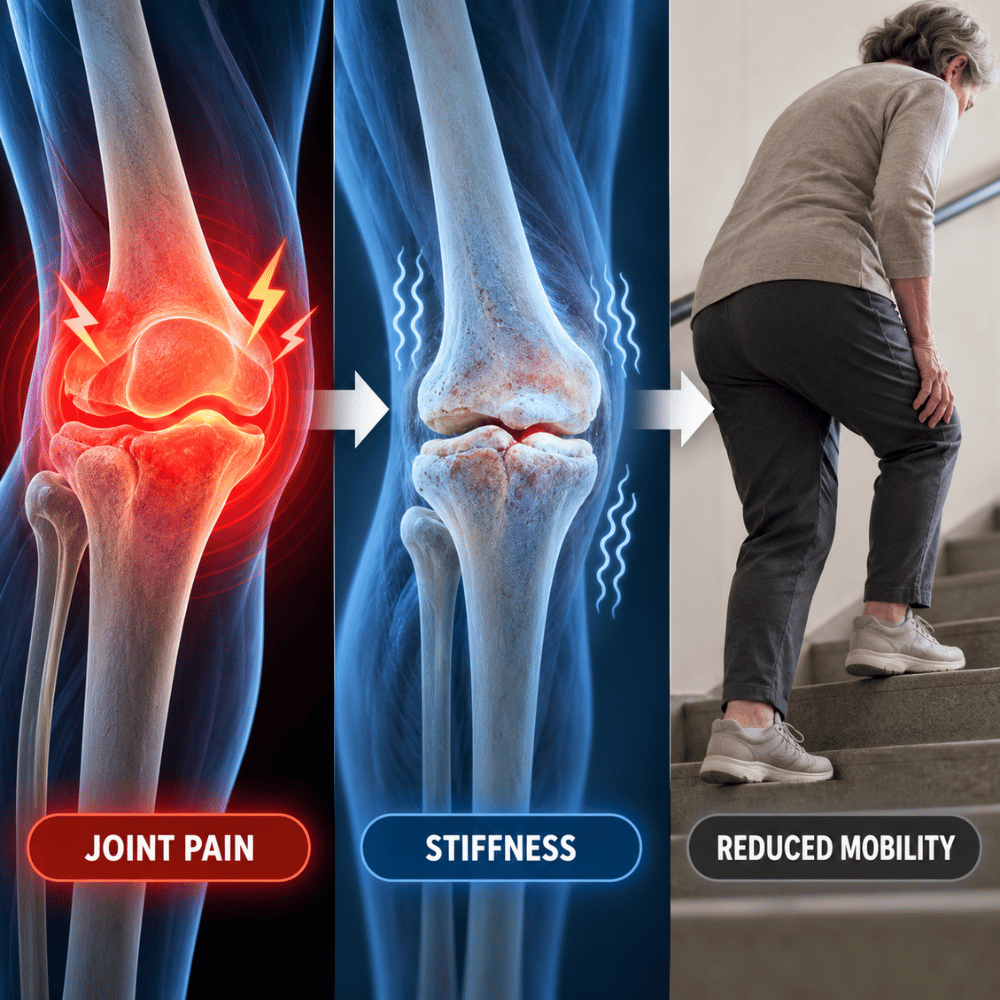
How Panchakarma Helps in Arthritis Pain Relief
- Reduces Inflammation and Swelling: Treatments include applying medicated oils, herbal remedies, and detoxification techniques, which may help reduce inflammation and swelling.
- Detoxifies Accumulated Toxins: Panchakarma treatment is based on detoxifying the body from any toxic substances, which, according to Ayurveda, are considered the main cause of joint issues.
- Improves Joint Mobility: Therapies help improve circulation, nourish tissues, and reduce stiffness, making movement easier and more comfortable.
- Supports Long-Term Joint Health: Regular treatment may help improve flexibility, support joint function, and enhance overall quality of life.
At Vrindavan Ayurveda Chikitsalyam, arthritis treatment starts with an initial consultation with skilled Ayurvedic doctors. Treatment plans are customised according to the patient’s condition, body constitution, and disease severity.
Ayurveda Treatment for Arthritis & Joint Disorders: Recommended Therapies
The choice of therapy depends on the type and severity of arthritis
To learn how Panchakarma may fit into a personalised Joint Disorder wellness plan, explore the Panchakarma Therapy for Arthritis & Joint Disorders page. You can also consult an Ayurvedic physician for personalised guidance.

1. Abhyanga: A therapeutic warm herbal oil massage. This warm healing oil massage enhances blood circulation, nourishes the body’s tissues, and lubricates the joints to reduce stiffness and improve daily flexibility.
Benefits:
- Improves blood circulation
- Relaxes muscles and joints
- Nourishes tissues
- Reduces stiffness
2. Swedana (Herbal Steam Therapy): Often following Abhyanga, this herbal steam encourages toxin release through sweat and loosens stiff joints and muscles.
Benefits:
- Relieves pain and stiffness
- Supports toxin elimination
- Improve flexibility
3. Basti: One of Ayurveda’s most important therapies for Vata disorders. It uses natural, medicated oils to remove toxins from the colon, pacify Vata, and deeply nourish and lubricate the joints, which helps reduce dryness and cracking.
Benefits:
- Helps balance Vata Dosha
- Supports detoxification
- Commonly included in chronic arthritis treatment
4. Patra Pinda Sweda: Warm herbal leaf poultices are applied to affected areas.
Benefits:
- Reduces inflammation
- Supports mobility
- Provides relief from chronic pain
5. Janu Basti: A pool of warm medicated oil is retained over the knee joint.
Benefits:
- Beneficial for knee osteoarthritis
- Supports the lubrication of points
- Reduces discomfort
5. Kati Basti: Localised oil therapy for the lower back.
Benefits:
- Helps with back pain and spondylosis
- Relieves stiffness and discomfort
How does Panchakarma help in Osteoarthritis and Rheumatoid Arthritis?
Panchakarma can be highly beneficial for both Osteoarthritis and Rheumatoid arthritis. Ayurveda recognises these as two distinct conditions with unique underlying causes, and Panchakarma therapies are tailored to address both:
How Panchakarma Helps
1. Osteoarthritis (OA): In Ayurveda, OA is viewed as an imbalance of the Vata dosha, which causes dryness, degeneration of cartilage, and reduced synovial fluid.
- Lubricating the Joints: Therapy techniques such as Abhyanga (herbal oil massage) and Swedana (steam therapy) help improve blood circulation and penetrate the tissues to relieve stiffness.
- Nourishing Tissues: Therapies such as Basti (medicated enema) work well in calming down aggravated Vata.
2. Rheumatoid Arthritis (RA)
In Ayurvedic medicine, rheumatoid arthritis (RA) is considered to be similar to Amavata. This disease develops due to excess Ama and disturbance of the immune system in the body. The Panchakarma approach includes:
- Toxin Elimination: Techniques such as Virechana help to remove the metabolic wastes and toxins accumulated in the liver and intestines, causing inflammation in the body.
- Restoration Metabolic: Blockages within the channels can be cleared through these therapies, along with strengthening of Agni to maintain proper metabolism.
How Long Does Arthritis Treatment Take in Ayurveda
Ayurvedic arthritis treatment typically takes 15 to 45 days for acute symptom relief, involving therapies such as Panchakarma. However, in the case of managing chronic disorders or joint degeneration, a well-planned multi-month therapy is required. Such a therapy would involve customised diet plans, herbs, and lifestyle routines.
Treatment Duration & Phases
The time depends on the disease severity and whether it’s Osteoarthritis or Rheumatoid arthritis. A typical intensive course is structured in phases:
- Inflammation Control (7-20 days): Focuses on alleviating pain, reducing swelling, and addressing the root cause.
- Detoxification/ Panchakarma (7-14 days): Specialised cleansing to remove toxins, clear metabolic waste from the joints, and restore digestion.
- Rejuvenation & Strengthening (7-14 days): Nourishing therapies to rebuild tissues, strengthen joints and improve mobility.
Are dietary changes required during treatment?
Yes, dietary changes are an essential part of the Panchakarma treatment process and your overall aftercare. For the body to heal itself, there are several dietary tips provided to guide you:
- Consume light food: You should eat light and easy-to-digest food both before and after your therapy treatments.
- Avoid certain foods: It is important to avoid cold, oily, and processed foods.
- Stay hydrated: You must hydrate your body properly and rest well between your sessions.
Foods Commonly Recommended
- Cooked vegetables
- Herbal teas
- Easily digestible foods
- Adequate water intake
- Warm and fresh meals
- Seasonal fruits
Foods Commonly Avoided
- Fried and oily foods
- Processed foods
- Excess sugar
- Cold foods and beverages
- Heavy meals that are difficult to digest
Lifestyle Recommendations
- Patients may also be encouraged to:
- Follow regular meal timing
- Maintain proper sleep habits
- Practice gentle yoga and stretching
- Stay physically active within their comfort level
- Manage stress effectively
Conclusion
Panchakarma offers a comprehensive Ayurvedic approach to managing arthritis and joint disorders. It focuses on detoxification, balancing doshas, and supporting overall joint health. Rather than treating symptoms alone, it supports the body’s natural healing mechanisms, helping reduce pain, stiffness, and inflammation while improving mobility and quality of life.
At Vrindavan Ayurveda Chikitsalyam, patients receive personalised treatment. Plans combine authentic Panchakarma therapies, Ayurvedic medicines, dietary guidance, and lifestyle recommendations tailored to individual needs, backed by experienced Ayurvedic doctors and Vaidyaratnam’s trusted heritage. VVAC provides holistic care in a peaceful healing environment. At VVAC, Panchakarma may help support your journey toward improved joint function, comfort, and long-term well-being.
Frequently Asked Questions (FAQs)
Q1. Is Panchakarma effective for arthritis pain Relief?
Yes, Panchakarma may help reduce joint pain, stiffness, and inflammation by detoxifying the body, balancing doshas, and improving joint mobility. Treatment is customised according to the patient’s condition and health needs.
Q2. Which Panchakarma therapies are commonly used for arthritis and joint disorders?
Common therapies include Abhyanga (oil massage), Swedana (herbal steam therapy), Basti (medicated enema), Janu Basti, Kati Basti, and Patra Pinda Sweda. The choice of therapy depends on the type and severity of the joint condition.
Q3. Can Panchakarma help with osteoarthritis and rheumatoid arthritis?
Panchakarma is often used as part of Ayurvedic management for both osteoarthritis and rheumatoid arthritis. It aims to reduce pain, improve mobility, support detoxification, and promote overall joint health.
Q4. How long does Ayurvedic treatment for arthritis take?
The duration varies depending on factors such as the type of arthritis, severity of symptoms, age, and overall health. Some patients may notice improvement within a few weeks, while chronic conditions may require longer treatment and follow-up care.
Q5. Are dietary changes necessary during Panchakarma treatment?
Yes, dietary modifications are usually recommended. Patients are often advised to consume warm, freshly prepared, easily digestible foods and avoid processed, fried, and heavy meals to support healing and detoxification.
Q6. Is Panchakarma safe for elderly patients with arthritis?
When performed under the supervision of qualified Ayurvedic doctors, Panchakarma can be tailored to the patient’s age, health condition, and treatment requirements.
Q7. What are the benefits of choosing VVAC for arthritis treatment?
VVAC offers personalised Ayurvedic treatment plans, authentic Panchakarma therapies, experienced Ayurvedic doctors, dietary guidance, and holistic care in a peaceful healing environment.