Introduction
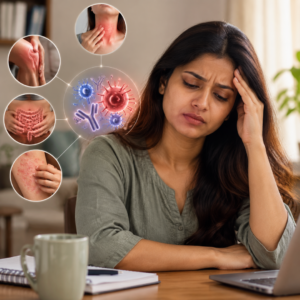
PCOS and PCOD are common hormonal conditions that can affect women of reproductive age. Nowadays, every second woman faces PCOD and PCOS problems. Irregular periods, difficulty with ovulation, weight gain, and fertility challenges are symptoms of these conditions.
In Ayurveda, PCOS (Polycystic Ovary Syndrome) is viewed as an imbalance of Vata and Kapha doshas. At Vrindavan Ayurveda Chikitsalyam, we offer Panchakarma, Ayurveda’s traditional detoxification and rejuvenation therapy, which aims to restore balance by cleansing the body, improving metabolic function, reducing stress, and supporting the healthy functioning of the reproductive system. Also, the personalised therapy and diet plans, and guidance from qualified healthcare professionals.
In this article, we’ll explore how Panchakarma may help regulate menstrual cycles, support hormonal balance, improve fertility, and promote overall reproductive wellness in women with PCOS.
Can Panchakarma help regulate periods in PCOS?
Panchakarma does not work as a quick fix for periods. It aims to balance the menstrual cycle and maintain it to become more regular over time. In Ayurveda, PCOS is often associated with the imbalance of doshas such as Kapha and Vata. These imbalances are believed to affect the reproductive system and hormonal health.
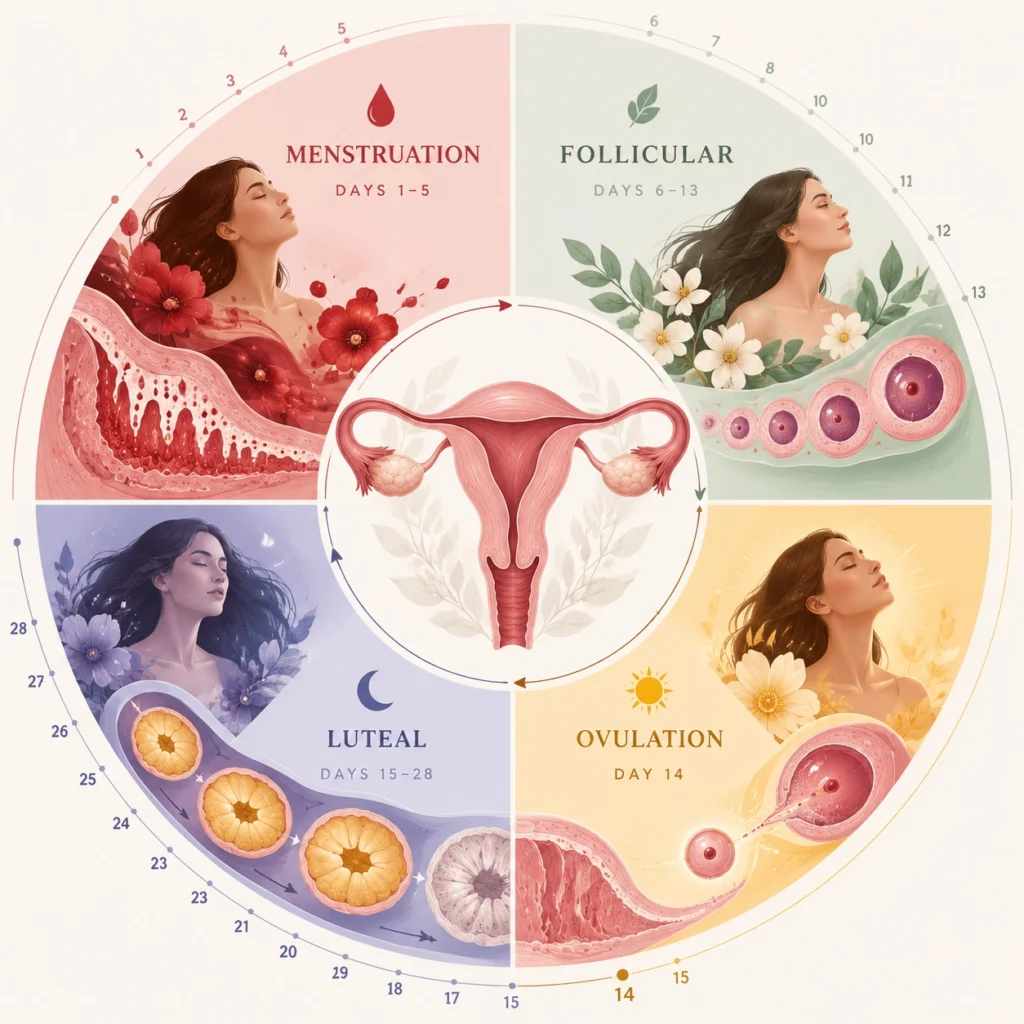
Panchakarma manages PCOS through several targeted procedures:
- Basti (Medicated Enema): Targets excess Vata, specifically regulating Apana Vayu (the energy responsible for menstruation) and enhancing ovarian function.
- Abhyang & Shirodhara: Relieve stress, which lowers cortisol levels that can disrupt hormonal balance.
- Virechana (Purgation): Helps clear excess Pitta and toxins, thereby supporting liver function and balancing hormones.
However, it is important to understand that scientific evidence showing Panchakarma alone can regulate periods in PCOS is limited. Most healthcare professionals recommend combining Ayurvedic care with healthy lifestyle habits such as:
- Maintaining a balanced diet.
- Regular physical activity.
- Managing stress through yoga or meditation.
- Getting adequate sleep.
- Following medical advice and regular health check-ups.
Ayurveda Therapy for PCOS / PCOD: Therapies May Support Hormonal Balance
In conditions like PCOD, hormonal balance can be disturbed because of stress, inflammation, and lifestyle habits. Panchakarma does not directly fix hormones; it improves overall bodily functioning.
To learn how Panchakarma may fit into a personalised Therapy for PCOS/PCOD wellness plan, explore the Panchakarma Therapy for PCOS/PCOD page. You can also consult an Ayurvedic physician for personalised guidance.
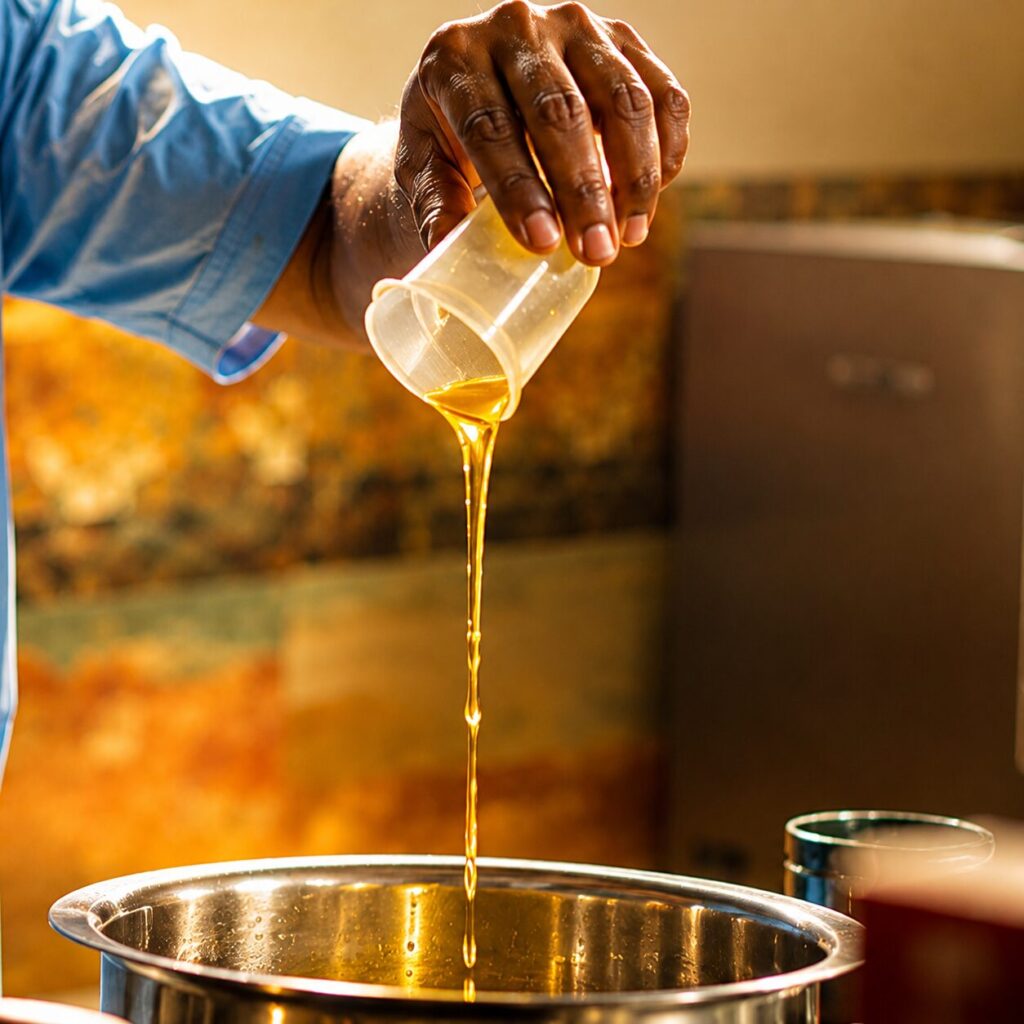
Five Panchakarma therapies are:
- Virechana (Therapeutic Purgation)
Virechana is one of the most common therapies for hormonal disorders. This therapy is designed to remove excess Pitta dosha and toxins from the body using cleansing agents. This therapy helps cleanse the digestive system, liver and gallbladder, promoting detoxification and balancing Pitta.
2. Basti (Medicated Enema Therapy)
In Ayurveda, Vata dosha is connected with the reproductive system and menstrual health. This Ayurvedic treatment plan is for women who are experiencing irregular periods or PCOS.
3. Abhyanga (Full- Body Herbal Oil Massage)
In this therapy, warm and medicated oils are used to nourish the body and calm the nervous system. This therapy may help reduce stress, improve circulation, promote better sleep, and support overall hormonal health.
4. Raktamokshana (bleeding)
This therapy removes a small amount of blood to eliminate impurities and balance Pitta dosha. This Panchakarma procedure is less commonly used and is performed by experienced practitioners under certain conditions.
5. Swedana (Herbal Steam Therapy
This therapy is performed after Abhyanga. The herbal steam helps relax muscles, improve circulation, and support the body’s natural detoxification processes.
Is Panchakarma Safe for Young women?
Panchakarma is safe for young women, but only when it is performed under the supervision of a qualified Ayurvedic physician. The Panchakarma therapies are designed according to the person’s age, body constitution (Prakriti), health condition, and digestive strength.
For young women who are dealing with PCOS, irregular periods, stress, and weight management, Panchakarma may be recommended as part of a broader wellness plan. Not every person requires the full Panchakarma program. In many cases, doctors advise only selected therapies that are suitable for the person’s condition.
Some commonly recommended therapies include:
- Abhyanga (Ayurvedic oil massage): Helps reduce stress, improve circulation, and promote relaxation.
- Swedana (Herbal steam therapy): Supports muscle relaxation and the body’s natural detoxification process.
- Basti (Medicated enema): May be recommended in specific cases to help balance Vata and support reproductive health.
- Virechana (Therapeutic cleansing): Used only after careful evaluation and proper preparation by an Ayurvedic physician.
Can Panchakarma improve fertility in PCOS?
Many women try Panchakarma to get ready for pregnancy, whether naturally or through IVF/IUI. Ayurveda focuses on clearing toxins from the body, nourishing reproductive tissue, balancing hormones for ovulation and implantation, and creating the best conditions for conception.
Panchakarma is traditionally recommended as a pre-conception cleanse for both partners. This is not a guarantee of pregnancy. Panchakarma programme supports rather than conflicts with your assisted reproduction timeline.
Along with Panchakarma, Ayurveda uses personalized herbs, diet changes, yoga, stress relief, and healthy habits to support reproductive health.
Here is how it helps:
- May Support Regular Ovulation
Women with PCOS often do not ovulate regularly, which can make it difficult to conceive. Panchakarma helps to improve the body’s natural balance and support healthy ovarian function.
2. Maintain Hormonal Balance
Hormonal imbalance is one of the main reasons for PCOS. Panchakarma, along with Ayurvedic medicines and lifestyle changes, may help support healthy hormone function.
3. Support Reproductive Health
Some Panchakarma therapies improve blood circulation and nourish the reproductive organs. A healthy reproductive system may create a better environment for conception, although Panchakarma alone cannot guarantee pregnancy.
The duration of Panchakarma depends on the person. While the main Panchakarma programme usually lasts 2 to 3 weeks, complete improvement in symptoms often takes a few months with consistent lifestyle changes and follow-up care.
Here is a simple breakdown of the treatment journey:
- Preparation Phase (First 5-7 Days): This process involves the medicated ghee (Snehapana) for 4to 5 days, followed by oil massages and herbal steam.
- Cleansing Phase (Next 7-10 Days): After preparing the body, the main Panchakarma therapies are performed. Ayurvedic physician recommends therapies according to your condition. Therapies like Virechana or Basti help restore balance according to Ayurvedic principles.
- Recovery Phase (About 1 Week): After the main detox, you must strictly follow a restrictive, progressive diet (such as Samsarjana Krama, starting with light rice gruels and moving to kitchari) for 3 to 7 days to rebuild digestive fire (Agni).
- Long-Term Improvement (3–6 Months): Panchakarma is not an instant solution. Many women notice improvements in their energy levels, digestion, stress, or overall well-being within a few weeks, while more regular menstrual cycles, better metabolic health, and improvements in PCOS symptoms may take 3 to 6 months, especially when combined with Ayurvedic medicines, a balanced diet, exercise, and healthy lifestyle habits.
Conclusion
Panchakarma offers a holistic Ayurvedic approach to supporting women with PCOS by focusing on improving overall health rather than simply addressing individual symptoms. Through therapies such as Basti, Virechana, Abhyanga, Swedana, and other personalised treatments, Panchakarma aims to support hormonal balance, encourage regular menstrual cycles, improve metabolic health, reduce stress, and promote reproductive wellness.
However, it’s important to remember that scientific evidence supporting Panchakarma as a standalone treatment for PCOS is still limited. The best results are generally achieved when Panchakarma is used as part of a comprehensive care plan that includes a nutritious diet, regular physical activity, healthy sleep, stress management, and appropriate medical supervision.
Frequently Asked Questions (FAQs)
1. Can Panchakarma cure PCOS permanently?
No. Panchakarma is not considered a permanent cure for PCOS. It is a complementary Ayurvedic therapy that may help manage symptoms, improve overall health, and support hormonal balance when combined with healthy lifestyle changes and medical care.
2. How long does Panchakarma treatment for PCOS take?
The duration varies depending on the individual’s condition and the treatment plan. A Panchakarma programme may last anywhere from 7 to 21 days, followed by dietary guidance, herbal medicines, and lifestyle recommendations.
3. How soon can I expect results?
Some women notice improvements in digestion, energy levels, stress, or menstrual regularity within a few weeks. However, hormonal balance and menstrual cycle changes often require several months of consistent treatment and lifestyle modifications, and results vary from person to person.
4. Can Panchakarma help with irregular periods?
Panchakarma may support more regular menstrual cycles by improving overall health, reducing stress, and addressing Ayurvedic imbalances. However, it is not a quick fix, and current scientific evidence supporting this benefit is limited.
5. Is Panchakarma helpful for fertility in women with PCOS?
Panchakarma is often used as part of pre-conception care in Ayurveda to support reproductive wellness. While it may help create a healthier environment for conception, it does not guarantee pregnancy and should be considered a complementary therapy alongside fertility treatment when needed.