Introduction
In today’s world, where “YOLO” (You Only Live Once) is everywhere, folks often opt for fun and easy living. Over at Vrindavan Ayurveda Chikitsalayam, we get that these trendy habits can seriously hurt your wellness. A big worry is how fatty liver and other lifestyle issues now affect men and women alike.
Vrindavan Ayurveda Chikitsalyam uses Ayurveda for natural healing. We follow Panchakarma therapy. We add tailored diets, herbs, and lifestyle tips to cleanse the body. It’s not just about fixing problems. Our goal is to help you find balance in body, mind, and soul for better health. In this blog, we explore how Panchakarma detoxes the liver, whether it works for fatty liver, and how dietary changes help.
What is Fatty Liver Disorder
Fatty liver is a condition in which too much fat builds up in liver tissue. This causes liver inflammation and damages some liver cells. Sometimes, doctors find fatty liver through a fatty liver test, a blood test, or an ultrasound. These tests can show the grade of fatty liver. Other times, doctors recognise it by its symptoms.
Some individuals may also experience fatty liver with hepatomegaly, fatty liver pain, and discomfort in the typical fatty liver pain area.
How does Panchakarma detox the Liver?
Panchakarma is a traditional Ayurvedic detoxification therapy. It helps remove toxins (Ama) from the body and supports the liver. According to Ayurveda, when digestion becomes weak, toxins can accumulate in the body and place extra stress on the liver. Panchakarma aims to eliminate these toxins and restore balance.
One of the most important Panchakarma therapies for liver health is Virechana (therapeutic purgation). This treatment helps cleanse excess Pitta dosha, which is associated with the liver and gallbladder. Virechana may help improve liver function and support healthy digestion.
Panchakarma may also help:
- Support the body’s natural detoxification processes
- Improve digestion and metabolism
- Reduce the toxic burden on the liver
- Promote healthy bile flow
- Increase energy levels and overall well-being
- Support the management of fatty liver and other liver-related concerns when combined with proper medical guidance.
In addition to Panchakarma therapies, Ayurvedic physicians often recommend a personalised diet and lifestyle changes. This helps maintain liver health and prevents toxin accumulation.
Panchakarma should always be performed under the supervision of a qualified Ayurvedic practitioner. The treatment plan is customised according to an individual’s body constitution, health condition, and specific liver concerns.
Is Panchakarma effective for fatty liver?
Panchakarma may help support fatty liver when combined with proper diet, lifestyle, and Ayurvedic medicines. Panchakarma aims to improve the body’s internal functioning so the liver can work properly.
Patients may experience benefits such as:
- Better digestion
- Reduced bloating and heaviness
- Improved metabolism
- Better energy levels
- Support for healthy liver function
- Overall detoxification of the body
However, results vary depending on the severity of fatty liver, lifestyle habits, and individual health conditions.
Panchakarma Therapies Recommended for Fatty Liver
The treatment plan differs for every patient after a detailed Ayurvedic assessment.
To learn how Panchakarma may fit into a personalised fatty liver wellness plan, explore Panchakarma Therapy for Fatty Liver Disorder page. You can also consult an Ayurvedic physician for personalised guidance.
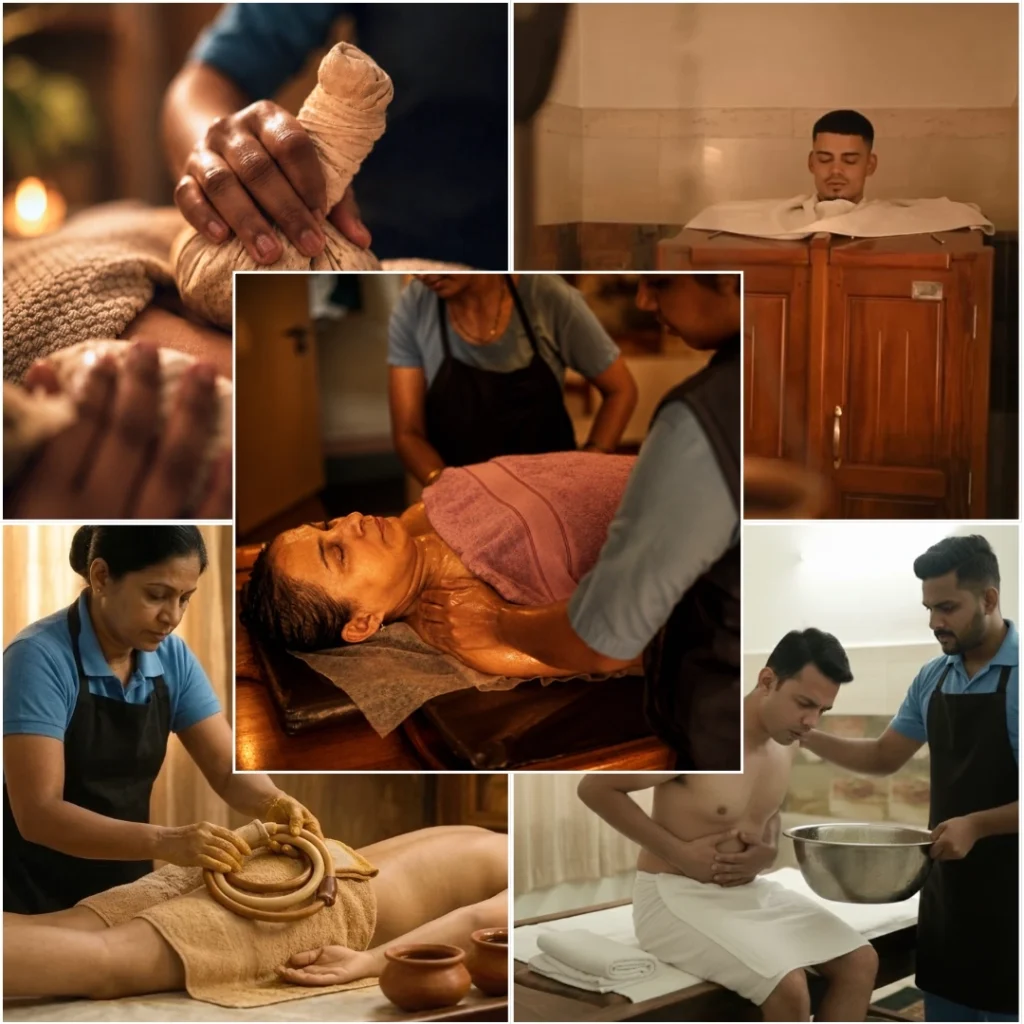
1. Virechana (Therapeutic Purgation)
For liver-related disorders, Virechana is one of the most common Panchakarma therapies.
It helps:
- Support liver detoxification
- Eliminate aggravated Pitta
- Improve digestion
- Enhance metabolism
2. Abhyanga (Medicated oil massage)
Abhyanga is a full-body massage using medicated oil. This therapy improves circulation, relaxes the body, and prepares it for detoxification therapies.
Benefits include:
- Better blood circulation
- Reduced stress
- Improved lymphatic drainage
- Enhanced overall wellness
3. Swedana (Herbal Steam Therapy)
After Abhyanga, herbal steam therapy encourages sweating, helping the body release toxins while relaxing muscles and improving circulation.
4. Basti (Medicated Enema)
If digestive disturbance and Vata imbalance are present, Basti may be advised to support gut health, improve metabolism, and promote overall balance.
5. Snehpan (Internal Oleation)
Snehapana is a preparatory Panchakarma therapy. In this therapy, you consume medicated ghee or oil in prescribed amounts under an Ayurvedic doctor’s supervision. It helps loosen and move toxins (Ama) from the body’s tissues into the digestive tract. Snehapana also supports digestion. It nourishes body tissues and promotes overall detoxification.
Benefit Include:
- Helps loosen and mobilize accumulated toxins (Ama)
- Prepares the body for therapies such as Basti and Virechana.
- Supports healthy digestion
- Nourishes body tissues
- Helps balance aggravated Vata and Pitta doshas.
- Supports liver function
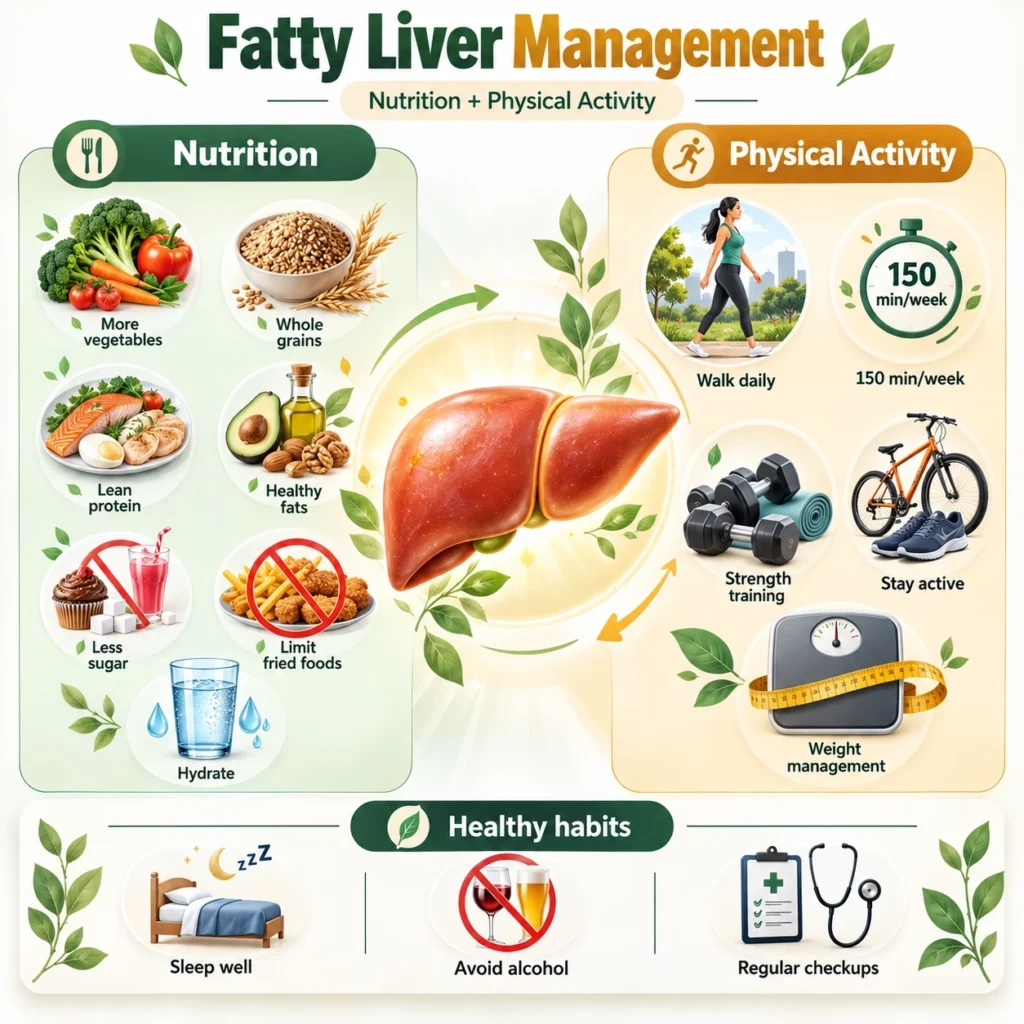
What dietary changes support liver health?
Every day, the food you eat can directly impact how well your liver performs its functions. A healthy, balanced diet can help reduce the burden on the liver.
At Vrindavan Ayurveda Chikitsalyam, we personalise dietary recommendations to the individual’s body and digestive strength (Agni), while naturally supporting liver wellness.
Eat Fresh and home-cooked meals.
Freshly prepared meals are easier to digest and provide essential nutrients without unnecessary preservatives or unhealthy fats.
Choose food such as:
- Fresh vegetables
- Seasonal fruits
- Whole grains like brown rice, millets, and oats
- Lentils and pulses
- Lightly cooked homemade meals
- Avoid relying on packaged or highly processed foods, as they often contain excess salt, sugar, and unhealthy fats.
Healthy Fats: Include monounsaturated and polyunsaturated fats in your diet by consuming avocados, walnuts, chia seeds, and fatty fish such as salmon, trout, and sardines.
High-Fibre Foods: Base your meals around whole grains (oats, brown rice, quinoa), legumes, and fresh produce.
Cruciferous & Leafy Greens: Eat plenty of broccoli, kale, spinach, and Brussels sprouts to boost antioxidant intake and reduce inflammation.
Lean Proteins: Choose poultry, tofu, and beans instead of processed or high-fat meat.
Coffee and Tea: Black coffee and green tea are linked to lower liver enzyme levels and reduced fat buildup.
Foods to Avoid
- Sugary Drinks: Eliminate sodas, energy drinks, and sweetened fruit juices, as excess sugar converts to liver fat.
- Refined Carbs & Trans Fats: Limit white bread, white rice, packaged snacks, and fried foods.
- Alcohol: Completely avoid or strictly limit alcohol consumption, as it is a leading cause of liver damage.
Can Fatty Liver Be Reversed Naturally?
Scientific evidence shows that weight management, a healthy diet, and regular physical activity can reduce liver fat and improve liver function. However, outcomes vary depending on the stage of liver disease and individual health factors.
But if there is already too much inflammation, fibrosis, or even cirrhosis in a fatty liver, then while changing one’s lifestyle will definitely minimise damage and help the liver overall, it will not totally solve the problem.
Measurable reversal demands that certain key, scientifically proven lifestyle alterations be continuously emphasised:
1. Maintain a Healthy Weight
Body weight is one of the leading causes of Non-Alcoholic Fatty Liver Disease. Losing even 5–10% of your body weight can help reduce fat accumulation in the liver and improve liver function.
2. Follow a Liver-Friendly Diet
A balanced diet plays a major role in liver recovery. Focus on:
- Fresh fruits and vegetables
- Whole grains
- Lean proteins
- High-fibre foods
- Healthy fats from nuts and seeds
Try to avoid:
- Sugary drinks and sweets
- Fried and processed foods
- Excess refined carbohydrates
- Foods high in saturated and trans fats
3. Exercise Regularly
Physical activity helps burn excess fat, improve insulin sensitivity, and support liver health. Aim for at least 30 minutes of moderate exercise. Such as walking, cycling, or swimming on most days of the week.
4. Control Blood Sugar and Cholesterol
Diabetes, insulin resistance, and high cholesterol are closely linked to fatty liver disease. Managing these conditions can help prevent further liver damage.
5. Avoid Alcohol
Even small amounts of alcohol can place additional stress on the liver. People with fatty liver disease should limit or avoid alcohol to support liver healing.
6. Improve Digestion and Metabolism
According to Ayurveda, poor digestion can contribute to toxin buildup and metabolic imbalance. Healthy eating habits, proper sleep, stress management, and therapies such as Panchakarma may help support overall liver function and metabolism.
How long does liver detox therapy take?
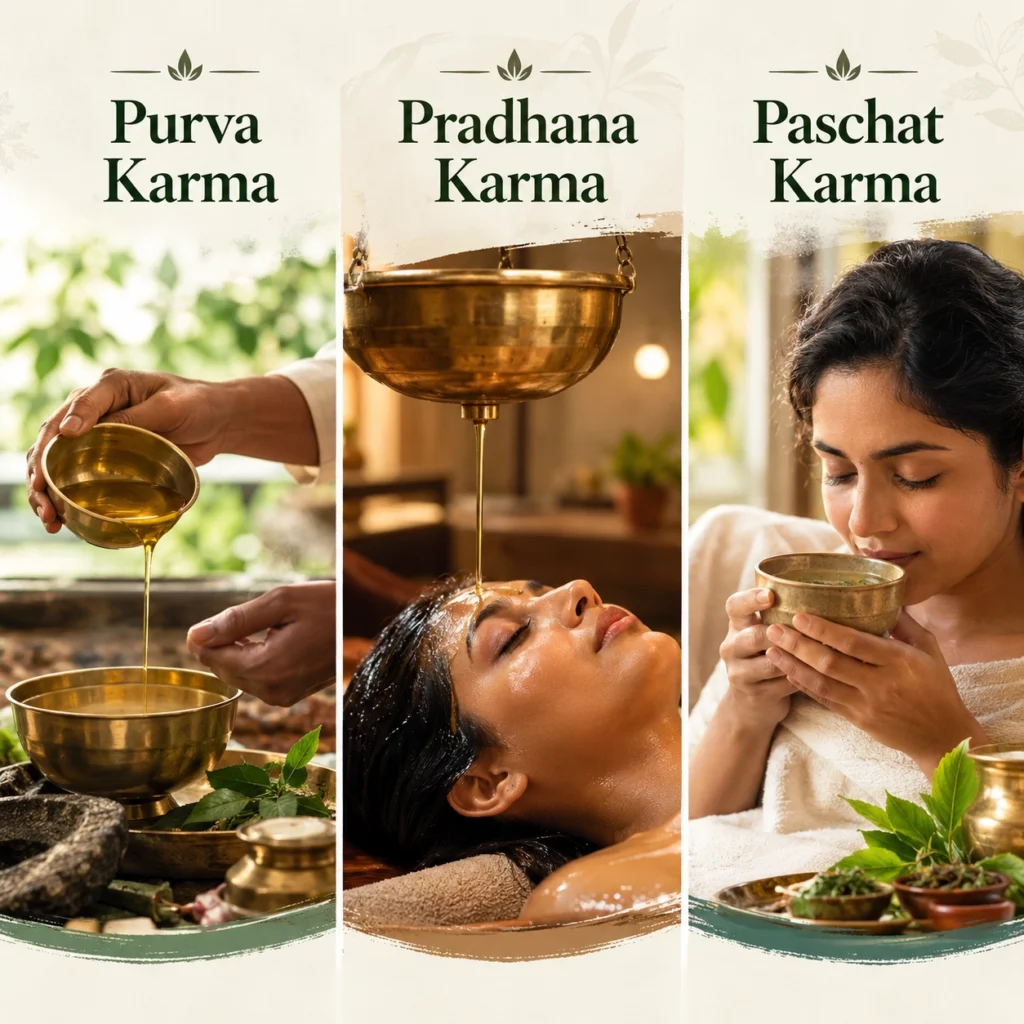
This is a multi-step process; it must progress carefully through three distinct phases, which is a gradual protocol rather than a quick single-day treatment.
- Purva karma (preparatory phase) – First, time must be spent in kindling of agni, oleation, and fomentation of the body inside and out. It helps to dissolve and remove fat and toxins from the liver.
- Pradhana Karma (Main Detoxification) – This entails applying the active purification methods, such as therapeutic purgation (Virechana) and medicated enema (Basti), to eliminate the activated toxins.
- Paschat Karma (Post-Purification) – After cleansing, patients need to follow a dietary plan. It slowly transitions from thin liquid rice gruels to light solid foods. It’s for a safe reset of metabolism without forming new toxins.
Conclusion
Fatty liver disease is increasing because of the modern way of life, such as unhealthy diets, insufficient physical activity, stress, and heavy alcohol intake. While this condition usually remains asymptomatic, its detection and timely treatment could prevent the patient’s liver problems.
At Vrindavan Ayurveda Chikitsalyam Panchakarma therapy, the approach to maintaining good liver function, including a proper diet and herbal supplements, provides a comprehensive solution to fatty liver disease.
Frequently Asked Questions (FAQs)
1. What is fatty liver disease?
Fatty liver disease occurs when excess fat accumulates in the liver. Over time, this can affect liver function and may lead to inflammation or liver damage if not managed properly.
2. What are the early signs of fatty liver?
Many people do not experience symptoms in the early stages. However, some may notice fatigue, abdominal discomfort, unexplained weight changes, or a feeling of heaviness on the right side of the abdomen.
3. Can fatty liver be reversed naturally?
Yes. In many cases, especially during the early stages, fatty liver can be reversed through weight management, a healthy diet, regular exercise, and avoiding alcohol.
4. How does Panchakarma help in fatty liver management?
Panchakarma helps by supporting digestion, removing accumulated toxins, improving metabolism, and promoting overall liver health. It is often combined with dietary and lifestyle modifications for better results.
5. Which Panchakarma therapy is commonly recommended for liver health?
Virechana (therapeutic purgation) is one of the most commonly recommended Panchakarma therapies for supporting liver function and balancing excess Pitta dosha.
6. How long does Panchakarma treatment for fatty liver take?
The duration varies depending on the individual’s condition. A complete Panchakarma program may range from a few days to several weeks and includes preparation, detoxification, and recovery phases.
7. Does Vrindavan Ayurveda Chikitsalayam provide treatment for fatty liver disease?
Yes, Vrindavan Ayurveda Chikitsalayam offers holistic Ayurvedic treatment for fatty liver disease.
Case Study: A middle-aged male patient visited Vrindavan Ayurveda Chikitsalayam after being diagnosed with fatty liver disease. During the initial consultation, it was observed that he had a long history of chain smoking and regular alcohol consumption. After a detailed Ayurvedic assessment, the patient was therefore advised to discontinue smoking and alcohol. Based on his condition, the physician recommended Panchakarma therapies that included Snehapana (internal oleation) followed by Basti (medicated enema therapy). These therapies were administered under continuous medical supervision, along with dietary guidance and lifestyle counselling.
After completing 14 days of treatment, the patient showed encouraging improvement. His digestion improved, he reported feeling lighter and more energetic, and his overall health condition was noticeably better. Most importantly, he had significantly reduced his smoking and alcohol intake, helping support his recovery beyond the Panchakarma program.
This case demonstrates that the best outcomes are achieved when Ayurvedic therapies are combined with disciplined lifestyle modifications and active patient participation.
Disclaimer: This case study is presented for educational purposes only. Ayurvedic treatment should always be undertaken under the guidance of a qualified Ayurvedic physician.