Introduction
In India, diabetes and hypertension are becoming common now. This is affecting millions of people across all age groups. Fast-paced lifestyles, unhealthy eating habits, long working hours, and poor sleep have all contributed to this growing health concern.
Medicines are an important part of treatment. Long-term management also depends on making healthier lifestyle choices. This is why many people are now turning to natural wellness retreats. There, they can focus on balanced nutrition, regular exercise, stress management, quality sleep, and overall well-being in a peaceful environment.
Understanding Diabetes and Hypertension
What is a Natural Wellness Retreat?
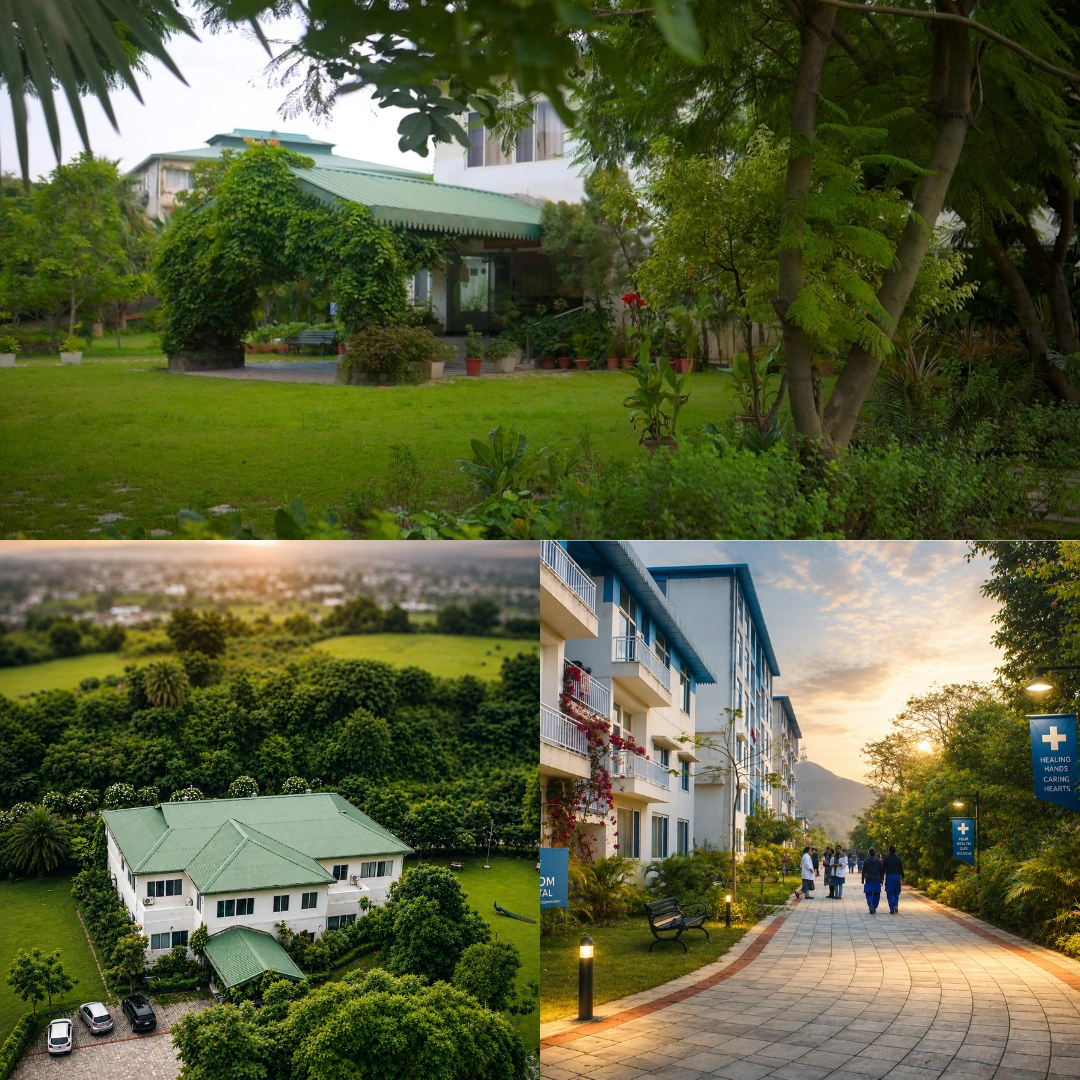
Natural wellness retreats typically include:
- Personalised nutritional guidance
- Regular physical activity
- Stress management practices
- Adequate sleep and relaxation
- Professional health monitoring
Benefits of a Natural Retreat for Diabetes and Hypertension
Living with diabetes and hypertension requires more than just taking medications. These chronic conditions are influenced by diet, physical activity, stress, sleep quality and body weight.
Healthy Nutrition for blood sugar: One of the biggest advantages of a wellness retreat is access to balanced, freshly prepared meals tailored to individual health needs. Nutritious diets rich in vegetables, whole grains, fruits, healthy fats, and adequate protein can help stabilise blood sugar levels and support healthy blood pressure.
Regular physical activity: Exercise is one of the most effective non-pharmacological strategies for managing both diabetes and hypertension. Wellness retreats typically include activities such as:
- Yoga
- Walking
- Stretching exercises
- Light therapeutic fitness sessions
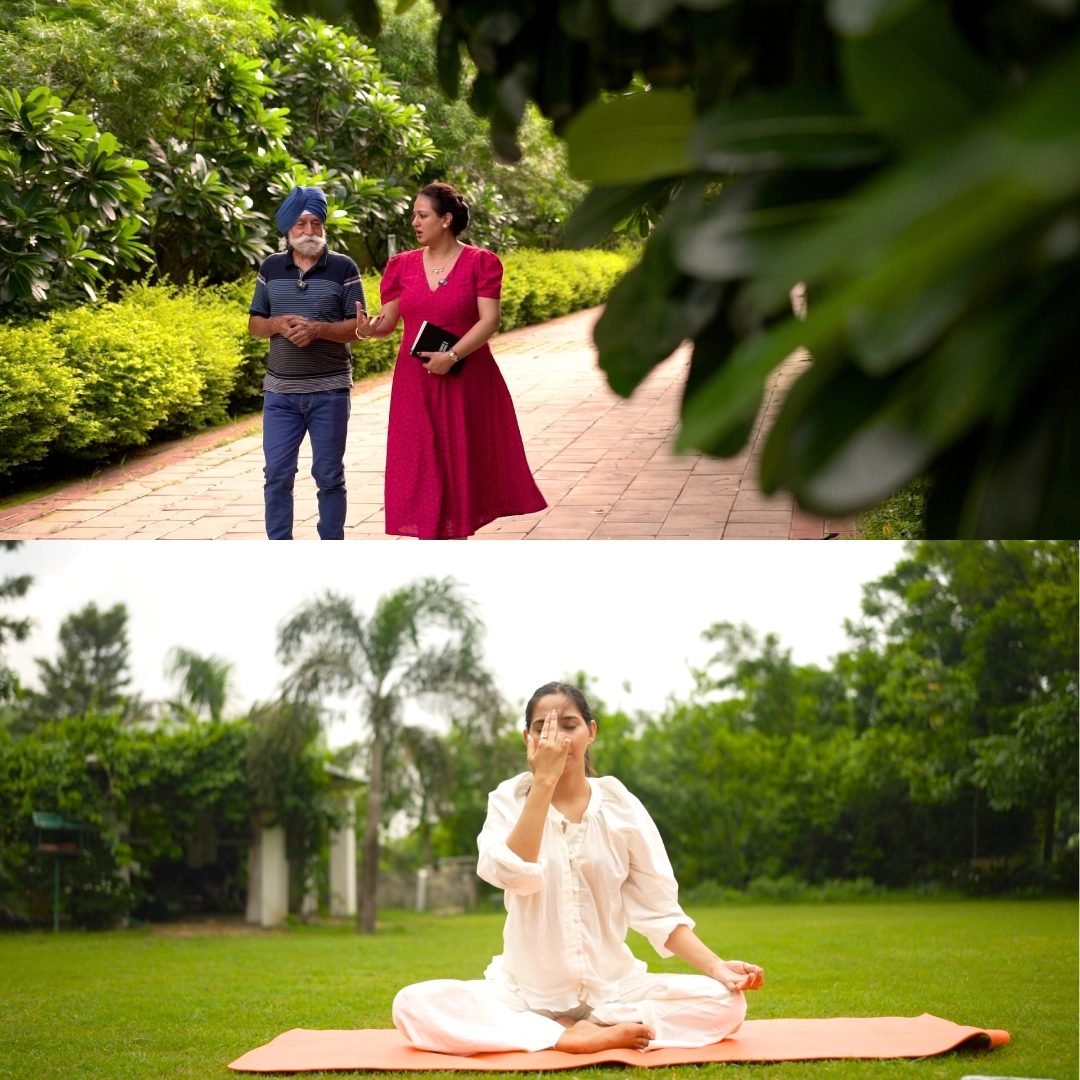
Stress Reduction: Chronic stress can raise both blood sugar and blood pressure by increasing stress hormones such as cortisol and adrenaline.
Natural retreats provide dedicated time for:
- Meditation
- Pranayama (breathing exercises)
- Mindfulness practices
- Relaxation therapies
Better sleep quality: Poor sleep has been linked to insulin resistance, weight gain, elevated blood pressure, and increased cardiovascular risk.
Ayurvedic Therapies: At an Ayurvedic retreat like Vrindavan Ayurveda Chikitsalyam, lifestyle changes are complemented by personalised therapies based on classical Ayurvedic principles. Therapies may include:
- Panchakarma procedures
- Abhyanga (herbal oil massage)
- Swedana (therapeutic sweating)
- Yoga and meditation
- Lifestyle and dietary counselling
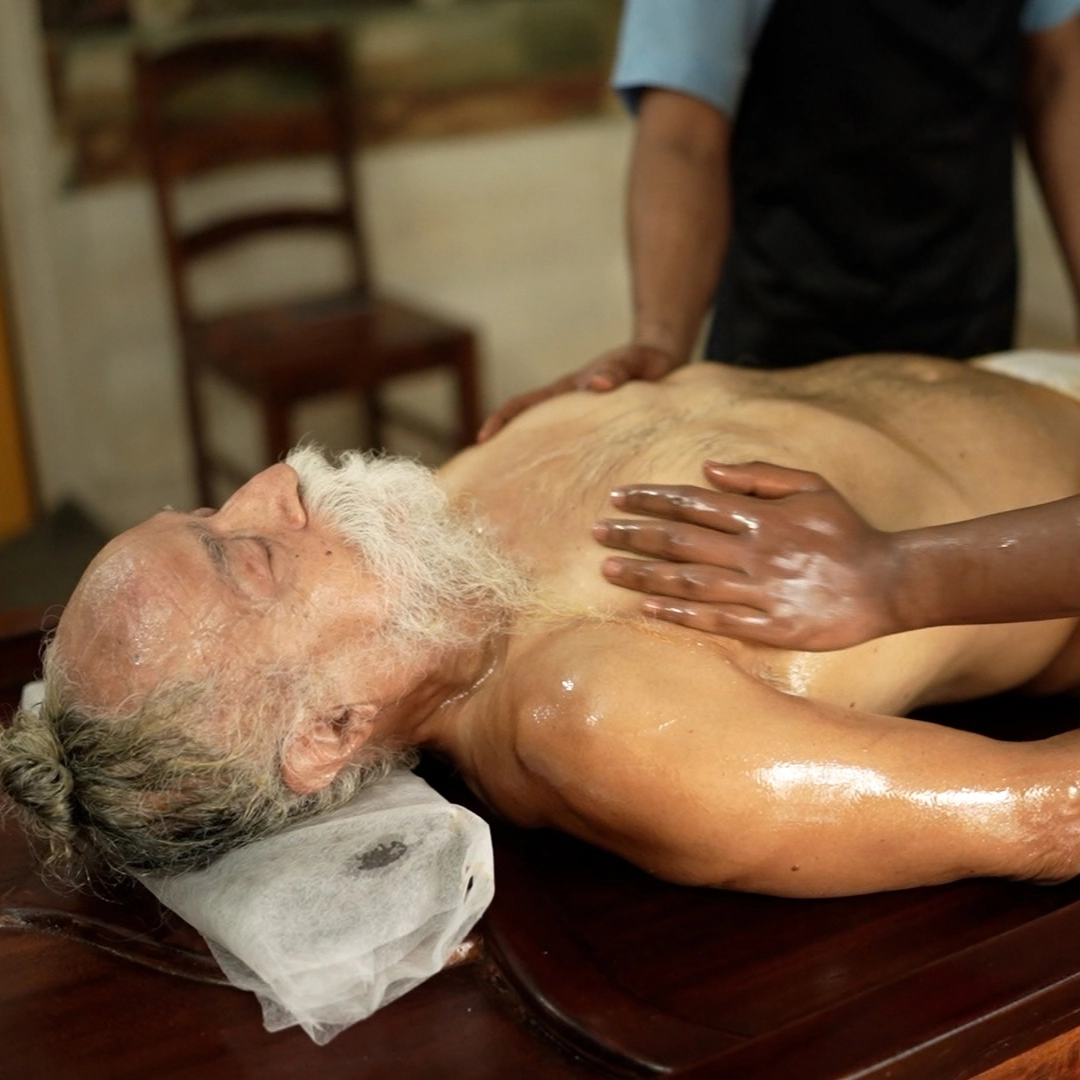
To learn how Panchakarma may fit into a personalised diabetes wellness plan, explore Panchakarma Therapy for Diabetes Management page. You can also consult an Ayurvedic physician for personalised guidance.
What Should You Look for in a Diabetes & Hypertension Retreat?
Here are some key factors to consider:
1. Qualified Medical and Ayurvedic Professionals
The retreat should be supervised by experienced healthcare professionals who understand diabetes and hypertension. This may include qualified Ayurvedic physicians, medical doctors, nutritionists, physiotherapists, yoga therapists, and trained nursing staff.
2. Personalised Health Assessment
Every person has different health needs. Before beginning any wellness program, the retreat should conduct a detailed assessment that may include:
- Medical history
- Current medication
- Blood sugar and blood pressure levels
- Lifestyle habits
- Dietary preferences
- Physical fitness
3. Balanced Nutrition
Nutrition is a foundation of managing diabetes and hypertension. A quality retreat should provide balanced, freshly prepared meals that support stable blood sugar levels, heart health, and healthy weight management.
4. Safe and Personalised Ayurvedic Therapies
If choosing an Ayurvedic retreat, therapies should always be prescribed after an individual consultation. Treatments such as Panchakarma, Abhyanga, or Swedana should never be offered as standardised packages for everyone. Instead, select therapies based on the person’s health status, constitution, and clinical needs.
5. Stress Management Program
Chronic stress can negatively affect both blood sugar control and blood pressure. A comprehensive retreat should include stress-management practices such as meditation, Pranayama (breathing exercises), mindfulness, and relaxation therapies.
Should Your Wellness Retreat Include Ayurveda
Ayurveda: Ayurveda is a traditional system of medicine that originated in India over 3,00 years ago. It views health as a balance between the body, mind, and spirit. This emphasis focuses on balancing the three Doshas—Vata, Pitta, and Kapha.
Management focuses on identifying the root imbalance and restoring harmony through:
- Personalised diet
- Daily routines (Dinacharya)
- Panchakarma therapies (when appropriate)
- Herbal preparations
- Yoga and meditation
- Stress management
- Lifestyle counselling
Neuropathy: Naturopathy is a system of natural healthcare that emphasises the body’s ability to heal itself when provided with the right environment and healthy lifestyle practices.
Common naturopathic therapies include:
- Balanced nutrition
- Hydrotherapy (water-based treatments)
- Mud therapy
- Sunlight therapy
- Physical exercise
- Fasting or medically supervised dietary programs
- Stress management
- Lifestyle education
The biggest difference lies in their philosophy.
Naturopathy focuses more on supporting the body’s self-healing ability through natural therapies, nutrition, physical activity, and healthy environmental practices.
How Long Should a Wellness Retreat Be?
1. Short Retreats (2–3 Days)
During a short retreat, participants may:
- Receive an initial health assessment
- Experience introductory Ayurvedic therapies
- Attend yoga and meditation sessions
- Learn basic dietary and lifestyle recommendations
- Take a break from daily stress
2. Medium-Length Retreats (5–7 Days)
A one-week retreat offers more time to establish a structured routine and receive personalised guidance.
Participants may have the opportunity to:
- Follow a consistent daily schedule
- Receive individualised dietary advice
- Participate in regular yoga and therapeutic activities
- Practise stress management techniques
- Undergo Ayurvedic therapies recommended after assessment
- Learn practical strategies for managing diabetes and hypertension
3. Extended Retreats (10–21 Days or More)
Extended programs provide more time for:
- Personalised Ayurvedic treatments
- Nutrition planning and counselling
- Daily yoga and meditation
- Consistent physical activity
- Stress reduction practices
- Lifestyle education
- Building sustainable habits
Why VVAC is a Good Choice for Metabolic Wellness
- NABH-Accredited Healthcare StandardsVrindavan Ayurveda Chikitsalayam is an NABH-accredited Ayurvedic healthcare centre. This shows its commitment to quality standards, patient safety, ethical practices, and continuous improvement. The accreditation gives confidence that guests receive care in an environment that follows recognised healthcare protocols. It also maintains the authenticity of Ayurvedic practice.
- Physician-Supervised CareEvery individual has unique health needs. This is especially true for people living with chronic conditions such as diabetes and hypertension. At VVAC, wellness programs start with a comprehensive consultation by qualified Ayurvedic physicians. We develop treatment plans after evaluating the guest’s medical history, current health status, lifestyle, and Ayurvedic constitution (Prakriti). This ensures that therapies and recommendations are personalised, not standardised.
- Integrative Approach: Ayurveda and NaturopathyVVAC follows an integrative wellness model that combines the wisdom of Ayurveda with evidence-informed naturopathy and lifestyle medicine. Depending on individual needs, programs may include Ayurvedic therapies, natural healing practices, healthy nutrition, physical activity, and stress management techniques.
- Therapeutic Yoga and Meditation
At VVAC, guided yoga sessions and meditation practices are tailored to individual abilities and health conditions. These practices can help improve flexibility, encourage regular physical activity, reduce stress, and support emotional well-being—all of which are important in the long-term management of diabetes and hypertension. - Personalised Sattvic DietVVAC provides personalised Sattvic meals prepared using fresh, wholesome ingredients and guided by Ayurvedic dietary principles. Rather than using a one-size-fits-all approach, dietary recommendations are tailored to each guest’s health condition, digestive capacity, and wellness goals, supporting healthy eating habits that can continue beyond the retreat.
- Lifestyle Counselling
VVAC helps guests understand the importance of balanced nutrition, regular exercise, stress management, adequate sleep, and healthy daily routines. This practical guidance empowers individuals to maintain positive lifestyle changes after returning home. - Personalised Wellness Programs
No two people experience diabetes or hypertension in the same way. VVAC develops individualised wellness programs that may include Ayurvedic therapies, Panchakarma (when appropriate), yoga, meditation, dietary guidance, and lifestyle modification based on each person’s health assessment and treatment goals. This personalised approach ensures that care is both safe and relevant to individual needs. - Peaceful Healing Environment Vrindavan Ayurveda Chikitsalyam is located in the serene Shivalik Hills near Chandigarh. VVAC offers a peaceful natural setting that supports relaxation and recovery. The calm surroundings encourage mindful living, outdoor walks, restorative sleep, and a temporary escape from everyday stress. While the environment itself is not a treatment, it creates ideal conditions for adopting healthier habits and improving overall well-being.
Conclusion
Living with diabetes and hypertension can be challenging, but managing these conditions is about much more than taking medicines. Healthy eating, regular physical activity, quality sleep, stress management, and a balanced daily routine all play an important role in long-term health.
At Vrindavan Ayurveda Chikitsalayam (VVAC), we combine authentic Ayurvedic principles with personalised wellness programs, yoga, Sattvic nutrition, and lifestyle counselling to support overall metabolic health. Our goal is to help every guest build sustainable habits that complement their ongoing medical treatment and contribute to a healthier, more balanced life.
Frequently Asked Questions (FAQs)
1. Can a natural wellness retreat cure diabetes or hypertension?
No. A wellness retreat is not a cure, but it can support better management by promoting healthy lifestyle habits and overall well-being alongside your prescribed treatment.
2. Is Ayurveda safe for people with diabetes and high blood pressure?
Ayurveda can be a supportive part of a wellness program when provided by qualified Ayurvedic physicians. It should always be personalised and used alongside your doctor’s advice, especially if you are taking medications.
3. How long should I stay at a wellness retreat?
The ideal duration depends on your health goals and schedule. Short retreats are useful for learning healthy habits, while longer programs provide more time for personalised therapies and lifestyle guidance.
4. What kind of diet is followed during a wellness retreat?
Most wellness retreats provide fresh, balanced meals designed to support overall health. At VVAC, dietary plans are personalised and based on Ayurvedic principles, individual health conditions, and nutritional needs.
5. Will I continue taking my prescribed medicines during the retreat?
Yes. You should continue taking your prescribed medications unless your treating physician advises otherwise. Wellness retreats are meant to complement, not replace, conventional medical care.
6. Can beginners participate in yoga and meditation sessions?
Absolutely. Yoga and meditation programs are generally adapted to different age groups, fitness levels, and health conditions, making them suitable even for beginners.
7. Who can benefit from a diabetes and hypertension wellness retreat?
These retreats can be beneficial for adults who want to improve their lifestyle, manage stress, support healthy blood sugar and blood pressure levels, maintain a healthy weight, and learn sustainable habits for long-term wellness.
8. Why choose VVAC for metabolic wellness?
VVAC offers physician-supervised, personalised wellness programs that combine authentic Ayurveda, yoga, Sattvic nutrition, lifestyle counselling, and a peaceful healing environment. Our focus is on helping guests develop practical, healthy habits that support long-term metabolic wellness alongside their regular medical treatment.