Introduction
Living with Rheumatoid Arthritis is not just about dealing with joint pain. The constant stiffness, swelling, and fatigue can make even the simplest daily tasks feel challenging. Since it is a long-term autoimmune condition, managing it often requires more than just controlling symptoms. It calls for a comprehensive approach to overall health.
This is where Ayurveda offers a different perspective. Known as Amavata in Ayurveda, Rheumatoid Arthritis is understood as a condition linked to poor digestion, the accumulation of Ama (metabolic toxins), and an imbalance of Vata Dosha. With personalised treatments that may include Panchakarma, herbal medicines, diet, and lifestyle changes, Ayurveda focuses on restoring balance and supporting long-term well-being.
Rheumatoid Arthritis vs. Osteoarthritis: Understanding the Autoimmune Difference
Rheumatoid arthritis is a chronic condition that causes pain, swelling, irritation, and inflammation in the joints. But it can also damage other parts of the body. These may include the skin, eyes, lungs, heart and blood vessels.
Rheumatoid arthritis happens when the immune system attacks the body’s tissues. This is called an autoimmune condition.
Rheumatoid arthritis differs from the more common osteoarthritis. Some people have both. Osteoarthritis causes damage to joints from overuse. Rheumatoid arthritis affects the lining of the joints. This causes painful swelling that can cause joints to bend out of shape over time, a condition called deformity.
The inflammation of rheumatoid arthritis can also damage other parts of the body. New medicines have improved treatment choices. But rheumatoid arthritis still can cause long-term damage and increase the risk of heart disease.
What is Amavata? The Ayurvedic Understanding of Rheumatoid Arthritis
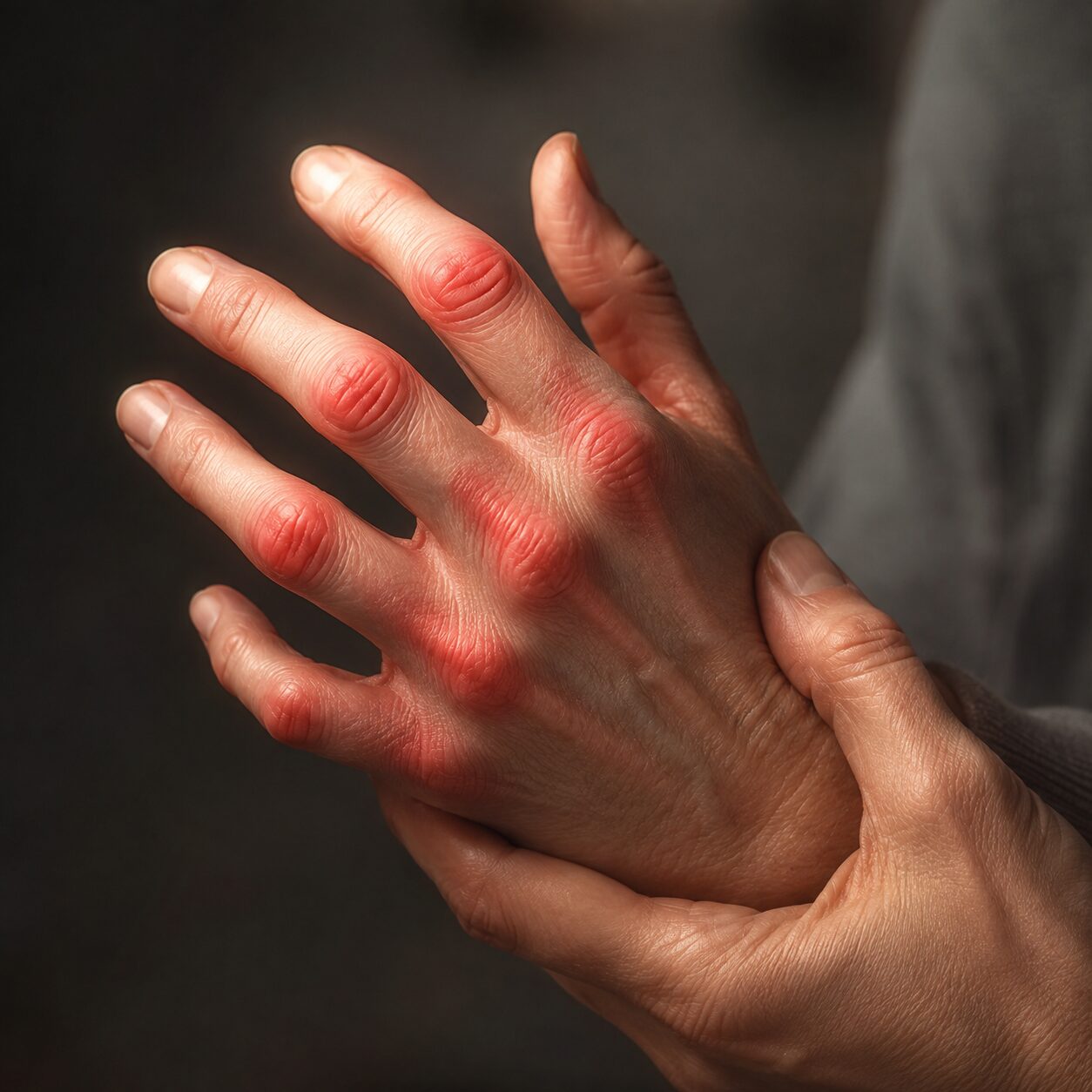
According to Ayurveda, rheumatoid arthritis closely resembles a condition known as Amavata. The word Amavata is made up of two terms: Ama and Vata. Understanding these two concepts helps explain how Ayurveda views the development of joint inflammation and pain.
Symptoms of Amavata
Many symptoms described for Amavata are similar to those experienced by people with rheumatoid arthritis, including:
- Persistent joint pain
- Swelling in the joints
- Morning stiffness
- Tenderness and warmth around affected joints
- Fatigue and body aches
- Loss of appetite
- A feeling of heaviness in the body
- Difficulty moving the joints comfortably
Because of these similarities, Ayurvedic physicians often consider the principles used to manage Amavata when supporting people with rheumatoid arthritis.
The Root Cause: Why Weak Digestion Triggers Rheumatoid Arthritis
Ayurveda believes that healthy digestion is supported by Agni. When Agni becomes weak due to factors such as unhealthy eating habits, irregular meal timings, stress, or a sedentary lifestyle, food may not be digested properly.
As Ama accumulates and circulates through the body, it may settle in vulnerable areas such as the joints. When combined with an aggravated Vata dosha, it is believed to contribute to pain, swelling, stiffness, and reduced joint mobility. This is commonly associated with Amavata, an Ayurvedic condition that resembles rheumatoid arthritis.
For this reason, Ayurvedic treatment does not focus only on relieving joint pain. It also aims to improve digestion, strengthen Agni, and reduce the formation of Ama. This is why dietary guidance, digestive support, herbal medicines, and Panchakarma therapies often play an important role in an Ayurvedic treatment plan for rheumatoid arthritis.
Five-Stage Ayurvedic Treatment Protocol for Rheumatoid Arthritis
In Ayurveda, rheumatoid arthritis is commonly correlated with Amavata. Ayurveda aims to address the underlying imbalance that contributes to the condition. Treatment is individualised and may include dietary changes, herbal medicines, Panchakarma therapies, and lifestyle modifications depending on the patient’s condition.
Here are the key factors of Ayurvedic treatment principles:
Stage 1 – Langhana: Lightening the Digestive Load
Ayurveda considers Langhana as one of the initial approaches when Ama is present. The objective is to reduce the burden on the digestive system, strengthen Agni (digestive fire), and help prevent the formation of additional Ama.
This may include:
- Eating light, warm, and easily digestible meals such as rice gruel (Kanji) or mung bean soup.
- Using digestive spices like ginger, cumin, black pepper, turmeric, and ajwain in moderation.
- Avoiding heavy, fried, processed, cold, and excessively sweet foods that may be difficult to digest.
Stage 2 – Deepana & Pachana: Restoring Digestive Fire
Once the digestive system has been supported, Ayurvedic treatment focuses on Deepana (stimulating Agni) and Panchana (helping digest Ama).
Depending on the patient’s needs, an Ayurvedic physician may recommend:
- Classical herbal formulations such as Trikatu or Chitrakadi Vati.
- Warm herbal water prepared with ingredients like dry ginger or coriander.
- Dietary practices that support healthy digestion and metabolism.
The goal is to improve digestive function before beginning deeper cleansing therapies.
Stage 3 – Snehapana & Swedana: Preparing for Deep Cleansing
Snehapana (Internal Oleation): Medicated ghee or oils are administered in a controlled manner to prepare the body for purification.
Swedana (Herbal Sudation): Steam or other forms of therapeutic sweating help reduce stiffness, improve circulation, and prepare the body for cleansing procedures. In patients with acute inflammation, the physician selects the most appropriate form of Swedana based on the stage of the disease.
Stage 4 – Virechana & Basti: Eliminating Accumulated Toxins
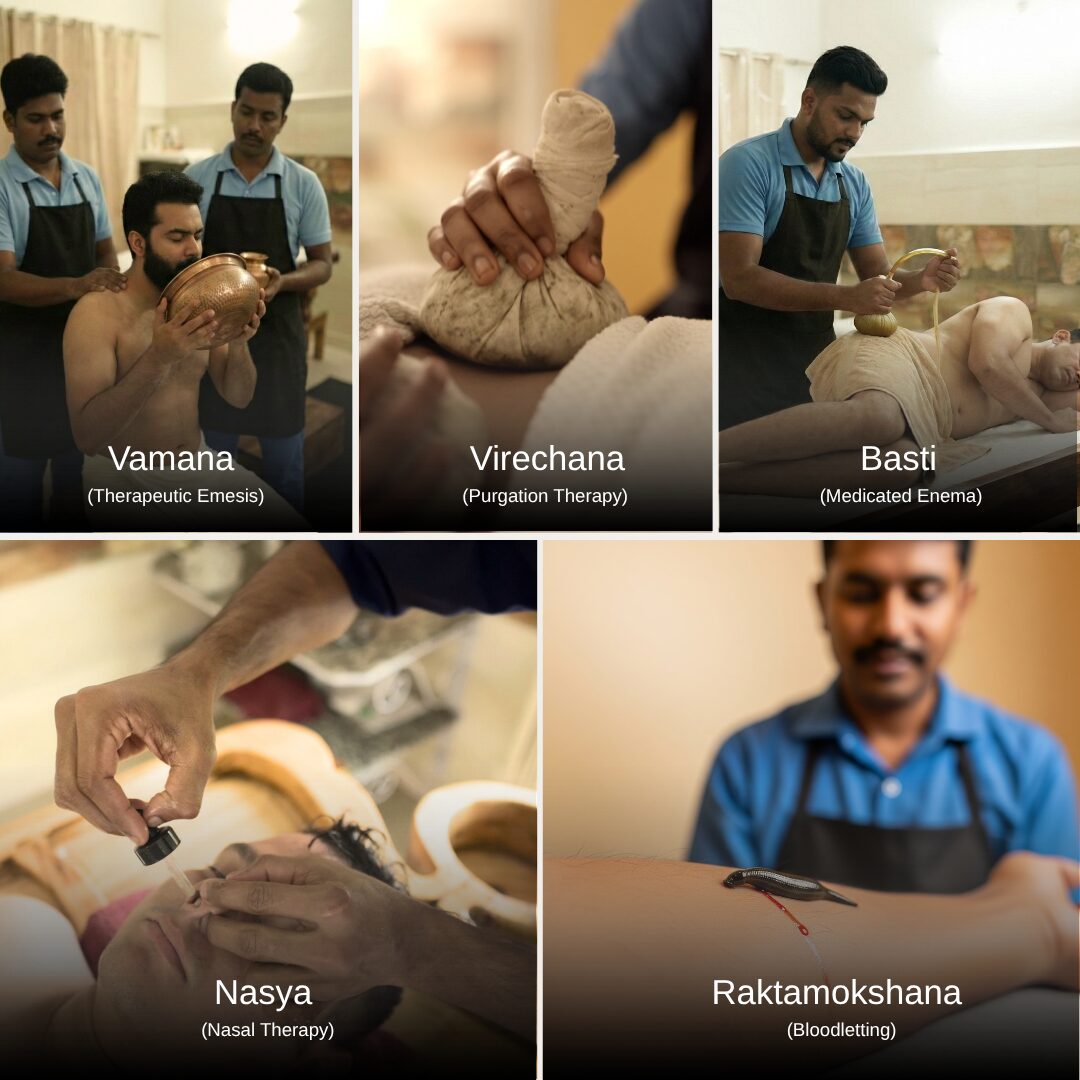
Virechana (Therapeutic Purgation): A carefully planned purgation therapy that, according to Ayurveda, helps eliminate accumulated doshic imbalances from the gastrointestinal tract and supports the management of inflammatory conditions.
Basti (Medicated Enema Therapy): Often regarded as one of the most important therapies for Vata disorders, Basti uses medicated oils or herbal decoctions to help balance Vata, reduce stiffness, and support joint function. The type and duration of Basti are individualised based on the patient’s condition.
Stage 5 – Shamana Chikitsa: Long-Term Maintenance & Symptom Management
After purification, Ayurvedic physicians may prescribe herbal formulations to help maintain balance, support joint health, and manage symptoms.
Commonly used herbs and formulations include:
- Guduchi (Tinospora cordifolia) – Traditionally used to support immune balance and overall well-being.
- Ashwagandha – Valued for supporting strength and recovery.
- Shallaki – Traditionally used to support joint comfort and mobility.
- Guggulu formulations such as Yogaraj Guggulu or Simhanada Guggulu are prescribed according to the patient’s condition and the physician’s assessment.
Herbal medicines are always selected based on the individual’s constitution, symptoms, and stage of disease.
Pathya-Apathya (Diet and Lifestyle)
Ayurveda places equal importance on daily habits because long-term management of Amavata extends beyond medicines and therapies.
Patients are often advised to:
- Eat freshly prepared, warm meals at regular times.
- Avoid cold, stale, processed, and difficult-to-digest foods.
- Stay physically active with gentle exercises, walking, or yoga.
- Maintain adequate sleep and manage stress.
- Avoid habits such as irregular eating patterns or prolonged exposure to cold.
These lifestyle practices are intended to complement the overall treatment plan and support long-term joint health.
Classical Ayurvedic Herbs for Rheumatoid Arthritis: Dosage & Mechanism
In Ayurveda, herbal medicines are selected based on the individual’s Prakriti (body constitution). Since Rheumatoid Arthritis is correlated with Amavata, Ayurvedic physicians often prescribe a combination of herbs and classical formulations that work together to address the root imbalance.
Common Ayurvedic Herbs Used for Rheumatoid Arthritis
- Ashwagandha (Withania somnifera)
Ashwagandha is a well-known adaptogenic herb. It helps strengthen muscles and joints. It may help reduce fatigue, improve mobility, and promote overall vitality in people with chronic joint disorders.
2. Shallaki (Boswellia serrate)
Shallaki is valued in Ayurveda for its anti-inflammatory properties. It is commonly used to relieve joint pain, reduce swelling, and improve flexibility, making it a frequently recommended herb for inflammatory joint conditions.
3. Guggulu (Commiphora mukul)
Guggulu is traditionally used to support joint health and reduce Ama. It is believed to help improve circulation, reduce stiffness, and support healthy inflammatory responses when used as part of a comprehensive treatment plan.
4. Guduchi (Tinospora cordifolia)
Guduchi is known for its immune-supportive and rejuvenating properties. In Ayurveda, it is used to help strengthen the body’s natural defence mechanisms, support healthy digestion, and reduce the accumulation of Ama associated with Amavata.
5. Turmeric (Curcuma longa)
Turmeric contains naturally occurring compounds such as curcumin that have been widely studied for their anti-inflammatory and antioxidant properties. In Ayurveda, it is commonly recommended to support joint comfort and overall health.
6. Ginger (Zingiber officinale)
Ginger helps stimulate digestive fire (Agni) and supports the digestion of Ama. It is also traditionally used to reduce stiffness, improve circulation, and relieve discomfort associated with inflammatory joint disorders.
Panchakarma Therapies Specifically for Rheumatoid Arthritis
Panchakarma is a group of classical Ayurvedic therapies used to support the management of certain chronic conditions. Amavata is the Ayurvedic term commonly used to describe a condition resembling rheumatoid arthritis. The treatment approach is selected according to the person’s symptoms, Dosha involvement, digestion, strength, and stage of the condition.
Panchakarma is not the same for every patient. An Ayurvedic physician first assesses the individual and then decides which therapies are suitable.
If you are considering Panchakarma for Arthritis or Joint-Related concerns, it is important to choose therapies based on your individual condition. You can explore the Panchakarma therapy for arthritis and joint disorders page to learn more about the treatment approach and book a consultation with an Ayurvedic physician.
Basti Therapy
Basti is one of the important Panchakarma therapies traditionally used for Vata-related disorders. It involves specially prepared medicated oils or herbal preparations through the rectal route under the supervision of a trained Ayurvedic physician.
In Amavata, Basti may be considered when Vata-related symptoms such as joint pain, stiffness, and restricted movement are prominent. The type of Basti, ingredients, and treatment schedule are selected according to the individual’s condition.
Virechana Therapy
Virechana is a classical Ayurvedic purification procedure that involves therapeutic purgation using carefully selected medicines under medical supervision.
Depending on the patient’s condition and Ayurvedic assessment, Virechana may be considered when Pitta involvement or the need for therapeutic cleansing is identified. It is not suitable for everyone, and the physician determines whether it should be included in the treatment plan.
Swedana Therapy
Swedana refers to Ayurvedic sweating or sudation therapies. It is commonly used after appropriate preparatory measures and may help relax stiff muscles and joints and support comfortable movement.
In patients with joint stiffness, Swedana may be included as part of the treatment plan when clinically appropriate. The type and intensity of the therapy are adjusted according to the patient’s strength, symptoms, and overall condition.
Why Panchakarma Is Individualized
There is no single Panchakarma protocol that works for every person with rheumatoid arthritis. The treatment plan may differ depending on whether the condition is in an active or stable phase, the severity of symptoms, digestive status, strength, age, and other health factors.
A qualified Ayurvedic physician may combine Panchakarma with Shamana Chikitsa, dietary changes, herbal support, gentle physical activity, and lifestyle modifications as appropriate.
Because rheumatoid arthritis is a chronic autoimmune condition that can cause progressive joint damage, Panchakarma should not be used as a reason to stop or delay prescribed medical treatment. Patients taking medicines for rheumatoid arthritis should discuss any complementary Ayurvedic treatment with their treating physician.
How Long Does Ayurvedic Treatment Take? Realistic Timeline for RA Patients
Early Stage: Understanding and Managing Symptoms
During Panchakarma and Active Treatment
Long-Term Management
Why Results Differ From Person to Person
- Duration and severity of rheumatoid arthritis
- Current level of joint inflammation and stiffness
- Overall strength and health
- Digestive health and dietary habits
- Lifestyle and daily activity
- Stress and sleep
- Consistency with the recommended treatment plan
- Other medicines or health conditions
Do Not Stop Prescribed RA Medicines Without Medical Advice
Clinical Differentiation: When to Choose Ayurveda vs. Conventional RA Management
When Conventional RA Treatment Is Important
Where Ayurveda May Be Considered
Can Ayurveda Replace RA Medicines?
When Immediate Medical Attention Is Needed
A Balanced Approach
Why Authentic Ayurvedic Centers Matter in RA Treatment
The effectiveness of Ayurvedic care for Rheumatoid Arthritis (RA) depends not only on the therapies but also on the authenticity of the clinical approach. Established Ayurvedic centres follow classical treatment principles, experienced physician-led care, and personalised treatment protocols rather than offering standardised detox packages.
At Vrindavan Ayurveda Chikitsalayam, the management of Rheumatoid Arthritis begins with a comprehensive consultation to understand the patient’s Prakriti (body constitution) and Vikriti (current imbalance). Digestive strength (Agni), Ama accumulation, disease stage, and overall health. Based on this assessment, Ayurvedic physicians develop an individualised treatment plan that may combine Panchakarma therapies, classical herbal medicines, dietary guidance, and lifestyle modification.
One of the distinguishing aspects of authentic Ayurvedic care at VVAC is its in-house facility, where classical herbal decoctions are prepared following traditional Ayurvedic texts. Rather than relying solely on commercially manufactured products, many formulations are freshly prepared using carefully selected medicinal herbs.
Certain decoctions required meticulous preparation over 7 to 10 days to preserve their therapeutic properties, ensuring patients receive medicines that align with the principles of classical Ayurveda.
Vrindavan Ayurveda Chikitsalayam also draws upon the wisdom of the Astavaidyan tradition, a respected lineage of Ayurvedic physicians from Kerala known for preserving and practising authentic Ayurvedic medicine for generations. This heritage emphasises precise diagnosis, individualised prescriptions, and the thoughtful application of Panchakarma therapies based on classical Ayurvedic literature rather than a one-size-fits-all approach.
Depending on the patient’s clinical condition, the treatment programme may include:
- Personalised Panchakarma therapies to reduce Ama and balance aggravated Vata Dosha.
- Freshly prepared classical herbal decoction and Ayurvedic formulations are prescribed according to individual needs.
- Therapeutic diet that supports healthy digestion and helps minimise the formation of Ama.
- Lifestyle recommendations, yoga, and gentle therapeutic exercises to improve mobility and overall well-being.
- Regular physician reviews to monitor progress and modify the treatment plan as recovery progresses.
Classical Ayurvedic References
The Ayurvedic understanding of Amavata and its management is based on principles described in several classical Ayurvedic texts. These works discuss concepts such as Ama, Agni, Dosha imbalance, disease progression, dietary measures, medicines, and therapeutic procedures.
Madhava Nidana – Amavata Nidana
Madhava Nidana provides a detailed description of Amavata, including its causes, clinical features, progression, and Ayurvedic understanding. The text is considered an important classical reference for the diagnosis of diseases and gives Amavata a separate place in its disease descriptions.
Charaka Samhita – Chikitsa Sthana
The Charaka Samhita forms one of the main foundations of Ayurvedic medicine. Its Chikitsa Sthana deals with the principles of disease management and includes discussions relevant to Ama, Agni, Vata disorders, Shamana, and Shodhana therapies. The text also contains dedicated chapters on conditions such as Vata disorders and Vatarakta, which provide important therapeutic principles used in Ayurvedic clinical practice.
Ashtanga Hridaya – Nidana and Chikitsa Sections
The Ashtanga Hridaya describes Ayurvedic principles related to disease diagnosis, Dosha involvement, digestion, treatment, and therapeutic procedures. Its Nidana and Chikitsa sections provide a broader classical framework for understanding disease and selecting appropriate treatment according to the patient’s condition.
Bhavaprakasha Nighantu
The Bhavaprakasha Nighantu is an important classical Ayurvedic materia medica that describes medicinal herbs and other substances used in Ayurveda. It provides information about properties such as Rasa, Guna, Virya, Vipaka, and traditional actions of individual herbs and is therefore a useful reference when discussing Ayurvedic herbs and formulations used in supportive management.
Conclusion
Rheumatoid Arthritis is a long-term condition that can affect your mobility, comfort, and overall quality of life. While it cannot be cured, the right combination of medical care, healthy lifestyle choices, and supportive therapies can help manage symptoms effectively.
Ayurveda takes a holistic approach by focusing on restoring balance through personalised treatments, Panchakarma, herbal medicines, diet, and lifestyle changes. Choosing an authentic Ayurvedic centre is equally important, as experienced physicians and classical treatment methods play a key role in delivering quality care. At Vrindavan Ayurveda Chikitsalayam (VVAC), this commitment is reflected through personalised treatment plans, an in-house Kashayapura for freshly prepared herbal decoctions, and the rich heritage of the Ashtavaidyan tradition.
Frequently Asked Questions (FAQs)
Q: Can Ayurveda cure rheumatoid arthritis permanently?
A: Ayurveda aims to manage RA by addressing root causes (Ama accumulation and Vata imbalance) rather than suppressing symptoms. Many patients experience significant symptom reduction and improved quality of life with consistent treatment and lifestyle adherence, though individual outcomes vary based on disease duration and constitution.
Q: How is Ayurvedic treatment for RA different from conventional medicine?
A: Conventional medicine typically uses immunosuppressants to reduce inflammation, while Ayurveda focuses on restoring digestive function, eliminating toxins, and rebalancing doshas to address the underlying autoimmune dysfunction. Both approaches can be complementary when coordinated with your healthcare provider.
Q: What is the typical duration of Ayurvedic treatment for rheumatoid arthritis?
A: Initial symptom relief may occur within 4-8 weeks, but long-term management typically requires 3-6 months of consistent treatment, including Panchakarma, herbal medicines, and lifestyle modifications. Maintenance therapy is often recommended to prevent relapse.
Q: Are Ayurvedic herbs for RA safe to take alongside conventional RA medications?
A: Many Ayurvedic herbs are safe to combine with conventional medications, but certain herbs may interact with immunosuppressants or biologics. Always inform both your Ayurvedic physician and rheumatologist about all treatments to ensure safe integration.
Q: Which Ayurvedic herb is most effective for rheumatoid arthritis pain?
A: Shallaki (Boswellia serrata) is traditionally considered the most potent anti-inflammatory herb for RA, often combined with Guggulu and Turmeric for synergistic effect. However, the most effective herb depends on individual constitution and disease stage as determined by your Ayurvedic physician.
Q: Can diet alone manage rheumatoid arthritis in Ayurveda?
A: While dietary modifications (Pathya-Apathya) are foundational for RA management, they work best as part of a comprehensive protocol including Panchakarma, herbal medicines, and lifestyle changes. Diet alone typically provides symptom support but may not address deep Ama accumulation.
Q: What foods should RA patients avoid according to Ayurveda?
A: Avoid cold, heavy, fried, processed, and difficult-to-digest foods, including dairy, refined sugars, and nightshade vegetables. Favour warm, freshly prepared meals with digestive spices like ginger, turmeric, and cumin to support Agni and prevent Ama formation.
Q: Is Panchakarma necessary for treating rheumatoid arthritis?
A: Panchakarma is highly recommended for RA as it systematically eliminates accumulated Ama and rebalances Vata dosha, providing deeper healing than herbal medicines alone. However, the specific therapies (Basti, Virechana, Swedana) are individualized based on disease stage and patient constitution.