Introduction
Arthritis is one of the leading causes of chronic joint pain and reduced mobility, affecting millions of people across India. It can be caused by age-related wear and tear, autoimmune conditions, or lifestyle factors. Arthritis can make everyday activities like walking, climbing stairs, or even holding objects increasingly difficult.
While conventional treatments play an important role in managing symptoms. Many individuals are also exploring natural approaches that focus on improving overall joint health and long-term well-being.
India’s rich tradition of Ayurveda, combined with complementary therapies such as Panchakarma, naturopathy, therapeutic nutrition, and yoga, offers a holistic approach to arthritis management.
In this blog, we’ll explore how these natural therapies work, their potential benefits, and what to look for when choosing a trusted natural arthritis treatment centre in India.
Understanding Arthritis: Why Joint Pain Develops and Worsens
Several factors can contribute to the development of arthritis, including:
- Ageing
- Autoimmune disorders
- Previous joint injuries
- Excess body weight
- Genetic factors
- Lifestyle habits
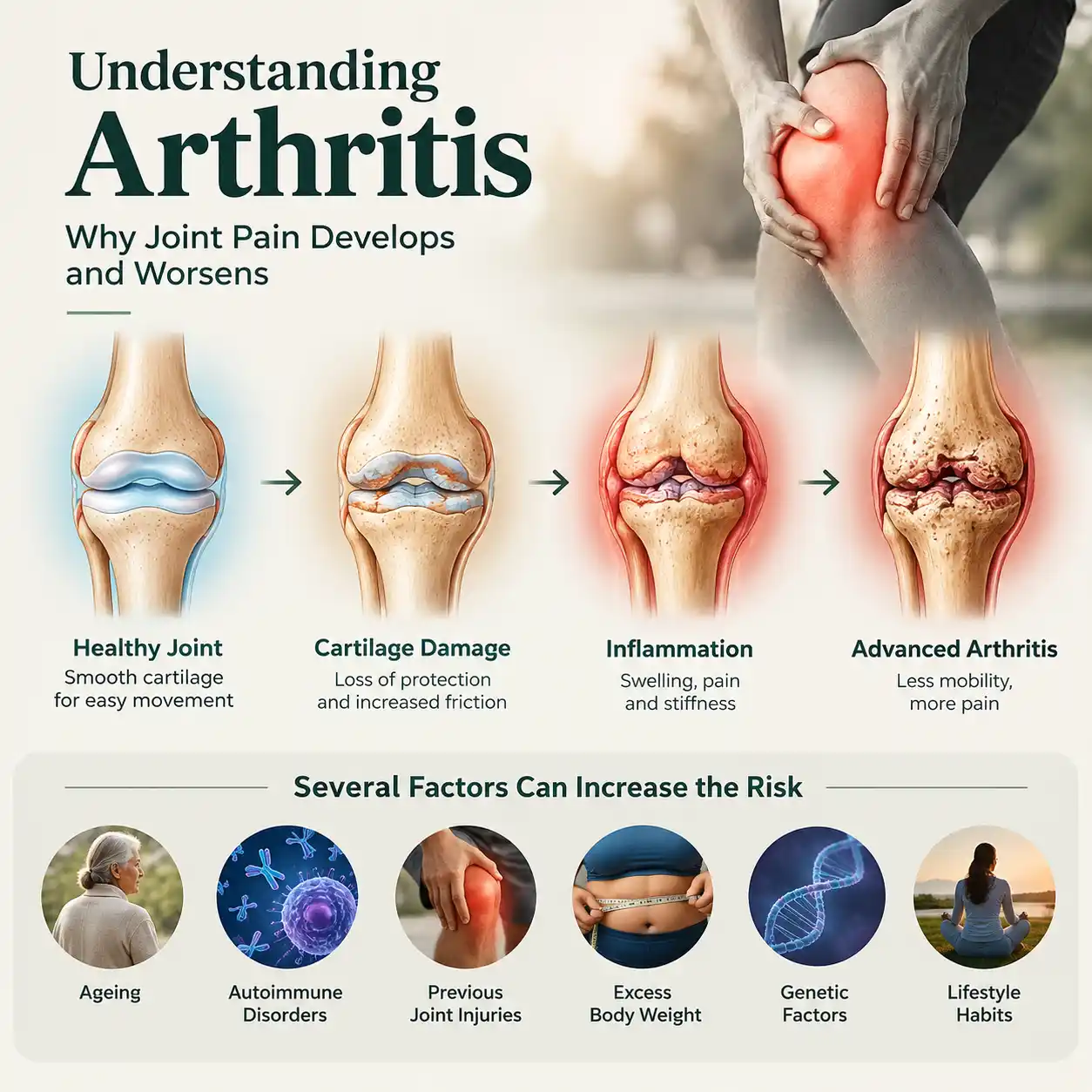
However, prolonged inactivity can weaken the muscles that support the joint, further reducing stability and increasing discomfort. This creates a cycle in which pain leads to less movement, and less movement contributes to additional joint problems.
Common Symptoms to Watch For
While symptoms vary depending on the type of arthritis, many people experience:
- Persistent or recurring joint pain
- Morning stiffness that improves gradually with movement
- Swelling, warmth, or tenderness around the joints
- Reduced range of motion
- Difficulty performing everyday activities
- A grinding or cracking sensation during movement in some cases
Why Natural Arthritis Treatment Is Gaining Popularity in India
Natural and holistic approaches to arthritis management have gained increasing attention across India. These approaches are often used alongside conventional care to support symptom management, improve, and encourage healthier lifestyle habits.
Several factors have contributed to this growing interest:
People are looking beyond Temporary Symptom Relief: Some individuals also seek complementary therapies that focus on broader aspects of health, such as physical function, lifestyle, and overall wellness.
Natural approaches, including Ayurveda, yoga, dietary changes, and naturopathy, often emphasise supporting the body’s natural healing processes while promoting healthier daily habits.
Growing Preference for Holistic Healthcare: Holistic care combines multiple strategies, such as treatment, personalised nutrition, regular exercise, stress management, and lifestyle modifications. It helps improve joint function and quality of life.
Ayurveda and Natural Healing: India has a long history of using traditional medicine systems, particularly Ayurveda, to support musculoskeletal health. For centuries, people have used classical Ayurvedic therapies, herbal medicines, Panchakarma procedures, and personalised lifestyle recommendations.
Today, many people continue to choose these therapies as part of an integrative approach to arthritis management, particularly when provided under the supervision of qualified Ayurvedic physicians.
How Ayurveda and Panchakarma Address Arthritis at Its Root Cause
Rather than focusing on a single symptom, Ayurvedic treatment is designed to restore overall balance, improve digestion and metabolism, support the body’s natural healing processes, and promote long-term joint health.
Arthritis in Ayurveda
Ayurveda does not describe all forms of arthritis as one condition. Instead, different types of arthritis are understood based on their underlying causes and symptoms.
Sandhivata (Comparable to Osteoarthritis)
Sandhivata is primarily associated with an aggravated Vata dosha. It commonly develops with ageing, excessive physical strain, or degeneration of joint tissues.
Symptoms include:
- Joint pain during movement
- Stiffness
- Cracking or creaking sounds in the joints
- Reduced flexibility
- Gradual wear and tear of the joints
Amavata (Comparable to Rheumatoid Arthritis)
Ama vata is believed to occur when Ama (undigested metabolic waste) accumulates in the body and combines with an aggravated Vata dosha. This combination is thought to trigger inflammation and pain in multiple joints.
Common symptoms include:
- Swollen and painful joints
- Morning stiffness
- Fatigue
- Reduced mobility
- Symptoms that may affect multiple joints simultaneously
The Role of Panchakarma in Arthritis Care
Panchakarma is one of Ayurveda’s most important therapeutic approaches. It consists of a series of cleansing and rejuvenation therapies that are personalised to an individual’s condition, body constitution (Prakriti), and stage of disease.
For arthritis, Panchakarma is commonly recommended to:
- Help reduce inflammation
- Improve joint mobility
- Relieve stiffness and discomfort
- Support circulation around affected joints
- Promote better muscle and connective tissue function
- Enhance overall well-being alongside lifestyle and dietary changes
Because arthritis affects each person differently, Panchakarma treatments are always selected after a detailed Ayurvedic assessment rather than following a one-size-fits-all approach.
Explore the Panchakarma Therapy for Arthritis & Joint Disorders page for more information, and consult an Ayurvedic physician for personalised guidance.
Common Panchakarma Therapies Used for Arthritis
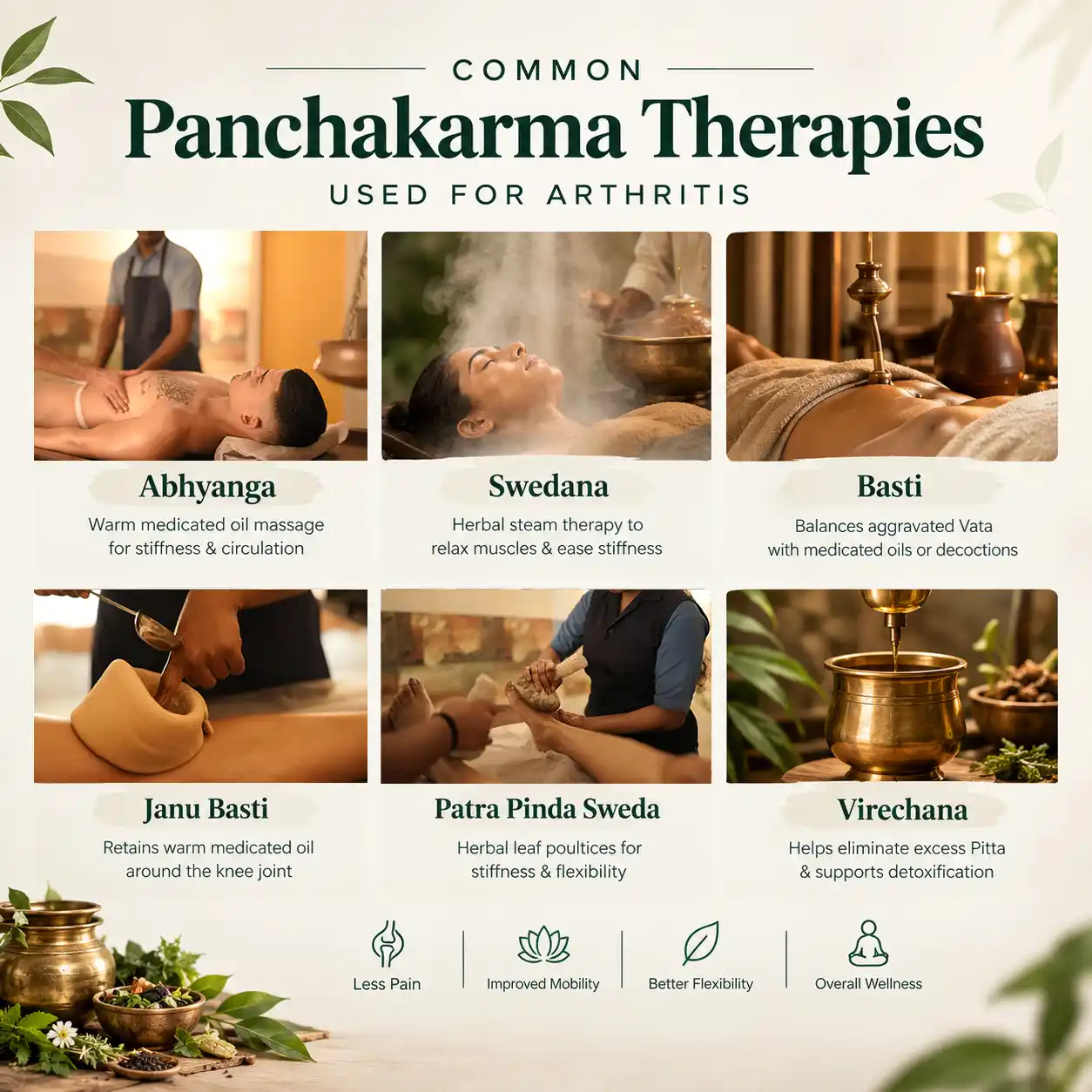
Depending on the patient’s condition, an Ayurvedic physician may recommend therapies such as:
- Abhyanga: A full-body massage using warm medicated oils to help reduce stiffness, improve circulation, and nourish muscles and joints.
- Swedana: Herbal steam therapy that helps relax muscles, ease stiffness, and support sweating as part of Ayurvedic treatment.
- Basti: Considered one of the primary therapies for balancing aggravated Vata, Basti uses medicated oils or herbal decoctions administered under professional supervision.
- Janu Basti: A localised therapy in which warm medicated oil is retained around the knee joint to support joint comfort and mobility.
- Patra Pinda Sweda: Warm herbal leaf poultices are applied to painful joints to help relieve stiffness and improve flexibility.
- Virechana: In selected cases, this cleansing therapy may be used to help eliminate excess Pitta and support detoxification as part of a personalised treatment plan.
The choice of therapies depends on the type of arthritis, symptom severity, age, overall health, and the physician’s clinical assessment.
Beyond Ayurveda: The Role of Naturopathy, Diet, and Yoga in Joint Health
While Ayurveda and Panchakarma form the foundation of natural arthritis care, managing arthritis often requires a broader, lifestyle-based approach.
These complementary approaches do not replace medical treatment. Instead, they work alongside it to help improve mobility, reduce discomfort, and support overall well-being.
Naturopathy: Supporting the Body’s Natural Healing Processes
Naturopathy is based on the principle of encouraging the body’s natural ability to heal through non-invasive therapies, healthy lifestyle practices, and natural elements such as water, mud, sunlight, and therapeutic massage.
For people with arthritis, naturopathy aims to reduce physical stress on the joints, improve circulation, promote relaxation, and support overall health.
Some commonly used naturopathy therapies include:
1. Mud Therapy
It is commonly used to help reduce swelling, ease stiffness, and promote relaxation.
2. Hydrotherapy
Hydrotherapy uses water at different temperatures to support joint health and muscle function. Warm water therapies may help relax muscles, improve blood circulation, and reduce joint stiffness, while cool water applications can provide temporary relief from inflammation and swelling.
Hydrotherapy may include therapeutic baths, contrast therapy, underwater exercises, or localised water applications depending on an individual’s needs.
3. Therapeutic Massage and Physical Therapies
Gentle therapeutic massage and other physical therapies may help reduce muscle tension around painful joints, improve flexibility, and support better movement.
These therapies are often combined with stretching exercises and rehabilitation programmes to encourage safer, more comfortable mobility.
4. The Importance of Nutrition in Arthritis Management
What we eat can have a significant impact on overall health, including joint health. Although no single diet can cure arthritis, maintaining a balanced and nutritious eating pattern may help support a healthy weight and reduce factors associated with chronic inflammation.
Many healthcare professionals recommend an anti-inflammatory dietary pattern that includes:
- Fresh fruits and vegetables
- Whole grains
- Nuts and seeds
- Healthy fats such as olive oil and flaxseeds
- Omega-3-rich foods like fatty fish
- Adequate hydration throughout the day
At the same time, limiting highly processed foods, excessive sugar, trans fats, and ultra-processed snacks may support better overall health and weight management, reducing unnecessary stress on the joints.
5. Yoga: Gentle Movement for Stronger, Healthier Joints
Many people with arthritis worry that exercise might worsen their pain. In reality, appropriately guided physical activity is one of the most important parts of arthritis management.
Yoga combines gentle stretching, strengthening exercises, breathing techniques, and relaxation practices that can help improve flexibility, muscle strength, balance, and posture.
For people with arthritis, regular yoga practice may help:
- Improve joint flexibility and range of motion
- Strengthen the muscles that support the joints
- Reduce stiffness and improve mobility
- Enhance balance and coordination
- Lower stress, which may influence the perception of pain
- Improve overall quality of life
Yoga programmes should always be adapted to an individual’s condition and performed under the guidance of a qualified instructor, especially during periods of active joint pain.
Benefits of an Integrated Natural Approach to Arthritis Management
An integrative natural approach combines therapies such as Ayurveda, Panchakarma, naturopathy, therapeutic nutrition, yoga, and lifestyle modification into one personalised care plan.
Each therapy addresses a different aspect of joint health, working together to support overall well-being and improve quality of life.
1. Personalised Care for Every Individual: No two people experience arthritis in the same way. The type of arthritis, age, medical history, lifestyle, symptom severity, and overall health all influence the most appropriate treatment plan.
An integrated approach lets healthcare professionals design personalised programmes that combine different therapies based on each individual’s needs, rather than following a one-size-fits-all model.
2. Support Long-Term Joint Health: While short-term symptom relief is important, long- term management is equally essential. The goal is not only to reduce discomfort but also to improve mobility, preserve independence, and support a healthier, more active lifestyle.
3. Encourages Better Physical and Emotional Well-being: Living with chronic arthritis can affect mental and emotional health as well as physical function. Persistent pain may contribute to stress, anxiety, poor sleep, and reduced confidence in daily activities.
4. Promote Sustainable Lifestyle Changes: One of the greatest strengths of holistic arthritis management is that it encourages healthy habits that patients can continue even after completing a treatment programme.
These may include:
- Following a balanced diet
- Maintaining a healthy body weight
- Staying physically active
- Practising yoga regularly
- Managing stress effectively
5. Protecting joints during daily activities: One of the greatest strengths of holistic arthritis management is that it encourages healthy habits that patients can continue even after completing a treatment programme. These may include:
- Following a balanced diet
- Maintaining a healthy body weight
- Staying physically active
- Practising yoga regularly
- Managing stress effectively
- Getting adequate sleep
- Protecting joints during daily activities
Choosing the Right Natural Arthritis Treatment Centre in India
Here are some key factors to consider when choosing a natural arthritis treatment centre.
1. Qualified and Experienced Ayurvedic Physicians
The success of natural arthritis management depends largely on accurate diagnosis and individualised treatment planning. Look for centres where experienced Ayurvedic physicians conduct detailed consultations before recommending therapies.
A comprehensive assessment should consider:
- The type and stage of arthritis
- Medical history and current medications
- Body consultation (Prakriti)
- Lifestyle and dietary habits
- Individual treatment goals
2. Comprehensive Therapies Under One Roof
Arthritis management often benefits from a multidisciplinary approach rather than relying on a single therapy.
A well-equipped centre should ideally provide access to:
- Ayurvedic consultations
- Panchakarma therapies
- Naturopathy treatments
- Therapeutic yoga
- Personalised dietary guidance
- Physiotherapy or rehabilitation support, where appropriate
- NABH Accreditation and Quality Standards
Accreditation is an important indicator of quality and patient safety. Choosing an NABH-accredited hospital or wellness centre helps ensure that it follows recognised standards for clinical care, hygiene, safety protocols, and patient services.While accreditation alone does not guarantee outcomes, it reflects a commitment to maintaining consistent healthcare standards.
- Personalised Treatment Plans
No two individuals experience arthritis in the same way. An effective treatment centre should avoid one-size-fits-all programmes and instead create individualised plans based on each patient’s symptoms, health status, and progress.Personalised care may include adjustments to therapies, dietary recommendations, exercise routines, and lifestyle guidance throughout the treatment journey.
- Comfortable Healing Environment
The treatment environment also plays a role in recovery. A peaceful setting, comfortable accommodation for residential programmes, nutritious meals, and supportive staff can help patients focus on rehabilitation and long-term lifestyle changes.Many people travelling for arthritis treatment prefer centres that provide a calm, nature-based environment where therapies, rest, and wellness activities are integrated into daily care.
- A Holistic Approach to Long-Term Joint Health
The most effective natural arthritis centres focus not only on symptom management but also on helping patients adopt healthier habits that support long-term joint health. Education, follow-up care, and lifestyle counselling are valuable components of a comprehensive treatment programme.The goal is to help individuals improve mobility, maintain independence, and develop sustainable practices they can maintain after returning home.
How VVAC Combines Ayurveda, Naturopathy, and Personalised Care for Arthritis
At Vrindavan Ayurveda Chikitsalayam, arthritis care is designed around this holistic philosophy, combining traditional Ayurvedic wisdom with complementary natural therapies in a structured and personalised programme.
Set amid the serene Shivalik Hills in North India, VVAC offers a peaceful healing environment where patients receive integrated care under the guidance of experienced Ayurvedic physicians.
Personalised Treatment Plan for Every Patient
At VVAC, every patient undergoes a detailed Ayurvedic consultation before treatment begins. Based on this assessment, physicians create an individualised care plan that may include Panchakarma therapies, herbal medicines, naturopathy treatments, dietary recommendations, yoga, and lifestyle guidance.
Authentic Ayurveda Guide
One of VVAC’s distinguishing strengths is its connection to the renowned Kerala Ayurvedic tradition. Treatments are supervised by experienced Kerala-lineage Ayurvedic physicians who follow classical Ayurvedic principles while caring for each patient’s condition.
The focus is not only on managing joint pain but also on improving digestion, restoring dosha balance, enhancing mobility, and supporting overall health through individualised Ayurvedic care.
Integrated Care Under One Roof
Rather than offering Ayurveda alone, VVAC brings together multiple natural healing disciplines to provide comprehensive arthritis management.
Depending on the patient’s needs, the treatment programme may include:
- Personalised Ayurvedic consultations
- Panchakarma therapies
- Naturopathy treatments such as hydrotherapy and mud therapy
- Therapeutic yoga and guided exercises
- Customised dietary plans
- Lifestyle counselling and wellness education
This multidisciplinary model allows different therapies to complement one another, creating a well-rounded approach to joint health.
A Healing Environment Designed for Recovery
Recovery from chronic conditions often benefits from a calm and supportive environment. Set on a 25-acre campus in the Shivalik Hills, VVAC provides a peaceful atmosphere away from the stresses of everyday life.
Patients participating in residential wellness programmes receive comfortable accommodation, balanced Ayurvedic meals, scheduled therapies, yoga sessions, and ongoing medical supervision—allowing them to focus fully on their recovery and overall well-being.
Commitment to Quality and Patient Care
As an NABH-accredited Ayurvedic hospital, VVAC follows established standards for patient safety, hygiene, clinical care, and service quality. This accreditation reflects the hospital’s commitment to delivering structured, patient-centred healthcare while maintaining high professional standards.
Supporting Long-Term Joint Health
At VVAC, the goal extends beyond helping patients manage arthritis symptoms during their stay. Equal emphasis is placed on educating individuals about healthy eating habits, regular physical activity, stress management, and daily routines that support long-term joint health.
By combining Ayurveda, Panchakarma, naturopathy, yoga, nutrition, and lifestyle guidance, VVAC aims to help patients build sustainable habits that contribute to better mobility, improved quality of life, and overall wellness.
Conclusion
Managing arthritis is about more than simply relieving pain—it requires a comprehensive approach that supports joint health, mobility, and overall quality of life. Natural therapies such as Ayurveda, Panchakarma, naturopathy, yoga, and personalised nutrition can play a valuable role in an integrated arthritis management plan when guided by qualified healthcare professionals.
Choosing a centre that combines these therapies under expert supervision can make a meaningful difference in your recovery journey. With personalised treatment plans, experienced Kerala-lineage physicians, and an NABH-accredited healthcare environment.
Vrindavan Ayurveda Chikitsalayam (VVAC) offers a holistic approach that supports long-term joint health while addressing each patient’s unique needs. If you’re considering natural arthritis treatment in India, consulting experienced practitioners can help you determine the most appropriate care for your condition.
Frequently Asked Questions (FAQs)
1. Can arthritis be treated naturally?
Natural therapies such as Ayurveda, Panchakarma, yoga, naturopathy, and lifestyle modifications may help manage arthritis symptoms, improve mobility, and support overall joint health. They are often used alongside conventional medical care as part of a comprehensive treatment plan.
2. Is Panchakarma effective for arthritis?
Panchakarma is commonly used in Ayurveda to support arthritis management. Depending on the individual’s condition, personalised therapies may help reduce stiffness, improve flexibility, and enhance overall joint function under professional supervision.
3. Which natural therapies are commonly used for arthritis?
Natural arthritis management may include Ayurvedic medicines, Panchakarma therapies, hydrotherapy, mud therapy, therapeutic yoga, dietary modifications, and lifestyle counselling. The combination of therapies depends on the patient’s condition and treatment goals.
4. How long does natural arthritis treatment take?
The duration varies depending on the type of arthritis, severity of symptoms, and individual response to treatment. Some people notice improvements within a few weeks, while others may benefit from longer-term lifestyle changes and follow-up care.
5. Is yoga safe for people with arthritis?
Yes, when practised under the guidance of a qualified instructor and adapted to the individual’s condition. Gentle yoga can help improve flexibility, muscle strength, balance, and joint mobility while reducing stiffness.
6. What foods are beneficial for people with arthritis?
A balanced diet rich in fruits, vegetables, whole grains, healthy fats, nuts, seeds, and omega-3-rich foods may support overall health. Maintaining a healthy weight can also reduce stress on the joints.
7. Can natural arthritis treatment be combined with conventional medicine?
In many cases, yes. Many people use natural therapies alongside prescribed medical treatment. However, any complementary treatment should be discussed with your healthcare provider to ensure it is appropriate for your specific condition and medications.
8. What should I look for in a natural arthritis treatment centre?
Look for experienced Ayurvedic physicians, personalised treatment plans, NABH accreditation, integrated therapies such as Panchakarma and naturopathy, therapeutic yoga, nutritional guidance, and a patient-centred approach to long-term joint health.