Introduction
In recent years, Panchakarma retreats have become increasingly popular among people seeking natural ways to improve their health, manage stress, and restore balance. From luxury wellness resorts nestled in the Himalayas to specialised Ayurvedic hospitals offering physician-led treatments.
North India now offers a wide range of Panchakarma destinations. However, with so many options available, choosing the right retreat can be overwhelming.
Real Panchakarma is not just a spa day—it’s a structured, medically supervised process that requires qualified doctors, personalized plans, and authentic treatments. Whether you’re seeking relief for a chronic condition or just a preventive reset, this guide will help you cut through the noise and choose a retreat that fits your needs.
Whether you’re looking for stress relief, preventive wellness, or support for a chronic health condition, this comprehensive guide will help you make an informed decision and choose a retreat that best aligns with your health goals.
What is a Panchakarma Retreat?
A Panchakarma retreat is a residential Ayurvedic healing program. Individuals stay at an Ayurveda centre or hospital for a specific period to undergo Panchakarma, the classical detoxification and rejuvenation therapy described in Ayurvedic texts.
Unlike a spa vacation, a Panchakarma retreat is a medically supervised program that combines therapeutic procedures, personalised herbal medicines, diet, yoga, and lifestyle guidance to restore balance in the body and mind.
The word Panchakarma comes from Sanskrit, where Pancha means “five” and Karma means “actions” or “procedures.” These five therapeutic procedures are designed to eliminate accumulated toxins (Ama), balance the doshas (Vata, Pitta, and Kapha), improve digestion (Agni), and support the body’s natural healing processes.
A Panchakarma retreat typically follows three important stages:
1. Preparation (Purvakarma)
Before the main cleansing begins, the body is prepared through therapies that help loosen and mobilise toxins. This stage may include:
- Abhyanga (full-body herbal oil massage)
- Swedana (herbal steam therapy)
- Internal or external oleation using medicated oils or ghee
The goal is to bring toxins from deeper tissues into the digestive tract, making them easier to eliminate.
2. Main Cleansing (Pradhanakarma)
Based on the physician’s assessment, one or more of the classical Panchakarma procedures may be performed, such as:
- Vamana (therapeutic emesis)
- Virechana (therapeutic purgation)
- Basti (medicated enema)
- Nasya (nasal therapy)
- Raktamokshana (bloodletting, performed only in selected clinical situations)
These therapies are carried out under medical supervision and are selected according to the patient’s condition rather than as a standard package.
3. Recovery (Paschatkarma)
After cleansing, the body gradually returns to its normal routine. This phase focuses on:
- A carefully planned therapeutic diet
- Herbal medications
- Gentle yoga and breathing exercises
- Lifestyle counselling
- Gradual restoration of digestive strength and energy
This recovery period is considered just as important as the cleansing itself because it helps stabilise the benefits of treatment.
Why Choosing the Right Panchakarma Centre Matters
Choosing the right Panchakarma centre is one of the most important decisions you’ll make before beginning Ayurvedic treatment. While many wellness resorts and spas advertise Panchakarma, not all of them follow the classical principles of Ayurveda.
The quality of medical supervision, authenticity of therapies, herbal medicines, and post-treatment care can significantly influence both the safety and effectiveness of the treatment.
1. Qualified Ayurvedic Physicians Make the Difference
Panchakarma is not a standard treatment package that can be applied to everyone. Every individual has unique health needs, and the therapies must be tailored accordingly. An experienced Ayurvedic physician evaluates your medical history, lifestyle, symptoms, and overall health before recommending a treatment plan.
Daily monitoring is equally important, as the physician may adjust therapies, herbal medicines, or dietary recommendations based on how your body responds during the treatment.
Look for centres that offer:
- Detailed initial consultation
- Daily physician supervision
- Individualised treatment plans
- Experienced Ayurvedic doctors and trained therapists
2. Authentic Panchakarma Is More Than an Ayurvedic Massage
One of the biggest misconceptions is that Panchakarma simply involves herbal oil massages or steam baths. While these therapies are often included, they are only part of a much larger treatment process.
Classical Panchakarma follows three carefully planned stages:
- Purvakarma (Preparation): Therapies that prepare the body for cleansing.
- Pradhanakarma (Main Procedures): One or more of the five classical detoxification therapies prescribed according to individual needs.
- Paschatkarma (Recovery): Dietary management, lifestyle guidance, and gradual restoration of digestive strength.
A genuine Panchakarma centre follows these stages systematically rather than offering isolated therapies as standalone spa treatments.
3. Quality of Medicines Matters
The effectiveness of Panchakarma depends not only on the therapies but also on the quality of the herbal medicines and medicated oils used during treatment.
Reputed Ayurvedic centres use classical formulations prepared according to traditional Ayurvedic texts and ensure strict quality control.
Some advanced centres even have in-house pharmacies or Kashayapura facilities where herbal decoctions and medicated oils are freshly prepared, preserving their potency and authenticity.
Fresh, high-quality medicines contribute to a more personalised and effective treatment experience.
4. A Healing Environment Supports Recovery
The environment in which Panchakarma is performed plays an important role in the healing process. Ayurveda emphasises the connection between the body, mind, and surroundings.
Centres located in peaceful, natural settings can help reduce stress, improve sleep, and support mental relaxation, all of which contribute to recovery. Features such as green open spaces, clean air, yoga halls, meditation areas, and wholesome Ayurvedic meals create an atmosphere that complements the therapies.
A calm environment allows patients to focus on healing without the distractions of daily life.
5. Safety and Clinical Standards Are Essential
Since Panchakarma involves specialised cleansing procedures, patient safety should always be a priority. Centres that follow recognised healthcare standards maintain high levels of hygiene, proper documentation, trained staff, and emergency medical support when required.
Choosing a centre with strong clinical protocols provides reassurance that treatments are being delivered safely and professionally.
6. Comprehensive Care Goes Beyond the Treatment Room
The best Panchakarma centres view healing as a complete journey rather than a series of therapies. In addition to treatment sessions, they often provide:
- Personalised therapeutic diets
- Herbal medications
- Yoga and meditation
- Lifestyle counselling
- Stress management techniques
- Follow-up guidance after discharge
This holistic approach helps patients maintain the benefits of Panchakarma long after they return home.
Top Panchakarma Retreats in North India (2026)
Choosing the best Panchakarma retreat isn’t simply about selecting the most luxurious property or the most expensive wellness package. An authentic Panchakarma experience depends on experienced Ayurvedic physicians, classical treatment protocols, quality herbal medicines, a peaceful healing environment, and comprehensive patient care. North India is home to several renowned Ayurvedic retreats and hospitals, each offering a unique approach to wellness and healing.
Below is a detailed comparison of some of the most respected Panchakarma retreats in North India to help you find the one that best suits your health goals.
1. Vaidyaratnam Vrindavan Ayurveda Chikitsalayam (VVAC), Himachal Pradesh

Overview
Nestled in the serene Shivalik Hills near Chandigarh, Vaidyaratnam Vrindavan Ayurveda Chikitsalayam (VVAC) is one of North India’s leading destinations for authentic Panchakarma and Ayurvedic healthcare. Unlike many wellness resorts that focus primarily on relaxation, VVAC functions as a physician-led Ayurvedic hospital where every treatment is personalised according to classical Ayurvedic principles.
Established in collaboration with the renowned Vaidyaratnam Group of Kerala, VVAC brings the centuries-old Ashtavaidyan tradition to North India. The centre combines this rich heritage with modern healthcare standards, making it one of the few NABH-accredited Ayurvedic hospitals in the region.
Spread across a tranquil 25-acre campus, VVAC offers a healing environment surrounded by nature while integrating yoga, physiotherapy, therapeutic nutrition, and lifestyle counselling into its Panchakarma programs.
Treatment Philosophy
VVAC believes that successful healing begins with understanding the root cause of illness rather than simply treating symptoms. Every patient undergoes a detailed consultation with qualified Ayurvedic physicians who assess their Prakriti (body constitution), Dosha imbalances, digestive health (Agni), medical history, and lifestyle before designing an individual treatment plan.
The centre follows classical Panchakarma protocols, ensuring that every patient receives the appropriate preparation therapies, detoxification procedures, and recovery plan under continuous medical supervision.
Panchakarma Facilities
Patients receive a comprehensive healing experience that includes:
- Personalised physician consultations
- Classical Panchakarma therapies
- Daily medical monitoring
- Comfortable residential accommodation
- Therapeutic Ayurvedic meals
- Yoga and meditation sessions
- Physiotherapy support (where required)
- Lifestyle and dietary counselling
- Post-treatment guidance
One of VVAC’s distinguishing features is its in-house Kashayapura, where herbal decoctions, medicated oils, and classical Ayurvedic formulations are freshly prepared according to traditional texts. This ensures consistency, quality, and authenticity throughout the treatment process.
Why VVAC Stands Out
- Operates under the prestigious Vaidyaratnam and Ashtavaidyan lineage
- NABH-accredited Ayurvedic hospital
- One of North India’s few centres with an in-house Kashayapura
- Physician-led, personalised Panchakarma programs
- 25-acre pollution-free healing campus
- Integration of yoga, physiotherapy, and therapeutic nutrition
- Focus on chronic disease management alongside preventive wellness
Best For
- Arthritis and joint disorders
- Diabetes management
- Neurological rehabilitation
- Autoimmune conditions
- Stress-related disorders
- Lifestyle diseases
- Long-term Ayurvedic healing programs
Consider Before Booking
As a treatment-focused Ayurvedic hospital, VVAC follows structured medical schedules and personalised therapy plans. Guests looking primarily for a luxury spa holiday or entertainment-focused resort experience may find the environment more clinical than recreational.
2. Six Senses Vana, Dehradun, Uttarakhand
Overview
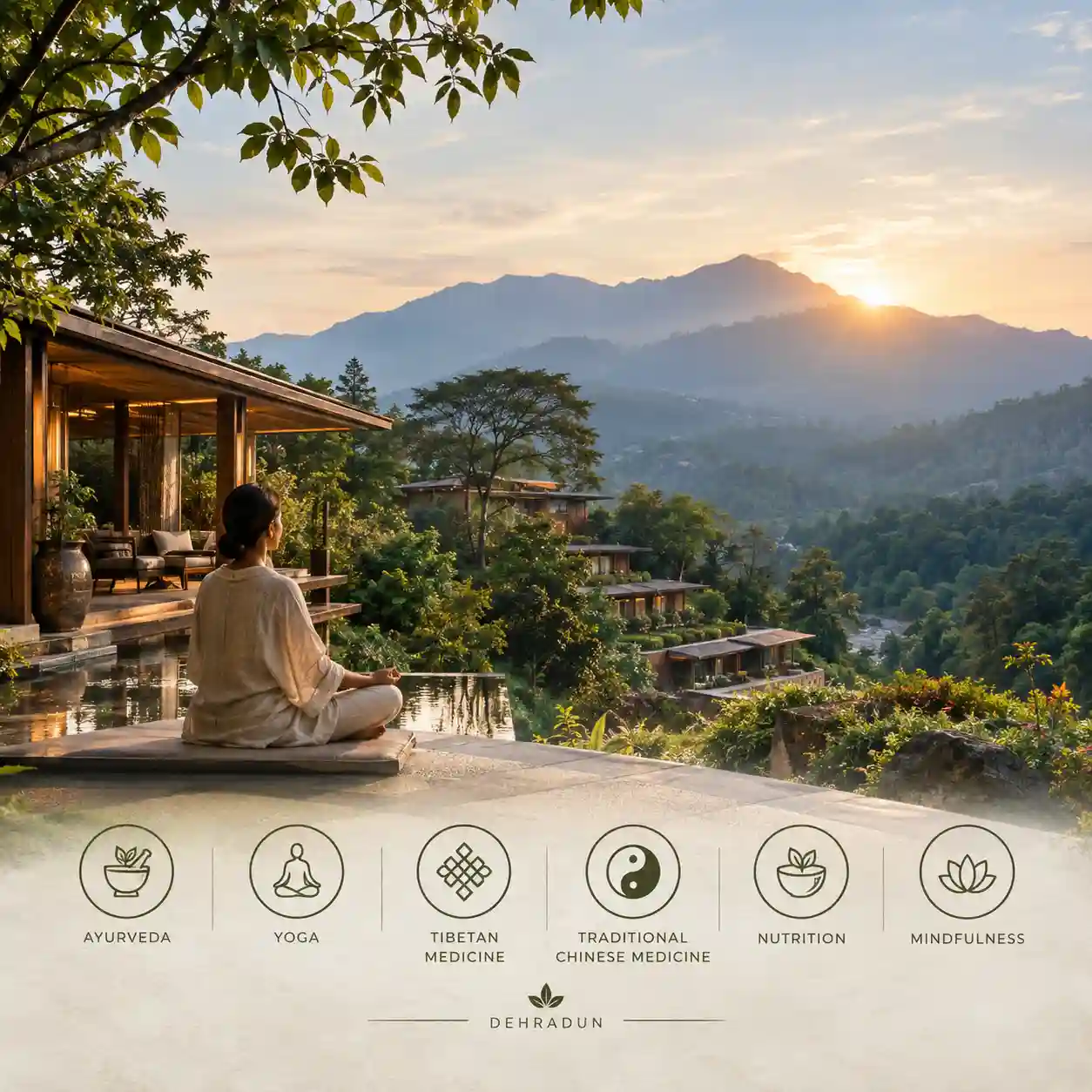
Six Senses Vana is among India’s most luxurious wellness retreats and has earned international recognition for its holistic approach to health. Located in Dehradun, the retreat combines Ayurveda with yoga, Tibetan medicine, Traditional Chinese Medicine, nutrition, and mindfulness practices.
The emphasis is on preventive wellness, stress reduction, and overall lifestyle transformation rather than intensive Ayurvedic treatment for chronic diseases.
Treatment Philosophy
Guests begin their stay with a detailed wellness assessment before receiving a personalised program that may include Ayurvedic therapies, yoga, meditation, spa treatments, and nutritional guidance.
The retreat focuses on balancing physical, emotional, and mental wellbeing through an integrative wellness model.
Panchakarma Facilities
- Ayurvedic consultations
- Panchakarma-inspired therapies
- Yoga and meditation
- Luxury accommodation
- Organic cuisine
- Spa facilities
- Wellness coaching
Strengths
- International luxury standards
- Highly personalised wellness programs
- Beautiful natural surroundings
- Exceptional hospitality
- Comprehensive wellness experiences
Best For
- Burnout recovery
- Executive wellness
- Stress management
- Luxury wellness vacations
- Preventive healthcare
Consider Before Booking
Patients seeking intensive, hospital-based Panchakarma for chronic medical conditions may require a more clinically focused Ayurvedic centre.
3. Ananda in the Himalayas, Uttarakhand

Overview
Located in the Himalayan foothills overlooking Rishikesh, Ananda is one of India’s most iconic luxury wellness destinations. It combines Ayurveda with yoga, meditation, fitness, emotional wellbeing, and healthy nutrition to create personalised wellness journeys.
Treatment Philosophy
Rather than functioning as a specialised Ayurvedic hospital, Ananda offers integrated wellness experiences designed to improve overall health, reduce stress, and encourage healthier lifestyle habits.
Panchakarma Facilities
- Ayurvedic consultations
- Panchakarma therapies
- Yoga programs
- Meditation sessions
- Spa treatments
- Wellness cuisine
Strengths
- World-renowned wellness destination
- Scenic Himalayan setting
- Excellent hospitality
- Holistic wellness programs
- Strong yoga and meditation offerings
Best For
- Wellness holidays
- Stress relief
- Lifestyle improvement
- Mind-body rejuvenation
Consider Before Booking
Patients requiring extended physician-led treatment for chronic diseases may benefit from centres with dedicated hospital infrastructure.
4. Patanjali Wellness Centres

Overview
Patanjali Wellness Centres have made Ayurvedic therapies more accessible through a network of treatment facilities across North India. Their Panchakarma services are generally more affordable and cater to individuals seeking basic Ayurvedic care.
Treatment Philosophy
The centres focus on combining Ayurvedic therapies with yoga, dietary recommendations, and herbal medicines for general health improvement.
Panchakarma Facilities
- Ayurvedic consultation
- Basic Panchakarma therapies
- Yoga
- Herbal medicines
- Dietary advice
Strengths
- Affordable pricing
- Wide availability
- Suitable for general wellness
- Accessible locations
Best For
- Budget-friendly Panchakarma
- Preventive healthcare
- General detoxification
- Beginners exploring Ayurveda
Consider Before Booking
Facilities, physician availability, and treatment quality may vary between individual centres. It is advisable to research the specific branch before booking.
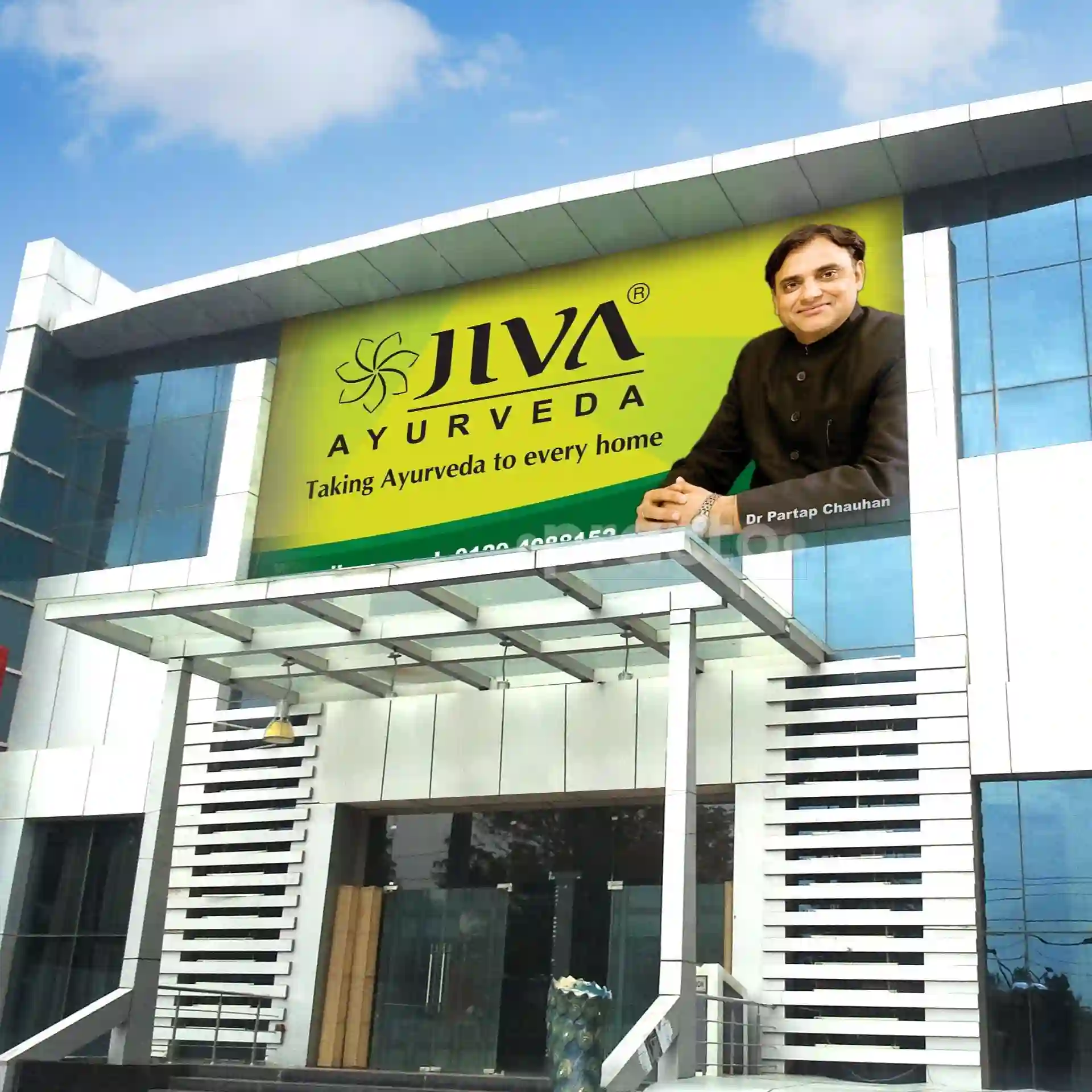
5. Jiva Ayurveda Wellness Centre
Overview
Jiva Ayurveda is well known for making Ayurvedic consultations and treatments accessible across India. Its wellness centres offer Panchakarma therapies alongside physician consultations and personalised herbal medicines.
Treatment Philosophy
Jiva combines traditional Ayurvedic principles with organised healthcare systems, focusing on preventive care and the management of lifestyle disorders.
Panchakarma Facilities
- Doctor consultations
- Panchakarma therapies
- Herbal medicines
- Dietary counselling
- Lifestyle guidance
Strengths
- Trusted Ayurvedic brand
- Experienced physicians
- Good accessibility
- Structured consultation process
Best For
- Lifestyle disorders
- Preventive healthcare
- Mild chronic conditions
- Patients seeking outpatient Ayurvedic care
Consider Before Booking
Patients seeking immersive residential Panchakarma experiences or advanced hospital infrastructure may prefer specialised Ayurvedic retreat centres.
Hospital vs Luxury Wellness Retreat: Which Is Right for You?
One of the biggest misconceptions about Panchakarma is that every Ayurvedic retreat offers the same experience. In reality, there is a significant difference between a hospital-based Ayurvedic Panchakarma centre and a luxury wellness retreat. While both may offer Ayurvedic therapies, their purposes, treatment approaches, and levels of medical supervision often differ significantly.
Understanding these differences can help you choose a centre that aligns with your health goals and expectations.
Ayurvedic Hospital: Focused on Treatment and Recovery
An Ayurvedic hospital is designed to diagnose, treat, and manage health conditions using classical Ayurvedic principles. Here, Panchakarma is prescribed only after a detailed medical evaluation by qualified Ayurvedic physicians. Every therapy is personalised according to the patient’s body constitution (Prakriti), dosha imbalance, age, medical history, and overall health.
Treatment plans typically include physician consultations, classical Panchakarma procedures, herbal medicines, therapeutic diets, yoga, physiotherapy (where required), and regular medical monitoring. The goal is not simply relaxation but addressing the root cause of illness and supporting long-term recovery.
This type of centre is generally the preferred choice for individuals with chronic conditions such as arthritis, diabetes, neurological disorders, digestive issues, autoimmune diseases, or other health concerns that require structured medical care.
Luxury Wellness Retreat: Focused on Relaxation and Prevention
Luxury wellness retreats are primarily designed to promote relaxation, stress reduction, and overall well-being. While many incorporate Ayurvedic massages, yoga, meditation, nutritious meals, and wellness consultations, they often blend Ayurveda with other holistic therapies such as spa treatments, naturopathy, mindfulness, or fitness programs.
The emphasis is on rejuvenation, preventive healthcare, and lifestyle improvement rather than on treating complex medical conditions. Guests usually enjoy premium accommodations, personalised hospitality, scenic surroundings, and flexible wellness schedules.
These retreats are well suited for individuals looking to unwind, manage stress, improve sleep, or adopt healthier lifestyle habits in a peaceful environment.
Signs of an Authentic Panchakarma Centre
With the growing popularity of Ayurveda, many wellness resorts, spas, and retreats now advertise Panchakarma as part of their services. While these programs may offer relaxation and rejuvenation, not all of them follow the classical principles of Ayurvedic medicine. Authentic Panchakarma is a specialised therapeutic process that requires proper diagnosis, trained physicians, qualified therapists, and carefully planned treatment protocols.
If you’re investing your time, money, and health in a Panchakarma retreat, it’s important to know how to distinguish a genuine Ayurvedic centre from a commercial wellness facility. Here are some of the key signs of an authentic Panchakarma centre.
1. Personalised Consultation Before Treatment
One of the strongest indicators of an authentic Panchakarma centre is a detailed consultation before any therapy begins. Rather than offering a fixed detox package, qualified Ayurvedic physicians assess your:
- Body constitution (Prakriti)
- Dosha imbalances (Vata, Pitta, and Kapha)
- Digestive strength (Agni)
- Medical history
- Current symptoms
- Lifestyle and dietary habits
Based on this evaluation, they develop a personalised treatment plan. If a centre offers the same Panchakarma package to every visitor without a medical assessment, it may not be following classical Ayurvedic principles.
2. Qualified Ayurvedic Physicians Lead the Treatment
Authentic Panchakarma is always physician-guided. Experienced Ayurvedic doctors not only prescribe therapies but also monitor your progress throughout the program, adjusting treatments, medicines, and diet as needed.
Daily supervision ensures that the therapies are appropriate for your body’s response and helps maintain safety during the treatment process.
3. Classical Panchakarma Protocols Are Followed
A genuine Panchakarma centre follows the three essential stages described in Ayurvedic texts:
- Purvakarma (Preparation): Preparing the body with therapies such as Abhyanga and Swedana.
- Pradhanakarma (Main Procedures): Performing one or more of the classical Panchakarma therapies based on individual needs.
- Paschatkarma (Recovery): Supporting recovery through therapeutic diets, herbal medicines, and lifestyle guidance.
Centres that advertise only massages or steam baths as Panchakarma may not be offering the complete therapeutic process.
4. High-Quality Herbal Medicines and Fresh Preparations
The quality of herbal medicines plays a vital role in Panchakarma. Authentic centres use classical Ayurvedic formulations prepared according to traditional texts and maintain strict quality standards.
Some advanced centres also have in-house pharmacies or Kashayapura facilities, where herbal decoctions and medicated oils are freshly prepared for patients. This helps preserve the potency, freshness, and authenticity of the medicines used during treatment.
5. Skilled and Well-Trained Therapists
Panchakarma therapies require specialised techniques that must be performed correctly to achieve the desired therapeutic effects. Authentic centres employ trained Ayurvedic therapists who work under the supervision of physicians and follow standard treatment protocols.
Experienced therapists ensure consistency in therapy techniques, patient comfort, and treatment safety.
6. Therapeutic Diet Is an Essential Part of the Program
Authentic Panchakarma is not limited to therapies alone. Diet plays a crucial role in supporting detoxification, restoring digestive strength, and maintaining the body’s balance.
A genuine centre provides:
- Freshly prepared Ayurvedic meals
- Diets customised to individual health needs
- Easily digestible foods during and after detoxification
- Dietary guidance for maintaining results after treatment
Nutrition is treated as part of the therapy, not simply as hospitality.
7. A Peaceful Healing Environment
Ayurveda recognises the importance of the environment in promoting recovery. Authentic Panchakarma centres are often located in calm, natural surroundings that encourage rest and healing.
Features such as:
- Green open spaces
- Fresh air
- Quiet surroundings
- Yoga and meditation facilities
- Comfortable residential accommodation
can enhance both physical and mental well-being during the treatment period.
8. Recognised Clinical Standards and Hygiene
Patient safety should always be a priority. Authentic Ayurvedic hospitals and treatment centres maintain high standards of hygiene, proper treatment documentation, qualified staff, and established clinical protocols.
Centres with recognised accreditations or well-defined quality standards often provide additional assurance regarding patient care and safety.
Why VVAC Stands Apart
North India is home to several reputable Ayurvedic retreats, each offering its own approach to wellness and healing. While some focus on luxury hospitality and preventive wellness, others specialise in traditional Ayurvedic treatments. Vaidyaratnam Vrindavan Ayurveda Chikitsalayam (VVAC) distinguishes itself by combining the authenticity of Kerala’s classical Ayurvedic heritage with the clinical standards of a modern healthcare facility.
Rather than positioning itself as a spa or wellness resort, VVAC functions as a physician-led Ayurvedic hospital where Panchakarma is prescribed as part of a personalised treatment plan. Every patient undergoes a detailed consultation before therapies begin, ensuring that treatments are tailored to their unique body constitution, health condition, and therapeutic goals.
One of VVAC’s greatest strengths is its association with the renowned Vaidyaratnam Group, an institution deeply rooted in Kerala’s Ashtavaidyan tradition, one of the most respected lineages in Ayurveda. This heritage ensures that the centre follows classical treatment principles while maintaining consistency in the preparation of medicines and therapeutic protocols.
What Makes VVAC Different?
- Operates under the prestigious Vaidyaratnam and Ashtavaidyan lineage
- NABH-accredited Ayurvedic hospital with recognised clinical standards
- Physician-led and personalised Panchakarma treatment plans
- One of the few centres in North India with an in-house Kashayapura
- Freshly prepared classical herbal medicines and medicated oils
- 25-acre healing campus in the Shivalik Hills
- Integration of yoga, physiotherapy, therapeutic diets, and lifestyle counselling
- Residential programs designed for both chronic disease management and preventive wellness
Ultimately, VVAC offers a unique combination of traditional Ayurvedic wisdom, personalised medical care, and modern healthcare infrastructure, making it an excellent choice for individuals seeking an authentic Panchakarma experience.
How to Choose the Best Panchakarma Retreat for Your Needs
There is no single “best” Panchakarma retreat for everyone. The right choice depends on your health goals, medical condition, preferred environment, and the type of experience you’re looking for. Before booking a retreat, it’s important to identify what you hope to achieve from your stay.
If Your Goal Is Stress Relief and Relaxation
If you’re feeling mentally exhausted, experiencing work-related burnout, or simply looking to disconnect from a busy lifestyle, a wellness-focused retreat may be ideal. These centres typically combine gentle Ayurvedic therapies with yoga, meditation, healthy cuisine, and nature-based relaxation.
Look for:
- Peaceful natural surroundings
- Daily yoga and meditation
- Stress-management programs
- Comfortable accommodation
- Short wellness packages (3–7 days)
Conclusion
Choosing a Panchakarma retreat is about more than selecting a beautiful destination—it’s about finding a centre that delivers authentic Ayurvedic care tailored to your individual needs. The right retreat should combine experienced physicians, personalised treatment plans, classical Panchakarma protocols, high-quality herbal medicines, and a supportive healing environment to ensure a safe and meaningful experience.
North India offers a diverse range of Panchakarma retreats, from luxury wellness resorts focused on relaxation and preventive health to specialised Ayurvedic hospitals dedicated to managing chronic conditions through traditional therapies. Understanding the difference between these approaches can help you choose a retreat that matches your expectations and health objectives.
If your goal is a relaxing wellness holiday, a luxury retreat may be the perfect choice. However, if you’re seeking physician-guided Panchakarma for chronic disease management, rehabilitation, or long-term health improvement, it is worth prioritising centres with recognised clinical standards, experienced Ayurvedic doctors, and authentic treatment protocols.
Frequently Asked Questions (FAQs)
1. Which is the best Panchakarma retreat in North India?
The best Panchakarma retreat depends on your individual health goals. Luxury wellness retreats are well suited for relaxation and stress management, while physician-led Ayurvedic hospitals are generally a better choice for authentic Panchakarma and chronic disease management. Consider factors such as physician expertise, treatment authenticity, accreditation, and personalised care before making your decision.
2. What is the ideal duration for a Panchakarma retreat?
The duration varies depending on your health condition and treatment objectives. Introductory wellness programs may last 5–7 days, while classical Panchakarma treatments for deeper detoxification or chronic conditions often require 14 to 21 days or longer, as recommended by an Ayurvedic physician.
3. How is an authentic Panchakarma retreat different from a wellness spa?
A wellness spa primarily focuses on relaxation through massages and spa therapies. An authentic Panchakarma retreat, however, follows classical Ayurvedic principles and includes physician consultations, personalised treatment plans, therapeutic diets, herbal medicines, and medically supervised detoxification procedures.
4. Is Panchakarma suitable for everyone?
Not necessarily. Panchakarma is a personalised therapy and may not be appropriate for everyone. Factors such as age, overall health, pregnancy, certain medical conditions, and physical strength are considered before treatment. A qualified Ayurvedic physician will determine whether Panchakarma is suitable for you.
5. Is NABH accreditation important for an Ayurvedic retreat?
NABH accreditation indicates that a healthcare facility follows recognised standards for patient safety, quality of care, hygiene, and clinical processes. While it is not the only factor to consider, accreditation can provide additional confidence when choosing an Ayurvedic treatment centre.
6. Can Panchakarma help manage chronic health conditions?
Panchakarma is commonly recommended in Ayurveda as part of a comprehensive treatment plan for conditions such as arthritis, digestive disorders, lifestyle-related illnesses, and certain neurological or musculoskeletal conditions. However, the treatment plan should always be personalised and supervised by a qualified Ayurvedic physician.
7. What is usually included in a Panchakarma retreat package?
Most Panchakarma retreat packages include an initial medical consultation, personalised therapies, Ayurvedic medicines, accommodation, therapeutic meals, yoga or meditation sessions, and lifestyle counselling. The exact inclusions may vary depending on the centre and the treatment program.
8. How much does a Panchakarma retreat in North India cost?
The cost varies based on the centre, duration of stay, accommodation category, and treatment plan. Luxury wellness retreats generally charge premium prices, while Ayurvedic hospitals and residential treatment centres often offer a range of packages to suit different budgets.