Introduction
Today, diabetes is a common lifestyle disorder. Long working hours are a major factor. Unhealthy eating habits also contribute to diabetes. Lack of exercise increases the risk. Stress, poor sleep, and weight gain are other important factors. Modern medicine focuses on controlling blood sugar levels. Ayurveda aims to address the root causes of diabetes.
In Ayurveda, diabetes is referred to as Madhumeha, a disorder that develops when the body’s natural balance is disturbed. It is often linked to an imbalance of Kapha Dosha, weakened digestion, and the buildup of toxins, known as Ama, in the body. Panchakarma, a classical Ayurvedic detoxification therapy, aims to cleanse these accumulated toxins, restore balance, improve metabolic function, and support overall health. By focusing on the root causes rather than just the symptoms, Panchakarma can play a supportive role in a holistic diabetes management plan.
How does Panchakarma help in diabetes management?
Panchakarma can help treat diabetes by detoxifying the body, overcoming insulin resistance, and correcting metabolic disturbances. Due to the cleansing process, it can help in restoring endocrine functions and prevent diabetes complications.
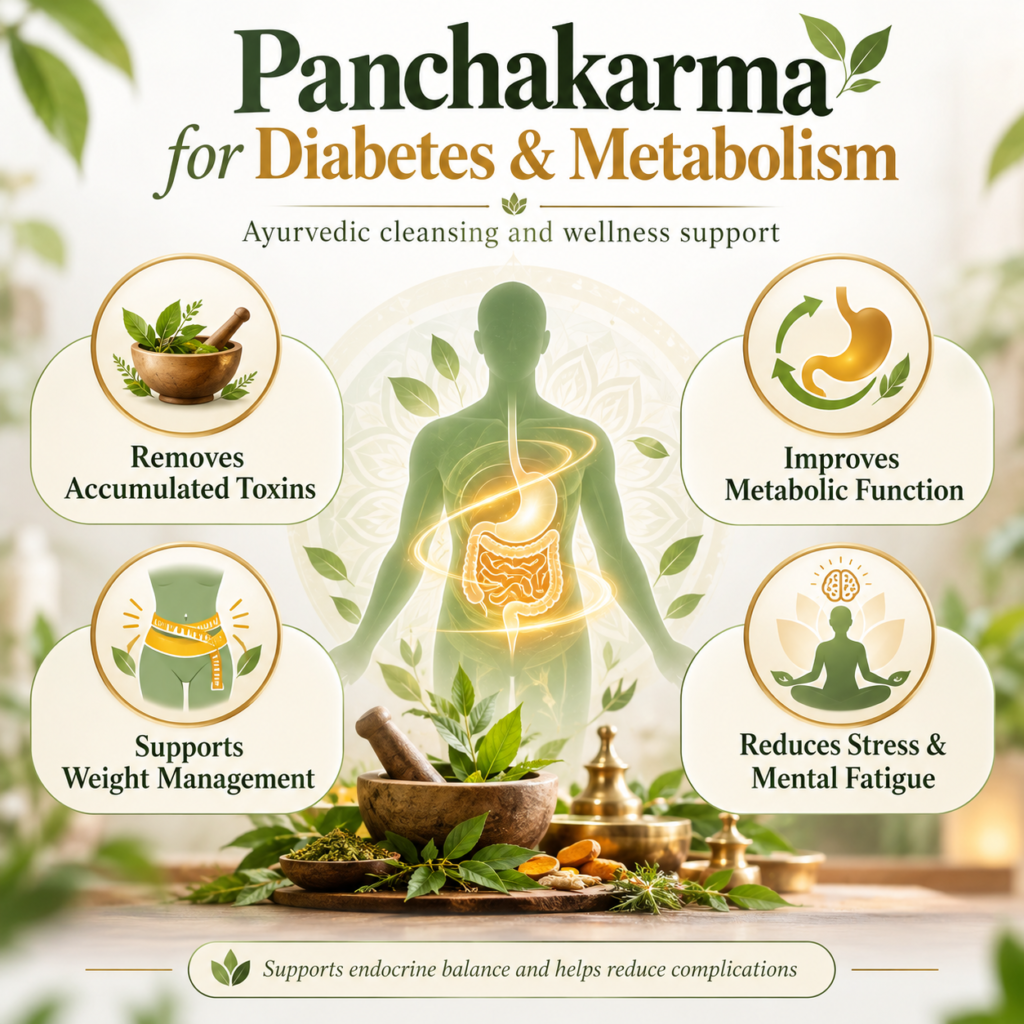
- Removes Accumulated Toxins: According to Ayurveda, toxins built up inside the body can hinder the proper functioning of metabolic processes. Through panchakarma techniques, these toxins can be cleared from the body, which improves the efficiency of all bodily functions.
- Improve Metabolic Function: People who have diabetes experience poor digestion and sluggish metabolism.
- Supports weight management: For type 2 diabetes, body weight is a major risk factor. Some of the Panchakarma therapies reduce Kapha and promote healthy weight management. Healthy weight management can increase the body’s insulin sensitivity.
- Reduce Stress and Mental Fatigue: Stress can increase blood sugar levels. Panchakarma therapies can help manage this. Abhyanga (oil massage) and Shirodhara calm the nervous system. They reduce stress. These therapies also improve emotional well-being.
Can Panchakarma be done with diabetes medication?
Panchakarma can sometimes be done along with diabetes medication. It should only be done under proper medical supervision. Panchakarma is a supportive Ayurvedic therapy, not a replacement for diabetes medicines.
Key considerations include:
- Professional Supervision: You need to consult an expert Ayurvedic healer who works in sync with your doctor and prescribes medicines for you. Your blood sugar levels have to be monitored throughout the process.
- Therapy Modification: Some treatments (e.g., Virechana or therapeutic purgation) may affect digestion and metabolism. Treatments are designed to achieve an equilibrium of doshas (metabolic types) without resulting in dangerous blood sugar drops.
- Diet and Internal Lubrication: The Snehana process often includes taking medicated ghee, which may affect your glucose levels. Your practitioner may need to change your herb consumption and diet accordingly.
- Avoid Self- Medicating: Never alter or stop your conventional diabetes medication (like insulin or metformin) without consulting the physician who prescribed it.
Which therapies support blood sugar balance?
At Vrindavan Ayurveda Chikitsalyam, Panchakarma for diabetes is not treated as a simple massage; it is a precise medical science used to reset your entire metabolism.
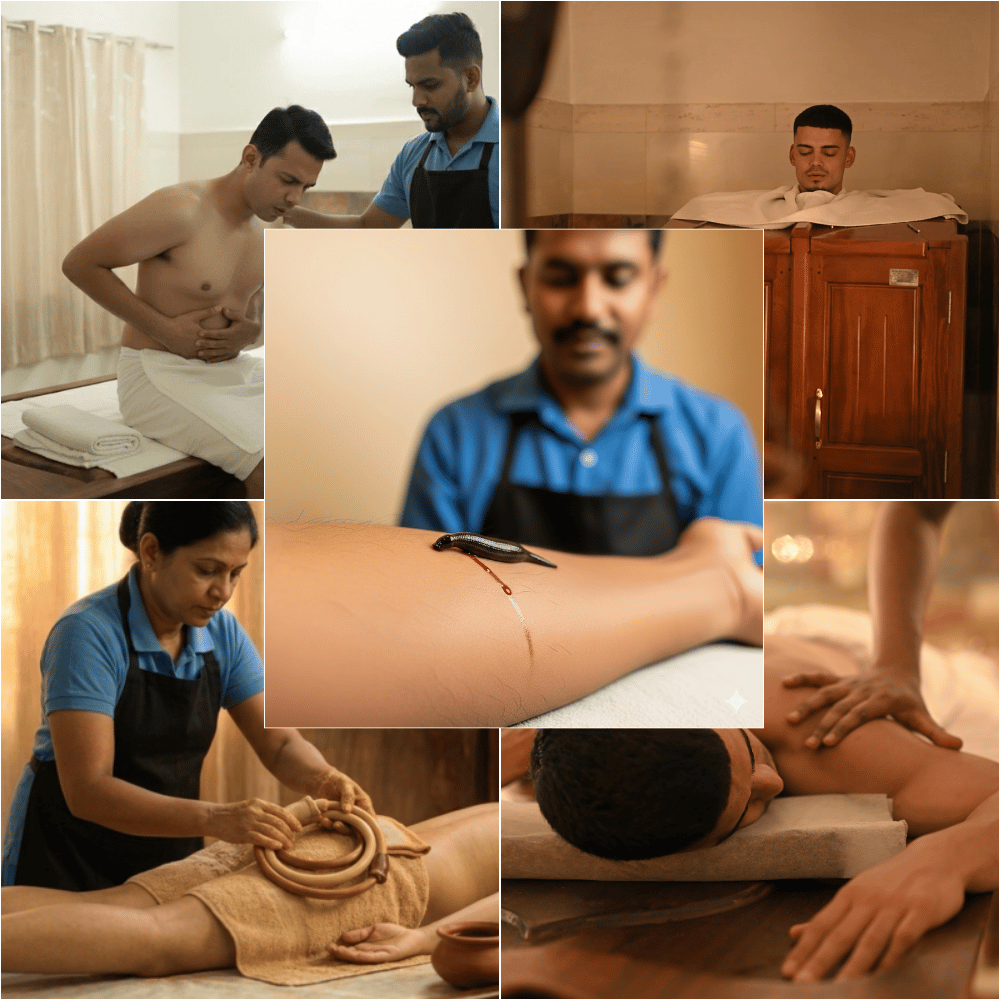
Here is how therapies work to clean your body from the inside:
- Virechana (Therapeutic purgation): Virechana is a cleansing therapy that focuses on removing excess toxins and balancing the body’s metabolic function. This treatment is usually advised in cases of toxin build-up and digestive imbalances. Through aiding detoxification, Virechana may be able to enhance metabolic efficiency.
- Basti (Medicated Enema Therapy): Basti is considered one of the most important Panchakarma treatments for balancing Vata Dosha and supporting systemic health. This therapy relaxes the gut-brain connection. It helps control metabolic hormones and stabilises blood sugar.
- Raktamokshana (Blood Purification): Some patients have a very high toxin load. In such cases, Ayurveda may use bloodletting to help. This method can be part of Panchakarma. Ayurveda specialists prescribe it for each patient individually. The procedure cleans the blood from certain zones. It helps improve circulation and health.
- Swedana (Herbal Steam Therapy): This therapy is performed after massage therapies. It helps to open the body’s channels, encourages sweating, and supports the removal of toxins.
- Abhyanga (Ayurvedic Oil Massage): This therapy includes a full-body massage with medicated herbal oils. Panchakarma can use controlled bloodletting as one treatment method. Ayurveda specialists can prescribe treatments for each patient individually. The procedure cleanses blood from certain areas and improves circulation and overall health.
Is Panchakarma suitable for long-term diabetics?
People who have been living with diabetes for many years, Panchakarma can be suitable for them. It should always be performed under the guidance of a qualified Ayurvedic doctor. Panchakarma is not considered a replacement for diabetes medications. It is used as a supportive therapy to improve overall health, metabolism, digestion, and quality of life.
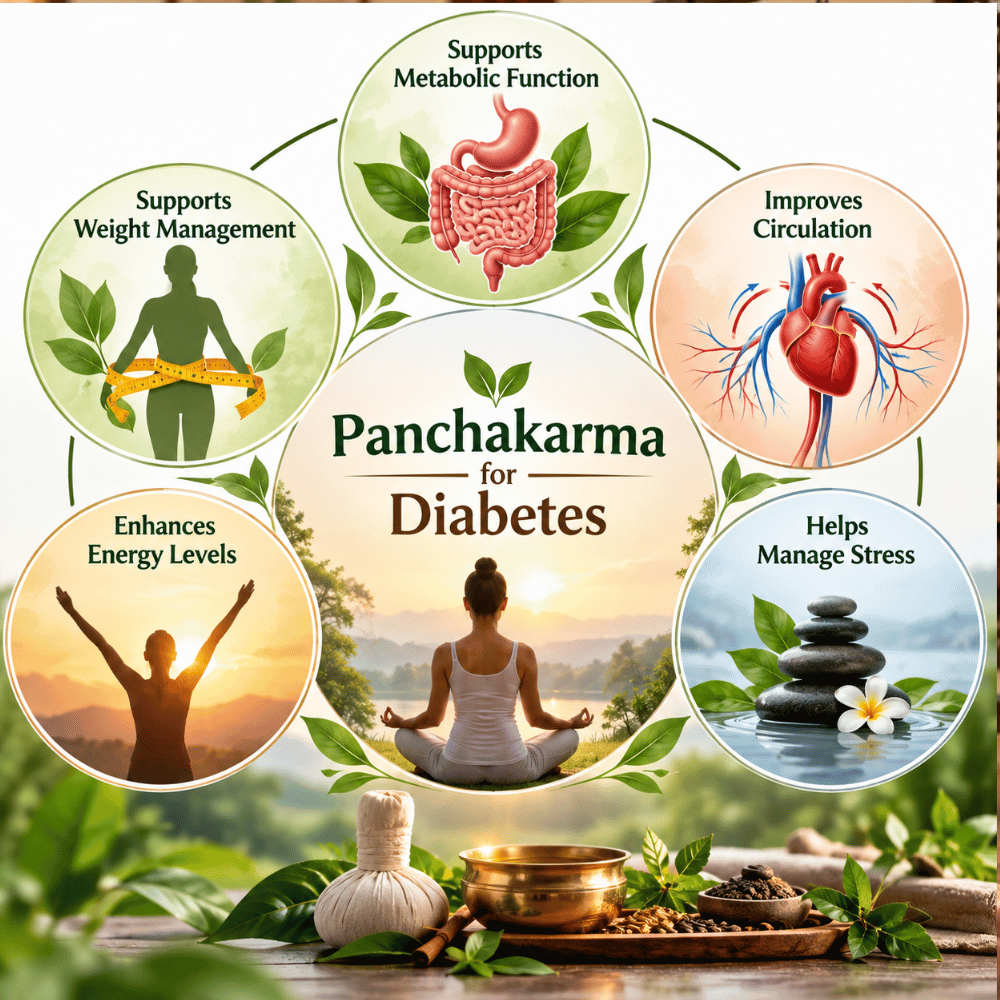
How Panchakarma May Benefit Long-Term Diabetics:
- Supports Metabolic Function: The Panchakarma therapies eliminate toxins (Ama) from the body and improve digestive fire (Agni). Better digestion and metabolism may help in processing the food effectively within the body.
- Improves Circulation: Some therapies, like Abhyanga (medicated oil massage) and Swedana (herbal steam therapy), can improve blood circulation and can be helpful for people experiencing diabetes or poor circulation.
- Helps Manage Stress: Stress can also affect blood sugar levels. Relaxation therapies can calm the nervous system and promote mental well-being, helping individuals better manage stress.
- Enhances Energy Levels: Many long- term diabetics experience chronic fatigue. By improving digestion, circulation, and overall balance, Panchakarma may help increase energy and reduce feelings of exhaustion.
- Supports Weight Management: Those diabetics who have problems with being overweight can benefit from Panchakarma treatments, depending on their condition, to maintain a healthy body weight along with a proper diet and change in lifestyle.
Important Considerations for Long-Term Diabetics
Not every Panchakarma procedure is suitable for every diabetic patient. The treatment plan should be customised based on:
- Duration of diabetes
- Blood sugar control levels
- Age and overall health
- Presence of complications such as neuropathy, kidney issues, or heart disease
- Current medications and insulin use
During treatment, blood sugar levels should be monitored regularly to ensure safety and effectiveness.
What dietary changes are recommended?
In Panchakarma treatment for diabetes, diet plays a very important role. In Ayurveda, food is considered one of the main things for balancing blood sugar levels. A proper diet helps in improving digestion, reducing toxins, and enhancing the benefits of Panchakarma therapies.
1. Eat Fresh and Easily Digestible Foods: The digestive system is a key focus during Panchakarma treatments. It is advisable to eat light foods, as they are easy to digest.
Examples include:
- Vegetable Soup
- Moong dal khichdi
- Steamed vegetables
- Lightly cooked whole grains
- Herbal teas
2. Choose Low- Glycemic Foods: Foods that release sugar slowly into the bloodstream can help maintain more stable blood sugar levels.
Some commonly recommended options are:
- Whole grains such as barley and millet
- Green leafy vegetables
- Bitter vegetables like bitter gourd (karela)
- Lentils and legumes
- Cucumbers and bottle gourd
3. Increase Fibre Intake: Fibre helps slow down the absorption of glucose and supports digestive health.
Good sources of fibre include:
- Vegetables
- Whole grains
- Legumes
- Flaxseeds
- Salads (if suitable for digestion)
4. Reduce Refined Sugar and Processed Foods: During Panchakarma, individuals are usually advised to avoid foods that can disturb digestion and increase blood sugar levels.
These may include:
- Sugary beverages
- Sweets and desserts
- White bread
- Packaged snacks
- Processed and fast foods
- Avoid Heavy and Oily Foods: Excessively fried, oily, and rich foods can slow digestion and contribute to toxin accumulation. Ayurveda generally recommends lighter meals during the detoxification process.
- Follow Regular Meal Timings: Irregular eating habits can affect digestion and blood sugar balance. Eating meals at consistent times each day may help improve metabolic function and support the body’s natural rhythms.
- Stay Hydrated: Proper hydration supports detoxification and overall health. Warm water and herbal drinks are often preferred during Panchakarma, as they may aid digestion and circulation.
- Eat Mindfully: Ayurveda emphasises mindful eating practices such as:
- Eating without distractions
- Chewing food thoroughly
- Avoiding overeating
- Eating only when genuinely hungry
Conclusion
At Vrindavan Ayurveda Chikitsalyam, we combine Ayurvedic principles with practical lifestyle changes. These changes apply to everyday life. The approach focuses on more than symptom management. It emphasises addressing the root causes of diabetes through personalised care. Panchakarma detox therapies are a key part of the treatment plan. The plan also includes dietary guidance, daily routine adjustments, and stress-management techniques.
If you want to experience true diabetes management, Vrindavan Ayurveda Chikitsalyam can help you. Personalised doctors will help you with therapies, diet plans and what suits you individually.
Frequently Asked Questions (FAQs)
1. Can Panchakarma help manage diabetes naturally?
Panchakarma may support diabetes management by improving digestion, promoting detoxification, supporting metabolic health, and encouraging healthy lifestyle habits. However, it should be considered a complementary therapy and not a replacement for medical treatment.
2. Is Panchakarma safe for people taking diabetes medications?
Yes, Panchakarma can often be performed alongside diabetes medications, but it should always be done under the supervision of qualified Ayurvedic and medical professionals. Blood sugar levels should be monitored regularly during treatment.
3. Which Panchakarma therapies are commonly used for diabetes?
Therapies such as Virechana (therapeutic purgation), Basti (medicated enema), Swedana (herbal steam therapy), and Abhyanga (Ayurvedic oil massage) are commonly recommended based on an individual’s health condition and Ayurvedic assessment.
4. Is Panchakarma suitable for long-term diabetics?
Yes, Panchakarma may be beneficial for individuals who have been living with diabetes for many years. Treatment plans should be personalised according to the patient’s age, health status, blood sugar control, and any existing complications.
5. What foods should be eaten during Panchakarma for diabetes?
A diet during Panchakarma typically includes light, fresh, and easily digestible foods such as vegetable soups, moong dal khichdi, steamed vegetables, whole grains, and herbal teas. The exact diet depends on individual needs.
6. Which foods should be avoided during Panchakarma treatment?
Processed foods, refined sugar, sugary beverages, fried foods, heavy meals, and packaged snacks are generally avoided because they may interfere with digestion and blood sugar balance.
7. How long does Panchakarma treatment for diabetes take?
The duration varies depending on the individual’s health condition and treatment plan. Some programs may last a few days, while more comprehensive Panchakarma treatments can extend for several weeks.