Introduction
Paralysis can change someone’s life within minutes. It affects movement, self-reliance, and daily activities throughout the day. People usually seek more options for helping themselves recover through rehabilitation. Panchakarma is an age-old process practised by Ayurveda that helps to revitalise and cleanse the body. In combination with treatment and rehabilitation, Panchakarma can assist those suffering from paralysis.
How Does Panchakarma Support Paralysis Recovery?
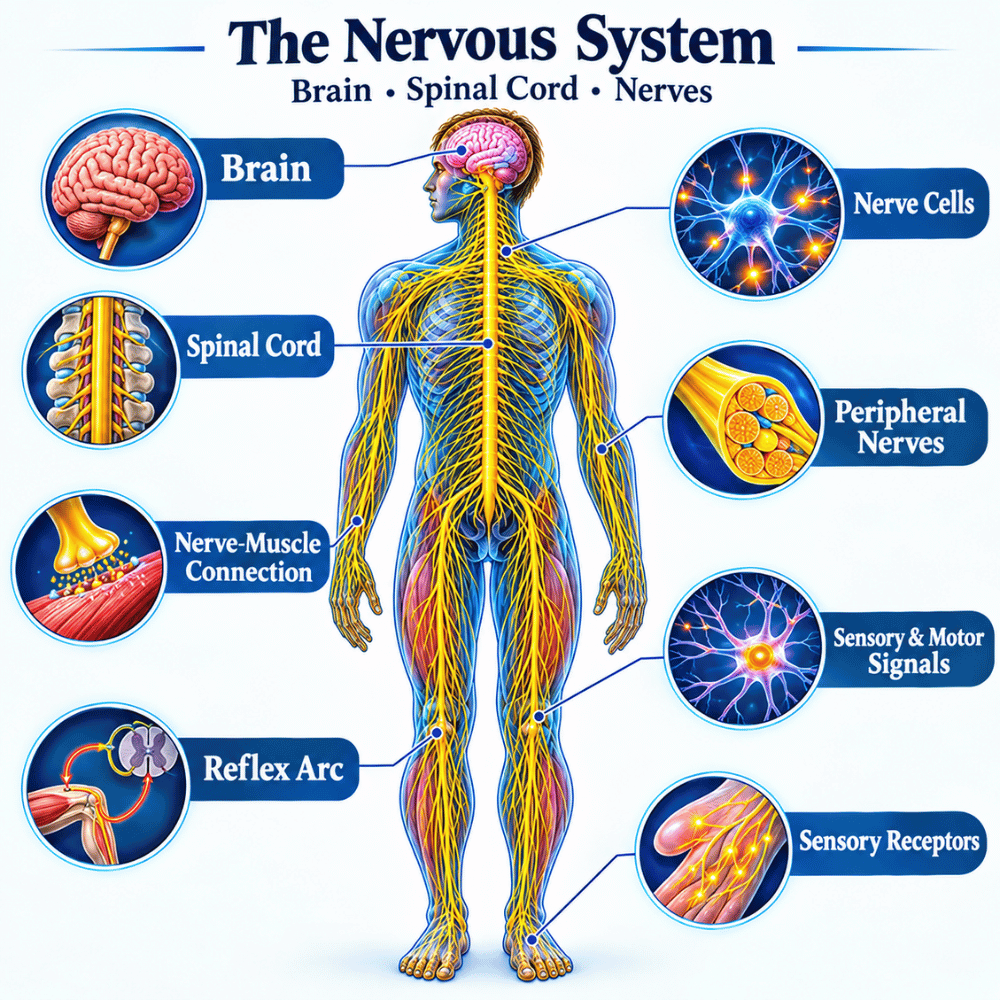
In Ayurveda, paralysis (Pakshaghata) is primarily caused by an aggravation of Vata Dosha. The energy that governs the nervous system, movement, and communication within the body. When Vata becomes imbalanced, it can affect the functions of nerves and muscles, leading to weakness, loss of movement, stiffness, or partial paralysis.
The therapy known as Panchakarma helps balance the Vata Dosha and facilitates the natural healing process in the body. Unlike other symptomatic treatments, Panchakarma focuses on enhancing the nervous and muscular systems.
- Improve Blood Circulation
Many Panchakarma therapies involve medicated oils and therapeutic massages that help stimulate blood flow. Better circulation ensures that oxygen and nutrients reach affected muscles and nerves more effectively, supporting the recovery process. - Nutrition of Nervous Tissue
The medicines administered through oil and herbs during Panchakarma therapy affect the nutrition of nerve tissue. It improves neurological functions and promotes coordination between the brain and muscles. - Decreases Muscle Tightness & Rigidity
Muscle spasm and rigidity are common features among patients with paralysis. Various treatments such as oil therapy (Abhyanga), herbal steam treatment (Swedana) provide relaxation to muscles and ease of movement. - A comprehensive Rehabilitation Approach
For the best results, Panchakarma is often combined with:
- Ayurvedic medications
- Physiotherapy and rehabilitation exercises
- Personalised dietary recommendations
- Lifestyle modifications
- Regular medical supervision
This holistic method ensures that the physical and psychological components of recovery from paralysis are addressed, resulting in sustained improvement.
How Panchakarma Helps After a Stroke
Panchakarma can be highly beneficial after a stroke. Panchakarma could be very effective as a complementary treatment after a stroke. The primary focus is on rehabilitation and regaining functions that have been lost, such as movement, sensation, and cognition. According to Ayurvedic medicine, stroke is known as Pakshaghata and is believed to be caused by the imbalance of Vata dosha, which is the energy that regulates movement and the nervous system.
Key Ways Panchakarma Helps in Post–Stroke Care
The Ayurvedic approach to post-stroke therapy includes the three principles of detoxification (Ama Nirharana), restoring balance in Vata, and deep tissue nourishment (Brimhana). The individualised approach to treating stroke is done through a selection of methods:
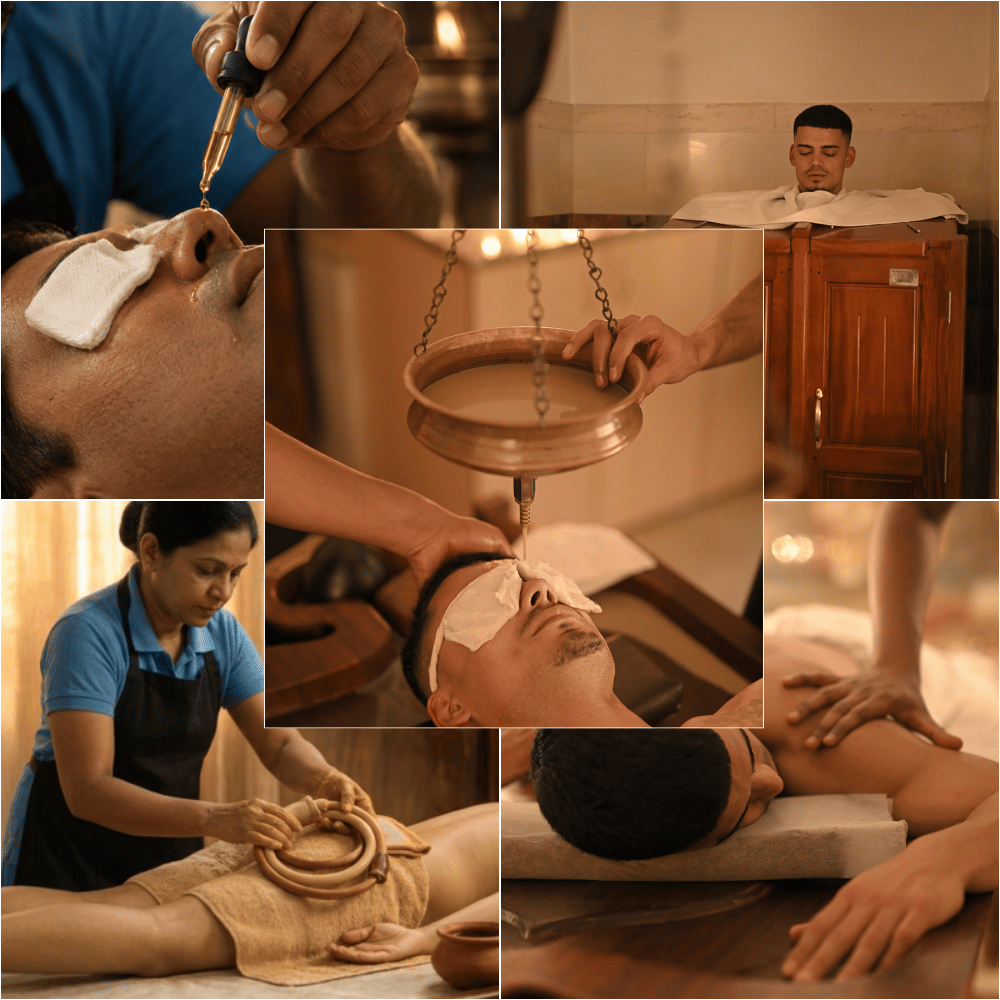
1. Basti (Medicated Enemas): Given through the use of medicated oils or decoctions made from medicinal herbs. It is the most potent form of treatment to control Vata dosha disturbances and nourish the nervous system.
2. Abhyanga: Synchronised body massage therapy by using medicated oils such as Ksheerabala or Mahanarayan oil. Such therapy is employed to enhance blood circulation and decrease muscle rigidity and inflexibility.
3. Swedana (Poultice/Sudation): More specifically, Patrapinda Sweda (herbal leaf poultice) or Shashtika Shali Pinda Sweda (rice bolus immersed in medicated milk). Such treatment methods involve the use of localised heat for toning down weak muscles and reducing chronic spasticity.
4. Nasya (Administration by Nasal Route): Involves instilling medicinal herbal oils in the nostrils. It is usually done to activate centres within the cranium, with a view towards improving facial palsy, cognitive acuity, and speech problems (Vak Stambha).
5. Shirodhara (Oiling Therapy): Entails pouring medicated oil on the head or the scalp in a continuous stream. Such therapy is done to soothe the central nervous system and relieve post-stroke depression.
Which therapies are used in paralysis treatment?
Paralysis treatment in Ayurveda is centred around managing the imbalance of Vata Dosha, improving nervous function, and rebuilding muscle strength. The treatment is customised for each individual according to their needs and involves a mixture of Panchakarma, external procedures, and support therapies. Here are some therapies:
1. Abhyanga (Medicated Oil Massage): Abhyanga is a full-body massage using warm medicated herbal oils. It helps improve blood circulation, relax stiff muscles, and nourish nerves and tissues.
2. Swedana (Herbal Steam Therapy): Swedana is a highly nourishing therapy in which the patient is massaged with warm boluses of medicated rice cooked in milk and herbs like Bala. This therapy is performed after an oil massage. It prepares the body for deeper healing.
3. Basti (Medicated Enema Therapy): Basti is one of the most important treatments for Vata disorders like paralysis. It includes Niruha Basti (using decoctions like Dashmul kwath or Erandamooladi) and Anuvasana/Matra Basti (using oils like sesame or Bala Taila). It helps balance Vata Dosha, supports nervous system health, and nourishes deep tissues.
4. Pizhichil (Oil Bath Therapy): In Pizhichil, warm medicated oil is continuously poured over the body while gentle massage is performed. This therapy is highly beneficial for muscle relaxation, improving circulation, and supporting neurological recovery.
5. Shirodhara: This therapy focuses on the head. Shirodhara involves the continuous pouring of oil over the forehead. It calms the nervous system, reduces mental stress, and supports neurological balance, which is important in long -term rehabilitation.
Why Choose VVAC for Panchakarma Therapy for Paralysis Rehabilitation?
At Vrindavan Ayurveda Chikitsalayam (VVAC), the focus is not only on managing symptoms but also on supporting long-term recovery through authentic Ayurvedic therapies. Each patient receives an individualised treatment plan designed with expert guidance to address their unique condition and recovery goals.
- Experienced Ayurvedic Doctors: At VVAC, experienced Ayurvedic physicians evaluate factors such as the cause of paralysis. Their expertise helps ensure the therapies are selected and adjusted according to the patient’s progress.
- Authentic Panchakarma Therapies: VVAC offers traditional Ayurvedic therapies that are commonly used in paralysis rehabilitation, including Abhyanga, Swedana, Basti, and Pizhichil. These therapies are administered under professional supervision to ensure safety and effectiveness.
- Healing Environment in the Himalayas: The environment in which treatment takes place can influence the healing experience. Vrindavan Ayurvedic Chikitsalyam provides a calm and peaceful environment that allows patients to focus on recovery away from stressful life. The natural surroundings support relaxation, mental wellness, and overall rejuvenation.
- Integrated Approach to Recovery: Recovery from paralysis often involves more than therapeutic procedures alone. VVAC combines Panchakarma therapies with:
- Personalised dietary recommendations
- Lifestyle modifications
- Rehabilitation guidance
- Ayurvedic medicines
This holistic approach helps support the patient’s overall physical and emotional well-being throughout the recovery journey.
How Soon Can Panchakarma Be Started After Paralysis?
Panchakarma treatment post-paralysis largely depends on the underlying condition. The reason behind the problem, the general well-being of the patient, and the level of recovery attained by him. If the cause behind paralysis is a stroke, injury, or nervous system-related problem. The priority should be given to stabilising the patient with proper medical treatment. Post recovery, Panchakarma therapy can be taken up as a secondary treatment option.
Panchakarma therapy may be started between 3 and 6 months post-paralysis. Assuming that the patient is fit from a medical perspective and has been certified by a neurologist. The initial 2 days to 3 months involve acute care and nerve-nourishing treatments.
Recommended Timeline and Stages
- Acute Phase (First 48 Hours): Emergency medical care and imaging; absolutely no Panchakarma.
- Early Recovery (up to 3 months): Focus on stabilising vital signs, gentle massages, and nerve-nourishing herbs. Avoid intense detoxification.
- Active Rehabilitation (3-12 months): Panchakarma procedures, such as medicated enemas and therapeutic seating (Swedana), can be safely introduced under supervision to help restore motor and sensory functions.
Since Panchakarma is a therapy that comprises intensive cleansing techniques, it can be physically strenuous. Patients who are not medically stable, or those suffering from high levels of hypertension and heart disorders, should steer clear of undergoing Panchakarma. Consult your treating neurologist first.
What results can be expected from Panchakarma therapy?
If used as a systematic, proactive rehabilitation process, Panchakarma can bring substantial, even quantifiable, benefits in treating paralysis. Nonetheless, the success of any treatment modality depends on many factors, such as the nature and severity of the injury to the nervous system, the duration of the paralysis, the general condition of the body, and involvement in the treatment.
Based on the guidelines for clinical practice and existing medical case studies, individuals suffering from paralysis after taking part in the Panchakarma may hope for positive changes in:
- Functional Mobility and Muscle Strength: Panchakarma treatments aim to activate the dormant neuromuscular pathways to enhance muscle strength and adaptability. There would be an improvement in coordination, endurance, and muscle strength.
- Reduction of Spasticity and Stiffness: Paralysed limbs often suffer from severe stiffness. They also become cold. Targeted therapies help muscles relearn voluntary control. These therapies promote relaxation. They improve joint flexibility. They also reduce spasticity. Previously spastic limbs can return to a normal tone.
- Restoration of Daily Living Activities (ADLs): The way movement is organised within the body (Neuroplasticity) as a result of constant sensory stimulation, patients become independent again. Patients’ performance recorded during treatment has proved that patients have changed from a state of dependence to completing various activities, such as:
- Grasping, holding, and throwing objects.
- Feeding themselves and drinking from a glass.
- Trying a knot and putting on clothing
- Standing with balance, squatting, and climbing stairs without support
- Bathing and performing toilet activities independently.
4. Sense and Psychological Restoration: Therapies also work wonders in helping patients deal with their sensory deprivation and psychological distress. Many patients have expressed satisfaction after experiencing alleviation of neural pain and odd sensations of tingling in different parts of the body. In addition, procedures such as Shiro Pichu and Shirodhara help restore proper circulation in the brain, reduce nervous strain, and help treat post-stroke depression
A Realistic View on Timely Recovery. Even though treatments are always recommended to ensure a complete recovery process. The ethical guidelines clearly state that Panchakarma treatment is not a magic solution. There are no guaranteed deadlines for recovering from paralysis.
Conclusion
Panchakarma provides a comprehensive and encouraging method of treating paralysis by eliminating the underlying factors responsible for Vata derangement and enabling recovery of the nervous and muscular system. The use of procedures such as Basti, Abhyanga, Swedana, Nasya, and Shirodhara. This helps improve circulation, reduce muscle stiffness, nourish nerve cells, and enhance general well-being.
However, Panchakarma should be viewed as a complementary rehabilitation therapy rather than a replacement for emergency medical care. The effectiveness of treatment depends on several factors, including the cause of paralysis, the severity of nerve damage, the patient’s overall health, and adherence to rehabilitation programmes. Under the guidance of qualified Ayurvedic physicians and neurologists, Panchakarma can significantly improve mobility, independence, and quality of life for many paralysis patients.
Frequently Asked Questions (FAQs)
- Can Panchakarma cure paralysis completely?
Panchakarma does not guarantee a complete cure for paralysis. However, it may help improve mobility, muscle strength, nerve function, and overall quality of life when used as part of a comprehensive rehabilitation programme.
2. Is Panchakarma safe for stroke patients?
Yes, Panchakarma can be beneficial for stroke rehabilitation when started at the appropriate stage of recovery and under the supervision of qualified Ayurvedic doctors and neurologists.
3. When can Panchakarma be started after paralysis?
In most cases, Panchakarma is considered during the rehabilitation phase, typically 3 to 6 months after paralysis, once the patient is medically stable and cleared by their healthcare provider.
4. Which Panchakarma therapies are commonly used for paralysis?
Common therapies include Basti, Abhyanga (oil massage), Swedana (herbal steam therapy), Nasy, and Shirodhar.
5. Can Panchakarma be combined with physiotherapy?
Yes. Panchakarma is often combined with physiotherapy, rehabilitation exercises, Ayurvedic medicines, and dietary modifications to support better recovery outcomes.
6. How long does Panchakarma treatment for paralysis take?
The duration varies depending on the patient’s condition, severity of paralysis, and treatment goals. Programmes may range from a few weeks to several months as part of long-term rehabilitation.