Introduction
If you’re having trouble climbing stairs, or feeling stiff around your knees every morning, or even a short walk leaves your joints aching, osteoarthritis could be the reason. It’s one of the most common joint conditions, affecting millions of people and making everyday activities increasingly difficult as the condition progresses.
While conventional treatments can help manage pain and improve mobility, many people are now turning to Ayurveda in search of a more natural and holistic approach. But can Ayurveda really cure osteoarthritis, or is its role to help manage symptoms and improve quality of life?
In this article, we’ll explore how Ayurveda understands osteoarthritis, the role of Panchakarma therapies and Ayurvedic herbs, what modern medicine says about the condition, and what you can realistically expect from Ayurvedic treatment.
What is Osteoarthritis?
Osteoarthritis (OA) is the most common form of arthritis. This condition affects joints. As this cartilage deteriorates, the bones begin to rub against each other, leading to pain, stiffness, and reduced joint movement. Osteoarthritis is primarily a degenerative joint disease associated with aging, repeated wear and tear, previous joint injuries, obesity, or excessive stress on the joints. This disease most commonly develops in the knees, hips, hands, spine, and shoulders.
Common symptoms of Osteoarthritis
People with osteoarthritis may experience:
- Persistent or intermittent joint pain
- Stiffness, especially after waking up or periods of inactivity
- Swelling or tenderness around the affected joint
- Reduced flexibility and range of motion
- A grinding, clicking, or cracking sensation during movement
- Difficulty performing routine daily activities.
Can Osteoarthritis be Cured?
One of the most common questions people ask after being diagnosed with osteoarthritis is whether it can be cured. The answer depends on how “cure” is defined and the stage of the disease.
In modern medicine, osteoarthritis is viewed as a progressive and incurable disease. After significant destruction of protective cartilage inside the joint, the body cannot restore it any longer. Therefore, the idea of a total cure and return to normal condition is not possible at present.
For this reason, the traditional treatment plan aims at managing the symptoms and slowing down the progress of the disease. Based on the severity of the case, the doctor may suggest one of the following options:
- Non-steroidal anti-inflammatory drugs for pain relief
- Physiotherapy and exercise
- Weight loss to relieve stress on the joints
- Various devices, such as a knee brace or walking aid
- Corticosteroids or hyaluronic acid injections in specific cases
- Joint replacement surgery in cases of severe osteoarthritis
How Does Ayurveda Understand Osteoarthritis?
Ayurveda views osteoarthritis from a different perspective than modern medicine. Ayurveda focuses on the imbalance of the body’s natural energies (Doshas) and the health of the tissues that support the joint.
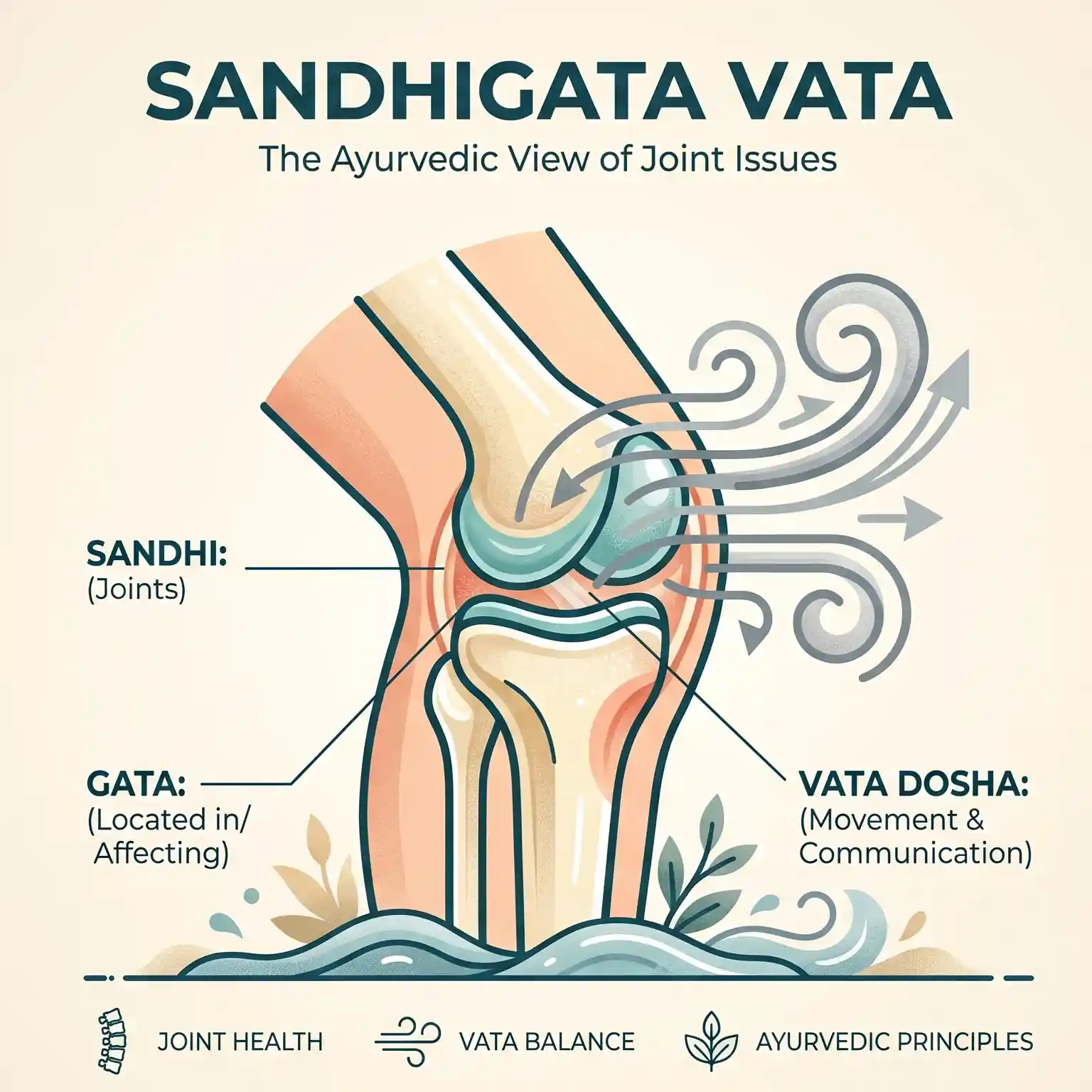
According to Ayurveda, osteoarthritis is most commonly correlated with Sandhigata Vata, a condition in which the Vata Dosha becomes aggravated and settles in the joint (Sandhi). This imbalance gradually affects the lubrication, flexibility, and stability of the joints.
Understanding Sandhigata Vata
In Ayurvedic texts, Sandhigata Vata refers to a disorder where aggravated Vata affects the joints and surrounding tissues. The term is derived from:
- Sandhi – Joints
- Gata – Located in or affecting
- Vata – One of the three Doshas responsible for movement and communication within the body
How Does Ayurvedic Treatment Help Manage Osteoarthritis
Ayurvedic treatment for osteoarthritis is designed to manage the condition through a personalised and holistic approach. Rather than focusing only on relieving pain, Ayurveda aims to address the underlying Vata imbalance, improve joint function, support healthy tissues, and enhance overall well-being.
Treatment plans are individualised after assessing a person’s Prakriti (body constitution), the severity of symptoms, age, lifestyle, and overall health. Depending on these factors, an Ayurvedic physician may recommend a combination of Panchakarma therapies, herbal medicines, dietary changes, therapeutic exercises, and lifestyle modifications.
While Ayurveda does not claim to reverse severe joint damage or regenerate lost cartilage, it may help improve symptoms and support better joint function when followed consistently under medical supervision.
- Reducing Joint Pain
One of the primary goals of Ayurvedic treatment is to reduce pain and discomfort associated with osteoarthritis. Panchakarma therapies, medicated oils, and carefully selected herbal formulations are traditionally used to help calm aggravated Vata and support the body’s natural healing processes. - Improving Joint Lubrication
According to Ayurveda, aggravated Vata increases dryness in the joints, leading to stiffness and restricted movement. Therapies such as Abhyanga (therapeutic oil massage) and Janu Basti use warm medicated oils to nourish the affected area, improve circulation, and help maintain joint flexibility. - Supporting Overall Health Through Diet and Lifestyle
Ayurveda emphasises that long-term joint health depends not only on therapies but also on daily habits. Physicians often recommend a diet that helps balance Vata, along with regular sleep, stress management, weight control, and moderate physical activity.
Lifestyle modifications may include:
- Eating warm, freshly prepared meals
- Including anti-inflammatory spices such as turmeric and ginger
- Maintaining a healthy body weight to reduce stress on weight-bearing joints
- Practising gentle yoga or stretching exercises
- Avoiding prolonged inactivity while also preventing excessive strain on the joints
Panchakarma Therapies Commonly Recommended for Osteoarthritis
The primary goal of Panchakarma in osteoarthritis is to help balance aggravated Vata Dosha, reduce pain and stiffness, improve joint mobility, nourish the affected tissues, and support overall musculoskeletal health.
Below are some of the Panchakarma therapies commonly recommended for osteoarthritis.
Janu Bati
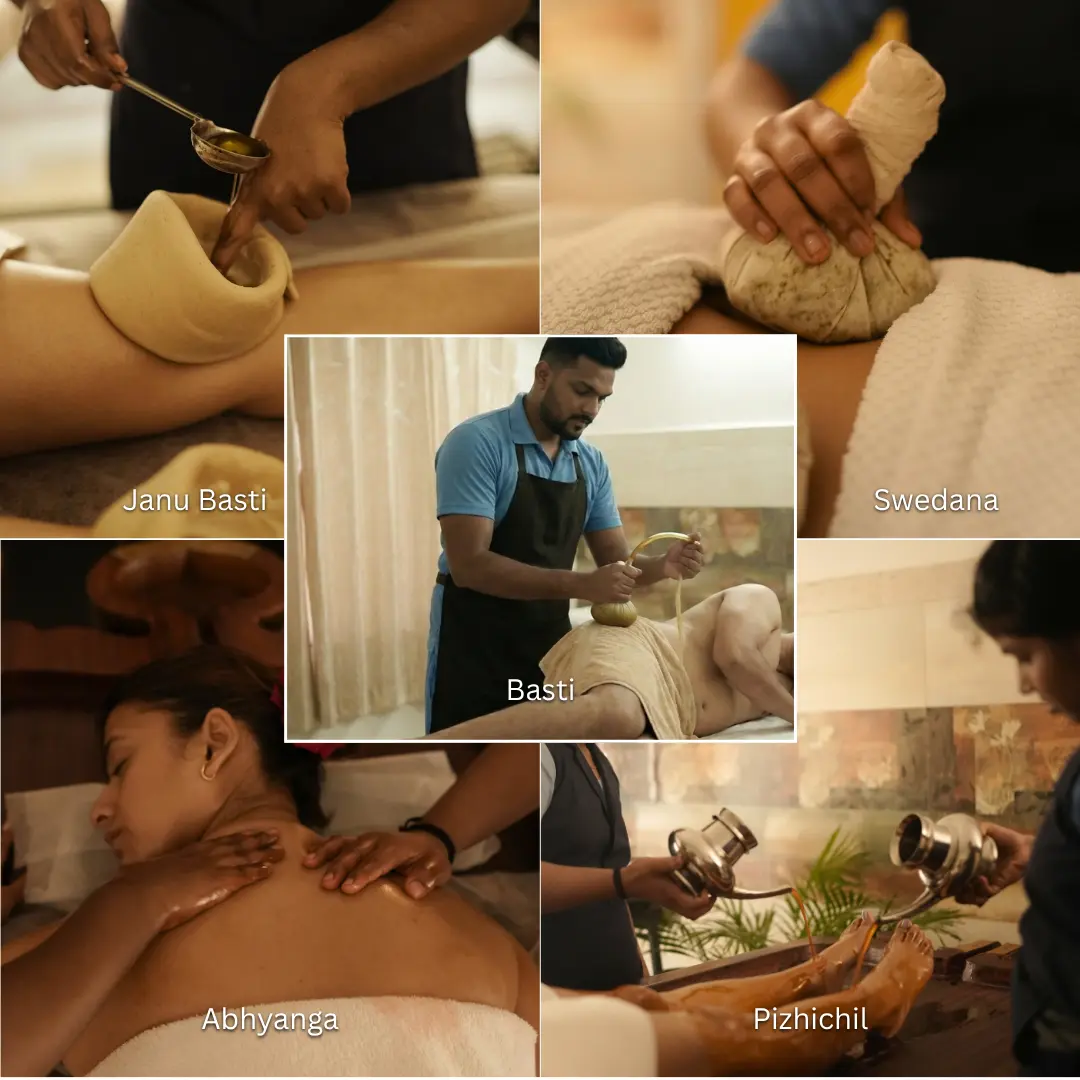
Janu Basti is one of the most widely used Ayurvedic therapies for knee osteoarthritis. In this procedure, a ring made of herbal dough is placed around the knee, and warm medicated oil is gently retained within it for a specific period.
The warmth of the oil helps relax the surrounding muscles and soft tissues while providing deep nourishment to the joint area. Many people experience reduced stiffness, improved flexibility, and greater comfort during movement after a series of sessions.
Abhyanga
Abhyanga is a full-body therapeutic massage performed using warm medicated herbal oils selected according to the individual’s condition. Gentle rhythmic strokes help improve blood circulation, relax tense muscles, and calm aggravated Vata Dosha.
For people with osteoarthritis, Abhyanga may help reduce muscle tightness around the affected joints. It is often performed before other Panchakarma therapies to prepare the body for treatment.
Swedana
Swedana is a therapeutic sweating or herbal steam therapy that is commonly administered after Abhyanga. The application of controlled heat helps relax muscles, improve circulation, and reduce stiffness in the joints.
By promoting gentle sweating, Swedana helps loosen tight tissues and may make joint movements more comfortable. It is frequently recommended for individuals experiencing morning stiffness or restricted mobility due to osteoarthritis.
Basti Therapy
Basti is considered one of the principal therapies for balancing Vata Dosha, which Ayurveda associates with many degenerative joint disorders, including osteoarthritis. Depending on the patient’s needs, medicated oils or herbal decoctions are administered under the supervision of a qualified Ayurvedic physician.
In classical Ayurveda, Basti is regarded as an important therapy for supporting musculoskeletal health, improving flexibility, and helping manage chronic Vata-related conditions. Because it is a specialised procedure, it should only be performed under professional medical supervision.
Pizhichil
Pizhichil is a rejuvenating therapy in which warm medicated oil is continuously poured over the body while gentle massage techniques are performed simultaneously.
This therapy is traditionally used to nourish muscles and joints, improve circulation, reduce stiffness, and promote relaxation. For individuals with chronic osteoarthritis, Pizhichil may help enhance mobility and reduce discomfort when included as part of a personalised treatment program.
Ayurvedic Herbs Used in Osteoarthritis Management
Herbal medicine is an important part of Ayurvedic care for osteoarthritis. Rather than prescribing the same remedy to everyone, Ayurvedic physicians select herbs and classical formulations based on an individual’s body constitution (Prakriti), symptoms, stage of osteoarthritis, digestive health, and overall medical condition.
Many Ayurvedic herbs have traditionally been used to support joint health, improve mobility, and help manage inflammation. Some have also been studied in modern research for their potential anti-inflammatory and joint-supporting properties. However, these herbs should be taken only under the guidance of a qualified Ayurvedic physician, as the appropriate formulation and dosage vary from person to person.
Shallaki (Boswellia serrata)
Shallaki is one of the most widely used Ayurvedic herbs for joint disorders. It is valued for its natural anti-inflammatory properties and is commonly recommended to help manage joint pain and stiffness.
Research suggests that Boswellia extracts may help improve joint comfort and physical function in people with osteoarthritis. In Ayurveda, Shallaki is often included in formulations aimed at supporting healthy joints and maintaining mobility.
Guggulu (Commiphora mukul)
Guggulu is another well-known herb traditionally used for musculoskeletal disorders. Ayurvedic practitioners often prescribe classical formulations containing Guggulu to help manage Vata-related joint conditions.
It is believed to support joint health by helping reduce inflammation, improving mobility, and promoting the healthy functioning of bones and connective tissues. Different types of Guggulu formulations may be selected depending on the individual’s symptoms.
Ashwagandha (Withania somnifera)
Ashwagandha is widely known as a rejuvenating herb (Rasayana) in Ayurveda. It is traditionally used to improve strength, support muscle health, and promote overall vitality.
For people with osteoarthritis, Ashwagandha may help support the muscles surrounding the joints while also contributing to stress management and general well-being, which are important aspects of long-term recovery.
Rasna (Pluchea lanceolata)
Rasna has been used in Ayurveda for centuries to support joint and muscle health. It is commonly included in herbal formulations for conditions associated with pain, stiffness, and restricted movement.
Traditionally, Rasna is valued for helping improve flexibility and supporting comfortable joint movement.
Guduchi (Tinospora cordifolia)
Guduchi is regarded as an important immune-supporting and rejuvenating herb in Ayurveda. It is traditionally used to promote overall health while helping the body maintain a balanced inflammatory response.
Although Guduchi is not specific to osteoarthritis, it is often included in personalized treatment plans to support overall wellness and tissue health.
Nirgundi (Vitex negundo)
Nirgundi is traditionally used in Ayurveda to help relieve joint discomfort and muscle stiffness. It may be prescribed in both internal herbal formulations and external medicated oils used during Panchakarma therapies.
Its soothing properties make it a valuable herb in the management of chronic joint conditions.
Turmeric (Haridra)
Turmeric, known as Haridra in Ayurveda, is one of the most recognized medicinal herbs worldwide. Its active compound, curcumin, has been extensively studied for its anti-inflammatory and antioxidant properties.
In Ayurvedic practice, turmeric is commonly used to support joint comfort, maintain healthy inflammatory balance, and promote overall well-being. It is often combined with other herbs to enhance its effectiveness as part of a personalized treatment plan.
Diet and Lifestyle Recommendations in Ayurveda for Osteoarthritis
According to Ayurveda, managing osteoarthritis involves more than just therapies and herbal medicines. Daily diet and lifestyle habits play a significant role in maintaining joint health and balancing Vata Dosha, which is considered the primary factor behind Sandhigata Vata (osteoarthritis).
A well-planned diet, regular physical activity, proper sleep, and healthy routines can complement Ayurvedic treatment and help improve long-term joint function. While these changes cannot reverse cartilage damage, they may help reduce stiffness, support mobility, and improve overall quality of life.
Foods That Support Joint Health
Ayurveda recommends foods that are warm, freshly prepared, nourishing, and easy to digest. Such foods are believed to help balance Vata and provide nourishment to the body’s tissues.
Some commonly recommended foods include:
- Warm vegetable soups and broths
- Whole grains such as rice and oats
- Mung dal and other easily digestible legumes
- Cooked seasonal vegetables
- Moderate amounts of ghee, as advised by an Ayurvedic physician
- Healthy fats from nuts and seeds
- Anti-inflammatory spices like turmeric, ginger, cumin, and coriander
- Plenty of warm water and herbal teas to stay hydrated
A balanced diet also supports healthy body weight, reducing unnecessary stress on weight-bearing joints such as the knees and hips.
Foods to Limit or Avoid
Certain dietary habits are believed to aggravate Vata or contribute to poor digestion, which Ayurveda considers important for overall tissue health.
It is generally advisable to limit:
- Highly processed and packaged foods
- Deep-fried and excessively oily meals
- Cold drinks and iced beverages
- Excessive intake of refined sugar
- Fast food and highly processed snacks
- Irregular meal timings or skipping meals
Following regular meal schedules and choosing freshly cooked foods may help support digestion and overall well-being.
Daily Habits to Help Balance Vata
Ayurveda places great importance on maintaining a consistent daily routine (Dinacharya) to support long-term health.
Helpful habits include:
- Eating meals at regular times each day
- Getting adequate sleep every night
- Managing stress through meditation or breathing exercises
- Avoiding prolonged sitting or complete physical inactivity
- Protecting the joints from excessive strain and repetitive movements
- Maintaining a healthy body weight through balanced nutrition and regular activity
Simple lifestyle changes, when practised consistently, can contribute to better joint comfort and improved mobility over time.
Yoga and Gentle Physical Activity
Regular movement is essential for maintaining flexibility and muscle strength. Ayurveda often recommends gentle yoga, stretching exercises, and low-impact physical activities to help keep the joints active without placing excessive stress on them.
Suitable activities may include:
- Gentle yoga under professional guidance
- Walking on even surfaces
- Stretching exercises
- Range-of-motion exercises
- Swimming or water-based exercises, where appropriate
Exercise should always be tailored to the individual’s condition. Overexertion or high-impact activities may worsen joint discomfort, particularly in advanced osteoarthritis.
How VVAC Supports Osteoarthritis Management in North India
Choosing the right healthcare provider is an important part of managing a chronic condition like osteoarthritis. Since Ayurvedic treatment is highly individualised, consulting experienced physicians at a well-established centre can help ensure that therapies are selected according to the patient’s condition, stage of osteoarthritis, and overall health.
Vrindavan Ayurveda Chikitsalayam (VVAC) is one such centre in North India that offers physician-supervised osteoarthritis management programs rooted in classical Ayurveda. Every treatment plan begins with a detailed consultation, allowing Ayurvedic physicians to evaluate the patient’s symptoms, body constitution (Prakriti), medical history, and lifestyle before designing a personalised care plan.
What distinguishes VVAC is its commitment to combining classical Ayurvedic principles with structured clinical care. The centre is NABH-accredited, reflecting adherence to recognised healthcare quality and patient safety standards. It also follows the respected Ashtavaidyan tradition, preserving authentic Ayurvedic knowledge while delivering treatment under the supervision of qualified physicians.
Conclusion
Osteoarthritis is a long-term condition that can affect mobility, independence, and overall quality of life. Although modern medicine does not currently offer a permanent cure for damaged joint cartilage, several treatment options are available to help manage symptoms and maintain joint function.
Ayurveda offers a complementary and holistic approach by focusing on balancing Vata Dosha, supporting healthy joints, and improving overall physical well-being. Through a combination of physician-guided Panchakarma therapies, carefully selected herbal medicines, a balanced diet, regular physical activity, and healthy lifestyle practices, many individuals may experience reduced pain, improved flexibility, and better day-to-day functioning.
At VVAC (Vrindavan Ayurveda Chikitsalayam), personalised osteoarthritis management programs are designed by qualified Ayurvedic physicians and include Panchakarma therapies, herbal formulations, dietary guidance, and lifestyle recommendations tailored to each individual.
Frequently Asked Questions (FAQs)
1. Can Ayurveda permanently cure osteoarthritis?
No. Ayurveda does not claim to permanently cure osteoarthritis. However, it may help manage pain and stiffness, improve joint mobility, and enhance quality of life through personalised treatment.
2. What is the Ayurvedic name for osteoarthritis?
In Ayurveda, osteoarthritis is commonly associated with Sandhigata Vata, a condition caused by the aggravation of Vata Dosha affecting the joints.
3. Which Panchakarma therapy is commonly recommended for osteoarthritis?
The choice of therapy depends on the individual’s condition. Commonly recommended therapies include Janu Basti, Abhyanga, Swedana, Basti, and Pizhichil, along with other supportive treatments prescribed by an Ayurvedic physician.
4. Which Ayurvedic herbs are commonly used for osteoarthritis?
Herbs such as Shallaki (Boswellia serrata), Guggulu, Ashwagandha, Rasna, Guduchi, Nirgundi, and Turmeric (Haridra) are traditionally used to support joint health. These should only be taken under the guidance of a qualified Ayurvedic physician.
5. How long does Ayurvedic treatment for osteoarthritis take?
The duration varies depending on the severity of osteoarthritis, age, overall health, and individual response to treatment. Some people notice improvements within a few weeks, while others may require longer-term care for sustained benefits.
6. Can Ayurveda help delay knee replacement surgery?
For individuals with early or moderate osteoarthritis, Ayurvedic treatment may help manage symptoms and improve joint function, which could delay the need for surgery in some cases. However, advanced osteoarthritis with significant joint damage may still require evaluation by an orthopaedic specialist.
7. Is Panchakarma safe for elderly patients?
When performed under the supervision of qualified Ayurvedic physicians, Panchakarma therapies are generally tailored to the individual’s age, health condition, and physical strength. The treatment plan is customised to ensure safety and suitability.
8. Can Ayurvedic treatment be combined with modern medicine?
In many cases, Ayurveda can complement conventional medical care. However, individuals taking medications for osteoarthritis or other health conditions should always inform both their orthopaedic doctor and Ayurvedic physician before starting treatment.
9. Does diet really make a difference in osteoarthritis?
Yes. Maintaining a healthy body weight, eating a balanced diet, and following healthy lifestyle habits can reduce stress on the joints and support overall joint health. In Ayurveda, dietary changes are considered an important part of long-term osteoarthritis management.
10. Where can I receive physician-supervised Ayurvedic treatment for osteoarthritis in North India?
If you’re looking for personalised Ayurvedic care, VVAC (Vrindavan Ayurveda Chikitsalayam) offers physician-supervised osteoarthritis management programs in North India. Treatment plans are tailored to each individual and may include Panchakarma therapies, herbal medicines, dietary guidance, and lifestyle recommendations based on a detailed Ayurvedic assessment.