Introduction
Sometimes, Medical expenses can be stressful, especially when treatment is taken in an emergency or at a non-empanelled hospital. The Central Government Health Scheme (CGHS) allows beneficiaries to claim reimbursement of eligible medical expenses—provided the procedure is followed correctly.
However, many people are unaware of the exact reimbursement process. Missing documents, incomplete forms, or a lack of information. This guide explains how to claim CGHS medical reimbursement step by step. Including documents required, timelines, and common mistakes to avoid. How Vrindavan Ayurveda Chikitsalyam help patients maintain proper medical records for hassle-free claim submission.
What is CGHS Reimbursement?
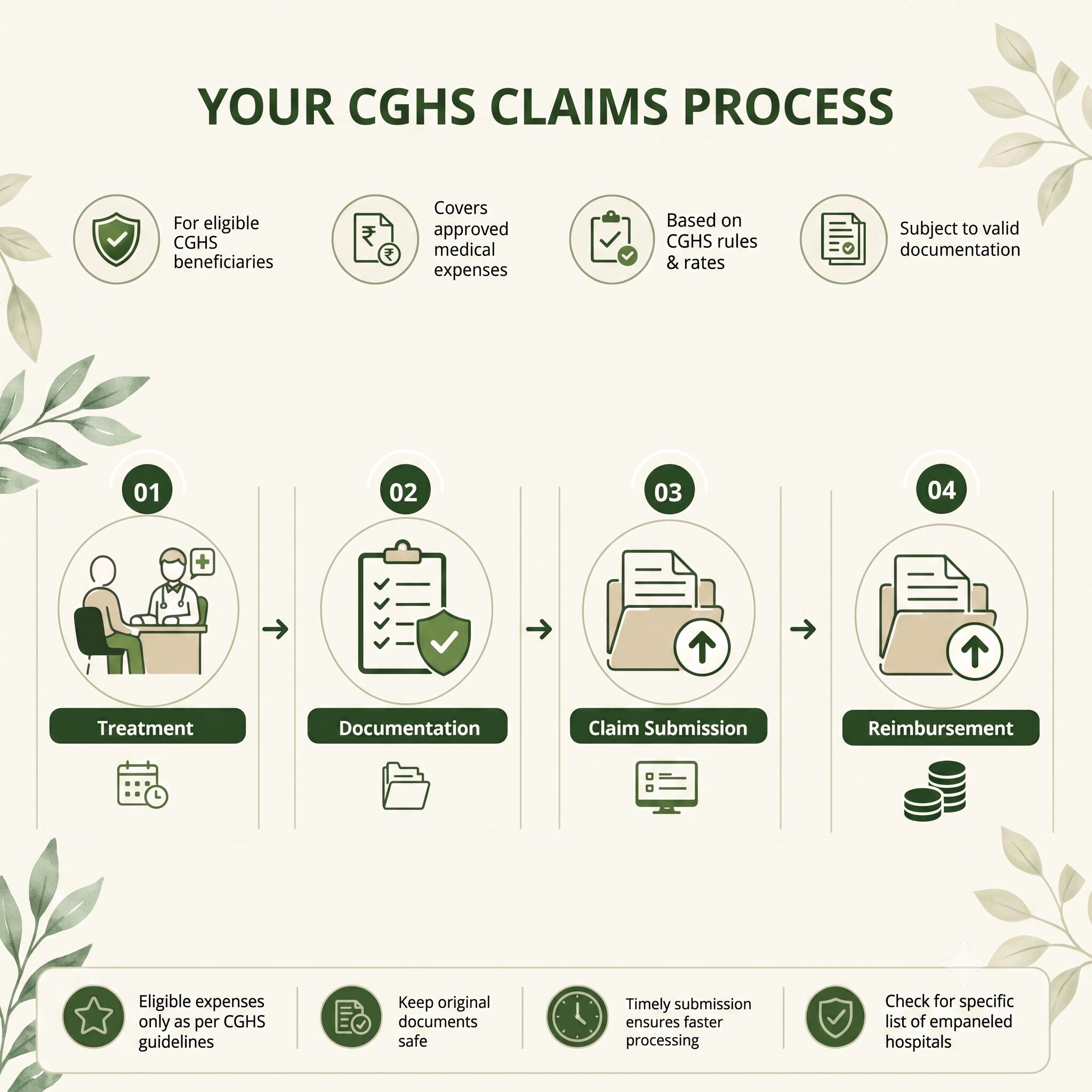
CGHS reimbursement is a facility through which eligible beneficiaries can claim. The cost of medical treatment received under approved conditions.
If a patient pays for consultations, medicines, therapies, diagnostic tests, or hospitalisation expenses that are covered under CGHS guidelines.
The amount of reimbursement will depend on the CGHS Rules and the approved rates, as well as the documents provided in support of the claim.
Who Can Avail CGHS Reimbursement?
CGHS reimbursement is generally available to:
- Central Government employees
- Central Government pensioners
- Eligible family members of CGHS beneficiaries
- Freedom fighters covered under CGHS
- Members of Parliament
- Certain autonomous body employees are covered under the scheme
To avail reimbursement benefits, the beneficiary must possess a valid CGHS card.
Why Proper Documentation Matters
The biggest reasons for reimbursement claim delays are incomplete documentation. Even if the treatment is eligible, missing paperwork can result in additional verification requests or claim rejection.
Maintaining proper records helps:
- Faster claim processing
- Reduced chances of rejection
- Easy verification of treatment
- Smooth communication with CGHS authorities
- Better record-keeping for future reference
For this reason, patients should carefully preserve every document related to their treatment.
Essential Documents Required for CGHS Reimbursement
1. Form Generation
Go to the official CGHS Portal Forms Page to download Annexure-A. Fill in your 12-digit Beneficiary ID, full address, and financial totals.
2. CGHS Reimbursement Claim Form
The claim form is the primary document required for reimbursement.
The form usually includes:
- Beneficiary details
- CGHS card number
- Treatment information
- Employee or pensioner details
- Contact information
- Bank account details
Ensure all information is filled accurately.
3. Copy of Valid CGHS Card
A copy of the CGHS card serves as proof of eligibility and should be attached to the reimbursement application.
4. Doctor’s Prescription
The prescription should clearly mention:
- Patient name
- Diagnosis
- Recommended treatment
- Prescribed medicines
- Doctor’s signature and stamp
Prescriptions must be clear and readable.
5. Original Medical Bills
Original bills are among the most important documents required for reimbursement.
The bills should include:
- Date of treatment
- Bill number
- Hospital or clinic details
- Description of services provided
- Amount paid
Always keep photocopies for your records.
6. Payment Receipts
Receipts act as proof that payment has been made for the treatment received. The details on the receipts should match the medical bills submitted.
7. Discharge Summary
In hospitalisation cases, the discharge summary is usually required.
This document contains:
- Diagnosis
- Treatment provided
- Duration of admission
- Follow-up recommendations
8. Diagnostic and Investigation Reports
Supporting reports may include:
- Blood tests
- X-rays
- Ultrasounds
- MRI reports
- CT scans
- Other diagnostic investigations
These reports help establish the medical necessity of treatment.
9. Referral Documents (If Applicable)
According to CGHS guidelines, some treatments may require referral documentation. Patients should retain copies of all referral letters whenever applicable.
10. Bank Account Details
Since reimbursement is usually credited directly to the beneficiary’s bank account, correct banking information is necessary.
- Account number
- IFSC code
- Bank passbook copy or cancelled cheque (if required)
Step-by-Step CGHS Reimbursement Process
This process can help beneficiaries avoid confusion and unnecessary delays.
Flowchart of the reimbursement process
Step 1: Receive Medical Treatment
The first step is receiving treatment from a healthcare facility while maintaining all records related to consultations, therapies, investigations, and medicines.
Step 2: Collect All Supporting Documents
Before leaving the healthcare facility, ensure you collect and verify that documents carry proper signatures and stamps:
- Prescriptions
- Bills
- Receipts
- Investigation reports
- Discharge summary (if hospitalised)
Step 3: Complete the Claim Form
Fill the CGHS reimbursement claim form carefully.
- Personal details
- CGHS card information
- Treatment details
- Bank account information
Errors can delay claim processing.
Step 4: Attach Required Documents
Arrange documents systematically. Submitting organised paperwork makes verification easier for CGHS authorities.
Step 5: Submit the Claim
The reimbursement claim should be submitted to the concerned CGHS office along with all supporting documents.
Step 6: Verification Process
The CGHS authorities review:
- Beneficiary eligibility
- Treatment details
- Medical necessity
- Documentation completeness
- Applicable reimbursement rates
Step 7: Approval of Claim
After successful verification, the claim is approved under the applicable CGHS rules.
Step 8: Reimbursement Payment
The approved amount is transferred directly to the beneficiary’s registered bank account.
Common Mistakes That Cause Claim Delays
Many reimbursement claims are delayed due to avoidable errors.
Common mistakes include:
- Missing bills
- Missing receipts
- Incomplete claim forms
- Incorrect bank details
- Missing signatures
- Unclear prescriptions
- Mismatch in patient information
- Submission of photocopies instead of original documents
Carefully reviewing documents before submission can prevent these issues.
Tips for Faster CGHS Reimbursement
To improve the chances of smooth reimbursement processing:
- Maintain a dedicated medical file.
- Keep all original documents safe.
- Take photocopies of every document.
- Submit claims within the recommended timeframe.
- Verify details before submission.
- Ensure all bills are properly stamped.
- Keep your CGHS card updated.
CGHS Reimbursement for Ayurvedic Treatment
When treatment is applicable, CGHS guidelines and proper documentation are maintained. Eligible expenses may be considered for reimbursement. Patients should always verify the latest CGHS provisions applicable to their treatment.
How Vrindavan Ayurveda Chikitsalyam Supports CGHS Patients
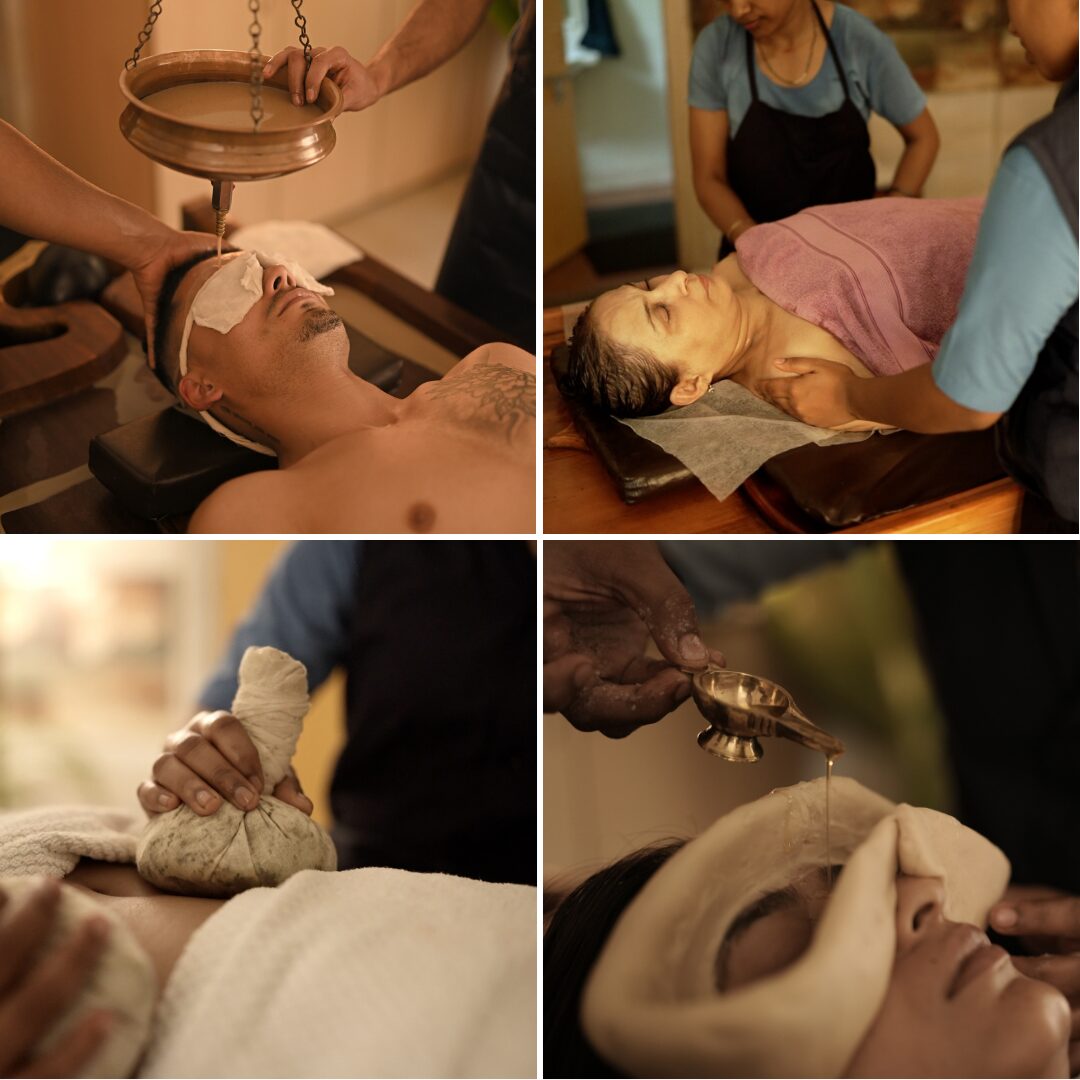
When choosing Ayurveda treatment for CGHS beneficiaries, proper documentation becomes extremely important. This is why Vrindavan Ayurveda Chikitsalyam plays a valuable role.
The hospital maintains detailed treatment records, consultation notes, prescriptions, therapy details, and other necessary paperwork. It helps patients during the reimbursement process.
Benefits of Organised Medical Documentation
Keeping all medical records organised offers several advantages:
- Easier claim submission
- Faster reimbursement processing
- Reduced chances of rejection
- Better treatment tracking
- Convenient future reference
Good documentation is one of the most important factors in successful claim approval.
Conclusion
Vrindavan Ayurveda Chikitsalyam supports patients by providing complete documentation of Ayurvedic care. This helps patients stay prepared for the reimbursement process while focusing on their recovery. With careful preparation and organised paperwork, CGHS beneficiaries can make full use of their healthcare benefits and experience a smoother reimbursement process.
Frequently Asked Questions (FAQs)
1.What is CGHS reimbursement?
CGHS reimbursement allows eligible beneficiaries to recover approved medical expenses incurred during treatment.
2. Who can apply for CGHS reimbursement?
Central Government employees, pensioners, and eligible family members covered under CGHS can apply.
3. Are original bills necessary for reimbursement?
Yes. Original bills and payment receipts are generally required during a claim.
4. Can Ayurvedic treatment be reimbursed under CGHS?
Eligible Ayurvedic treatments may be reimbursed according to applicable CGHS guidelines.
5. Why do reimbursement claims get delayed?
Common reasons include missing documents, incorrect information, incomplete forms, and missing signatures.
6. How can I improve my chances of claim approval?
Maintain complete documentation, submit accurate forms, preserve original bills, and ensure all records are properly signed and stamped.