Introduction
Have you ever noticed that many people fall sick every season?
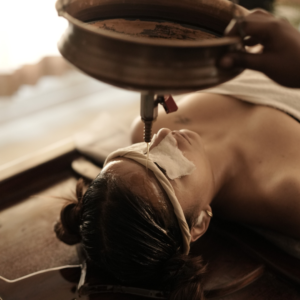
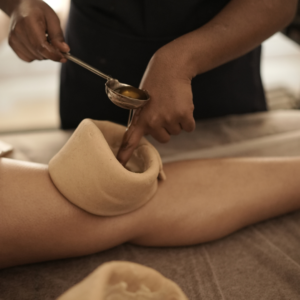
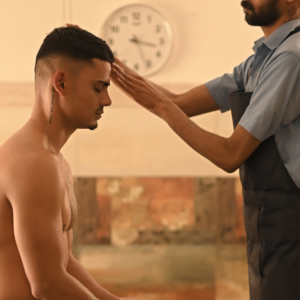
Panchakarma, Ayurveda’s classical detoxification and rejuvenation therapy, is designed to restore this internal balance.
By cleansing the body, improving digestion, and nourishing vitality, it helps create the ideal conditions for long-term wellness and immune health.
In this blog, we explain how Panchakarma supports immunity, who can benefit, and why it has been trusted for centuries as a preventive healthcare practice.
How does Panchakarma Treatment improve immunity?
Immunity helps protect the body from infection, supports faster recovery, and keeps the body functioning. If immunity is weak, you may notice several symptoms such as frequent colds, allergies, low energy, digestive problems, slow healing, and illness.
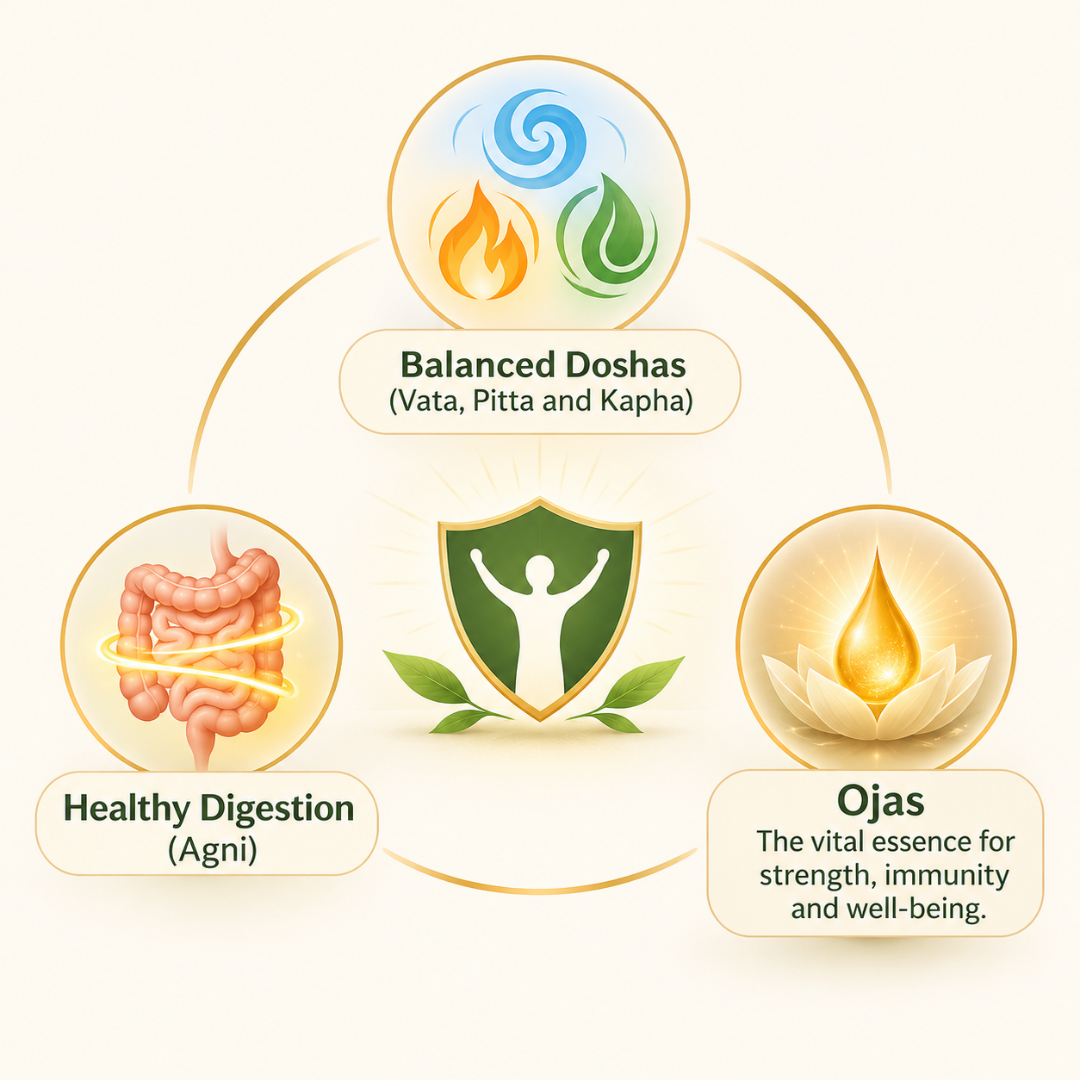
According to Ayurveda, a strong immune system depends on three important factors:
- Balanced Doshas (Vata, Pitta, and Kapha)
- Healthy Digestion (Agni)
- Ojas, the vital essence responsible for strength, immunity, and overall well-being.
When digestion weakens, toxins like Ama begin to accumulate in the body. These toxins can interfere with normal body function, trigger inflammation, and reduce the body’s natural resistance. Panchakarma aims to remove these accumulated toxins while restoring balance to the body’s systems.
How does Panchakarma help improve Immunity?
Removes Toxins (Ama) From the Body
According to Ayurveda, many health problems begin with the accumulation of Ama. It happens because of poor digestion and unhealthy lifestyle habits. Panchakarma therapies gently loosen and eliminate these toxins through personalised cleansing procedures.
Improves Digestion and Metabolism
In Ayurveda, healthy digestion is considered the foundation of good immunity.
Panchakarma helps rekindle the digestive fire (Agni), allowing the body to:
- Digest food more efficiently
- Absorb nutrients properly
- Reduce bloating and indigestion
- Prevent the formation of new toxins
Better nutrition means immune cells receive the nutrients they need to function effectively.
Reduces Chronic Inflammation
Long-term inflammation can weaken the immune system and contribute to several chronic health conditions. Panchakarma removes toxins and balances the doshas. This helps the immune system to function more effectively.
Nourishes Ojas
Ayurveda describes Ojas as the body’s vital energy that supports immunity, strength, stamina, and overall vitality. After detoxification, Panchakarma is often followed by nourishing therapies, a balanced diet, herbal support, and rejuvenation practices that help rebuild Ojas. Strong Ojas is believed to make the body more resilient against disease and improve recovery.
Which therapies cleanse the immune system?
In Ayurveda, Panchakarma aims to remove Ama, improve digestion, balance the doshas, and create an internal environment where the immune system can function more effectively.
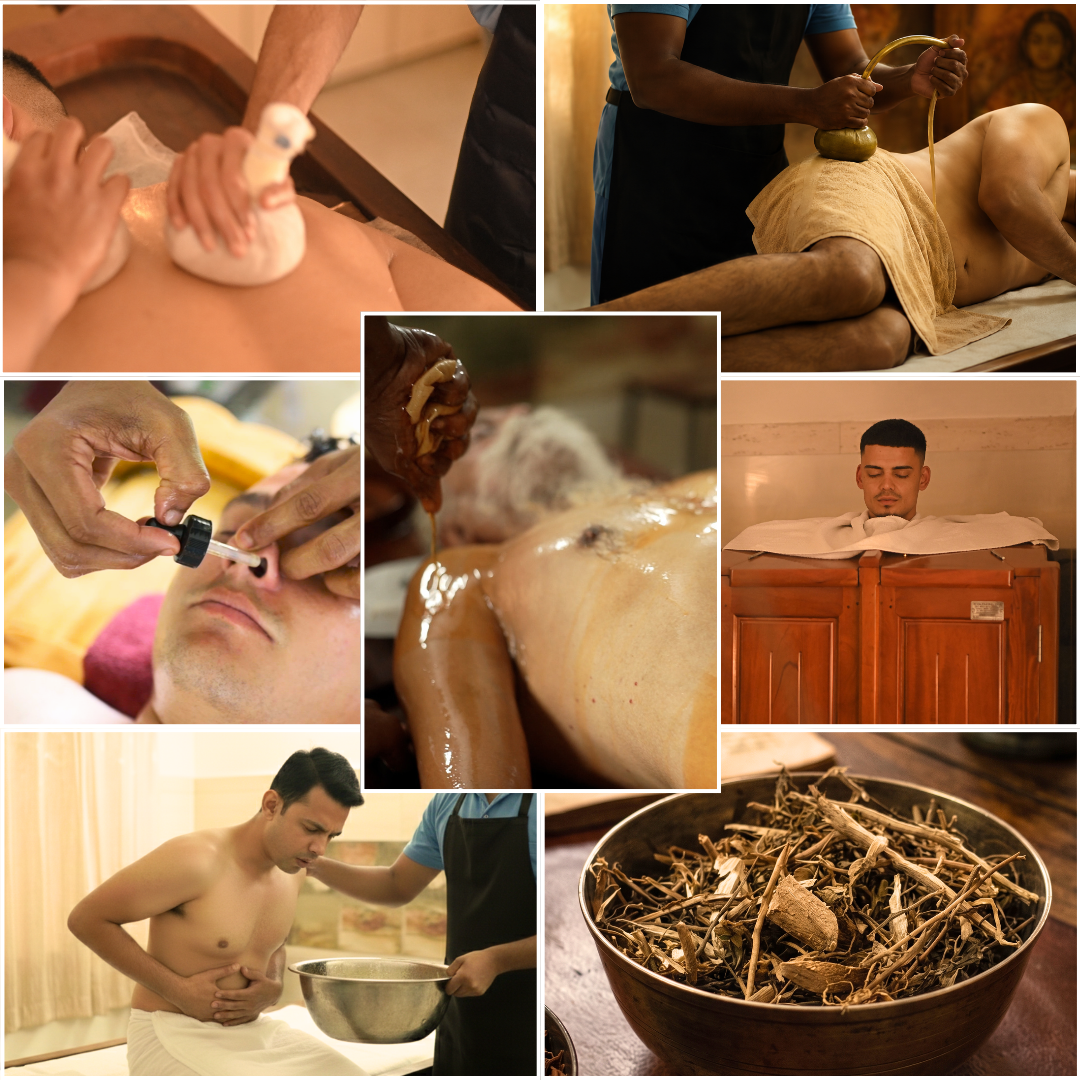
Different Panchakarma therapies contribute to this process in different ways:
1. Virechana (Therapeutic Purgation)
In Panchakarma, Virechana is one of the primary detoxification therapies. It is especially recommended when excess Pitta dosha and toxins are believed to have accumulated in the body.
How it may support immunity:
- Helps reduce toxin accumulation (Ama)
- Supports liver and digestive health
- Reduces internal inflammation
- Improves metabolic balance
A healthier digestive system provides a strong foundation for overall immune function.
2. Basti (Medicated Enema Therapy)
In Panchakarma, Basti is one of the most important therapies. It helps balance Vata dosha, which regulates many body functions. The colon plays an important role in gut health; improving colon function may also indirectly support immunity.
Benefits include:
- Support digestive health
- Helps eliminate waste effectively
- Promote gut balance
- Improves nutrient absorption
- Support overall vitality
A large part of the immune system is connected to the gut it can positively influence immune health.
3. Nasya (Nasal Therapy)
Nasya involves administering herbal oils or herbal preparations into the nostrils.
It is commonly recommended for people with:
- Frequent sinus congestion
- Allergies
- Recurrent colds
- Nasal blockage
- Respiratory discomfort
How it helps:
- Clears excess mucus
- Supports healthy breathing
- Maintains nasal hygiene
- Supports the upper respiratory tract
Healthy airways can help the body respond better to environmental irritants and seasonal infections.
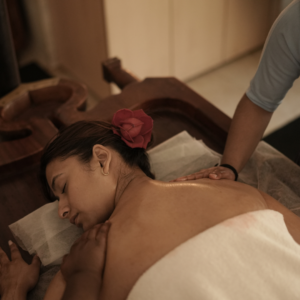
4. Abhyanga
Benefits include:
- Improves blood circulation
- Stimulates lymphatic drainage
- Reduces stress
- Relaxes muscles
- Supports healthy sleep
Lower stress levels help the immune system function more efficiently.
5. Swedana
Swedana is a herbal steam therapy which usually follows Abhyanga. In this therapy, herbal steam encourages sweating and helps loosen toxins from the tissues before the main cleansing procedures.
Benefits include:
- Open body channels
- Relaxes muscles
- Improves circulation
- Helps prepare the body for detoxification
6. Vamana
Vamana is a specialised Panchakarma therapy. It removes excess Kapha dosha through medically supervised therapeutic vomiting. This therapy is not recommended for everyone.
7. Rasayana Therapy (Rejuvenation After Detox)
Once detoxification is complete, Ayurveda emphasises rebuilding the body’s strength.
Rasayana therapies include:
- Ayurvedic herbs
- Nutrient-rich diet
- Lifestyle guidance
- Rejuvenating treatments
These therapies help nourish Ojas, the Ayurvedic essence associated with vitality, resilience, and immunity. Rather than cleansing, this phase focuses on strengthening the body after detoxification.
Patient Case Studies
1. Case Study – Frequent Infections, Fatigue & Low Immunity
A 32-year-old patient experiencing frequent seasonal infections, low energy, digestive discomfort, and poor sleep underwent a customised Panchakarma program. Following an Ayurvedic assessment, the treatment included Abhyanga, Swedana, Nasya and Basti, along with personalised dietary and lifestyle recommendations.
The integrated approach focused on supporting digestion, reducing stress, improving sleep, promoting healthy elimination, and strengthening overall vitality.
Improvement
- Digestive Comfort: 62% improvement
- Energy Levels: 65% improvement
- Sleep Quality: 60% improvement
2. Case Study 2 – Seasonal Allergies, Respiratory Discomfort & Fatigue
A 41-year-old patient with recurrent seasonal allergies, nasal congestion, fatigue, and reduced resistance to seasonal illnesses underwent a personalised Panchakarma program.
Based on the individual assessment, the treatment included Nasya, Abhyanga, Swedana, and Virechana, supported by dietary modifications and lifestyle guidance.
The treatment approach focused on supporting respiratory health, improving digestion, reducing accumulated Ama according to Ayurvedic principles, and promoting overall resilience and vitality.
Improvement
- Nasal Congestion: 63% improvement
- Seasonal Allergy Symptoms: 58% improvement
- Energy Levels: 61% improvement
Frequently Asked Questions (FAQs)
1. How long does a Panchakarma treatment for immunity usually take?
The duration depends on your health condition and treatment goals. A complete Panchakarma program typically lasts 7 to 21 days.
2. Can Panchakarma prevent infections completely?
No. Panchakarma does not guarantee complete prevention of infection. Its goal is to improve digestion, reduce toxin accumulation, support overall immune function, and enhance the body’s natural resistance.
3. Which Panchakarma therapies are commonly recommended for immune support?
Depending on your body constitution and health condition, therapies include Abhyanga, Swedana, Virechana, Basti, Nasya and Rasayana.
4. How often should I undergo Panchakarma for immunity?
For preventive wellness, many Ayurvedic practitioners recommend Panchakarma once or twice a year, especially during seasonal transitions. However, the ideal frequency depends on your individual health status and should be decided after consultation.
5. Why choose Vrindavan Ayurveda Chikitsalayam for Panchakarma?
At Vrindavan Ayurveda Chikitsalayam, every Panchakarma program is customised after a detailed Ayurvedic assessment. Our experienced Ayurvedic physicians focus on authentic therapies, personalised treatment plans, and holistic care to support your long-term health and overall well-being.