Introduction
Joint and muscle pain can affect people of all ages. While pain-relieving medicines may offer temporary comfort, they often do not address the underlying cause of recurring pain.
This is why many people are now turning towards Ayurveda for a more holistic and long-term approach to managing musculoskeletal problems.
At Vrindavan Ayurveda Chikitsalayam, we believe lasting relief comes from treating the root cause rather than masking symptoms. In Ayurveda, chronic pain, stiffness, and inflammation are often linked to an imbalance of Vata dosha and the buildup of Ama (metabolic toxins) in the body.
Panchakarma, the classical Ayurvedic detoxification and rejuvenation therapy, is designed to restore this balance through personalised treatments that support the body’s natural healing process.
In this blog, we will explore how Panchakarma relieves muscle pain, common recommended therapies, who can safely undergo Panchakarma, and how long the benefits may last.
How does Panchakarma Treatment relieve joint & muscle pain?
Muscle pain can affect anyone at any age. Muscle pain can result from strenuous activity, improper posture, sitting, injury, stress, or certain medical conditions.
Although painkillers can help alleviate the pain, they cannot solve the root cause of muscle pain. This is where Ayurvedic medicine comes in.
According to Ayurveda, muscle pain often stems from Vata dosha. When Vata is aggravated, it can cause stiffness, aching muscles, reduced flexibility, and restricted movement.
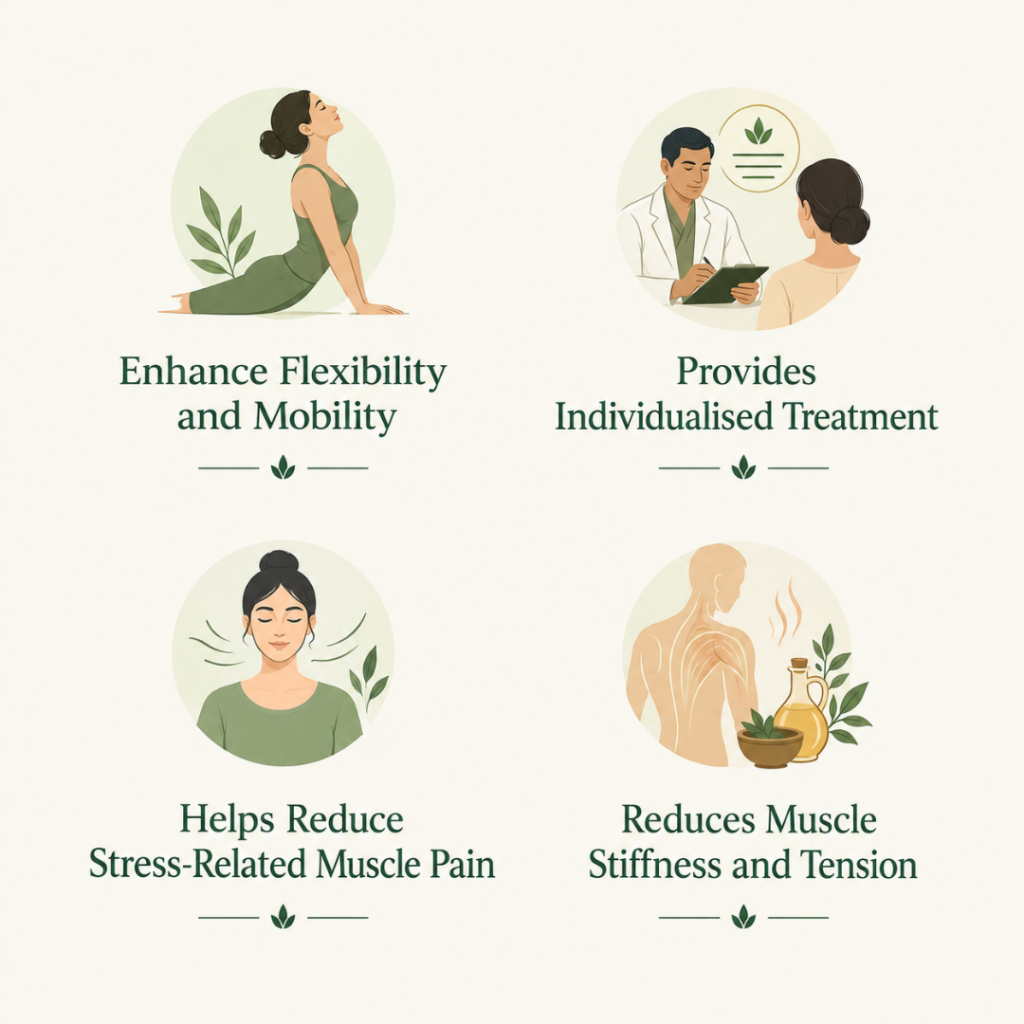
- Enhance Flexibility and Mobility
Muscle pain frequently limits movement and reduces flexibility. Panchakarma therapies improve the lubrication of muscles and surrounding tissues while reducing stiffness.
Many people notice improved range of motion and easier daily activities after completing an appropriate treatment plan. - Provides Individualised Treatment
One of the strengths of Panchakarma is its personalised approach. Ayurvedic physicians evaluate factors such as your Prakriti (body constitution), dosha imbalance, age, medical history, lifestyle, and the root cause of muscle pain before designing a treatment plan.
This individualised approach helps ensure that therapies are appropriate for each person’s condition. - Helps Reduce Stress-Related Muscle Pain
Emotional stress often keeps muscles tense, especially in the neck, shoulders, and back. Panchakarma includes calming therapies that help relax both the mind and body.
Lower stress levels can reduce muscle tension and contribute to long-lasting relief from stress-related aches. - Reduces Muscle Stiffness and Tension
Chronic muscle tension can develop from stress, repetitive movements, or prolonged sitting. Warm herbal oils and heat-based Ayurvedic therapies help relax tight muscles and improve flexibility.
As muscles relax, everyday activities such as walking, bending, and lifting may become more comfortable.
Is Panchakarma effective for chronic body pain?
Chronic body pain is a condition where pain lasts for several weeks, months, or even years. It may affect the muscles, joints, back, neck, or the entire body, making everyday activities difficult.
Common causes include arthritis, muscle strain, poor posture, stress, repetitive movements, injuries, autoimmune conditions, and age-related wear and tear.
Panchakarma may be beneficial for people experiencing chronic body pain, especially when the pain is associated with dosha imbalance, poor circulation, muscle stiffness, or toxin accumulation, as described in Ayurveda.
However, its effectiveness varies from person to person depending on the underlying cause, severity of the condition, overall health, and consistency with lifestyle changes.
How Panchakarma May Help with Chronic Body Pain
Reduces Vata Imbalance
According to Ayurveda, chronic pain is often linked to an aggravated Vata dosha, which governs movement and the nervous system.
Panchakarma therapies aim to calm Vata through medicated oils, gentle detoxification, and nourishing treatments, which may help reduce pain, stiffness, and discomfort.
Helps Reduce Inflammation
Some chronic pain conditions involve ongoing inflammation. Certain Panchakarma therapies use herbal oils and heat treatments that may help soothe inflamed tissues and reduce swelling, depending on the individual’s condition.
Improves Blood Circulation
Healthy blood circulation delivers oxygen and nutrients to muscles and tissues while removing metabolic waste. Panchakarma therapies can help improve circulation, which may support tissue repair and reduce muscle fatigue and soreness.
Relaxes Tight Muscles
Long-term pain often causes muscles to remain tense, creating a cycle of discomfort. Therapies such as Abhyanga (therapeutic oil massage) and Swedana (herbal steam therapy) help relax muscles, reduce stiffness, and improve flexibility, making movement more comfortable.
Supports Detoxification
Ayurveda explains that the accumulation of Ama (metabolic toxins) can contribute to pain and inflammation. Panchakarma is designed to eliminate these toxins through personalised cleansing therapies, which may help improve overall well-being and reduce recurring discomfort.
Promotes Better Mobility
As pain and stiffness decrease, many people experience improved joint movement and muscle flexibility. This can make daily activities like walking, bending, climbing stairs, or sitting for long periods easier.
Reduces Stress-Related Pain
Stress and anxiety can increase muscle tension and worsen chronic pain. Panchakarma includes deeply relaxing therapies that help calm the nervous system, improve sleep, and reduce stress, which may indirectly help lower pain levels.
Which Panchakarma Therapies Reduce Inflammation and Stiffness?
Inflammation and stiffness are common symptoms in conditions such as arthritis, muscle strain, sports injuries, chronic back pain, cervical pain, and age-related joint problems. They can limit movement, cause discomfort, and affect daily activities.
In Ayurveda, these symptoms are often linked to an imbalance of Vata and Kapha doshas, along with the accumulation of Ama (metabolic toxins).
Panchakarma offers a range of therapies that aim to reduce inflammation, ease stiffness, improve circulation, and support the body’s natural healing process.
The choice of therapy depends on your body constitution, the underlying cause of the problem, and your overall health. A qualified Ayurvedic physician will recommend the most suitable treatment after a detailed assessment.
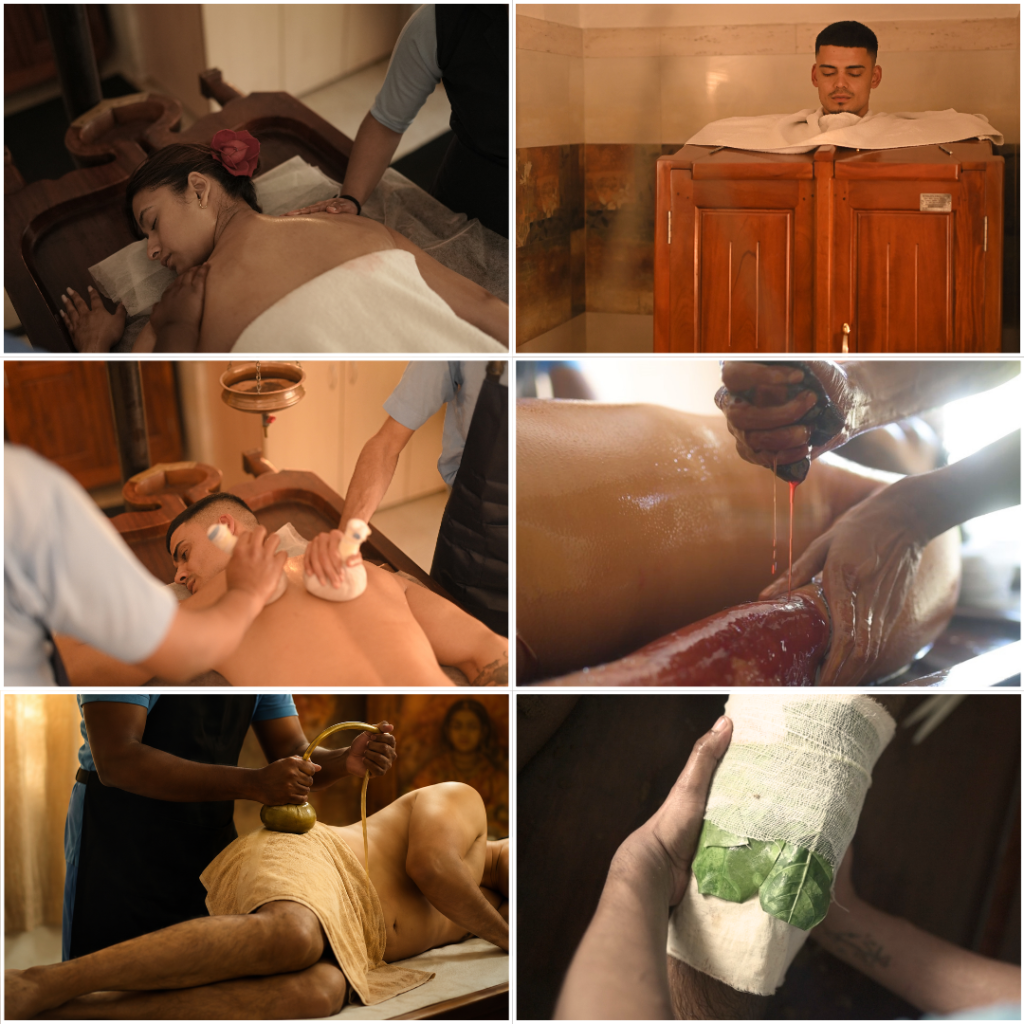
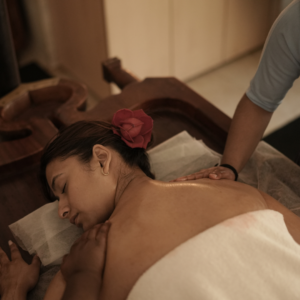
1. Abhyanga (Therapeutic Oil Massage)
Abhyanga is one of the most commonly recommended Panchakarma therapies for muscle and joint stiffness. Warm medicated herbal oils are gently massaged over the body to nourish tissues and improve circulation.
How it helps:
- Relaxes tight muscles and soft tissues.
- Improves blood circulation.
- Reduces muscle stiffness and body aches.
- Helps calm aggravated Vata dosha.
- Supports joint mobility.
2. Swedana (Herbal Steam Therapy)
Swedana is usually performed after Abhyanga. The body is exposed to herbal steam, which promotes sweating and helps loosen tight muscles and joints.
Benefits include:
- Reduces stiffness and muscle tightness.
- Helps improve flexibility.
- Encourages toxin elimination through sweating.
- Supports better circulation.
- Provides relief from body heaviness and discomfort.
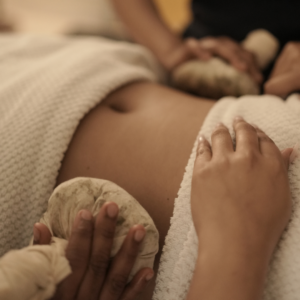
3. Kizhi (Patra Pinda Sweda)
In Kizhi therapy, warm herbal poultices filled with medicinal leaves, herbs, or powders are gently applied and massaged over painful areas.
This therapy may help:
- Reduce local inflammation.
- Relieve muscle soreness.
- Improve circulation in affected tissues.
- Ease stiffness in muscles and joints.
- Promote faster recovery after physical strain.
Kizhi is often recommended for chronic muscle pain, sports injuries, arthritis, and back pain.
4. Pizhichil (Oil Bath Therapy)
Pizhichil involves continuously pouring warm medicated oil over the body while performing a gentle massage.
Potential benefits include:
- Deeply nourishes muscles and joints.
- Reduces stiffness and pain.
- Improves flexibility.
- Supports healthy nerve and muscle function.
- Promotes relaxation and reduces stress-related muscle tension.
5. Basti (Medicated Enema Therapy)
Basti is considered one of the most important Panchakarma therapies for balancing Vata dosha, which is commonly associated with chronic pain and stiffness.
It may help by:
- Supporting long-term management of chronic joint and muscle disorders.
- Reducing dryness and rigidity.
- Improving mobility.
- Helping maintain dosha balance.
- Supporting overall musculoskeletal health.
Basti is always administered under the supervision of a qualified Ayurvedic practitioner.
6. Upanaha Sweda (Herbal Poultice Therapy)
This therapy involves applying a warm herbal paste over the affected area and covering it with medicinal leaves or cloth for a specific period.
It may help:
- Reduce localised inflammation.
- Relieve muscle spasms.
- Ease joint stiffness.
- Provide soothing warmth to painful areas.
Can Elderly Patients Undergo Panchakarma?
Yes, elderly patients can undergo Panchakarma, but only after a qualified Ayurvedic physician assesses them. Age alone is not a barrier to Panchakarma.
However, the treatment plan must be carefully customised based on the individual’s overall health, medical history, strength, and existing health conditions.
As people age, they commonly experience issues such as joint pain, muscle stiffness, reduced mobility, poor digestion, sleep disturbances, and lower energy levels. According to Ayurveda, these changes are often associated with an increase in Vata dosha.
Panchakarma aims to balance Vata, improve circulation, support healthy digestion, and promote overall well-being. Since older adults may have lower physical strength, the therapies are usually modified to ensure they are safe, comfortable, and well-tolerated.
How Panchakarma May Benefit Elderly Patients
Helps Reduce Joint and Muscle Pain
Many older adults experience chronic pain due to age-related wear and tear or musculoskeletal conditions. Gentle Panchakarma therapies may help reduce stiffness, improve flexibility, and make everyday movements more comfortable.
Supports Better Mobility
Therapies such as Abhyanga (therapeutic oil massage) and Swedana (herbal steam therapy) may help relax muscles, improve circulation, and reduce stiffness, allowing elderly individuals to move more easily.
Improves Digestion
Digestive function often slows with age, leading to bloating, constipation, or poor appetite. Panchakarma includes therapies and dietary guidance that support healthy digestion and better nutrient absorption.
Promotes Relaxation and Better Sleep
Older adults may experience disturbed sleep due to pain, stress, or age-related changes. Certain Panchakarma therapies help calm the nervous system, encourage relaxation, and may contribute to improved sleep quality.
Supports Overall Well-Being
Panchakarma focuses on restoring balance rather than simply relieving symptoms. When appropriately prescribed, it may help improve energy levels, reduce fatigue, and support a better quality of life.
How Long Do the Pain Relief Effects of Panchakarma Last?
The duration of pain relief after Panchakarma varies from person to person. Some individuals experience relief for several weeks, while others may continue to benefit for months, especially when they follow the recommended diet, lifestyle, and follow-up care advised by their Ayurvedic physician.
Panchakarma is designed to do more than temporarily reduce pain. Its goal is to address the underlying Ayurvedic causes of discomfort, such as Vata imbalance, poor digestion, and the accumulation of Ama (metabolic toxins).
Because of this holistic approach, the effects may last longer than therapies that only focus on symptom relief. However, the results depend on several important factors.
Factors That Influence How Long the Benefits Last
1. The Underlying Cause of Pain
The duration of relief largely depends on the cause of the pain. Muscle soreness from stress or overexertion may improve for longer after treatment.
Chronic conditions such as osteoarthritis or long-standing back pain may require ongoing care and periodic Panchakarma sessions.
2. Severity and Duration of the Condition
People who begin treatment in the early stages of pain often experience better and longer-lasting results than those with severe or long-standing conditions. Chronic problems may need a more comprehensive treatment plan and regular follow-up.
3. Lifestyle After Panchakarma
Maintaining healthy habits plays a major role in preserving the benefits of Panchakarma. Following the recommended Ayurvedic diet, staying physically active, managing stress, getting adequate sleep, and avoiding activities that strain the body can help extend the effects of treatment.
4. Individual Body Constitution
According to Ayurveda, every person has a unique Prakriti (body constitution). Factors such as age, digestion, overall health, and dosha balance influence how the body responds to treatment and how long the results last.
5. Completing the Full Treatment Plan
Panchakarma is most effective when the complete treatment plan is followed. This may include detoxification therapies, herbal medicines (if prescribed), dietary changes, and lifestyle recommendations. Stopping treatment too early or ignoring post-treatment advice may reduce the long-term benefits.
Conclusion
Panchakarma offers a comprehensive Ayurvedic approach to managing joint and muscle pain by addressing the underlying imbalances that contribute to chronic discomfort.
Instead of focusing only on temporary pain relief, it balances the doshas, improves circulation, supports healthy digestion, reduces inflammation, and promotes the body’s natural healing abilities.
When combined with a healthy lifestyle, proper nutrition, and regular follow-up care, Panchakarma can play an important role in improving mobility, flexibility, and overall quality of life.
At Vrindavan Ayurveda Chikitsalayam, every Panchakarma treatment is carefully personalised after a detailed Ayurvedic consultation. Our experienced Ayurvedic physicians evaluate your body constitution, health condition, and specific concerns before creating an individualised treatment plan.
Whether you are dealing with chronic muscle pain, joint stiffness, age-related discomfort, or recurring body aches, our goal is to help you achieve long-term wellness through safe, authentic, and holistic Ayurvedic care.
Frequently Asked Questions
1. Is Panchakarma suitable for all types of joint and muscle pain?
Panchakarma may help manage many types of muscle and joint pain, including stiffness, chronic back pain, arthritis, and stress-related body aches. However, the treatment is personalised after an Ayurvedic assessment, and its suitability depends on the underlying cause of the pain.
2. How many Panchakarma sessions are usually required for pain relief?
The number of sessions varies according to the severity of the condition, the individual’s body constitution, and treatment goals. Some people notice improvement within a few sessions, while chronic conditions may require a longer treatment plan.
3. Can Panchakarma be combined with modern medical treatment?
Yes. Panchakarma is often used as a complementary therapy alongside conventional medical care. Patients should always inform both their Ayurvedic physician and their treating doctor about any medications or ongoing treatments.
4. Are Panchakarma therapies painful?
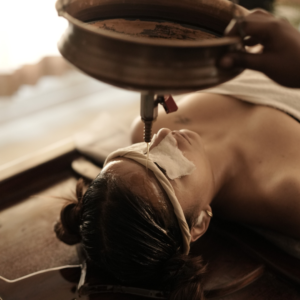
No. Most Panchakarma therapies are gentle and relaxing. Treatments such as Abhyanga, Swedana, and Shirodhara are designed to reduce pain, relax muscles, and improve overall comfort. Some detoxification procedures may require preparation and medical supervision.
5. Who should avoid Panchakarma?
Panchakarma may not be suitable during pregnancy, acute infections, high fever, severe weakness, or certain serious medical conditions. A detailed consultation with a qualified Ayurvedic physician is essential before starting treatment.
6. How can I maintain the benefits of Panchakarma after treatment?
Following the recommended Ayurvedic diet, maintaining an active lifestyle, practising regular stretching or yoga, managing stress, getting adequate sleep, and attending follow-up consultations can help prolong the benefits of Panchakarma.
7. Why choose Vrindavan Ayurveda Chikitsalayam for Panchakarma treatment?
At Vrindavan Ayurveda Chikitsalayam, we provide authentic Panchakarma therapies under the supervision of experienced Ayurvedic physicians. Every treatment plan is customised according to the patient’s health condition, ensuring a safe, holistic, and patient-centred approach to long-term pain management and overall wellness.