Introduction
Living with chronic skin conditions like eczema and psoriasis can be frustrating, especially when symptoms keep returning despite treatment. While conventional medicine often focuses on managing flare-ups, Ayurveda looks deeper to understand the root cause of the condition. It believes that imbalances in the Doshas, poor digestion, and the buildup of Ama (toxins) can all affect skin health.
Panchakarma, Ayurveda’s classical detoxification therapy, is designed to restore this internal balance through personalised treatments, herbal medicines, and supportive diet and lifestyle changes. In this article, we’ll explore how Panchakarma works for skin conditions, the therapies commonly used, and how an authentic Ayurvedic approach can support healthier skin over the long term.
Understanding Skin Conditions Through Ayurveda
In Ayurveda, skin is considered a mirror of the internal health of the body. It is thought that conditions like eczema and psoriasis are frequently caused by imbalances in the body’s natural systems rather than being isolated problems. Disturbances in the Doshas can be caused by factors such as poor digestion, unhealthy eating habits, stress, lack of sleep, and environmental influences, which can affect skin health. Hence, Ayurvedic treatment aims to identify and treat the root cause, rather than treating the visible symptoms.
According to Ayurveda, healthy skin depends on balanced Doshas, strong digestion (Agni), and properly nourished body tissues. Because of weak digestion, the body cannot process food efficiently. Toxins and dosha imbalance can affect the blood and skin tissues.
The three doshas: Vata, Pitta, and Kapha each play a role in maintaining healthy skin.
- Pitta governs heat and metabolism. When aggravated, it may contribute to redness, inflammation, burning sensations, and irritation.
- Kapha provides moisture and structure. Excess Kapha can lead to thickened skin, scaling, swelling, and oozing in certain skin conditions.
- Vata controls movement and dryness. An imbalance may cause dry, rough, cracked, or flaky skin.
Ama, as described in Ayurveda, is toxic metabolic waste that forms when digestion is weak or incomplete. Ama does not get eliminated from the body; rather, it accumulates and circulates through the channels (Srotas), interfering with normal tissue function.
Over time, it can combine with aggravated Doshas and affect the skin, causing conditions like eczema and psoriasis. This is why Panchakarma places strong emphasis on eliminating Ama through carefully selected purification therapies.
How Panchakarma Addresses Skin Conditions at the Root Level
Panchakarma takes a holistic approach by addressing the underlying imbalances that contribute to chronic skin conditions. In Ayurveda, therapies are selected based on an individual’s dosha imbalances, digestive health and overall constitution.
Panchakarma is designed to cleanse the body of accumulated Ama (toxins) while restoring the natural balance of the Vata, Pitta and Kapha Doshas. For skin conditions such as eczema and psoriasis, therapies like Virechana (therapeutic purgation) are often recommended to eliminate excess Pitta, which is commonly associated with inflammation, redness, and irritation.
Ayurveda says that good digestion (Agni) is the foundation of clear, healthy skin. When digestion is impaired, toxins (Ama) enter the blood (Rakta Dhatu), causing chronic skin diseases. Panchakarma detoxifies the body, enhances digestion and re-establishes internal harmony. Depending on the individual’s condition, therapies like Raktamokshana, along with herbal Lepas, customised herbal medicines and dietary recommendations, work in tandem to cleanse the blood, reduce inflammation, aid natural skin healing and support long-term skin health.
For a condition-specific approach, explore Panchakarma Therapy for Psoriasis Management. You can also consult an Ayurvedic physician for personalised guidance.
Key Panchakarma Therapies for Eczema and Psoriasis
Panchakarma therapies are based on the patient’s Prakriti (body constitution), dosha imbalance, and overall health. Ayurvedic physicians recommend therapies after a detailed assessment of the individual. For chronic skin conditions such as eczema and psoriasis, Virechana, Raktamokshana, and Herbal Lepas are among the therapies that may be incorporated into a personalised treatment plan.
Virechana for Pitta Detoxification
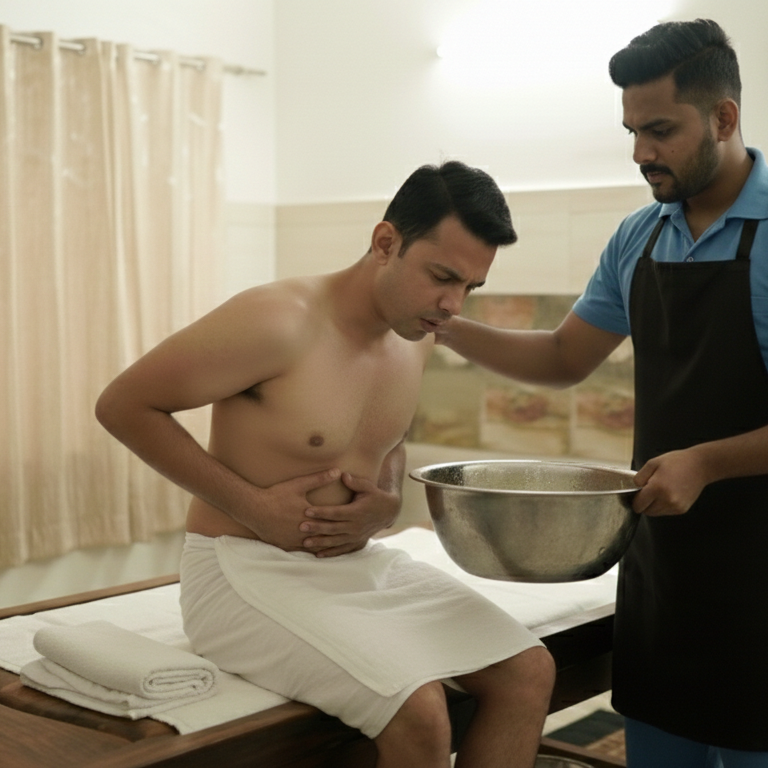
Virechana is one of the primary Panchakarma procedures and is particularly indicated for conditions associated with Aggravated Pitta Dosha. It is a carefully supervised therapeutic purgation that aims to eliminate excess Pitta and accumulated toxins (Ama) from the body through the gastrointestinal tract.
In Ayurvedic texts, excess Pitta is associated with symptoms such as inflammation, redness, burning sensation, and recurrent skin eruptions. By helping restore Pitta balance and supporting healthy digestion, Virechana is traditionally used as part of the Ayurvedic management of chronic inflammatory skin disorders, including psoriasis and eczema.
Raktamokshana for Blood Purification
Raktamokshana is a classical Ayurvedic purification therapy that focuses on cleansing Rakta Dhatu (blood tissue), which Ayurveda considers closely linked to skin health. Raktamokshana is used to support the reduction of inflammation and promote healthier skin by addressing one of the underlying factors described in Ayurveda.
Herbal Lepas for Healing the Skin
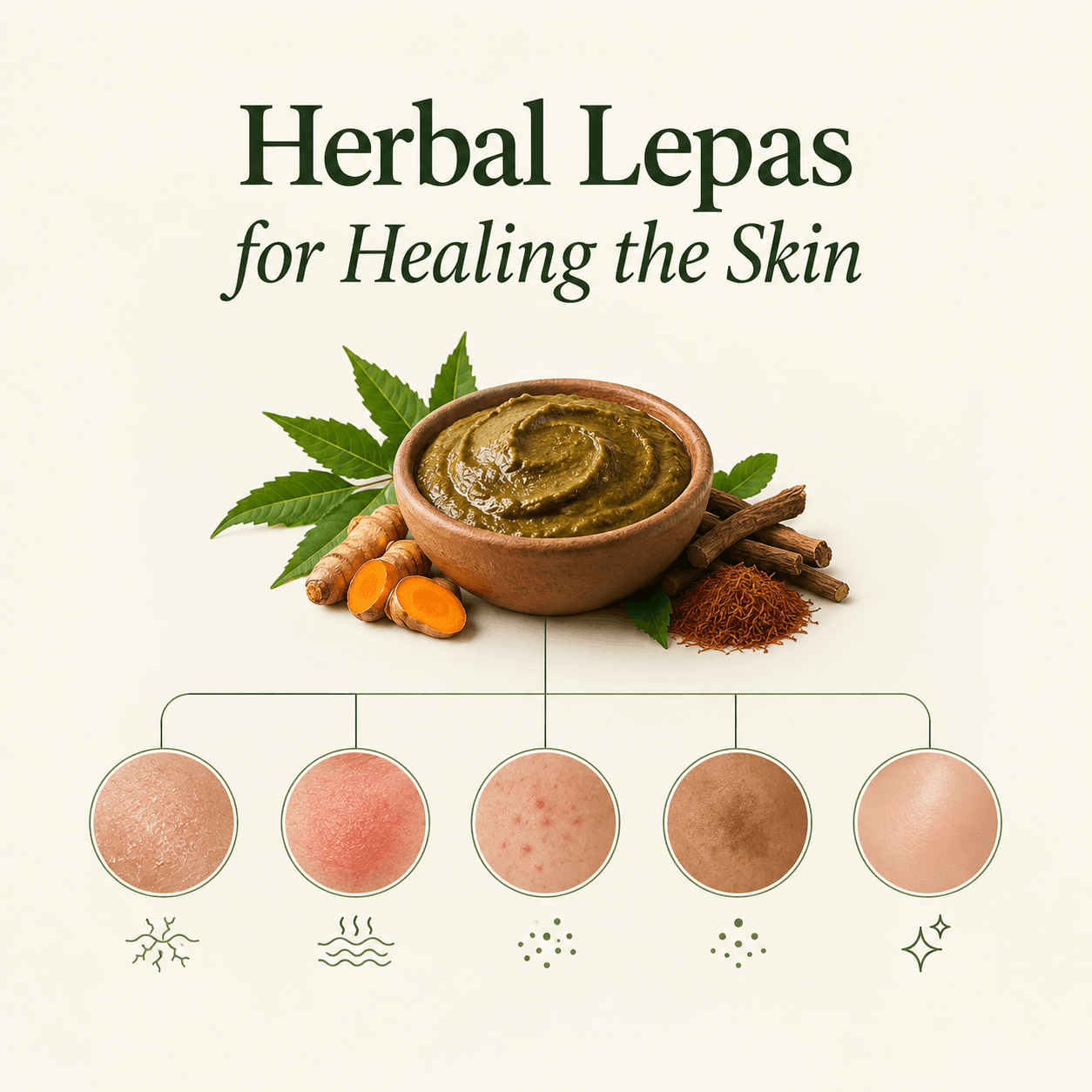
Herbal Lepas are medicated herbal pastes prepared from carefully selected Ayurvedic herbs and applied directly to affected areas of the skin. Classical herbs such as Neem (Azadirachta indica), Manjistha (Rubia cordifolia), Haridra (Turmeric), and Yashtimadhu (Licorice) may be used depending on the individual’s condition and dosha imbalance.
These topical applications are traditionally used to help soothe itching, reduce redness and irritation, support the skin’s natural healing process, and provide symptomatic relief.
Supporting Skin Recovery with Ayurvedic Herbs, Diet, and Lifestyle
Panchakarma helps cleanse the body and restore internal balance, but lasting skin health depends on what follows after the detoxification process. Ayurveda emphasises a comprehensive approach that combines personalised herbal medicines, mindful nutrition, and healthy lifestyle practices to support the body’s natural healing process and maintain the benefits of Panchakarma.
Personalised Herbal Medicines
The benefits of Panchakarma are often supported by herbal medicines prescribed according to an individual’s Dosha imbalance and specific skin condition. These formulations help maintain digestive strength, support blood purification, and nourish the skin tissues during recovery. At VVAC, many classical herbal decoctions and formulations are freshly prepared in the in-house Kashayapura, following traditional Ayurvedic methods to ensure authenticity and quality.
Diet as a Part of Treatment
In Ayurveda, food is considered an important part of therapy. After Panchakarma, a balanced, freshly prepared, and easily digestible diet is recommended to keep Agni (digestive fire) strong and prevent the formation of Ama (toxins). Patients are generally advised to limit processed, excessively spicy, fried, and sugary foods, choosing wholesome meals that support digestion and overall skin health.
Lifestyle That Supports Healthy Skin
Daily habits have a significant influence on skin health. Ayurveda recommends regular sleep patterns, managing stress, staying physically active, and following a consistent daily routine to keep the doshas balanced. Practices such as yoga, meditation, and adequate rest complement Panchakarma by promoting overall well-being and helping reduce the likelihood of recurring skin flare-ups.
Why Fresh Herbal Formulations Matter in Panchakarma
In Panchakarma, the therapies are only one part of the healing process. The herbal medicines given before, during, and after treatment are equally important in supporting detoxification and balancing the Doshas, and promoting skin recovery. Ayurveda emphasise that the quality and freshness of these formulations can influence how effectively they support the body’s natural healing mechanisms.
Many classical Ayurvedic preparations, particularly Kashayas (herbal decoctions), are traditionally prepared fresh because they are intended to be used within a limited period to preserve their therapeutic qualities. These formulations work alongside Panchakarma therapies by supporting digestion, assisting in the elimination of toxins, nourishing body tissues, and helping maintain dosha balance throughout the treatment journey.
Vrindavan Ayurveda Chikitsalayam has an in-house Kashayapura, where herbal decoctions and formulations are freshly prepared every day using carefully selected medicinal herbs. Instead of relying solely on commercially manufactured medicines, the centre prepares many formulations according to classical Ayurvedic methods and the patient’s individual treatment plan.
What Results Can You Expect from Panchakarma for Skin Conditions?
The results of Panchakarma vary from person to person, depending on factors such as the type and severity of the skin condition, the duration of symptoms, overall health, and adherence to the recommended treatment plan. Since eczema and psoriasis are chronic conditions, Ayurveda focuses on improving the body’s internal balance and supporting long-term skin health rather than offering an instant or guaranteed cure. With a personalised Panchakarma program, many individuals may experience gradual improvements in skin comfort, overall well-being, and the frequency of flare-ups.
Short-Term Improvements
During or shortly after Panchakarma, patients may begin to notice positive changes as the body undergoes the cleansing and recovery process. These improvements can include:
- Reduced itching, redness, and irritation
- Less dryness and scaling of the skin
- Improved digestion and appetite
- Better energy levels and overall well-being
- A feeling of lightness after detoxification
The timeline for these changes varies for each individual and depends on the body’s response to treatment.
Long -Term Skin Health and Recurrence Management
The primary goal of Panchakarma is to restore internal balance and address the factors that contribute to recurring skin conditions. When combined with personalised herbal medicines, a skin-friendly diet, and healthy lifestyle practices, Panchakarma may help:
- Support healthier skin function
- Reduce the frequency and intensity of flare-ups
- Improve the skin’s natural healing process
- Enhance digestion and metabolism, which Ayurveda considers essential for healthy skin
- Promote overall wellness and quality of life
Factors That Influence Treatment Outcomes
The effectiveness of Panchakarma depends on several individual factors. These include the patient’s Prakriti (body constitution), Dosha imbalance, severity and duration of the condition, and digestive strength (Agni), and commitment to the prescribed treatment plan. Following the recommended herbal medicines, diet, and lifestyle guidance after Panchakarma is equally important for achieving lasting results.
At Vrindavan Ayurveda Chikitsalyam, treatment plans are personalised after a comprehensive Ayurvedic assessment. Panchakarma therapies are combined with fresh herbal formulations prepared in the in-house Kashayapura, dietary guidance, and continuous medical supervision to provide a holistic approach to managing chronic skin conditions.
Why Choose VVAC for Panchakarma Treatment for Skin Conditions
At Vrindavan Ayurveda Chikitsalayam, Panchakarma is delivered through a personalised, evidence-informed Ayurvedic approach that focuses on identifying the root causes of the condition. Every treatment plan is designed after a detailed consultation, ensuring that therapies, herbal medicines, diet, and lifestyle recommendations are tailored to the individual’s unique health needs.
Personalised Treatment Plans
No two skin conditions are exactly alike. Factors such as Prakriti (body constitution), Dosha imbalance, digestive health, medical history, and the severity of the condition are carefully evaluated before creating a treatment plan. Based on this assessment, Panchakarma therapies, herbal formulations, dietary guidance, and lifestyle recommendations are customised to support each patient’s healing journey.
Experienced Ayurvedic Physicians
At Vrindavan Ayurveda Chikitsalaym, treatment protocols are guided by experienced Ayurvedic physicians who follow the principles of classical Ayurveda while considering each patient’s current health condition. Throughout the Panchakarma program, patients are regularly monitored, and therapies and herbal medicines are adjusted whenever necessary to ensure safe, personalised, and effective care.
Fresh Daily Herbal Preparations Through Kashayapura
A distinguishing feature of VVAC is its in-house Kashayapura, where classical Ayurvedic decoctions, medicated oils, and herbal formulations are prepared fresh using carefully selected medicinal herbs. Many of these preparations are made according to traditional Ayurvedic methods and prescribed specifically for each patient. This commitment to fresh herbal formulations supports the overall Panchakarma process and reflects VVAC’s dedication to delivering authentic Ayurvedic care.
Holistic Care for Sustainable Skin Health
At Vrindavan Ayurveda Chikitsalayam, Panchakarma is integrated with personalised herbal medicines, therapeutic diets, yoga, lifestyle counselling, and follow-up care to provide a comprehensive healing experience. Rather than focusing solely on visible skin symptoms, this holistic approach aims to improve digestion, restore Dosha balance, and strengthen overall health. The goal is to help patients achieve healthier skin while promoting overall physical and mental well-being through authentic Ayurvedic care.
Conclusion
Chronic skin conditions require a treatment approach that looks beyond the surface. Ayurveda views healthy skin as a reflection of internal balance and uses Panchakarma to address factors such as Dosha imbalance, toxin accumulation, impaired digestion, and blood purification. By combining personalised detoxification therapies with herbal medicines, dietary guidance, and lifestyle changes, Panchakarma aims to support healthier skin and overall well-being.
At Vrindavan Ayurveda Chikitsalayam (VVAC), this traditional approach is complemented by individualized treatment plans, experienced Ayurvedic physicians, and freshly prepared herbal formulations from the in-house Kashayapura. Whether you are managing eczema, psoriasis, or other chronic skin concerns, consulting a qualified Ayurvedic physician can help determine whether Panchakarma is an appropriate part of your personalized treatment plan.
Frequently Asked Questions (FAQs)
1. Can Panchakarma cure eczema and psoriasis permanently?
Eczema and psoriasis are chronic conditions, and treatment outcomes vary from person to person. Panchakarma does not guarantee a permanent cure but aims to address underlying Ayurvedic imbalances, support healthier skin, and help reduce the frequency and severity of flare-ups when combined with appropriate diet, lifestyle, and medical guidance.
2. Which Panchakarma therapy is commonly recommended for skin conditions?
The choice of therapy depends on the individual’s condition and Dosha imbalance. Therapies such as Virechana, Raktamokshana, and Herbal Lepas may be recommended.
3. How long does Panchakarma treatment for skin disorders take?
The duration varies depending on the severity of the condition, the therapies recommended, and the patient’s overall health. A qualified Ayurvedic physician will determine the appropriate treatment schedule after a detailed assessment.
4. Is Panchakarma suitable for everyone with eczema or psoriasis?
Not necessarily. Panchakarma therapies are highly individualized and should only be performed after consultation with a qualified Ayurvedic physician, who will evaluate your medical history, body constitution (Prakriti), and current health condition.
5. Why are fresh herbal medicines important in Panchakarma?
Many classical Ayurvedic formulations, particularly herbal decoctions (Kashayas), are traditionally prepared fresh to preserve their therapeutic properties. Freshly prepared medicines work alongside Panchakarma therapies to support detoxification, digestion, Dosha balance, and the body’s natural healing process.
6. What lifestyle changes are recommended after Panchakarma?
After Panchakarma, patients are generally advised to follow a balanced, easily digestible diet, maintain regular sleep patterns, manage stress, stay physically active, and take prescribed herbal medicines. These practices help support the benefits of treatment and contribute to long-term skin health.
7. Why choose VVAC for Panchakarma treatment for skin conditions?
VVAC offers a personalized Ayurvedic approach to skin health through customized Panchakarma therapies, experienced Ayurvedic physicians, and fresh herbal formulations prepared daily in its in-house Kashayapura. Combined with dietary guidance, lifestyle counselling, and continuous medical supervision, VVAC provides comprehensive care rooted in the principles of authentic Ayurveda.