Introduction
Living with Type 2 diabetes often means making lifelong adjustments to your daily routine. While medications play an important role in controlling blood sugar levels, many people still struggle with unhealthy eating habits, stress, lack of physical activity, poor sleep, and maintaining a healthy weight. These lifestyle factors can make diabetes management more challenging and increase the risk of long-term complications.
This is why many people are now looking beyond medication alone and exploring holistic approaches that focus on overall well-being. A residential wellness program offers a unique opportunity to step away from the pressures of everyday life and dedicate time to improving your health in a structured, supportive environment. By combining personalised Ayurvedic care, Panchakarma therapies, naturopathy, yoga, satvic nutrition, and lifestyle guidance, these programs aim to help individuals develop healthier habits that can be sustained long after they return home.
In this article, we’ll explore how residential wellness programs support Type 2 diabetes management, what you can expect during your stay, and why an integrated approach to health may be beneficial for long-term wellness.
What Is a Residential Wellness Program?
Managing Type 2 diabetes is not just about taking medicines or checking blood sugar levels. It also involves making long-term changes to your diet, physical activity, sleep, stress levels, and daily routine.
A residential wellness program is a structured health programme in which you stay at a wellness centre for a few days or weeks and receive continuous care from a team of healthcare professionals. Instead of visiting a clinic for a short consultation, you live in an environment designed to support healthy habits and overall well-being.
Why Lifestyle Plays a Crucial Role in Type 2 Diabetes Management
According to modern medicine, type 2 diabetes develops due to a combination of genetic and lifestyle factors. Poor eating habits, body weight, and lack of physical activity all contribute to rising blood sugar levels.
In Ayurveda, diabetes is known as Madhumeha. Too much Intake of sweet and heavy food, irregular eating habits, and poor digestion can weaken Agni (the digestive and metabolic fire). These imbalances can disturb the body’s Doshas, particularly Kapha, affecting the body’s ability to maintain healthy metabolism. Let’s understand the major lifestyle factors involved.
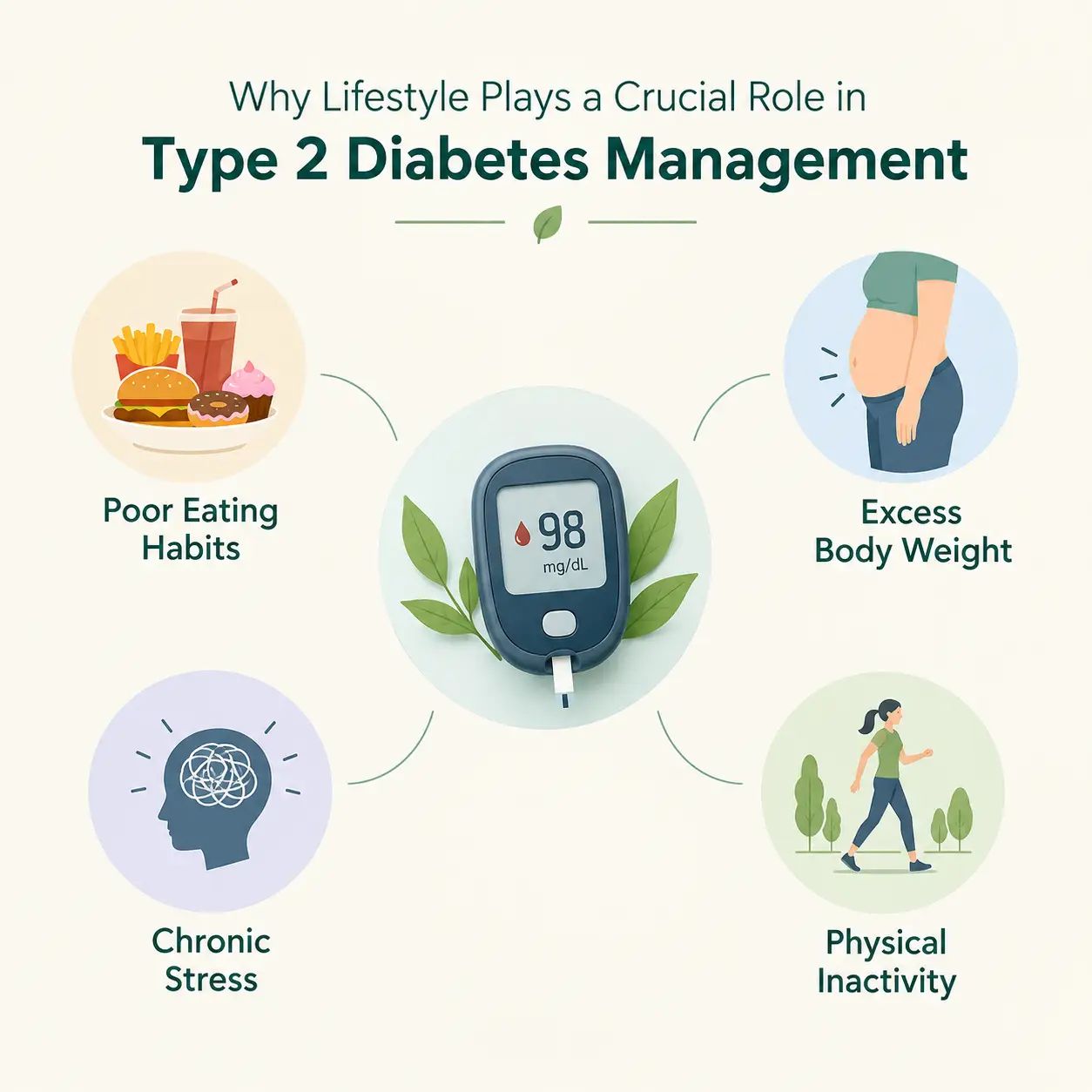
- Poor Eating Habits: Diet plays one of the biggest roles in the development and management of Type 2 diabetes. Regularly consuming foods high in refined carbohydrates, added sugars, unhealthy fats, and ultra-processed ingredients can cause repeated spikes in blood sugar levels. Learning healthy eating habits is therefore an essential part of long-term diabetes management.
- Excess Body Weight: Being overweight, especially carrying excess fat around the abdomen, is closely linked to insulin resistance. Abdominal fat releases hormones and inflammatory substances that interfere with the body’s ability to use insulin effectively. This is why maintaining a healthy weight is often recommended as part of a diabetes care plan.
- Chronic Stress: Stress affects much more than mental well-being. It can also influence blood sugar levels. If stress continues for long periods, blood sugar levels may remain elevated, making diabetes management more challenging.
- Physical Inactivity: Regular physical activity helps muscles use glucose more efficiently, reducing the amount of sugar circulating in the bloodstream. Simple activities such as walking, yoga, stretching, or strength training can improve insulin sensitivity.
How Does Panchakarma Support Diabetes Management
Panchakarma is a therapeutic approach in Ayurveda. It is designed to help cleanse the body, restore balance, and improve overall health. While it is not a cure for diabetes, Panchakarma may support the management of type 2 diabetes.
To learn how Panchakarma may fit into a personalised diabetes wellness plan, explore the Panchakarma Therapy for Diabetes Management page for more information. You can also consult an Ayurvedic physician for personalised guidance.
Here are some key points on how Panchakarma supports people with diabetes:
- Helps Improve Metabolic Balance: Ayurveda considers healthy digestion and metabolism to be the foundation of good health. Panchakarma therapies may help improve digestion and support better utilisation of nutrients.
- Support Natural Detoxification: Panchakarma helps in eliminating accumulated Ama, which Ayurveda describes as metabolic waste resulting from incomplete digestion. Panchakarma supports the body’s natural detoxification processes. Panchakarma aims to create a healthier internal environment that complements other aspects of diabetes management.
- Help Reduce Stress: Chronic stress can make blood sugar levels more difficult to manage by increasing stress hormones such as cortisol. Many Panchakarma programs include calming therapies, yoga, meditation, and breathing exercises that promote relaxation.
- Better Digestion and Gut Health: A healthy digestive system plays an important role in overall wellness. Panchakarma therapies, together with individualised dietary recommendations, aim to improve digestive function and support a healthier gut.
Common Panchakarma therapies used:
- Abhyanga (Herbal Oil Massage)
- Swedana (Herbal Steam Therapy)
- Virechana (Therapeutic Purgation)
- Basti (Medicated Enema)
- Udwarthanam (Herbal Powder Massage)
What is the Role of Naturopathy in Diabetes Management
Naturopathy is a holistic system of healthcare that focuses on supporting the body’s natural healing abilities through healthy lifestyle practices and natural therapies. In the management of Type 2 diabetes, naturopathy does not aim to replace prescribed medications. Instead, it works alongside conventional treatment and Ayurvedic care by encouraging healthier daily habits, improving overall well-being, and addressing lifestyle factors that contribute to poor blood sugar control.
Naturopathy may include supportive therapies such as:
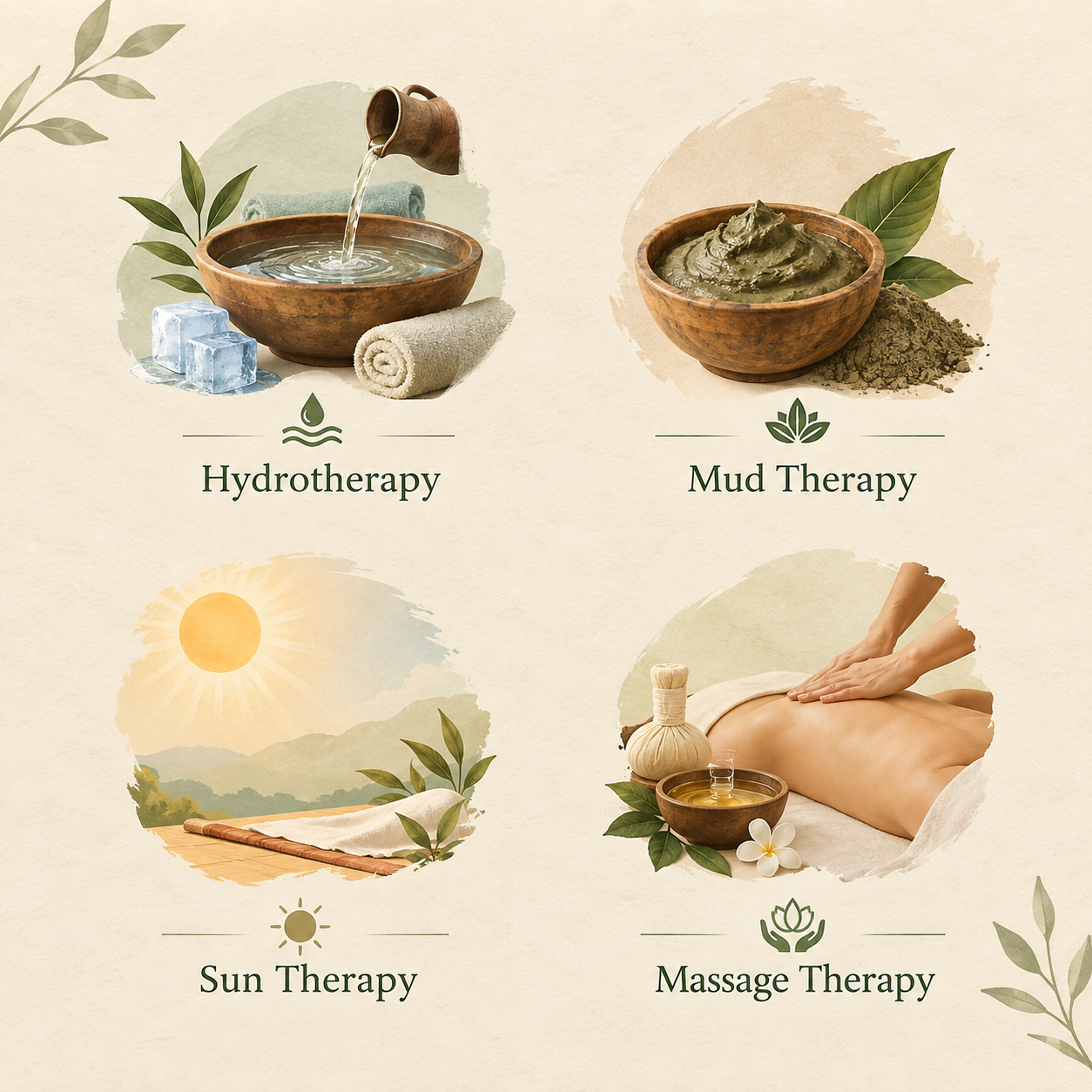
- Hydrotherapy: Uses water in different forms, such as warm or cold applications, to promote relaxation and improve circulation.
- Mud Therapy: Natural mud packs used to provide a soothing effect, improve skin health, and promote relaxation.
- Sun Therapy: Safe exposure to sunlight supports vitamin D production and contributes to overall health.
- Massage therapy helps reduce muscle tension, improve circulation, and promote relaxation.
These therapies are selected based on individual needs and are used as supportive wellness practices rather than direct treatments for diabetes.
How a Dietary Reset Supports Diabetes Management
1. Personalised Meal Planning
Every person with diabetes has different nutritional needs. This ensures that nutrition supports the individual’s overall health while helping maintain stable blood glucose levels.
2. Satvic Nutrition for Better Metabolic Health
In Ayurveda, food is considered one of the most powerful forms of medicine. A satvic diet is designed to be light, nourishing, and easy to digest, supporting better digestion and overall metabolic balance.
3. Mindful Eating Practices
Many people eat quickly, skip meals, or eat while working or watching television. During a residential wellness program, participants are encouraged to eat slowly, chew food properly, and pay attention to hunger and fullness cues. These mindful eating practices may improve digestion and help prevent overeating.
4. Regular Meal Timings
Maintaining consistent meal timings is an important part of diabetes management. Eating at regular intervals helps support stable blood sugar levels and reduces unnecessary snacking. A structured daily routine also allows the digestive system to function more efficiently.
Timeline of a Residential Wellness Program
5. 7–10 Days: Initial Wellness and Lifestyle Reset
A short-term program is ideal for individuals who want to begin their wellness journey or experience Ayurvedic care for the first time.
During this period, participants may receive:
- A detailed health and Ayurvedic assessment
- Personalized dietary guidance
- Introduction to Panchakarma and naturopathy therapies (where appropriate)
- Yoga, meditation, and breathing exercises
- Basic lifestyle counselling and stress management
The primary focus is on initiating healthier habits and helping the body adapt to a structured routine.
6. 14–21 Days: Comprehensive Lifestyle Transformation
A two- to three-week program allows more time for individualised therapies and consistent lifestyle changes.
Participants typically receive:
- Continued physician supervision
- Personalised Panchakarma treatments based on their condition
- Naturopathy therapies and wellness practices
- Daily yoga and meditation sessions
- Satvic nutrition and healthy meal planning
- Regular monitoring of overall well-being
- Lifestyle education for long-term diabetes management
This duration provides enough time to develop healthier habits that can be sustained after completing the program.
7. 21–28 Days or Longer: Long-Term Wellness Support
For individuals requiring more comprehensive care, extended residential programs offer a deeper focus on restoring balance and strengthening long-term lifestyle habits.
Longer stays may include:
- Advanced personalised Panchakarma therapies
- Continued dietary and lifestyle counselling
- Ongoing physician monitoring
- Stress management and relaxation practices
- Guidance for maintaining healthy routines after returning home
- A personalised post-program wellness plan
Why Choose VVAC for a Residential Diabetes Wellness Program
Choosing the right wellness centre is just as important as choosing the right treatment. At Vrindavan Ayurveda Chikitsalayam (VVAC), diabetes management is approached through an integrated wellness model that combines the principles of Ayurveda, Panchakarma, naturopathy, yoga, satvic nutrition, and lifestyle counselling.
Set across a peaceful 25-acre natural campus in the Shivalik foothills, VVAC provides an environment that encourages healing away from the stress and distractions of daily life.
As an NABH-accredited Ayurvedic wellness centre, VVAC follows established quality standards while delivering authentic Ayurvedic care. The focus is not only on supporting blood sugar management but also on improving overall metabolic health, reducing stress, promoting healthy digestion, and encouraging long-term lifestyle transformation.
Vrindavan Ayurveda Chikitsalayam offers residential wellness programs starting from ₹5,500 per day, making personalised Ayurvedic care accessible to individuals seeking a structured approach to diabetes management and overall well-being.
The program cost generally includes:
- Comfortable accommodation in a peaceful natural setting
- Initial consultation and regular supervision by experienced Ayurvedic physicians
- Personalized Panchakarma therapies (as recommended)
- Naturopathy treatments (where applicable)
- Daily yoga and meditation sessions
- Fresh, sattvic meals prepared according to Ayurvedic dietary principles
- Lifestyle and nutritional counselling
- Ongoing monitoring throughout the residential stay
Whether you are looking to improve your diabetes management, adopt healthier lifestyle habits, or experience the benefits of a physician-supervised Ayurvedic wellness program, VVAC provides a holistic environment designed to support your journey toward better health.
Conclusion
Managing Type 2 diabetes is about much more than keeping blood sugar levels under control—it is about building a healthier lifestyle that supports your overall well-being. While medications remain an essential part of treatment for many individuals, lasting improvements often come from addressing the everyday habits that influence metabolic health, including diet, physical activity, stress, sleep, and weight management.
A residential wellness program provides the time, guidance, and structured environment needed to make these positive changes under professional supervision. By combining Ayurveda, Panchakarma, naturopathy, yoga, satvic nutrition, and personalised lifestyle counselling, individuals can learn practical habits that support long-term diabetes management rather than relying on short-term solutions.
At Vrindavan Ayurveda Chikitsalayam (VVAC), every wellness journey is tailored to the individual’s health needs and guided by experienced Ayurvedic physicians. If you’re looking for a holistic and medically supervised approach to complement your existing diabetes treatment, a residential wellness program could be an important step toward improving your overall health and quality of life.
Frequently Asked Questions (FAQs)
1. Can a residential wellness program cure Type 2 diabetes?
No. A residential wellness program is not a cure for Type 2 diabetes. It is designed to support diabetes management by promoting healthier lifestyle habits, improving overall well-being, and complementing conventional medical treatment.
2. Is Panchakarma safe for people with diabetes?
Panchakarma should only be performed after a detailed consultation with a qualified Ayurvedic physician. The therapies are personalised according to an individual’s health condition, medical history, and body constitution to ensure they are appropriate and safe.
3. How long should I stay in a residential wellness program?
The ideal duration depends on your health condition and treatment goals. Many wellness programs offer stays ranging from 7–10 days, 14–21 days, or 21–28 days, with longer programs allowing more time to establish sustainable lifestyle changes.
4. Will I need to stop my diabetes medications during the program?
No. You should continue taking your prescribed medications unless your treating physician advises otherwise. Any changes to medication should only be made under qualified medical supervision.
5. What therapies are included in a residential diabetes wellness program?
Depending on your individual assessment, the program may include personalised Panchakarma therapies, naturopathy treatments, yoga, meditation, satvic nutrition, lifestyle counselling, and Ayurvedic medicines under physician supervision.
6. Who can benefit from a residential wellness program for diabetes?
These programs are generally suitable for adults with Type 2 diabetes who want to improve their lifestyle, manage stress, maintain a healthy weight, and complement their existing diabetes treatment through a holistic approach.
7. What makes VVAC’s diabetes wellness program different?
Vrindavan Ayurveda Chikitsalayam offers NABH-accredited, physician-supervised residential wellness programs that combine Ayurveda, Panchakarma, naturopathy, yoga, satvic nutrition, and personalised lifestyle counselling on a peaceful 25-acre natural campus. Every treatment plan is customised according to the individual’s health condition and wellness goals.
8. How much does a residential wellness program at VVAC cost?
Residential wellness programs at VVAC start from ₹5,500 per day. The final cost depends on the duration of your stay, accommodation preferences, and the personalised treatment plan recommended after your consultation.