Panchakarma treatment for weight loss is very much possible! Believe me. In a world driven by fast diets, extreme workouts, and chemical-based supplements, sustainable and natural weight loss often feels out of reach. Most people try endless weight loss things which are either instant or give magical results, but find themselves to regain the weight back within weeks.
Since you have tried all of it but are still stuck with the same hanging belly, don’t beat yourself. You might be high on cortisol or dealing with hormonal imbalances, which are stopping your weight from shedding. Ayurveda views weight management differently and blames it on dosha imbalance, accumulation of ama (toxins), poor digestive fire, and more.
But today this article is about solutions which are effective, sustainable and natural. Panchakarma treatment for weight loss is one of Ayurveda’s most powerful therapeutic systems that does not just target fat loss.
If you are searching for Panchakarma therapy, Panchakarma near me, or trying to understand Panchkarma cost, this detailed guide will help you.
Why Conventional Weight Loss Fails: The Ayurvedic Perspective
People usually try strict diets, workouts, or quick weight-loss plans, but they often regain the weight after some time. This is because weight management is not only about calories or exercise. It also involves digestion, metabolism, stress, sleep, and daily habits, which can affect healthy weight.
According to Ayurveda, an imbalance in Agni (digestive fire) and Kapha Dosha can contribute to excess weight and poor metabolism. Ayurveda focuses on understanding the root cause rather than just what everyone is doing.
When recommended as part of an individualised Ayurvedic plan, Panchakarma aims to support digestion, dosha balance, and overall metabolic health, along with proper diet and lifestyle changes.
The Three Root Causes of Weight Gain According to Ayurvedic Medicine
Ayurveda explains weight gain as a result of imbalance in three areas, which are as follows –
1. Imbalanced Kapha Dosha
Kapha dominance causes slow metabolism, water retention, lethargy, emotional eating, excessive fat storage and more. Also, this makes natural weight loss extremely difficult, leaving you frustrated of not losing an inch even after diets, workouts, and more.
2. Weak or Imbalanced Agni
In Ayurveda, Agni (digestive fire) plays an important role in digestion and metabolism. When Agni is weak or irregular, digestion may become poor, and the body may not process food efficiently. Ayurveda considers balanced Agni an important part of maintaining healthy metabolism and weight.
3. Unhealthy Lifestyle Habits
Irregular eating patterns, overeating, lack of physical activity, inadequate sleep, excessive daytime sleeping, and chronic stress may contribute to weight gain. Ayurveda emphasises Dinacharya (a healthy daily routine), balanced food, regular movement, and proper sleep to support overall metabolic health.
The Five Panchakarma Therapies for Weight Loss: Mechanism & Clinical Outcomes
Panchakarma includes various Ayurvedic therapies that may support digestion, metabolism, and the body’s balance. The treatment is not the same for everyone. An Ayurvedic doctor selects the therapies based on the person’s body type, Dosha imbalance, digestion, and overall health.
To understand the treatment approach more in detail, you can explore Panchakarma therapy for obesity and weight management and consult an Ayurvedic physician for personalised guidance.
Vamana: Therapeutic Elimination of Excess Kapha
Vamana is an Ayurvedic cleansing therapy mainly used when Kapha Dosha is aggravated. It helps remove excess Kapha from the body and may be recommended for people experiencing heaviness, sluggishness, and related concerns. Vamana is performed only after proper preparation and under the guidance of an Ayurvedic doctor.
Virechana: Supporting Digestion and Metabolic Balance
Virechana is a controlled cleansing therapy that helps remove excess Pitta and support healthy digestion. When suitable for the individual, it may be included in a Panchakarma program to support digestion, metabolism, and proper elimination.
Basti: Supporting Dosha Balance and Elimination
Basti is an Ayurvedic therapy in which medicated oils or herbal preparations are administered rectally. It is traditionally used to balance Vata Dosha and support healthy elimination. Depending on the person’s needs, Basti may be included in a personalized weight-management program.
Udwartana: Herbal Powder Massage for Weight Management
Udwartana is a massage performed using specially selected herbal powders. The gentle friction created during the massage may help improve circulation, reduce feelings of heaviness, and support healthy skin and body tissue. It is often included in Ayurvedic weight-management programs when considered suitable.
Nasya: Supporting the Head, Neck and Stress Balance
Nasya involves applying specially selected Ayurvedic oils or herbal preparations through the nasal passages. It is traditionally used to support the head and neck region and help maintain Dosha balance. It may also be included in a personalized wellness plan when stress and lifestyle factors are involved.
Panchakarma Treatment Protocol: What to Expect During Your 14–21 Day Program
A Panchakarma program is planned according to each person’s health, Dosha imbalance, digestion, and treatment needs. A typical weight-management program may take around 14–21 days, although the duration can vary from person to person.
Pre-Treatment Preparation
Before the main therapies begin, the Ayurvedic doctor assesses your health and creates a personalized treatment plan. Purvakarma, or preparation therapies, may include Abhyanga (oil massage), Swedana (herbal steam therapy), and dietary changes to prepare the body for Panchakarma.
During the Treatment
The main Panchakarma therapies are then performed according to the individual’s health and needs. An individual’s daily routine may include Ayurvedic therapies, prescribed medicines, light Ayurvedic meals, yoga or gentle physical activity, and adequate rest. Doctors and therapists monitor your progress throughout the program.
Post-Treatment Care
After Panchakarma, the body needs time to return to its normal routine. A light, easily digestible diet, sleep, regular physical activity, and healthy daily habits are usually recommended.
A Personalized Approach
There is no single Panchakarma schedule that works for everyone. The therapies, duration, diet, and daily routine are decided by an Ayurvedic physician based on your individual needs and health condition.
Post-Panchakarma Diet & Lifestyle: The 70% Success Factor
In Ayurveda, 70 percent of weight loss success depends on stable food habits. But the majority of people only focus on either dieting or exercising. Which is effective too! But how to go that extra mile to expedite the process of losing weight and the answer lies in controlling portions and selecting food that supports your goal.
Here is the recommended diet after Panchakarma therapy:

Panchakarma vs. Other Weight Loss Methods: Clinical Comparison
There are many ways to manage weight, from calorie-controlled diets and keto plans to exercise programs and, in some cases, bariatric surgery. Each approach works differently and may suit different people. Panchakarma takes a more personalized Ayurvedic approach. Instead of focusing only on calorie reduction, it considers factors such as digestion, Dosha balance, lifestyle, sleep, and overall health.
Panchakarma vs. Calorie Restriction
Calorie restriction mainly focuses on reducing the amount of food and calories consumed. Panchakarma, on the other hand, focuses on supporting digestion, metabolism, and overall balance along with appropriate dietary changes.
Panchakarma vs. Keto Diet
The keto diet significantly reduces carbohydrates and increases fat intake. While it may help some people lose weight, it is not suitable for everyone. Ayurveda generally takes an individualized approach to food, based on digestion, body type, and health needs, rather than following a single fixed diet.
Panchakarma vs. Bariatric Surgery
Panchakarma is a non-surgical Ayurvedic approach that may be used to support healthy weight management through therapies, diet, and lifestyle changes. It should not be considered a substitute for medically indicated surgery. Bariatric surgery is a medical procedure used for certain cases of severe obesity and requires careful medical evaluation.
Which Approach Is Right for You?
There is no single weight-loss method that works for everyone. The right approach depends on your health, weight, lifestyle, medical history, and individual needs. An Ayurvedic consultation can help determine whether Panchakarma is appropriate for your weight-management plan.
Hormonal Rebalancing Through Panchakarma: PCOS, Thyroid & Cortisol
Hormonal changes can make weight management more difficult. PCOS, thyroid disorders, insulin resistance, and chronic stress may affect metabolism, appetite, energy levels, and body weight. In Ayurveda, these symptoms are understood by considering the individual’s Dosha balance, Agni (digestive fire), lifestyle, stress levels, and overall health. Panchakarma may be included a personalized treatment plan to support digestion, metabolism, and overall well-being.
PCOS and Weight Management
Women who are suffering from PCOS may experience symptoms like weight gain, irregular periods, and changes in insulin sensitivity. Ayurveda may combine personalized therapies, diet, exercise, and lifestyle changes to support healthy weight management and daily comfort.
Thyroid and Metabolism
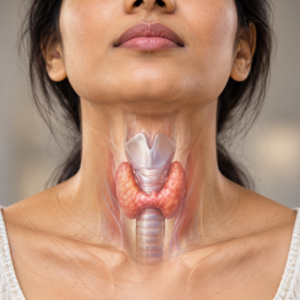
Thyroid hormones, including TSH and thyroid hormones (T3 and T4), play an important role in metabolism. If thyroid function is affecting weight or energy levels, proper medical evaluation and monitoring are important. Ayurvedic therapies may be considered as supportive care based on individual needs, not as a replacement for medical treatment.
Stress, Cortisol and Weight
Long-term stress can affect sleep, appetite, food choices, and weight management. Ayurveda focuses on improving daily routines, sleep, relaxation, and stress management to support how you feel day to day. Therapies such as Shirodhara may be included in a personalized wellness program when appropriate.
A Personalized Approach
Panchakarma is not a one-size-fits-all treatment for hormonal concerns. Before starting treatment, an Ayurvedic doctor may review your symptoms, health history, lifestyle, and relevant medical reports to create a suitable plan. For conditions such as PCOS or thyroid disorders, Panchakarma should complement—not replace—necessary medical diagnosis and treatment.
Cost, Duration & Insurance Coverage at VVAC
If you’re considering Panchakarma for weight management, it is natural to have questions about cost, treatment duration, and insurance coverage. At Vrindavan Ayurveda Chikitsalayam (VVAC), we personalise the treatment plan, so duration and overall cost can vary based on your health condition, treatment needs, and the therapies recommended by the Ayurvedic doctor.
How Long Does the Treatment Take?
A Panchakarma weight-management program generally takes around 14–21 days. However, the exact duration may depend on the person. Your doctor will decide the treatment schedule after an initial consultation and health assessment.
How Much Does Panchakarma Treatment Cost?
The cost depends on the therapies, accommodation, diet, medicines, and duration of your stay. Instead of using a single fixed package for everyone, VVAC creates a treatment plan according to individual needs. You can discuss the complete treatment plan and estimated cost with the hospital team before starting your program.
Is Panchakarma Covered by Insurance?
Insurance coverage for Ayurvedic treatment can vary depending on your policy and your insurance provider’s terms. VVAC is empanelled with CGHS, CAPF, and the Haryana Government, making Ayurvedic healthcare more accessible to eligible beneficiaries.
If you are covered under any of these schemes, it is best to check your eligibility and applicable treatment benefits with the VVAC team before planning your visit.
For private insurance, patients should also confirm coverage, reimbursement rules, and required documents with their insurance provider.
Why VVAC is India’s Premier Panchakarma Center for Weight Management
Vaidyaratnam Vrindavan Ayurveda Chikitsalayam (VVAC) is a residential Ayurveda and wellness centre located in the peaceful surroundings of the Shivalik Hills near Chandigarh. The centre combines traditional Ayurvedic practices with personalized wellness programs to support healthy weight management.
People choose VVAC for its focus on authentic Ayurveda, traditional Kerala Panchakarma practices, experienced Ayurvedic doctors, and a peaceful residential environment.
Here’s why VVAC can be a suitable choice for your weight-management journey through Panchakarma:
1. Naturopathy Therapies for Weight-Management Support
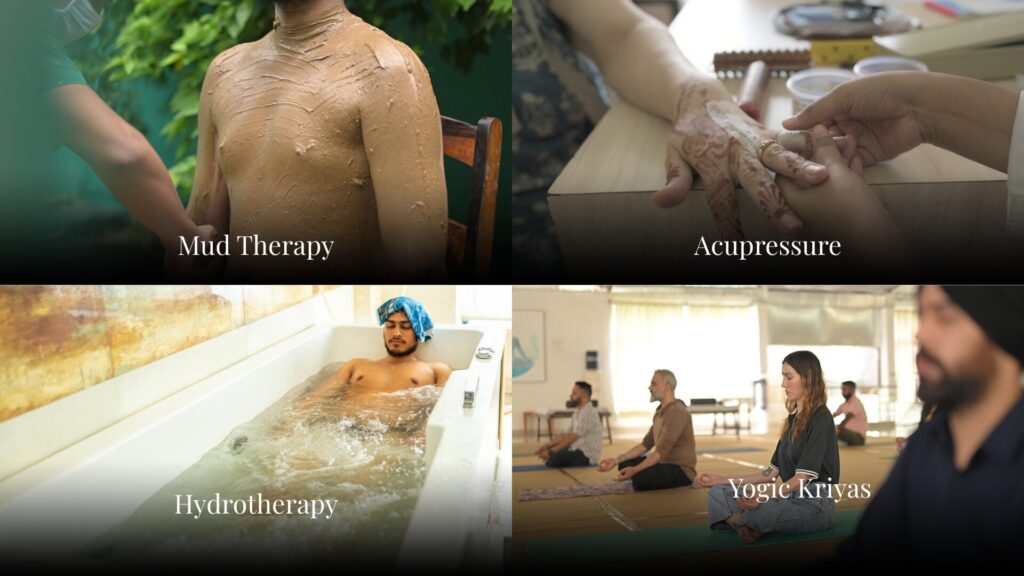
Along with Ayurvedic treatments, VVAC also offers naturopathic therapies like mud therapy and hydrotherapy. These therapies can be included in a personalized wellness program to support relaxation, digestion, circulation, and overall well-being.
2. Traditional Kerala Panchakarma
VVAC follows traditional Ayurvedic principles and Kerala-based Panchakarma practices. The therapies are selected according to your Dosha, digestion, health condition, and individual requirements, rather than following the same treatment plan for everyone.
3. Personalized Weight-Management Programs
Weight gain can happen for different reasons. Diet, lifestyle, digestion, stress, sleep, and other health factors can all play a role. At VVAC, the treatment plan is created after understanding your individual health needs and may include Panchakarma therapies, Ayurvedic diet, yoga, naturopathy, and lifestyle guidance.
4. Experienced Ayurvedic Doctors
Your Panchakarma program is planned and supervised by qualified Ayurvedic doctors. They assess your condition and decide which therapies, diet, medicines, and lifestyle recommendations are appropriate for you.
5. Peaceful Residential Environment
Located in the Shivalik Hills, VVAC provides a calm environment where you can focus on your treatment and daily routine. A structured schedule, Ayurvedic meals, therapies, rest, and healthy lifestyle practices can make it easier to stay focused on your wellness goals.
6. A Complete Approach to Weight Management
At Vrindavan Ayurveda Chikitsalayam, weight management is not viewed as simply losing numbers on the weighing scale. The focus is on supporting digestion, metabolism, daily habits, physical activity, and overall well-being through a personalized Ayurvedic approach.
If you are considering Panchakarma for weight management, an Ayurvedic consultation can help determine whether the program is suitable for you and which therapies may be recommended based on your individual needs.
Classical Ayurvedic Perspective on Weight Gain
Ayurvedic texts describe Medoroga and Meda Vriddhi in relation to excessive accumulation of Meda (adipose tissue), Kapha imbalance, reduced physical activity, and impaired Agni. Charaka Samhita discusses the causes, characteristics, and management of excessive Meda and obesity, while Sushruta Samhita and Ashtanga Hridaya also describe approaches to balancing Doshas and supporting proper elimination and metabolism.
These classical principles form the foundation for understanding how Ayurveda approaches weight management through diet, lifestyle, digestive support, and appropriately selected therapies such as Panchakarma.
Frequently Asked Questions About Panchakarma for Weight Loss
Q: How much weight can I lose with Panchakarma treatment?
A: Weight loss varies by individual constitution and Kapha dominance, but clinical outcomes show 8-12% body weight reduction over a 21-day program with sustained results at 6 months when combined with post-treatment diet and lifestyle. Results depend on adherence to Agni-building protocols and avoiding Kapha-aggravating foods post-treatment.
Q: Is Panchakarma safe for people with thyroid or PCOS-related weight gain?
A: Yes, Panchakarma specifically addresses hormonal imbalances underlying thyroid dysfunction and PCOS by restoring digestive fire, clearing metabolic toxins, and rebalancing endocrine markers. However, treatment must be customized by a qualified Vaidya based on your specific hormonal status and current medications.
Q: How long does Panchakarma treatment take and when will I see results?
A: A complete Panchakarma program typically lasts 14-21 days, with initial results (reduced bloating, improved digestion, increased energy) visible within 7-10 days. Sustained weight loss and metabolic stabilization continue for 3-6 months post-treatment when lifestyle protocols are followed.
Q: What is the cost of Panchakarma treatment for weight loss at VVAC?
A: Panchakarma packages at VVAC range from ₹50,000-₹1,50,000 depending on program duration and customization level. VVAC is empanelled with CGHS, CAPF, Haryana Government, and major private insurers, making treatments partially or fully reimbursable for eligible patients.
Q: Can I regain weight after Panchakarma treatment?
A: Weight regain is prevented through post-treatment adherence to Agni-balancing diet, stress management, and lifestyle modifications outlined in your personalized protocol. Panchakarma resets metabolic baseline, but sustained results require maintaining the recommended sattvic diet and daily routines.
Q: What is the difference between Panchakarma and other Ayurvedic weight loss treatments?
A: Panchakarma is a comprehensive 5-step detoxification system that addresses root causes (weak Agni, Ama toxins, Kapha imbalance) rather than just symptom management. Unlike herbal supplements or single therapies, Panchakarma combines therapeutic emesis, purgation, enema, oil massage, and nasal therapy for complete metabolic restoration.
Q: Do I need to stay at VVAC during Panchakarma treatment?
A: Yes, residential stay is recommended for optimal results as it ensures proper daily treatment sequencing, dietary compliance, stress reduction, and medical supervision. Day-patient programs are available but show lower efficacy due to lifestyle interruptions and incomplete detoxification protocols.
Q: What happens if I have weak digestion or IBS before starting Panchakarma?
A: Pre-treatment Agni assessment is mandatory; weak digestion requires 7-14 days of preparatory therapy (Snehana and Swedana) to strengthen digestive fire before main Panchakarma procedures. This prevents complications and ensures your body can properly eliminate toxins during the detoxification phase.