Have you ever noticed how a blocked nose can cloud your thinking, dull your senses and even affect your mood?
Nasya karma is the solution!
Nasya is more than just a nasal therapy – it is a powerful daily ritual that connects your breath and brain for overall health. When practiced correctly, it can bring clarity, calmness, and balance to your life. Nasya therapy is a gateway to your mental clarity, emotional balance, and holistic head health.
In this fast-paced world filled with stress and sensory overload, Nasya therapy – an ancient Ayurvedic therapy offers a simple yet concrete way to reconnect with your body and mind.
What is Nasya Therapy?
Nasya karma is an ancient Ayurvedic therapy in which medicated oil, ghee drops or powders are administered into your nostrils. It is traditionally mentioned as the process that provides strength to the parts above the level of your clavicle. Fights disorders present above the level of your neck. It is used to cleanse, nourish and rejuvenate your head and neck region.
नासा हि शिरसो द्वारम्।
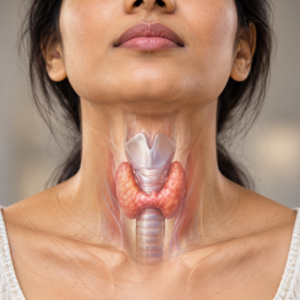
In Ayurveda, the nose is considered as the gateway to your brain. It is believed that if you are having any disorder above your neck, you can win that by Nasya therapy. It works wonders for ailments of your head, nose, ears and even eyes sometimes.
Nasya is one of the five Panchakarma (detoxification) therapies. It is especially formulated to eliminate toxins (ama) from the upper body through the oropharynx. It is a daily detox and nourishment combo for your brain pathways and nervous system.
Key Benefits of Nasya Therapy in Ayurveda
1. Clears Sinuses & Improves Breathing
Nasya therapy helps in removal of excess mucus present in your nasal passage and opens blocked channels. It lubricates your nasal passage, making it easier for you to breathe. Nasya also reduces inflammation, making it effective for sinusitis and allergies.
2. Enhances Mental Clarity & Focus
Nasya stimulates nerve endings in your nasal cavity. This, in turn, promotes your enhanced brain function. Nasya pulls out aama dosha (toxins) present in your brain. Detoxification of your upper channels provides clarity to your nervous system. So, Nasya supports better brain functioning, reduces brain fog, improves memory and boosts your concentration.
3. Relieves Headaches & Migraines
Regular use of Nasya therapy can provide you with permanent relief from headaches. Ranging from normal tension headache to severe and chronic migraines. It reduces aggravated doshas in your head region, as headaches are often due to elevated Vata dosha. By balancing doshas, Nasya helps in alleviating chronic headaches.
4. Promotes Better Sleep
Nasya has a grounding effect on your nervous system. This helps you by relaxing your mind. A relaxed and calm mind leads to sound sleep. So, Nasya therapy helps with your insomnia.
5. Supports Hair Health
Nasya gives nourishment to the tissues connected to your scalp and hair follicles. It strengthens your hair roots significantly thereby reducing hair fall. Nasya therapy also improves the quality and quantity of hair. It provides strength and lustre to your hair strands.
6. Provides healthy and glowing skin
Nasya is the therapy which nourishes your facial tissues. This leaves behind a glowing and smooth skin. It delays the ageing of your skin and gives you wrinkle free and healthy skin.
7. Manages stress and anxiety
By stimulating the nervous system, Nasya therapy helps in regulating your emotional instability. Thus, reducing the symptoms of your anxiety, stress and mood swings. It promotes emotional stability, helping you to respond in a composed way to challenges.
Who should go for Nasya Therapy?
Nasya works at the root level by clearing accumulated toxins (Aama dosha) and balancing the Prana (vital energy) flowing through the head. However, there are certain conditions in which Nasya is specifically beneficial:
- Sinusitis
- Allergic rhinitis
- Brain fog
- Headache
- Poor sleep
- Stress and anxiety
- Migraine
- Lack of concentration
- Heaviness in head
- Epilepsy
- Maniac disorders
- Tinnitus
- Hairfall
- Dandruff
- Greying of hairs
Nasya is commonly discussed in Ayurveda for concerns affecting the head and nasal passages, including sinusitis and allergic rhinitis. If you want to understand the broader Panchakarma approach to these conditions. You can explore Panchakarma Therapy for Allergies and Sinus Issues and consult an Ayurvedic physician for personalised guidance.
How to Perform Nasya at home (Step-by-Step Guide)
Purva karma: The preparation phase – Massage your face and neck with warm herbal oils. This is followed by gentle steaming of the face and neck to open blocked channels.
Pradhana karma: Main procedure – While lying on your back, tilt your head by 15 degrees. Then, administer 2–10 drops of warm medicinal oil into each nostril. You should inhale gently and then lie still for a few minutes.
Pashchata karma: The after-routine – Spit out the oil and mucus present in your throat. Gargle using warm water or herbal water to remove excess medicine.
- Best Timing: Early morning on an empty stomach
- Frequency: 7–14 days for acute conditions or 3-5 times weekly for chronic ones.
Best Oils for Nasya Therapy
Anu Taila – most common oil, mild in nature
Cow’s Ghee – soothing and cooling
Sesame oil – great for dryness and vata imbalance
Types of Nasya Therapy
There are several types of Nasya Karma as mentioned in texts, each type is for a different health need:
- Virechana Nasya – to open the blocked channels using powders.
- Brumhana Nasya – Nourishing type done using medicated oils or ghee.
- Shamana Nasya – Nasya treatment to reduce inflammation and alleviate dosha imbalance.
- Navana Nasya – Herbal oil therapy focused on neurological conditions.
- Pratimarsha Nasya – Daily nasal oil application for overall wellness.
Precautions to Keep in Mind
Nasya is a relatively safe process, but you should avoid it in the following conditions:
- If you have an acute cold, fever, or sinus infection
- Immediately before and after meals
- During pregnancy
- During menstruation
- Very weak body
Nasya is not only a part of the daily regime but, is also a highly specialised part of panchkarma therapy. This must be done only after the proper guidance of Vaidya. As, selection of oil, timing and frequency should be calculated carefully. Otherwise it may lead to side effects.
We at VVAC offer a detailed analysis of your body and mind. Our highly qualified ayurvedic consultant provides you with a prakriti oriented guide. So that you can lead a completely healthy and happy life.
Final thoughts
Nasya is not just a therapy—it is a mindful practice that nurtures your body, sharpens your mind, and restores inner balance. By simply caring for the “gateway to the brain,” you unlock a cascade of benefits that influence your breathing, thoughts, emotions, and overall vitality. In a world where stress, pollution, and fast-paced living constantly challenge our well-being, incorporating Nasya into your routine offers a natural and effective way to pause, cleanse, and realign.
When practiced correctly under proper guidance, Nasya becomes more than a treatment – it transforms into a daily act of self-care and awareness. Whether you seek relief from physical discomforts or a deeper sense of mental clarity and calm, Nasya gently guides you toward holistic health, one breath at a time.
Frequently Asked Questions (FAQs)
- Can I do Nasya karma at any time of the day?
Best time for Pratimarsha Nasya is empty stomach in the morning. Otherwise, you can do it in the evening. But, remember to avoid meals one hour before and after having Nasya.
- Can I use any oil available at home ?
You should use medicated oil according to your prakruti and vikruti. It is better to consult an Ayurvedic doctor.
- Is Nasya procedure painful?
There may be a slight discomfort or a minor burning sensation, but it is not painful.
- What are the precautions during and after Nasya karma?
- Do not consume cold or refrigerated food items.
- Avoid direct AC, fans or sun exposure.
- Do not sleep immediately after the treatment.
- Do not administer right after a bath or don’t take a bath right after the process.
Looking to experience the benefits of Nasya therapy? Consult our expert Ayurvedic practitioners at VVAC for a personalized treatment plan tailored according to your body type (prakriti).
References
- A randomized controlled clinical trial to assess the efficacy of Nasya in reducing the signs and symptoms of cervical spondylosis by C Radhika, G Vinod Kumar, and K Mihirjan – https://pmc.ncbi.nlm.nih.gov/articles/PMC3456869
- Nasya Karmukta with special reference to pharmacodynamics of Nasya by Moharana D, Bhosale S, Guddad S, Hiremath V, Badrinath G – https://jaims.in/jaims/article/view/2337/3110
- Efficacy of Nasya (nasal medication) in coma: A case study by Rajkala S Ramee, Panchakshari D Patil, and Anup B Thakar – https://pmc.ncbi.nlm.nih.gov/articles/PMC4995859