Are you searching for the best Ayurvedic treatment near Chandigarh? You have landed the right place. Ayurveda is a traditional medical system that has been around for ages and is currently growing exponentially. It is a great aid in internal healing and has been a natural source of therapy.
Comparing Ayurveda to modern medicine is not valid, because there may be numerous factors that favor Ayurveda. Further, the entire wellness and naturalness of Ayurveda’s therapeutic methods act as a blessing. Hence, to not experience any adverse effects of Ayurveda, Vrindavan Chikitsalayam will end your quest for the top Ayurvedic treatment near Chandigarh.
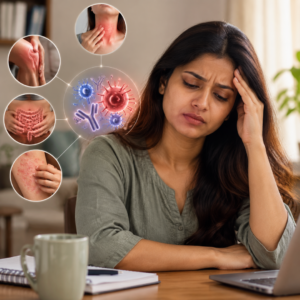
Skin and hair problems can be difficult to manage, especially when symptoms keep coming back. Patients from Chandigarh, Mohali, Panchkula, and nearby areas often look for Ayurvedic care for concerns such as psoriasis, eczema, acne, pigmentation, dandruff, and hair fall. Ayurveda looks beyond the visible symptoms. It considers factors such as diet, digestion, sleep, stress, daily routine, and overall body balance, as well as skin or hair condition. For many patients, this approach offers a personalized treatment plan that may include Ayurvedic medicines, diet changes, lifestyle guidance, and therapies such as Panchakarma. Instead of focusing only on the affected area, Ayurvedic treatment aims to understand the factors contributing to the problem and to support better long-term skin and hair health. In Ayurveda, Kushtha is a broad term used for different types of skin disorders. It does not refer to one particular disease. Classical Ayurvedic texts describe Kushtha as a condition that can develop when the Tridoshas—Vata, Pitta, and Kapha—become imbalanced and affect the tissues of the body. Ayurveda also considers the role of Agni, or digestion and metabolism. When Agni is disturbed, Ayurveda describes the formation of Ama, which refers to improperly processed or accumulated metabolic waste. This is considered one of the factors that can disturb the body’s normal balance. Rakta Dhatu (blood tissue) is also given importance in Ayurvedic descriptions of skin disorders. An imbalance involving Rakta, along with the Doshas, may contribute to changes seen in the skin. Ayurveda classifies Kushtha into Mahakushtha (major types) and Kshudrakushtha (minor types), with different symptoms and patterns described in classical texts. These Ayurvedic concepts are different from modern dermatology. Modern medicine classifies skin diseases according to their clinical features, causes, immune mechanisms, infections, genetics, and other medical factors. Therefore, Kushtha should not be treated as a direct one-to-one equivalent of a modern diagnosis such as psoriasis or eczema. A proper diagnosis is important before choosing a treatment approach. Conventional dermatology mainly focuses on identifying skin conditions and controlling their symptoms. Treatments may include creams, medicines, or other therapies to reduce itching, redness, inflammation, or scaling. Ayurveda focuses on Dosha imbalances, Agni (digestion and metabolism), Ama, diet, lifestyle, and overall health, as well as skin symptoms. Steroids can be useful for controlling inflammation in certain skin conditions, but they are not suitable for long-term use in every case. Long-term use can cause side effects, and symptoms may return when treatment is stopped. In Ayurveda, Agni and Ojas are important for overall health. A healthy Agni is associated with proper digestion and metabolism, while Ojas is traditionally described as supporting strength and vitality. Ayurvedic treatment may therefore combine medicines, diet, and therapies to support overall balance. At VVAC, Ayurvedic treatment for skin and hair disorders is planned according to the patient’s condition, Dosha imbalance, symptoms, digestion, Prakriti, and overall health. The same treatment is not used for every patient. The treatment may include Panchakarma, Ayurvedic medicines, medicated oils, diet changes, and lifestyle guidance. Panchakarma is usually planned in stages: For skin disorders, Ayurvedic formulations such as Manjishthadi and Khadiradi preparations may also be considered. For hair concerns, treatment may include suitable internal medicines, medicated oils, scalp care, and nutritional guidance. The exact sequence, medicines, and duration are decided after assessing the patient. This makes the protocol more personalized rather than following a fixed treatment plan for every skin or hair disorder. Abhyangam is a traditional Ayurvedic oil massage. This gentle massage helps nourish the skin, relax the body, and support circulation. The choice of oil depends on the patient’s condition and Dosha imbalance. Sweda, or herbal sudation, is often used after Abhyangam. Mild therapeutic sweating helps warm the body and may support the removal of accumulated waste through the Ayurvedic detoxification process. Basti is an Ayurvedic therapy in which specially prepared herbal oils or decoctions are administered rectally. In Ayurveda, Basti is mainly used to balance Vata and support the body’s channels and tissues. When used together as part of a personalized treatment plan, Abhyangam, Sweda, and Basti can support the overall Ayurvedic management of skin disorders. The therapies are selected based on the patient’s Dosha, symptoms, strength, and health condition, rather than being applied in the same way to every patient. Ajay came to VVAC with just a small patch of psoriasis on his back that gradually spread and caused him a lot of distress. Our senior doctor examined him and began his personalized Ayurvedic treatment. Fresh medicines were prepared at Kashayapura, and therapies like Takradhara, Kashaya Dhara, and other classical Panchakarma treatments were started. Even after the first session, Ajay noticed a significant improvement. Though his BP briefly dropped to 30, he was carefully monitored and cared for. Within his first stay, symptoms like itching, inflammation, and redness started to settle. We advised Ajay to continue visiting twice or thrice for sustained healing. Note: All health seekers are requested to bring previous medical reports and any ongoing medications when visiting VVAC. In Ayurveda, food choices are recommended according to the Dosha and type of skin disorder. Diet and daily habits can play an important supportive role in skin health. For Pitta-related conditions, the focus is generally on fresh, light, and cooling foods. Foods to include: Foods to limit: Try to maintain a routine. Eat meals at the same times each day and avoid skipping meals or eating very late at night. Get 7 to 8 hours of sleep and include gentle physical activity such as walking or yoga. Stress management is also important. Simple practices such as pranayama, meditation, or a few minutes of quiet breathing can help maintain a balanced daily routine. Most importantly, avoid changing your diet based only on general advice. Skin disorders can differ from person to person, so an Ayurvedic doctor can recommend foods and lifestyle changes according to your Dosha, symptoms, digestion, and overall health. You may always count on Ayurvedic remedies to assist you, no matter the stage of your sickness. Make an appointment today to incorporate the premium Ayurvedic treatments into your life. Basically, with the goal of hastening your recovery using the finest ingredients from nature, handpicked for your overall wellness. Visit Vrindavan Chikitsalayam for top Ayurvedic treatment near Chandigarh, right away, for affordable medical care. Vaidyaratnam Vrindavan Ayurveda Chikitsalayam (VVAC) offers Ayurvedic care for patients looking for a more personalized approach to skin and hair health. VVAC follows traditional Ayurvedic principles along with a structured approach to patient care. VVAC has BAMS-qualified Vaidyas who assess each patient based on their symptoms, health history, Prakriti, and overall condition. Treatments are planned accordingly rather than using the same approach for every patient. VVAC has BAMS-qualified Vaidyas who assess each patient based on their symptoms, health history, Prakriti, and overall condition. Why Chandigarh Patients Choose Ayurveda for Skin & Hair Disorders
Understanding Kushtha: The Ayurvedic Classification of Skin Diseases
How Ayurvedic Treatment Differs from Conventional Dermatology
VVAC’s Comprehensive Ayurvedic Protocol for Skin & Hair Disorders
The Vaidya first examines the condition and decides whether Panchakarma is suitable. Preparatory therapies such as Snehana (oleation) and Swedana (sudation) may be used when appropriate.
Depending on the condition and the patient’s needs, therapies such as Virechana, Basti, Nasya, or other procedures may be selected. The aim is to support Dosha balance and the Ayurvedic cleansing process.
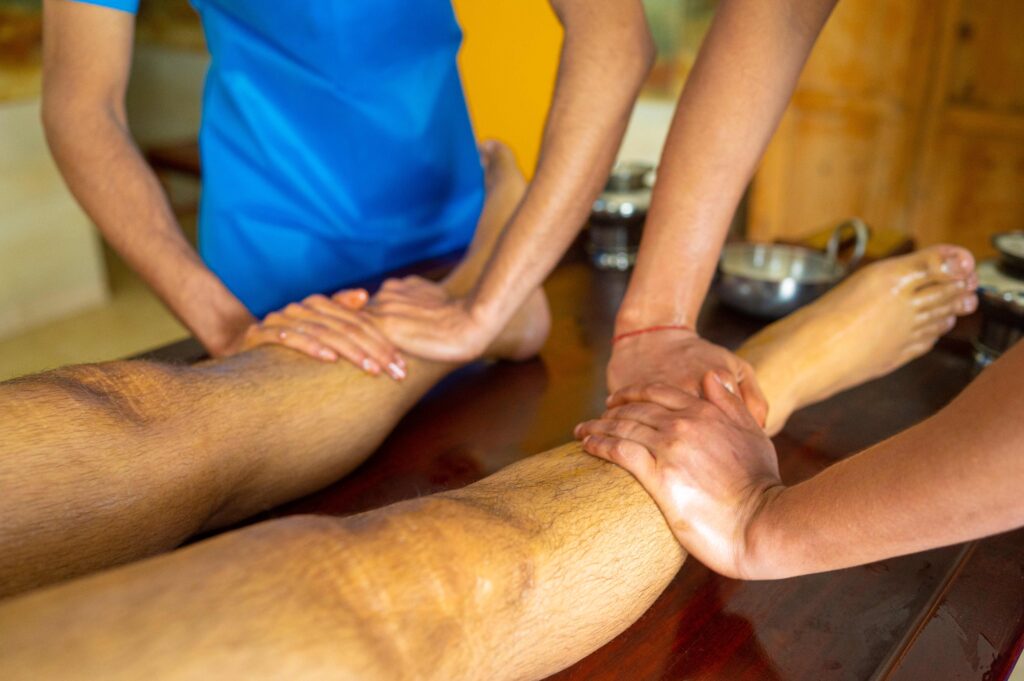
After the main therapy, the focus shifts to recovery and maintaining the improvement. This may include a suitable diet, Ayurvedic medicines, a daily routine, and follow-up care.Abhyangam Sweda & Basti: Core Therapies for Kushtha Management
Patient Success Stories: Real Results from Chandigarh & Nearby Regions
Clinical Case Study: Ajay’s Transformation at VVAC
Dietary & Lifestyle Modifications for Lasting Skin Health
Very spicy, oily, fried, sour, and highly processed foods may aggravate Pitta in some people. Excessive chilli, pickles, fermented foods, alcohol, and very sugary foods are better limited, especially when they seem to worsen symptoms.Daily Regimen for Skin Health
Why VVAC is the Trusted Ayurvedic Clinic Near Chandigarh
The centre also follows the classical Ayurvedic tradition of the Thaikkattu Mooss lineage, with treatments based on traditional Ayurvedic practices. Its NABH accreditation reflects its focus on organized healthcare standards and patient safety.
Located in the Shivalik foothills near Baddi, VVAC is accessible from Chandigarh, Mohali, and Panchkula. Patients travelling from Chandigarh can reach the centre in around 50 minutes, making it a practical option for those seeking Ayurvedic treatment near Chandigarh.
Patient feedback and testimonials also provide insight into the experiences of people who have received treatment at the centre. For anyone considering Ayurvedic care for a skin or hair condition, a proper consultation can help determine whether the treatment approach is suitable for their individual needs.
Classical Ayurvedic References for Kushtha
The Ayurvedic understanding of skin disorders is described in several classical texts. These references can support the discussion of Kushtha, its classification, causes, and treatment principles in this article.
- Charaka Samhita, Chikitsa Sthana 7.4–15 – Kushtha Chikitsa: Describes the classification and management of Kushtha, including the 18 classical types of skin disorders.
- Sushruta Samhita, Uttara Tantra 40.1–50 – Kushtha Nidana and Chikitsa: Discusses the causes, development, symptoms, and treatment principles of Kushtha.
- Bhava Prakasha, Haritakyadi Varga: Describes medicinal herbs traditionally used in Ayurvedic management of disorders involving Rakta Dhatu and skin health.
These classical references provide the Ayurvedic foundation for understanding Kushtha. Modern skin conditions should still be diagnosed separately, as Ayurvedic classifications do not always correspond directly to modern dermatological diagnoses.
Frequently Asked Questions About Ayurvedic Skin Treatment
Q: How long does Ayurvedic treatment take to cure psoriasis or eczema?
A: Classical Ayurvedic treatment for chronic skin disorders typically requires 45-60 days of intensive Panchakarma therapy, followed by 3-6 months of maintenance with herbal formulations and dietary protocols. Results vary based on disease chronicity, Dosha involvement, and patient compliance with lifestyle modifications.
Q: Is Ayurvedic skin treatment safe compared to steroid creams?
A: Yes, Ayurvedic therapies address root causes (Ama, Dosha imbalance, Agni weakness) rather than suppressing symptoms, eliminating steroid rebound effects and long-term skin atrophy. However, abrupt steroid discontinuation requires medical supervision; VVAC guides safe tapering during Ayurvedic transition.
Q: Can Ayurveda treat hair loss and skin disorders simultaneously?
A: Absolutely, both conditions stem from Pitta-Vata imbalance and Rakta Dhatu depletion; Panchakarma therapies like Basti and Abhyangam Sweda simultaneously restore scalp circulation and skin barrier function, addressing alopecia and dermatitis together.
Q: What is Kushtha in Ayurveda, and how does it relate to modern psoriasis?
A: Kushtha is the classical Ayurvedic term for 18 types of skin diseases caused by Tridosha imbalance and Ama accumulation in Rakta and Mamsa Dhatus. Modern psoriasis correlates with Pitta-Vata Kushtha, characterized by dry, scaly patches and chronic inflammation.
Q: Do I need to stay at VVAC for intensive Ayurvedic skin treatment?
A: VVAC offers both residential (in-patient) and day-care Panchakarma programs. Residential treatment (45-60 days) ensures optimal results through continuous therapy, dietary control, and lifestyle management; day-care is suitable for mild cases or maintenance phases.
Q: What dietary changes are recommended during Ayurvedic skin treatment?
A: Avoid Pitta-aggravating foods (spicy, salty, sour, fried); emphasize cooling, easily digestible foods (ghee, milk, rice, mung beans, leafy greens). Include Rakta-Shodhana herbs (Manjishtha, Neem, Turmeric) in daily diet to accelerate skin healing.