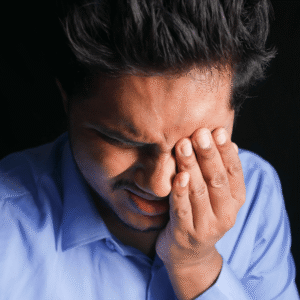
A migraine is a headache of varying intensity, usually on one side of the head. It’s often accompanied by nausea, vomiting, and extreme sensitivity to light and sound. Migraine is a neurological disorder. Read below not only the causes and concerns regarding Migraine but also the best Ayurvedic Migraine treatment.
What is Migraine in Ayurveda? Understanding Ardhavabhedaka
In Ayurveda, migraine is described as Ardhavabhedaka which is one of the types of the 11 Shiro roga (Headache Disorders). It is a major health issue among people having sleep disorders, depression, anxiety, and other pain conditions.
All three Doshas (bio elements), that are Vata, Pitta, and Kapha are involved in the pathogenesis of the Ardhavabhedaka with the predominance of Vata or Vatakapha.
Classical Ayurvedic texts, including the Charaka Samhita, describe Ardhavabhedaka among the disorders of the head and discuss its causes, symptoms, and management.
While Ardhavabhedaka shares some features with what modern medicine calls migraine, the two concepts should not be considered exactly identical. Ayurveda approaches the condition by looking at the individual’s Dosha, digestion, lifestyle, triggers, and overall health, and treatment is planned accordingly.
Dosha Imbalance & Migraine Pathogenesis: Vata-Pitta-Kapha Role
According to Ayurveda, migraine develops when the Doshas become imbalanced and affect the functioning of the head and nervous system.
Vata Dosha
An aggravated Vata Dosha may lead to sharp, throbbing, or shifting headache pain. It can also be associated with sensitivity to sound, restlessness, and irregular sleep.
Pitta Dosha
When Pitta is aggravated, headaches may feel intense or burning and can be accompanied by nausea, irritation, and sensitivity to light. Heat, spicy foods, stress, and prolonged sun exposure may aggravate Pitta in some people.
Kapha Dosha
Excess Kapha may cause a feeling of heaviness, congestion, dull headache, and sluggishness. Some people may also experience nausea or a blocked feeling in the head.
In many cases, more than one Dosha may be involved. Ayurveda therefore looks at the pattern of symptoms, triggers, digestion, lifestyle, and individual constitution before deciding on an appropriate treatment approach.
Panchakarma Therapies for Migraine: Shirodhara, Shiro Basti & Virechana
Ayurveda uses different therapies to manage headaches and migraines. The treatment is selected according to the person’s Dosha imbalance, symptoms, triggers, digestion, and overall health. Three commonly used therapies include Shirodhara, Shiro Basti, and Virechana.
If you want to understand the Ayurvedic approach to Migraine and Chronic Headaches in more detail, you can explore this treatment guide and consult an Ayurvedic physician for personalised advice.
Shirodhara
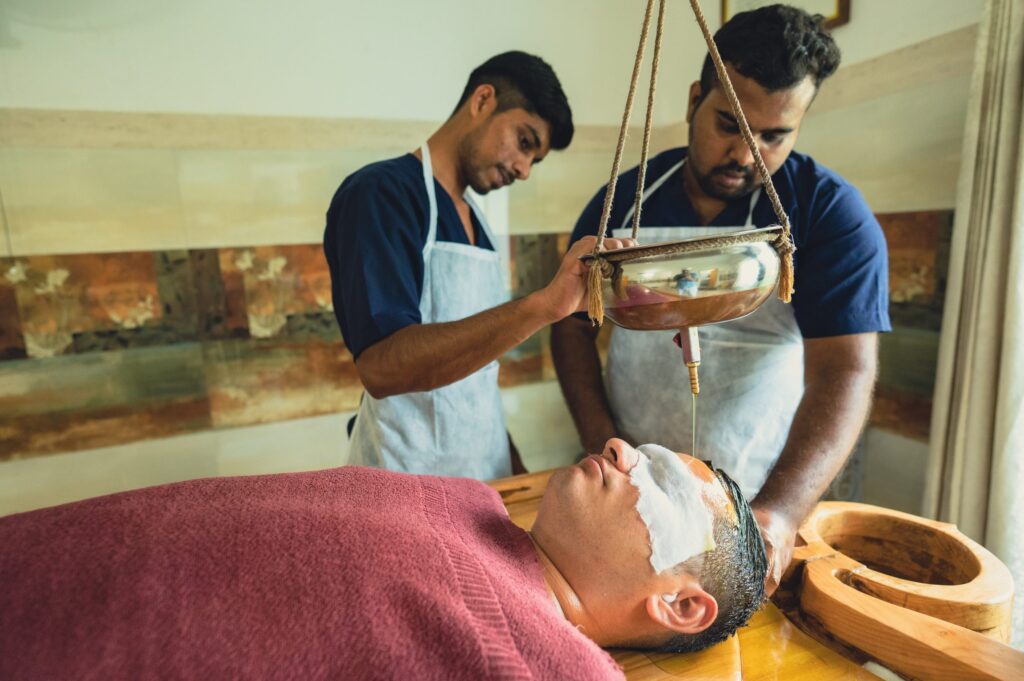
Shirodhara involves gently pouring a steady stream of warm medicated oil or other suitable liquid over the forehead. It is often used to promote relaxation and calm the mind. It may be helpful for people whose headaches are associated with stress, poor sleep, or mental fatigue.
A session usually lasts around 30–45 minutes, depending on the treatment plan. The number of sessions varies from person to person.
Shiro Basti
Shiro Basti involves placing a specially prepared ring around the head and filling it with warm medicated oil for a specific period. The therapy is traditionally used to nourish and calm the head region and may be considered when Vata-related headache symptoms are present.
The duration and number of sessions are decided by the Ayurvedic physician based on the individual’s condition.
Virechana
Virechana is a controlled Ayurvedic cleansing procedure traditionally used to help remove aggravated Pitta through therapeutic purgation. It may be considered when headaches are associated with Pitta-related symptoms such as heat, burning sensation, irritability, or nausea.
Unlike Shirodhara and Shiro Basti, Virechana is a classical Panchakarma procedure and requires proper preparation and medical supervision.
What Results Can You Expect?
The response to Ayurvedic treatment is different for everyone. Depending on the underlying factors, the treatment may aim to reduce the frequency or intensity of headaches, support better sleep and relaxation, and improve overall well-being. Your Ayurvedic doctor will decide the most suitable therapy and treatment duration after assessing your condition.
Click on the image below and take our 5-minutes quiz to know the imbalance dosha in your body and get it treated at VVAC.

Classical Ayurvedic Migraine Treatment
Ayurveda, with its 5000-year-old science, gives a unique way to understand migraine. Ayurveda provides a holistic approach to understanding a patient’s unique Dosha type and balancing these Doshas. In Ayurveda, various herbs, panchakarma therapies, yoga, diet, lifestyle changes, and meditation have been mentioned for an effective ayurvedic migraine treatment.
We at Vaidyaratnam Vrindavan Ayurveda Chikitsalayam, which is one of the best Ayurvedic Hospitals near Chandigarh, combine the Ayurvedic approach with modern equipment for positive results.

Ayurvedic Herbal Formulations for Migraine: Rasa Aushadhi, Kwatha & Vati
Along with therapies such as Shirodhara and Virechana, Ayurveda may use herbal medicines to support people dealing with recurring headaches and migraine-like symptoms.
Rasa Aushadhi
Rasa Aushadhi refers to Ayurvedic formulations that may contain processed minerals, metals, or other ingredients. These medicines are highly concentrated and should only be taken when prescribed by a qualified Ayurvedic physician.
Kwatha (Herbal Decoctions)
Kwatha, or herbal decoctions, are prepared by boiling selected herbs in water. Herbs such as Brahmi, Shankhapushpi, and Jatamansi are traditionally used to support mental relaxation, sleep, and nervous system balance.
Vati (Tablets)
Vati are Ayurvedic tablets or pills prepared from one or more herbal ingredients. Different Vatis may be recommended for different types of headaches.
Migraine Triggers & Dosha-Specific Prevention Strategies
Migraine triggers can be different for everyone. Poor sleep, long gaps between meals, dehydration, stress, excessive screen time, strong smells, and certain foods can trigger headaches in some people. Ayurveda looks at these habits as an imbalance of doshas.
Vata-Type Triggers
Vata can be disturbed by irregular meals, lack of sleep, stress, and an unstable routine. Maintaining all these habits may help maintain balance.
Pitta-Type Triggers
Pitta may be aggravated by excessive heat, spicy foods, prolonged sun exposure, anger, and skipping meals. Staying cool, eating on time, limiting very spicy foods, and taking regular breaks from stressful activities can be helpful.
Kapha-Type Triggers
Kapha may become aggravated by oversleeping, physical inactivity, heavy meals, and a sedentary routine. Regular movement, lighter meals, avoiding excessive daytime sleep, and maintaining an active daily routine can help support balance.
Ayurvedic Diet for Migraine Headache
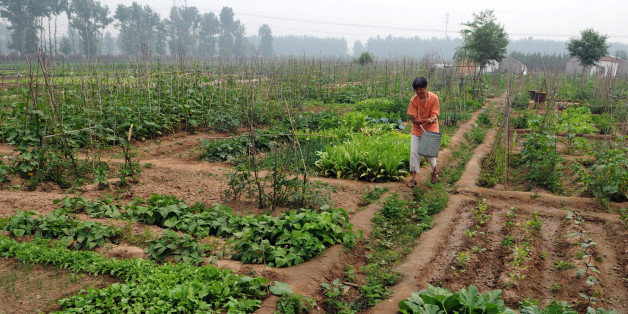
- Consume a Pitta pacifying diet or cooling foods such as cucumber, milk, pears, coconuts, pomegranates, pulses, nuts, and seeds.
- Avoid heavy, astringent, acidic, bitter, sour, salty, and pungent foods
- Avoid tomatoes, garlic, meat, stale, radishes, chili, butter, yogurt, frozen, canned, and processed foods
- Drink plenty of water to stay hydrated
- Take a light meal in the morning and at night
- Eat wholesome foods that are fresh and organic
Yoga for Migraine Headaches
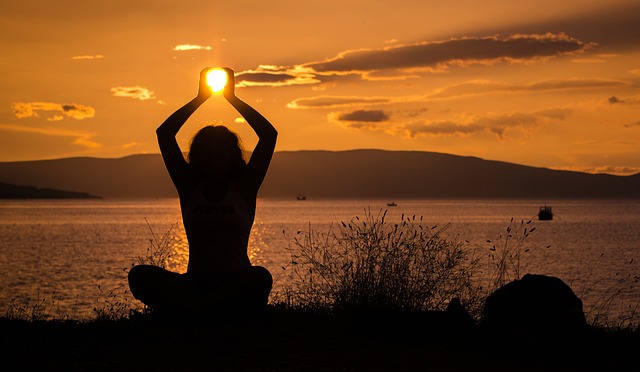
Stress can trigger both migraines and tension headaches, yoga can undoubtedly help to prevent this type of headache. Practicing Yoga can also help with tension in the muscles of the neck, back, and head. Yoga helps to relax the tight muscles and improve blood circulation in that region. Yoga helps to calm the mind as well. Various yoga therapies beneficial in migraine are-
- Legs-up-the-wall pose (Viparita Karani)
- Reclining Bound Angle Pose Supta Baddha Konasana
- Half plow pose (Ardha Halasana)
- One-legged forward bend (Janu Sirasasana)
- Seated forward bend (Paschimottanasana)
Lifestyle Changes to Manage Migraine
- Avoid exposure to mid-day sunlight and cold winds
- Follow a proper sleep of seven to eight hours
- Try to relieve stress and boost your mood with powerful relaxation techniques such as deep breathing, meditation, etc.
- Suppression of natural urges like sneezing, shedding tears, defecation or urination should be avoided
- Avoid drinking and smoking
Clinical Results: Chronic Migraine & Menstrual Migraine Case Outcomes
At Vrindavan Ayurveda Chikitsalayam (VVAC), the progress of patients undergoing Ayurvedic care is assessed based on factors such as headache frequency, pain intensity, duration of episodes, associated symptoms, sleep, stress levels, and daily activities.
Chronic Migraine
For patients with recurring or chronic migraine, the treatment plan may combine personalized Ayurvedic therapies, herbal medicines, diet changes, and lifestyle guidance. Progress is usually monitored over several weeks to understand changes in the frequency and intensity of headache episodes.
Menstrual Migraine
Some women experience migraine attacks around their menstrual cycle. In these cases, the treatment approach may also consider sleep, stress, digestion, diet, menstrual patterns, and individual Dosha imbalance. Patients may be encouraged to maintain a headache and menstrual diary to identify recurring patterns and triggers.
How Progress Is Monitored
Rather than looking at only one symptom, follow-up may consider:
- Number of migraine episodes per month
- Intensity and duration of headaches
- Nausea or sensitivity to light and sound
- Use of rescue or pain-relief medication
- Sleep quality and stress levels
- Impact on work and everyday activities
Treatment duration and follow-up schedules vary from person to person. Any improvement should be assessed over time rather than expected after a single therapy or session.
Ayurvedic Migraine Treatment vs. Modern Medication: Why Holistic Works
Modern migraine medicines are mainly used to reduce pain, control symptoms, or prevent migraine attacks. They can be an important part of migraine care, especially when headaches are frequent or severe. Ayurveda takes a holistic approach rather than looking only at the headache.
Like modern medicines, Ayurvedic medicines and therapies can also have risks or side effects if they are used incorrectly. This is especially important with concentrated formulations such as Rasa Aushadhi. Treatment should therefore be taken under the guidance of a qualified Ayurvedic physician.
Ayurveda should not be considered a replacement for necessary medical treatment. A holistic approach can instead be used alongside appropriate medical care, depending on the individual’s condition.
Classical Ayurvedic References
The classical Ayurvedic texts provide detailed descriptions of headache disorders, including Ardhavabhedaka, a condition characterized by severe pain affecting one side of the head.
- Charaka Samhita, Siddhi Sthana 9 – Discusses Ardhavabhedaka among the additional varieties of Shiroroga.
- Sushruta Samhita, Uttara Tantra 25 – Describes the classification of Shiro Roga and explains the characteristic features of Ardhavabhedaka.
- Sushruta Samhita, Uttara Tantra 26 – Discusses therapeutic approaches for Ardhavabhedaka and other head disorders.
- Ashtanga Hridaya, Uttara Tantra 23 – Describes Ardhavabhedaka and other disorders of the head, including their characteristic features.
These classical descriptions provide the Ayurvedic foundation for understanding migraine-like headache patterns through the concepts of Dosha imbalance, symptom patterns, and individualized management.
Frequently Asked Questions About Ayurvedic Migraine Treatment
Q: How long does Ayurvedic migraine treatment take to show results?
A: Most patients experience a 30- 40% symptom reduction within 2-3 weeks of Panchakarma therapy combined with herbal formulations. Complete remission typically requires 6-12 weeks, depending on migraine chronicity and dosha imbalance severity.
Q: Is Shirodhara effective for chronic migraine relief?
A: Yes, Shirodhara (warm medicated oil flow on the forehead) directly calms Vata dosha and reduces neurological hyperactivity. It is particularly effective for Vata-dominant migraines with 60-70% efficacy when combined with Shiro Basti and dietary modifications.
Q: Can Ayurvedic treatment cure menstrual migraine permanently?
A: Ayurvedic treatment addresses the root hormonal and Pitta imbalance causing menstrual migraine through Virechana therapy and Pitta-pacifying herbs like Brahmi and Shatavari. Most patients achieve 80%+ reduction in frequency and intensity within 3-4 menstrual cycles.
Q: What is the difference between Shamana and Shodhana therapy for migraine?
A: Shamana (pacificatory) uses herbs and lifestyle changes to balance doshas without purification, suitable for mild migraines. Shodhana (purification) uses Panchakarma procedures like Vamana and Virechana to eliminate deep-rooted toxins, recommended for chronic or severe migraines.
Q: Are there any side effects of Ayurvedic migraine treatment?
A: Ayurvedic treatments are natural and non-toxic with minimal side effects when administered by qualified Vaidyas. Temporary mild detoxification symptoms (fatigue, loose stools) may occur during Panchakarma but resolve within days as the body purifies.
Q: Can I combine Ayurvedic migraine treatment with modern medications?
A: Yes, Ayurvedic treatment can complement modern medications under medical supervision. Many patients gradually reduce pharmaceutical dependency as Ayurvedic therapies address root causes; always consult both your Vaidya and neurologist before adjusting medications.