Everyone wants glowing skin, a light stomach, better energy, and less stress. Basically, a body that feels “clean” from within. And because of this, detoxing has become the trend of the decade. However, the big confusion is whether these quick modern cleanses are enough or if classical Panchakarma treatment is a more effective, sustainable solution?
This article breaks down Panchakarma therapy versus modern detoxes, comparing their safety, results, duration, costs, and other relevant parameters.
Understanding Ayurveda V/S Modern Detox: Why this Debate Matters
The detox trend exploded because people have always been in search of fast fixes for fatigue, bloating, brain fog, weight gain, and low immunity. Ayurveda brings a centuries-old time time-tested classical Panchakarma treatment that targets the root cause of the ailments, while modern detox trends often offer quick, marketing-driven solutions. Although not all of it about Modern Detox is true, let’s find out!)
If you care about long and sustainable results and not short bursts, you need to understand the difference before you spend time or money on a program.
The Ayurvedic Detox – How Panchakarma Works
Panchakarma treatment is the classical Ayurvedic detox and rejuvenation system. It is not a single therapy, instead a sequence of therapies designed to remove accumulated toxins (amas) by balancing doshas (Vata, Pitta, and Kapha), and rebuild tissue strength (dhatus).
When people ask “What does Panchakarma treatment include?”, the answer is “Personalised preparatory therapies, main cleansing therapies, and post-cleansing rejuvenation.
The Three Phases of Panchakarma Treatment
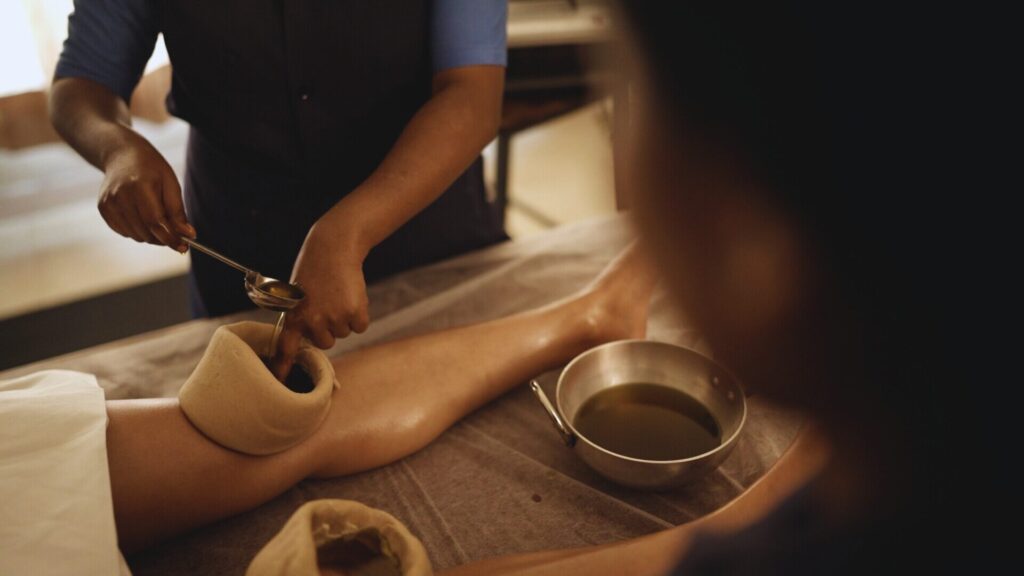
- Purva Karma (Preparation): Internal and external oleation (snehapana), oil massage (abhyangam), and steam (swedana). These pre-preparatory Panchakarma treatments move the toxins into the gastrointestinal tract for further expulsion.
- Pradhana Karma (Main Cleansing): The five principal procedures that are Vamana (therapeutic emesis), Virechana (purgation), Basti (medicated enema), Nasya (nasal therapy), and Raktamokshana (bloodletting) become core Panchakarma therapy.
- Paschata Karma (Post-care/ Rejuvenation): It includes diet, herbs, rasayana, dietetic and lifestyle advice to rebuild agni (digestive fire) and maintain results.
Also, classical Panchakarma is a medical protocol with diagnosis, doctor supervision and wisdom, and sequential steps that are different from quick modern detox fixes.
How Panchakarma Detoxifies: Step By Step Benefits
1) Mobilise (Snehana & Swedana): Oils used in the Panchakarma treatments soften tissues and open blocked channels. Also, the steam encourages movement of ama towards the gut. Its benefits include reduced stiffness, improved circulation, and initial relief from congestion.
2) Elimination: Targeted removal of toxins from the body, lungs, stomach (Vamana), liver/intestine (Virechana), colon (Basti), head/nasal passages (Nasya). Notable benefits of this stage are the removal of deep-seated toxins that target the root cause of the ailment.
3) Rebuild (Rasayana & Diet): After cleansing, nourishing the body is essential. Nourishing therapies rebuild tissues, strengthen the immunity, and stabilise the digestive process. Speaking about the benefits, improved energy levels, longevity, and sustained metabolic balance are some.
Modern Detoxes: Types, Trends, and Origins
Modern detox culture didn’t just appear out of nowhere. It grew from social media trends, celebrity endorsements, quick-fix, our expectation to restore health instantly, and a global desire to “reset” after overeating, stress, and fast lifestyles.
Today, detox has become a hot-selling word, which attracts a lot of people to include and adopt it in their lifestyles. Below is a complete list of every major modern detox trend that we are becoming a victim of.
1. Juice Cleanses: People follow a juice cleanse hoping for fast weight loss, toxin flushing, glowing skin, or high energy. It usually involves drinking fruit and vegetable juices throughout the day while skipping solid meals, especially breakfast, which is contrary to Ayurvedic principles.
Yes, fruit and vegetable juices with pulp provide vitamins, minerals, and hydration. The idea is simple: flooding the body with vitamins, reducing digestive load, and flushing toxins quickly. Alas, what most people do is drink stripped juices with zero fibre, which spikes blood sugar and leads to temporary energy crashes.
Contrary to what people believe, while doing a juice cleanse or modern detox, it only reduces water and glycogen, not fat.
2. Smoothie or “Liquid Meal” Detoxes: Smoothies took over social media through American wellness influencers, Instagram food bloggers, and TikTok diet trends. Smoothies were marketed as “better than juices” because they include fibre, protein powders, nut butters, or seeds, making them feel more complete.
Influencers began posting “What I eat in a day” videos featuring green smoothies, açai bowls, protein shakes, and detox blends, creating the illusion of perfect health.
However, most smoothie detoxes still replace full meals, disrupt natural hunger pangs, and overload the gut with cold, raw, heavy foods. Ayurveda warns that raw foods, especially in liquid form, weaken digestion, increase Vata, and cause bloating.
3. Intermittent Fasting Detoxes: Intermittent fasting is famous due to its weight-loss benefits. People follow 16:8 fasting, OMAD (One Meal A Day), Warrior Diets, and 24:48-hour fasts. When people fast, they believe an improvement in insulin sensitivity and a reduction in inflammation.
However, in the name of detox, people often skip essential nutrition, push their limits, crash later with overeating, increase cortisol, and disrupt menstrual cycles. Ayurveda supports mindful fasting but occasionally warns against rigid suppression of hunger.
4. Water-Only Fasts & Dry Fats: It might seem like a very fancy and effective modern detox trend, but it is very dangerous when attempted without supervision. People opt for only water-only and dry fats (no food, no water), which can be extremely risky.
These fats cause electrolyte imbalance, dizziness, weakness, and in severe cases, kidney stress too. Ayurveda never recommends dry fasting because dehydration increases Vata drastically.
5. Supplement-Based Detox Kits: In the name of modern detoxes, supplement-based detox kits are sold as “Liver cleanses”, “Parasite detoxes,” or “5-day reset kits.” These products often combine laxatives, diuretics, and digestive stimulants. Although using these kits may help with digestion instantly, however; most kits are overly harsh on the body.
Many health seekers have experienced diarrhoea, cramps, weakness, and gut irritation.
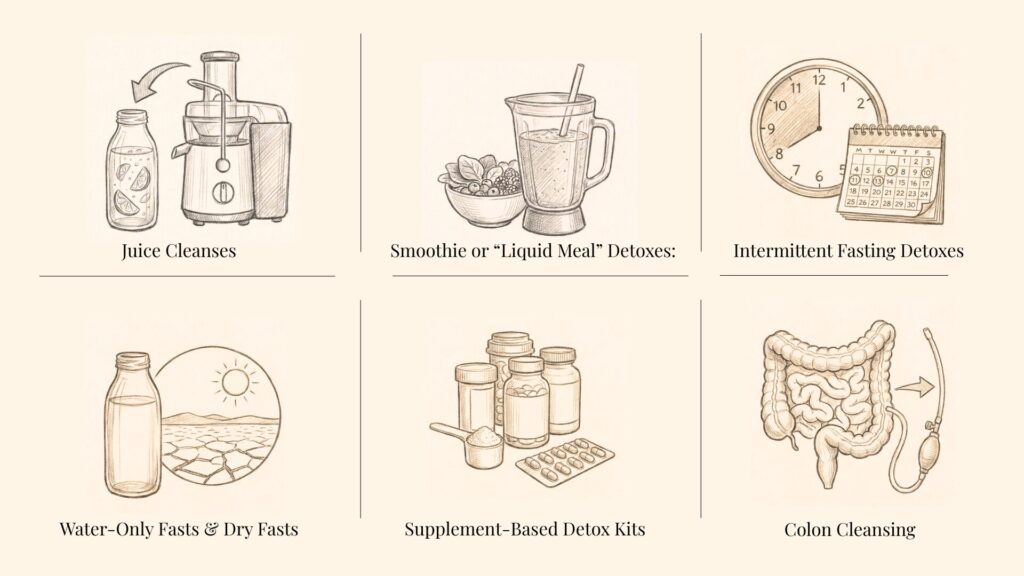
6. Colon Cleansing: This therapy involves flushing the colon with water or an herbal solution to release all the stuck, accumulated, and undigested food and metabolic waste from the large intestine. While it may relieve temporary constipation, frequent colonics disrupt gut flora, cause electrolyte imbalance, and weaken colon muscles. Whereas Ayurveda prefers Basti, a medicated enema that is therapeutic and not a forceful wash.
Clean Eating: A Misunderstood Modern Detox Trend
“Clean Eating” started as a simple idea, which meant eating fewer processed foods and more natural, whole ingredients. Although a great concept, social media turned it into an extreme lifestyle that now creates guilt, fear, and nutritional imbalance. To put it simply, Clean Eating comes with its own good and bad.
Today, clean eating modern detox trend often means:
- Cutting carbs completely
- Eliminating fats
- Avoiding diary entirely
- Skipping grains
- Going 100% raw
- Eating only “Clean” smoothies or salads
- Demonising good sugars too
And this is where the problem begins. Because our body is a complex biochemical system designed to thrive with balanced inputs. For example –
- Carbs for energy and brain function
- Fats for hormones, skin, joints, and cell repair
- Proteins for muscle, immunity, and enzymes
- Minerals & Vitamins for every metabolic process
- Fibre for gut and digestion
- Water for detox and temperature control
The moment you eliminate one major food group because it’s “not clean,” the body goes into compensation mode and creates long-term damage. Ayurveda has always emphasised “Mita Ahara, Hita Ahara, Satmya Ahara” (Eat in moderation, eat what suits the body, and eat balanced food)
This is why Ayurvedic detoxes like Panchakarma strengthen digestion, instead of weakening it the way extreme detox diets do.
Panchakarma V/S Modern Detox
| Factor | Panchakarma Treatment | Modern Detox |
| Duration | Classical Panchakarma treatments usually last 7-28 days with medically guided steps | Typically 1-10 days with self-directed plans |
| Approach | Holistic, ayurvedic doctor-led therapy targeting root imbalance | Trend-driven, short-term routines targeting quick results |
| Goal | Long-term healing through toxin removal and dosha balance | Rapid weight loss, temporary debloating, or quick energy fix |
| Safety | Safe when done properly; therapies follow classical guidelines | Variable safety; extreme fasting or teas can cause long-term harm |
| Personalisation | Fully customised based on dosha, agni, age, and condition | One-size-fits-all, rarely personalised to individual needs |
| Evidence | Supported by traditional texts and growing modern research | Limited clinical research; many claims are influencer-driven |
| Side Effects | Mild fatigue, loose stools, or detox symptoms if mismanaged and safe under medical care | Dizziness, weakness, nutrient deficiency, bloating, constipation, cramps, hormonal imbalance, rebound weight gain |
| Cost | Higher upfront due to therapies, doctors, and medicines | Usually cheaper but may lead to repeated cycles |
| Long-Term Results | Results last months to years when lifestyle advice is followed | Benefits fade quickly once normal eating resumes |
| Post-Care | Structured Rasayana and diet plan to maintain results | Rarely includes aftercare; people return to old habits |
Where Each Detox Really Helps
Panchakarma works best for:
- Chronic digestive imbalance (IBS, Chronic constipation)
- Autoimmune tendencies and systemic inflammation
- Chronic fatigue, hormonal imbalances, metabolic syndrome
- Long-standing skin diseases, joint degeneration (as part of broader plan)
- Mental stress, insomnia, anxiety tied to dosha imbalance
Modern Detox works best for:
- Short-term relief from water retention and bloating
- Safe supervised intermittent fasting with medical input
- Some clinical use of fasting for glucose/insulin improvements
Pick the Right Detox: A Practical Call
| Define Your Goal If it includes treating chronic symptoms, autoimmune, body complaints, or needs a deep bodily reset, choose classical Panchakarma treatments. Whereas modern detox helps in short-term jumpstart or quick weight loss results |
| Assess Medical Background Chronic ailments, medications, pregnancy, or age considerations prefer physician-led Panchakarma or medically supervised detox. |
| Consider Duration and Commitment Modern Detox is for those looking for a weekend cleanse. Contrary, Panchakarma is effective for a 2 to 4 week course and lifestyle change. |
| Plan for Aftercare Panchakarma includes structured post-care, modern detox often does not; diets must be planned, and a lifestyle to be maintained |
Final Verdict on Panchakarma V/S Modern Detox
If you want sustainable results, control of chronic symptoms, and a medically-guided, evidence-based pathway to health, choose Panchakarma treatment at Vaidyaratnam Vrindavan Ayurveda Chikitsalayam (A reputable NABH-accredited ayurvedic wellness centre). While you do take care of your health by following some of the trends without going into extremes and posing damage to your body in the long term. So, fill out your details now and book your health journey today.