Opting for an effective Migraine treatment in Ayurveda is a wise decision, especially with the rising trend of migraine cases in India since 2019. If you have been struggling with intense headaches with shooting pains, sensitivity to light or sound, or nausea, Vaidyaratnam Vrindavan Ayurveda Chikitsalayam in Himachal Pradesh is the place for you.
This wellness center cum retreat will offer you a range of classical Panchakarma therapies that are specially personalised for migraine relief. VVAC facilities like sattvic meals, an ayurvedic pharmacy, organic farming, open green spaces, and yoga & meditation, a health seeker will have a transformative stay.
If you want to get quick yet long-lasting relief from migraines, then call today on 7901778899 and enjoy the treatment’s miraculous effects.
Understanding Migraine (Ardhavabhedaka) in Ayurvedic Medicine
In Ayurveda, Migraine is described as Ardhaavabhedhaka, which is a major health issue among people of age group 20 to 60 years. Suppressing migraine pain with NSAIDS and analgesics provides short-term relief and the pain may return.
Additionally, Ayurveda focuses on finding the root cause of disease and treating it. Migraine treatment in Ayurveda includes cleansing the body and pacifying the Tridoshas by using time- tested natural herbs and Panchakarma therapies.
These methods of treatment create a balanced physiology that heals the body and mind. Ayurveda opens new doors for the treatment of migraine through holistic approaches. Also, Ayurvedic treatment has helped those who were previously despondent about trying various medications for migraine relief.
Migraine treatment in Ayurveda helps identify the underlying cause of your headache and helps prevent the disease from recurring. This is why Ayurvedic migraine care is usually personalized rather than a one-size-fits-all approach.
Root Causes of Migraine: Dosha Imbalance & Srotas Blockage
Migraine or Ardhavabhedaka is a condition that mainly happens due to the imbalance of the tridoshas (Vata, Pitta, and Kapha), improper lifestyle, hormonal imbalance, etc. Let’s know all of them in detail. Furthermore, identifying the causes can help in the correct way of treatment.
- Aaharaja Nidana or Dietary causes: Excessive consumption of dry and coarse foods (Ruksha Bhojana) or excessive eating during indigestion.
- Frequent skipping of meals/prolonged hunger, or fasting can trigger migraines.
- Consumption of alcohol is known as Atiambupana and Atimadyapana in Ayurveda, respectively.
- Staying in unhygienic conditions and overexposure to sun rays, bright light, or loud music.
- Changes in dinacharya, altering sleep patterns, or overnight awakening.
- In women, menstrual cycle imbalance and oral contraceptive pill consumption lead to hormonal imbalance in the body and can cause migraines.
- Either excessive exercise or leading a sedentary lifestyle.
- Excessive stress and overthinking can aggravate the Vata dosha that leads to headaches and slow blood flow.
- Poor digestion leads to the accumulation of ama in the body, which leaves a health seeker feeling heavy, dull, and distressed.
- Due to a Kapha imbalance, a health seeker experiences throbbing pain and a severe headache.
- Too much viewing digital screens can put a lot of strain on the mind and body.
Click on the image below and take our 5-minutes quiz to know the dosha imbalance in your body.

Diagnostic Approach: How VVAC Vaidyas Assess Your Migraine Type
Migraines do not look the same in every person. Some people experience throbbing pain, while others may mainly struggle with nausea, light sensitivity, stress, or disturbed sleep. That is why Ayurveda follows a personalized approach rather than using the same treatment for every patient.
At Vrindavan Ayurveda Chikitsalyam, the Ayurvedic physician may consider your symptoms, health history, daily routine, eating habits, sleep patterns, and potential migraine triggers before planning treatment.
Nadi Pariksha
Nadi Pariksha (pulse examination) is a traditional Ayurvedic method used to understand the body’s Dosha balance. It may help the physician assess whether Vata, Pitta, or Kapha is disturbed.
Jihva Pariksha
Jihva Pariksha is the examination of the tongue by a physician. In Ayurveda, changes in the tongue’s appearance may provide clues about digestion and the presence of Ama (undigested metabolic waste).
Prakriti Assessment
Your Prakriti, or natural body constitution, is also considered. Understanding your individual constitution can help the physician identify patterns that may be contributing to recurring headaches and decide on a more suitable diet, lifestyle, and treatment plan.
Understanding the Dosha
- Vata-type headaches may be associated with throbbing or shifting pain, stress, irregular sleep, and an irregular routine.
- Pitta-type headaches may be linked with heat, irritability, nausea, and sensitivity to light.
- Kapha-type headaches may feel heavy or dull and can sometimes occur along with congestion or sluggishness.
In many cases, more than one Dosha can be involved. A detailed assessment helps the Ayurvedic physician understand an individual’s body health and choose therapies accordingly.
Panchakarma Protocol for Migraine: Step-by-Step Treatment Timeline
Panchakarma treatment for migraine is planned according to the individual’s Dosha imbalance, symptoms, digestion, lifestyle, and overall health. It is not a fixed treatment protocol for everyone. Depending on the person’s condition, an Ayurvedic physician may plan a treatment program of around 7–14 days or longer.
Step 1: Ayurvedic Assessment
Before starting Panchakarma, the Ayurvedic physician evaluates your migraine pattern, health history, digestion, sleep, diet, stress levels, and possible triggers. Traditional Ayurvedic assessments such as Prakriti and Dosha evaluation, may also be considered to create a personalized treatment plan.
Step 2: Purvakarma – Preparing the Body
In Purvakarma, the body is prepared before the main cleansing process. It may include therapies such as Abhyanga and Swedana. Depending on the treatment plan, internal oleation, or Sneha Pana, may also be performed under medical supervision.
Step 3: Main Panchakarma Therapy
After preparation, the physician selects the suitable procedure based on the individual’s condition. Virechana therapy may be considered when Pitta is involved. The other Ayurvedic therapies may be used according to the Dosha pattern.
Step 4: Supportive Therapies
There are supportive therapies as well, as the main treatment; Shirodhara, Nasya, Abhyanga, or other localized Ayurvedic treatments may be included when appropriate. These therapies are selected based on the patient’s symptoms and overall treatment plan.
Step 5: Post-Treatment Care
After Panchakarma, following a daily routine is most important, including proper rest, a light, easily digestible diet, adequate hydration, and regular sleep. The physician may also recommend herbal medicines, yoga, breathing exercises, and lifestyle changes to support long-term migraine management.
How Long Does the Treatment Take?
The duration of Ayurvedic migraine treatment varies from person to person. A Panchakarma program is typically planned for 7–14 days, but the exact duration and therapies depend on the individual’s health and response to treatment. Long-term migraine management may also require continued attention to diet, sleep, stress, and personal triggers.
Shirodhara: An Ayurvedic Therapy for Migraine Management
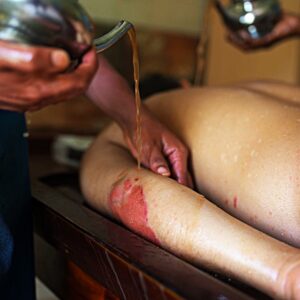
Shirodhara is one of the commonly used Ayurvedic therapies for managing stress, poor sleep, mental fatigue, and certain headache patterns. During this therapy, a gentle and continuous stream of warm medicated oil is poured over the forehead for a specific period.
In Ayurveda, the oil is used according to the person’s Dosha, symptoms, and overall condition. Oils such as Brahmi oil, Ksheerabala oil, or other medicated preparations may be considered by the physician depending on the individual treatment plan.
How Shirodhara May Help
This therapy, along with the flow of warm oil, can have a calming and relaxing effect. It may help reduce mental tension, promote relaxation, and support better sleep. Since stress and disturbed sleep can trigger migraine attacks in some people, addressing these factors can be an important part of long-term migraine management.
How Long Does a Shirodhara Session Take?
A Shirodhara session typically lasts 30–45 minutes, although the duration can vary depending on the individual’s condition and treatment plan. Ayurvedic physician also decides how many times this therapy session should be taken.
Complementary Therapies: Nasya, Abhyanga & Mukhalepam Integration
Here are some complementary therapies:
Nasya for Head and Neck-Related Symptoms
Nasya involves administering a suitable Ayurvedic oil or herbal preparation through the nasal passages. Nasya may be included in migraine management, particularly when symptoms are associated with Vata or Kapha imbalance.
Abhyanga for Relaxation and Vata Balance
Abhyanga is commonly used to relax the body and support Vata balance. This is also an oil-based therapy. In this therapy gentle massage may help ease muscular tension and promote relaxation. It can be particularly useful when migraine episodes are associated with stress, fatigue, poor sleep, or an irregular daily routine.
Mukhalepam for Facial Relaxation
Mukhalepam is an Ayurvedic facial therapy in which herbal pastes or suitable natural preparations are applied to the face. It may be used as a supportive therapy for relaxation and facial care. It is not a direct treatment for migraine and is generally considered complementary to the main treatment plan.
How These Therapies Work Together
These therapies are combined with Shirodhara, Panchakarma, diet, herbal medicines, yoga, and lifestyle changes when considered by an Ayurvedic physician. The combination depends on the Dosha pattern, migraine symptoms, triggers, digestion, sleep, and overall health.
Herbal Formulations for Migraine: Brahmi, Ashwagandha & Feverfew
Ayurveda may use herbal medicines as part of a personalized approach to recurring migraine and headache symptoms. These medicines are generally used along with an appropriate diet, lifestyle changes, and Ayurvedic therapies.
Brahmi
Brahmi (Bacopa monnieri) is traditionally used in Ayurveda. This supports mental calmness, memory, and the nervous system. Its active compounds, known as bacosides, have been studied for their potential effects on cognitive and neurological functions.
Ashwagandha
Ashwagandha (Withania somnifera) is an Ayurvedic herb traditionally used to support strength, relaxation, and the body’s response to stress. Its main bioactive compounds include withanolides. It may be considered when stress, fatigue, or poor sleep is a contributing factor.
Feverfew
Feverfew (Tanacetum parthenium) is a herbal plant that has been studied for migraine prevention. Its major active compound is parthenolide. Unlike Brahmi and Ashwagandha, Feverfew is not a classical Ayurvedic herb, so its use should be considered separately and with appropriate professional guidance.
What About Dosage and Duration?
There is no single dose or treatment duration that is suitable for everyone. The appropriate amount depends on various factors, such as the specific formulation, concentration, age, health condition, other medications, and treatment goals. An Ayurvedic physician should decide the dose and duration after assessing the individual.
Herbal treatment may need to be continued for several weeks or months when used for long-term migraine management, but the duration should be reviewed according to the person’s response.
Dietary Protocol (Pathya) for Migraine Prevention & Management
Diet plays an important role in Ayurvedic migraine management. Irregular meals, long gaps between food, dehydration, overeating, and certain individual food triggers may contribute to headaches in some people. Ayurveda, therefore, focuses on Pathya, or suitable food and eating habits, according to the person’s Dosha, digestion, and overall health.
Supporting Healthy Agni
Ayurveda believes that Agni (digestive fire) helps the body digest food properly. Eating on time, choosing fresh and light foods, and avoiding overeating can help keep digestion healthy.
meals such as:
- moong dal khichdi
- Vegetable soups
- rice
- cooked vegetables
- light dals
These can be included when they suit the individual. Adequate water intake is also important for body hydration.
Ayurvedic Food Combinations
Food combinations should be selected according to individual digestion. Simple meals such as rice with moong dal, cooked vegetables with rice, or khichdi with suitable vegetables are generally easier to digest. It is also useful to avoid skipping meals or making sudden changes to your diet.
Vata-Pacifying Food Choices
When a migraine is associated with Vata aggravation, warm, freshly cooked, and nourishing foods may be preferred.
- Warm soups
- cooked vegetables
- rice
- moong dal
Regular meal timings are especially important when irregular eating or prolonged fasting tends to trigger headaches.
Pitta-Pacifying Food Choices
For people with a Pitta-dominant pattern, Ayurveda generally emphasizes lighter, less heating foods.
- Food Fresh fruits
- cooked vegetables
- rice moong dal
Very spicy foods, caffeine, alcohol, and other personally identified triggers may be limited when they are associated with migraine episodes.
Lifestyle Modifications (Dinacharya) to Prevent Migraine Recurrence
Daily habits can have a strong effect on migraine. Irregular sleep, skipping meals, stress, dehydration, and spending long hours in front of screens may trigger headaches in some people. Ayurveda places importance on Dinacharya, or maintaining a healthy, regular daily routine.
1. Follow a Regular Sleep Routine
Good sleep is an important part of migraine management. Try to sleep and wake up at around the same time each day. Avoid staying up late regularly and give your body enough time to rest.
2. Take Breaks From Screens
Long screen time can cause eye strain and worsen headaches in some people. Keep your screen at a comfortable brightness and take regular breaks during work.
3. Manage Stress
Stress is a common migraine trigger. Ayurveda may also include therapies such as Shirodhara when considered suitable for the individual. Simple practices such as deep breathing, meditation, gentle yoga, or spending a few quiet minutes outdoors can help you relax.
4. Eat and Drink on Time
If skipping meals can trigger your headache for a long time, avoid skipping meals. Eat fresh, easily digestible food at regular times and drink enough water throughout the day.
5. Stay Physically Active
Regular, gentle physical activity such as walking, yoga, or stretching can support overall health and help manage stress.
The goal of Dinacharya is to create a regular, balanced routine that supports sleep, digestion, stress management, and overall well-being. Consistency is often more useful than making sudden or extreme lifestyle changes.
Why VVAC’s Integrated Approach to Migraine Management
Migraines are not always caused by one single factor. Stress, poor sleep, irregular meals, dehydration, screen exposure, lifestyle habits, and individual triggers can all play a role in recurring migraine attacks. This is why VVAC takes an integrated approach that goes beyond headache pain to focus on the person’s overall health and daily routine.
Personalized Ayurvedic Treatment
At VVAC, migraine treatment is planned according to the individual’s condition rather than following the same treatment for everyone. The Ayurvedic physician considers symptoms, Dosha imbalance, Prakriti, digestion, sleep, stress levels, food habits, and possible migraine triggers before recommending a treatment plan.
Depending on the person’s needs, the plan may include Panchakarma therapies, Shirodhara, Nasya, Abhyanga, herbal medicines, dietary changes, yoga, and lifestyle guidance.
Ayurveda and Conventional Migraine Care
Modern medicine commonly uses medicines such as NSAIDs for pain relief and triptans for suitable patients during migraine attacks. These medicines can be useful, particularly when migraine attacks are severe or frequent.
Ayurvedic therapies may be used to support overall migraine management, but they should not be considered a replacement for necessary medical treatment.
At VVAC, the focus is on creating an individualized plan to address both the symptoms and lifestyle factors that may contribute to recurring headaches.
A 25-Acre Therapeutic Environment
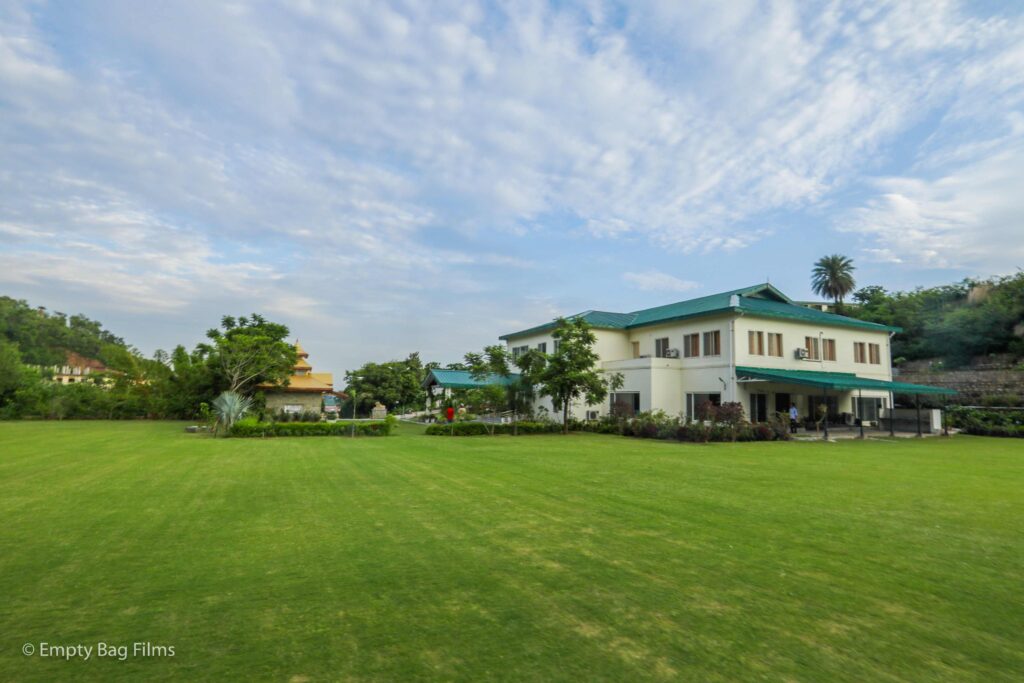
VVAC is located across a 25-acre campus in the peaceful surroundings of the Shivalik Hills. The residential setting provides an opportunity to step away from the busy routine of everyday life and follow a more structured schedule during treatment.
Regular meals, rest, Ayurvedic therapies, guided activities, and a calm environment can help patients maintain a healthier routine during their stay. This residential approach is particularly useful for people who find it difficult to maintain consistent sleep, diet, and stress-management habits in their usual surroundings.
From Herbal Cultivation to Ayurvedic Care
VVAC also emphasizes the traditional connection between nature and Ayurvedic healthcare. Its approach incorporates medicinal plants and Ayurvedic herbs as part of its broader wellness environment, including an organic farming and farm-to-clinic concept where applicable.
Herbal medicines are selected based on the individual’s condition and treatment needs. Rather than using the same herbal formulation for every person with migraine, the Ayurvedic physician decides what is appropriate based on the person’s symptoms, Dosha pattern, digestion, and overall health.
Panchakarma and Shirodhara Support
Panchakarma may be included when the Ayurvedic physician considers it suitable. Depending on the individual’s condition, therapies may include preparatory procedures, appropriate Panchakarma procedures, Shirodhara, Nasya, Abhyanga, and other supportive therapies.
Shirodhara is particularly used as a relaxing therapy in Ayurvedic care. A gentle stream of suitable warm oil or liquid is poured over the forehead for a specific period. It may be included when stress, mental fatigue, or disturbed sleep are part of the person’s migraine pattern.
A Complete Approach for Long-Term Management
The aim of VVAC’s approach is not simply to manage a headache when it occurs. It focuses on understanding the person’s migraine pattern and on improving habits and factors that may contribute to recurring episodes.
Along with Ayurvedic therapies, patients may receive guidance on regular sleep, healthy eating, hydration, stress management, physical activity, yoga, and identifying personal migraine triggers.
This combination of Ayurvedic assessment, Panchakarma, Shirodhara, herbal support, nutrition, lifestyle guidance, and a peaceful residential environment makes VVAC’s approach comprehensive and personalized for people seeking Ayurvedic support for migraine management.
Expected Results & Treatment Timeline: When Will You Feel Relief?
At VVAC, treatment duration and therapies are determined by the individual’s condition, Dosha pattern, symptoms, and response to treatment.
What to Expect During the First Few Weeks: During the initial 1–2 weeks, the focus is usually on assessment, body preparation, initiation of appropriate Ayurvedic therapies, and improvement of daily habits.
Some people may notice changes in symptoms, sleep, stress levels, digestion, or headache frequency during this period. However, improvement varies from person to person and cannot be guaranteed within a specific number of days.
Long-Term Migraine Management: Migraines are often a recurring condition, so long-term management is important. Ayurvedic care may continue for several weeks or months, depending on the individual’s needs.
A treatment plan lasting around 3–6 months may be recommended for ongoing management. This does not mean that everyone needs treatment for 3–6 months. The duration should be decided and reviewed by the treating physician.
Why Lifestyle Changes Matter: After completing Ayurvedic therapies, returning to the same habits that trigger migraine can increase the chances of recurring episodes. Following an instruction from an Ayurvedic physician can help with migraines.
Follow-Up and Individual Response: Regular follow-up allows the Ayurvedic physician to understand how you are responding to treatment and make changes when needed.
Important: If you experience a sudden and extremely severe headache, or any type of headache, seek immediate medical evaluation.
Classical Ayurvedic References for Migraine Treatment
The Ayurvedic understanding of migraine and headache is based on descriptions found in classical Ayurvedic texts. These texts discuss Ardhavabhedaka, different types of Shiro Roga (head disorders), their Dosha involvement, and various approaches to management.
Classical References
- Charaka Samhita – Describes Ardhavabhedaka among the disorders of the head and discusses its Ayurvedic understanding and management.
- Sushruta Samhita, Uttara Tantra – Provides a detailed classification of Shiro Roga and discusses the signs and management of different headache disorders, including Ardhavabhedaka.
- Ashtanga Hridaya, Uttara Tantra – Discusses Shiro Roga, their Dosha involvement, symptoms, and Ayurvedic treatment approaches.
- Bhava Prakasha Nighantu – Provides information about herbs such as Brahmi and Ashwagandha, including their traditional properties and uses.
These classical references form part of the Ayurvedic foundation for understanding headache disorders. At VVAC, this traditional knowledge is combined with individual assessment of Dosha, Prakriti, digestion, lifestyle, symptoms, and migraine triggers to develop a personalized treatment approach.
Frequently Asked Questions on Migraine Treatment in Ayurveda
Q: How long does it take to see results from Ayurvedic migraine treatment?
A: Most patients experience acute relief within 1-2 weeks of Panchakarma therapy, particularly after Shirodhara sessions. However, complete cure and prevention of recurrence typically requires 3-6 months of consistent treatment, dietary adherence, and lifestyle modifications to restore dosha balance.
Q: Is Ayurvedic migraine treatment better than conventional painkillers?
A: Ayurvedic treatment addresses the root cause of migraines by balancing doshas and clearing Srotas blockages, providing long-term relief without side effects. Conventional NSAIDs and triptans only mask symptoms temporarily and may cause rebound headaches, whereas Ayurveda aims for permanent cure through holistic healing.
Q: Can Shirodhara alone cure migraines, or is additional treatment needed?
A: Shirodhara is highly effective for migraine relief but works best as part of an integrated Panchakarma protocol that includes Nasya, Abhyanga, herbal medicines, and dietary changes. The combination addresses multiple causative factors simultaneously, ensuring faster and more durable results.
Q: What type of migraine does Ayurveda treat best: Vata, Pitta, or Kapha?
A: Vata-type migraines (throbbing, variable pain) and Pitta-type migraines (burning, one-sided pain with light sensitivity) respond exceptionally well to Ayurvedic treatment. Kapha-type migraines (heavy, dull pain) also respond well but may require longer treatment duration and more aggressive Panchakarma procedures.
Q: Are there any side effects from Ayurvedic migraine treatment at VVAC?
A: Authentic Ayurvedic treatment using organic, in-house manufactured formulations has no harmful side effects. Some patients may experience mild detoxification symptoms (headache, fatigue) during the first 2-3 days of Panchakarma as the body eliminates toxins, which quickly resolve as treatment progresses.
Q: Can I continue my regular medications while undergoing Ayurvedic migraine treatment?
A: VVAC Vaidyas will assess your current medications during consultation and provide personalized guidance. Gradual tapering of conventional medications is often possible as Ayurvedic treatment takes effect, but this must be done under medical supervision to ensure safety.
Q: What is Ardhaavabhedaka and how does it differ from modern migraine classification?
A: Ardhaavabhedaka is the classical Ayurvedic term for migraine, literally meaning “splitting of half the head.” Unlike modern medicine which focuses on neurological mechanisms, Ayurveda classifies migraines by dosha imbalance (Vata, Pitta, Kapha) and treats the underlying constitutional disorder rather than just symptoms.
Q: How does VVAC’s therapeutic environment contribute to migraine cure?
A: VVAC’s 25-acre mountainous campus with organic farm, Gaushala, temple, and meditation spaces provides a sattvic (pure, calming) environment that naturally pacifies Vata and Pitta doshas. This therapeutic setting, combined with organic sattvic meals and nature immersion, accelerates healing and prevents stress-related migraine recurrence.